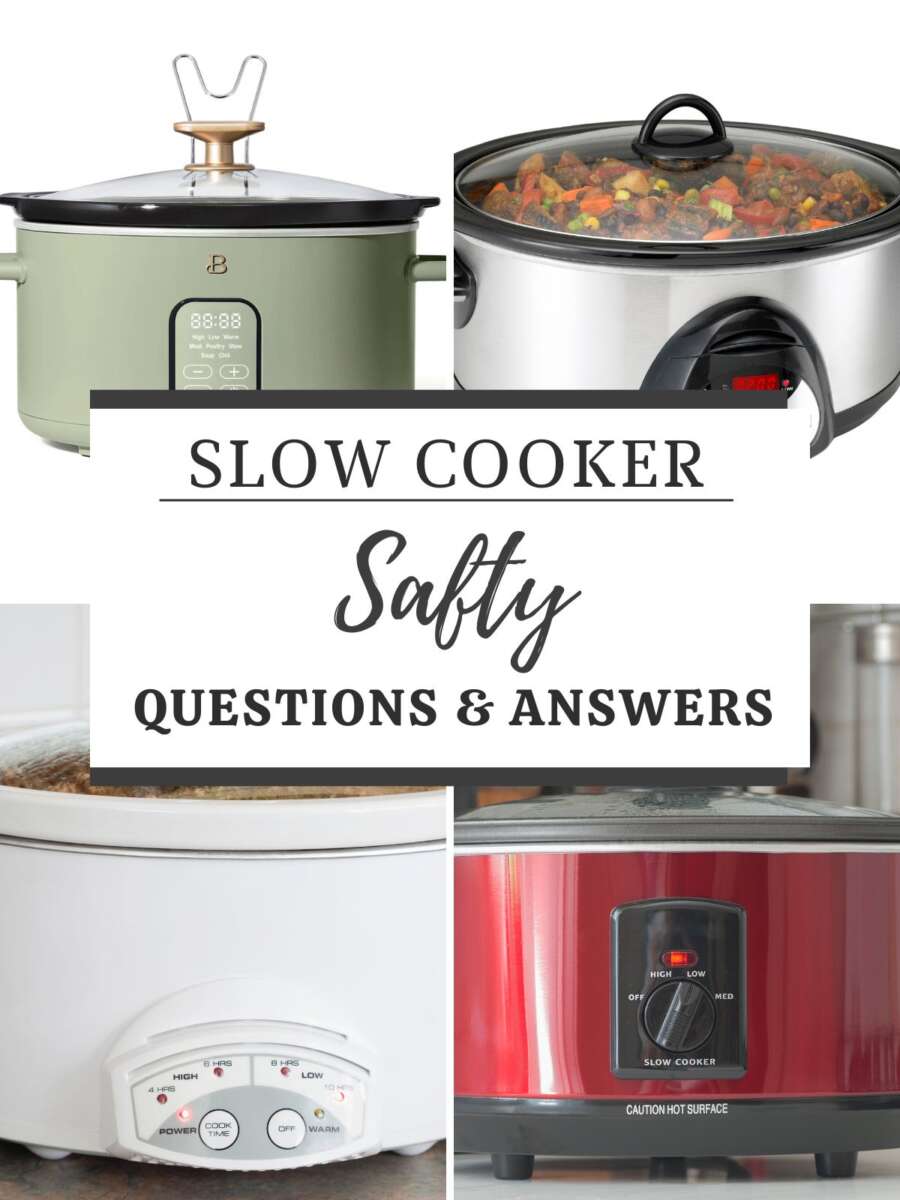
Slow Cooker Cooking Safety Tips For Families: Quick Guide
Slow cooker safety is simple: keep temps hot, prep right, and watch kids and pets.
I’ve cooked with slow cookers for years and trained in kitchen safety. This guide on slow cooker cooking safety tips for families is grounded in real experience and best practices. I’ll walk you through safe temps, smart prep, appliance checks, kid-friendly rules, cleaning, and storage. Read on to keep your family safe and enjoy worry-free slow cooker meals.
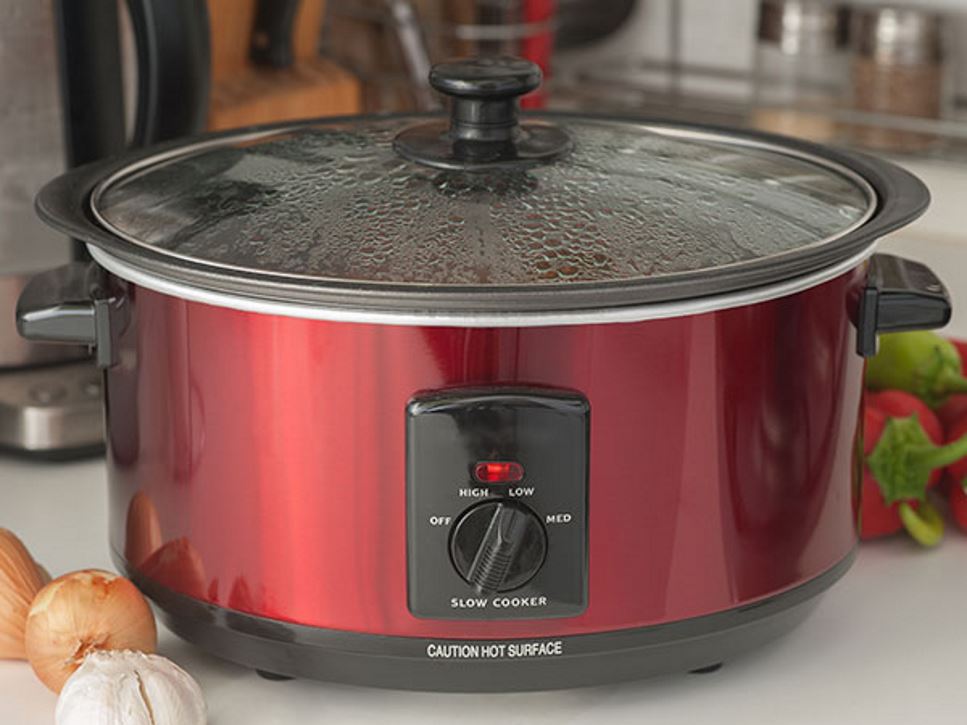
Why slow cooker safety matters
Slow cooker cooking safety tips for families matter because slow cookers hold food at warm temperatures for long times. That can be great for flavor. It can also let bacteria grow if you cut corners.
I’ve seen families get sick from undercooked stews and from letting hot food sit too long. Small kids and older adults face higher risks. Use simple rules and you can avoid most problems.
- Keep internal food temps safe.
- Thaw before cooking when needed.
- Cool and store leftovers fast.
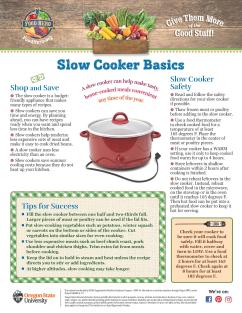
Slow cooker basics every family should know
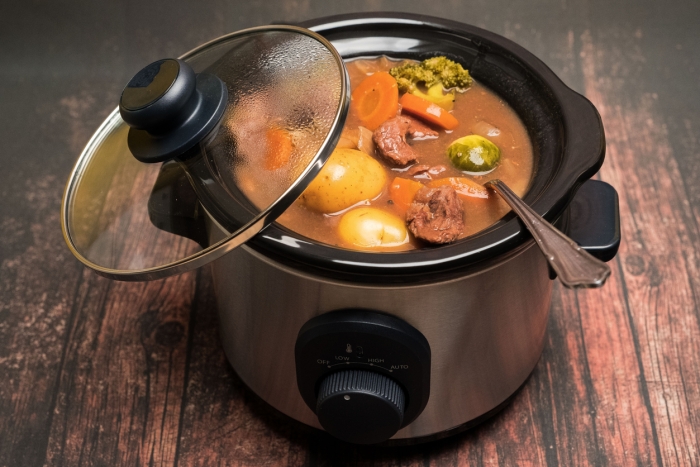
Knowing the tool is the first safety step. Slow cooker cooking safety tips for families start with the basics. Use the right size pot for the job. Don’t overfill or underfill.
Fill your slow cooker two-thirds full for best heat circulation. Use the low or high setting as your recipe directs. I prefer high for quick meals and low for overnight cooks. Read the manual for your model. It will tell you safe use and limits.
- Use room-temp inserts on solid counters.
- Keep the lid on during cooking.
- Avoid placing on towels or near edges.
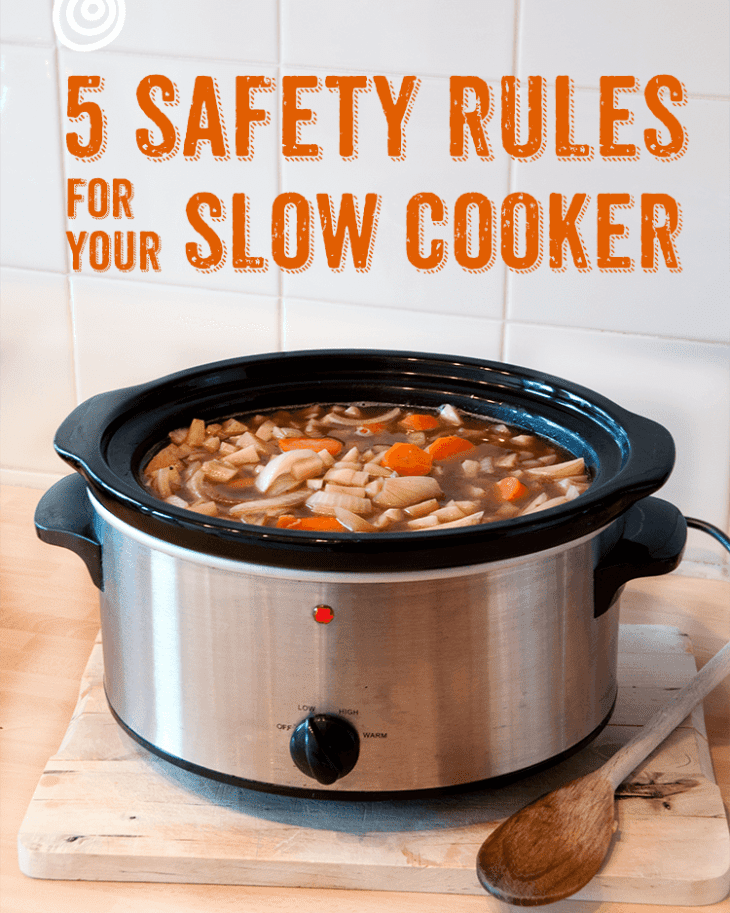
Safe food handling and temperatures
Food safety is non-negotiable. Slow cooker cooking safety tips for families focus on temperature control. Use a food thermometer for every meat dish.
Aim for these internal temps:
- Poultry: 165°F (74°C)
- Ground meats: 160°F (71°C)
- Beef, pork, lamb (roasts, chops): 145°F (63°C) then rest
Reheat leftovers to 165°F (74°C).
Do not start meats from frozen in a slow cooker unless the recipe allows it. Frozen blocks raise time in the danger zone. I learned this the hard way after a long overnight cook that left the center underdone. Now I thaw first or use smaller pieces.
- Stir stews near the end to check temp.
- Use a probe thermometer for roasts.
- Hold cooked food above 140°F if serving buffet style.
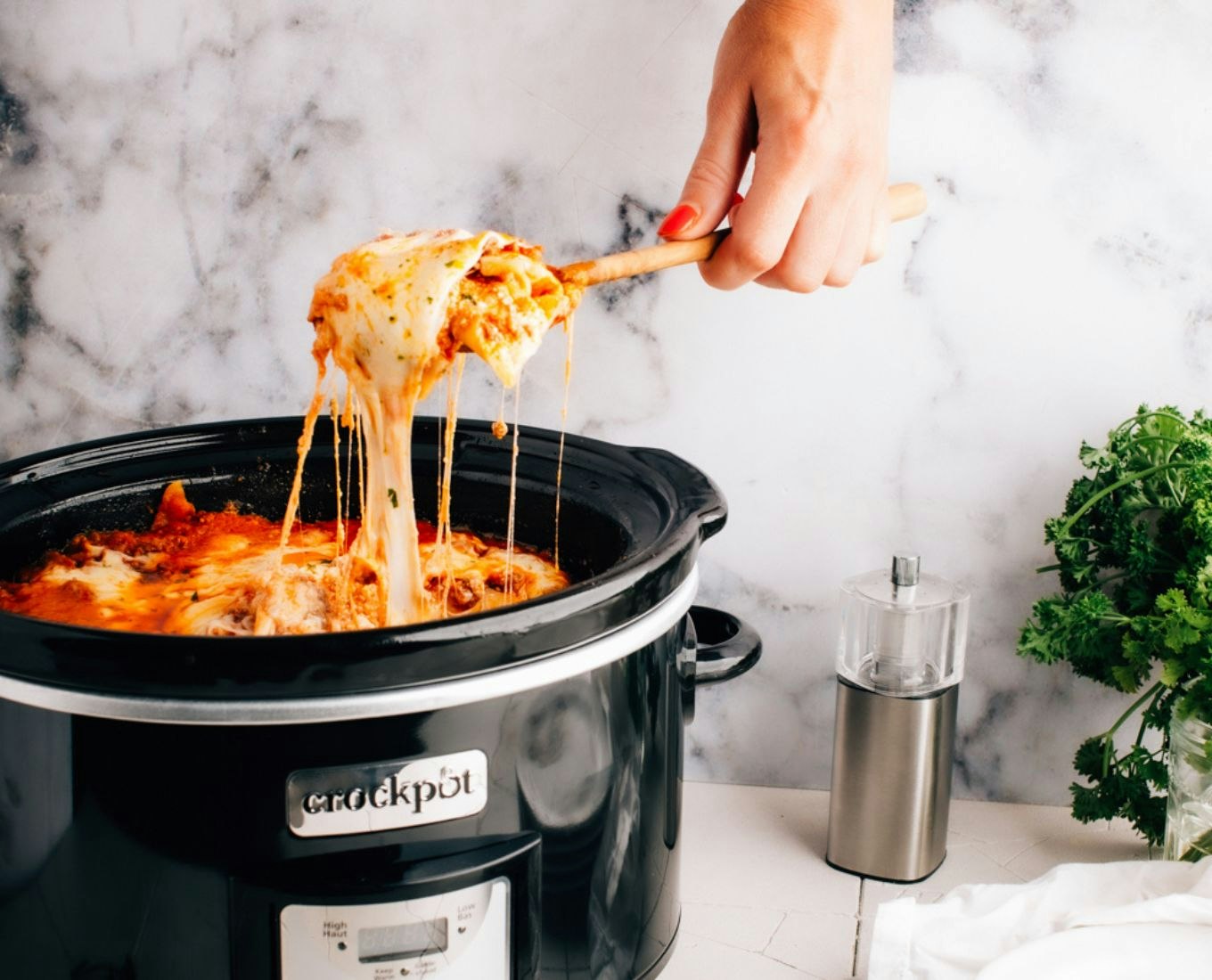
Appliance and kitchen safety checks
A safe slow cooker use routine prevents fires and accidents. Slow cooker cooking safety tips for families include simple checks before you start.
Inspect the cord and plug for damage. Place the cooker on a flat, heat-safe surface. Keep it away from flammable items and from water. Never operate a slow cooker with a cracked insert or a loose lid.
- Check seals and handles for wear.
- Use grounded outlets; avoid extension cords when possible.
- Unplug before cleaning or when done.

Child and pet safety around slow cookers
Burns and spills are real hazards. Slow cooker cooking safety tips for families must cover kids and pets. Keep the appliance out of reach.
Set the slow cooker in the center of a counter. Use stove guards or island barriers where needed. Teach kids that lids and steam can burn. I use a simple rule at home: “Hot can hurt—hands off.” It works well.
- Keep cords tucked away.
- Use child-safe cabinet locks for controls if needed.
- Supervise curious kids during meal times.

Cleaning, storage, and reheating leftovers
Good cleanup keeps food safe. Slow cooker cooking safety tips for families include prompt cooling and proper storage. Bacteria grow fast at room temp.
After cooking, cool leftovers quickly. Divide large pots into shallow containers and chill within two hours. Reheat to 165°F before serving. Most ceramic inserts are dishwasher safe, but check the manual first.
- Label containers with date and contents.
- Use leftovers within 3 to 4 days.
- Avoid leaving cooked food on the counter for long.
Common mistakes and how to avoid them
I’ve made mistakes. Sharing them can help you avoid the same ones. Slow cooker cooking safety tips for families help stop common errors.
- Starting from frozen: Thaw meat before slow cooking.
- Overfilling: Leave room for steam and expansion.
- Not using a thermometer: Visual cues can fool you.
- Ignoring the manual: Models vary; follow the maker’s advice.
- Leaving plugged in after use: Unplug to avoid risks.
When you watch for these slip-ups you cut risk and save time. I now use a checklist before bed when I cook overnight. It’s saved me many headaches.
Frequently Asked Questions of slow cooker cooking safety tips for families
How long can food safely stay in a slow cooker?
Food can stay hot and safe if kept above 140°F. If it drops below that, bacteria can grow, so refrigerate within two hours.
Is it safe to put frozen meat in a slow cooker?
Generally no. Frozen meat raises time in the danger zone and may cook unevenly. Thaw first or use small thawed pieces.
Can I leave a slow cooker on overnight?
Yes, if the recipe and appliance allow overnight use and the food reaches safe temps. Always follow the manual and confirm the pot is on a flat, safe surface.
How do I know when slow cooker food is done?
Use a food thermometer to check internal temp. Visual cues are not reliable, so rely on measured temps for safety.
Are ceramic inserts dishwasher safe?
Many inserts are dishwasher safe, but some are not. Check your manual. Hand wash cracked or aged inserts to avoid breakage.
Conclusion
Slow cooker cooking safety tips for families are simple to follow and worth the effort. Keep food at the right temps, prep correctly, check your appliance, and protect kids and pets. Small habits—like using a thermometer and chilling leftovers fast—cut risk a lot.
Make one change this week: add a quick safety checklist before you start a cook. Try it and see how much more confident you feel. If this guide helped, leave a comment or subscribe for more family-safe kitchen tips.

Appliance Review Expert
Lucas Ramirez is a trusted voice at HomeFixGrid.com, known for his clear, practical, and creatively written guides that simplify appliance care for everyday homeowners. With a strong focus on hands-on testing and real-world problem-solving, Lucas brings expert insight into appliance reviews and troubleshooting techniques. Her work empowers readers to confidently maintain, repair, and choose the right appliances for their homes.