Best Liquids To Add When Slow Cooking Meat: Flavor Boosts
Use broth, wine, beer, and a splash of acid for deep flavor and tender meat.
I’ve cooked hundreds of slow-roasted joints and braises, and I know which liquids really transform a dish. This guide covers the best liquids to add when slow cooking meat with clear rules, smart swaps, and hands-on tips. You’ll learn why each liquid works, how much to use, and which pairings suit beef, pork, chicken, and lamb. Read on for practical steps you can use tonight to make richer, more tender slow-cooked meals.

Why the right liquid matters
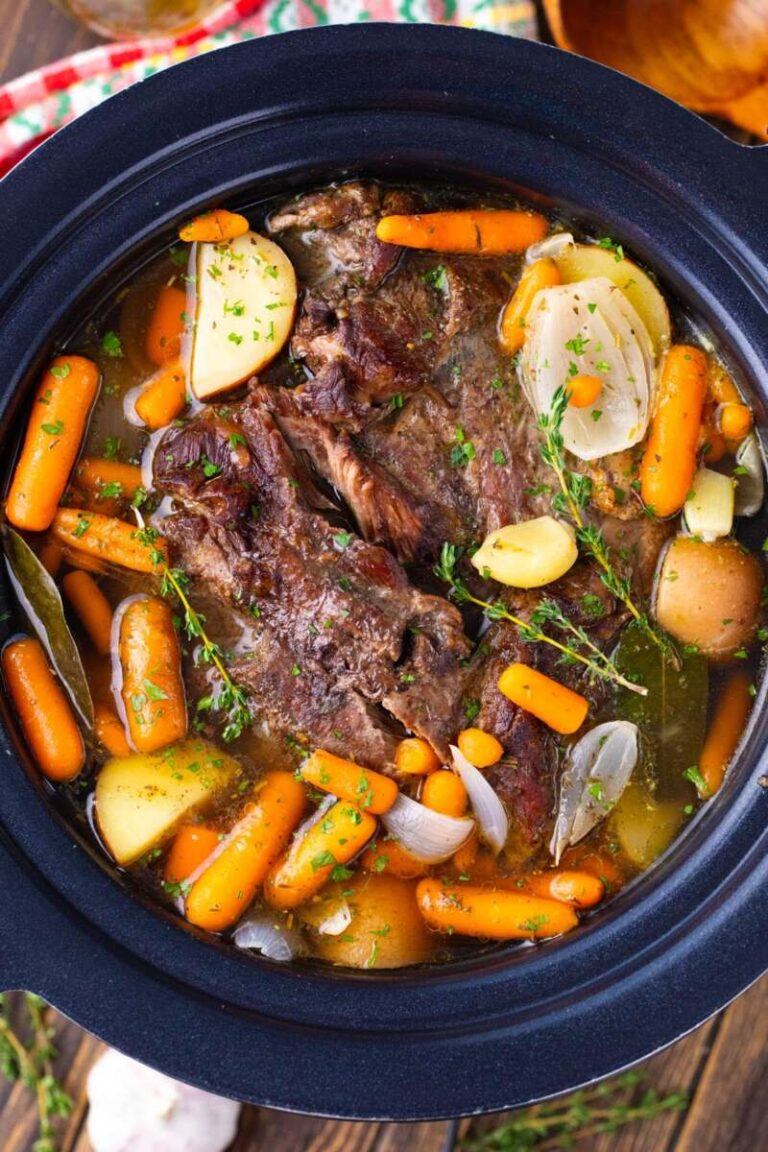
Choosing the right liquid shapes texture, flavor, and sauce body during long, low cooking. Liquids keep meat moist and carry heat evenly. They also unlock connective tissue, turning tough cuts into silky bites.
Acidity, fat, and sugar in the liquid change how collagen breaks down and how flavors develop. That is why the best liquids to add when slow cooking meat vary by cut and cooking goal. Select liquids that match the meat’s natural flavor and the dish’s final profile.
Top liquids to add when slow cooking meat
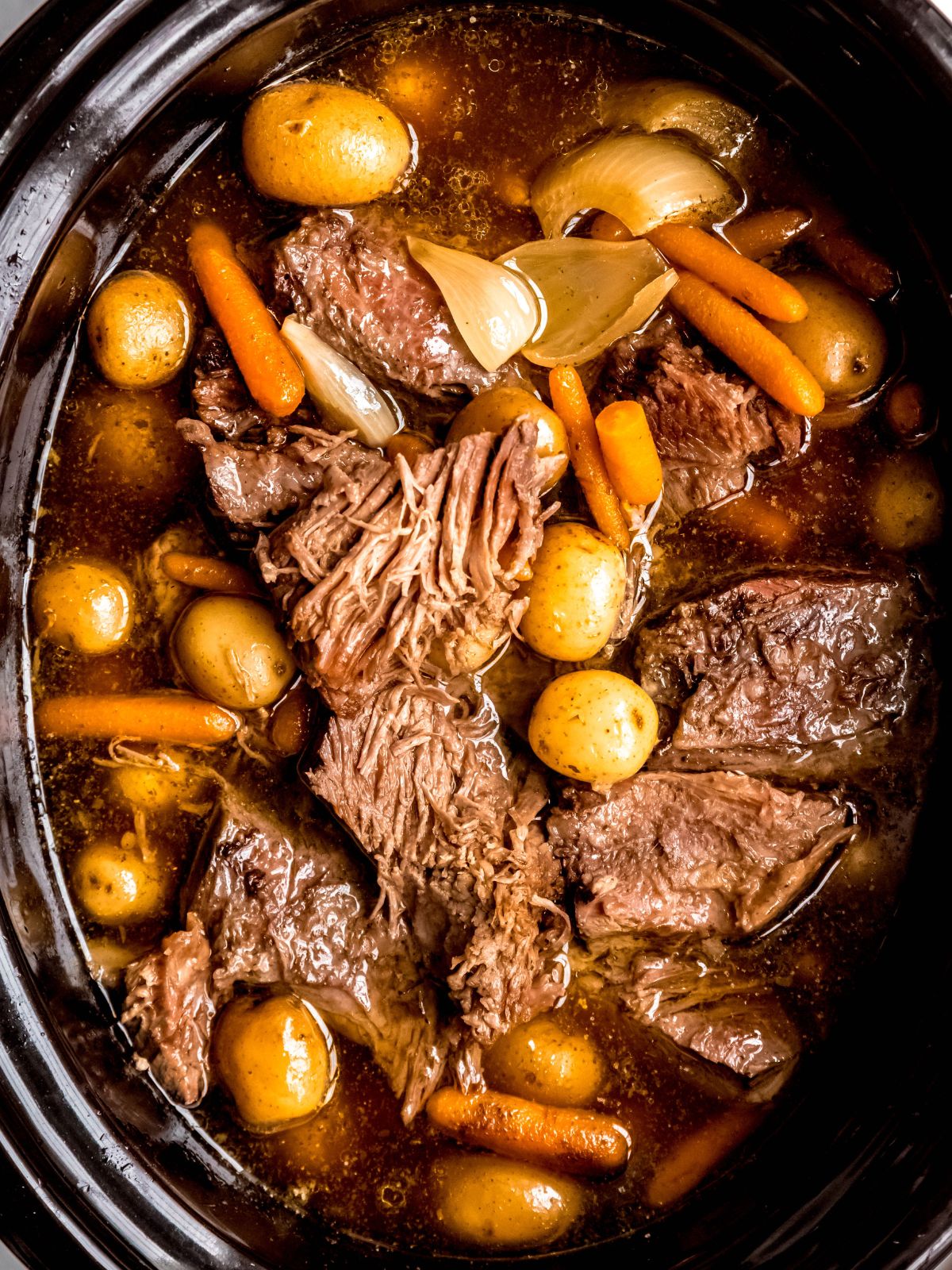
Below are the most reliable liquids for slow-cooked meats. Each entry explains why it works, how to use it, and quick pairing ideas. Use these options alone or blend them for balance.
Beef, chicken, and vegetable broth
Broth adds savory depth without masking the meat. Use low-sodium versions so you can control salt. Broth is a neutral base for long cooks and mixes well with wine or tomato for more complexity.
Suggested amount: cover at least half the meat or add 1 to 3 cups depending on size.
Red wine
Red wine brings acidity and tannins that deepen flavor in beef and lamb. It helps extract savory notes from roasted meat and adds a rich, rounded finish. Use cooking wines sparingly; pick an everyday drinking wine you like.
Suggested amount: 1/2 to 2 cups, often paired with broth.
White wine
White wine brightens poultry and pork. It adds floral and citrus notes that lift the sauce. Use dry styles for balance rather than sweet wines that can make a dish cloying.
Suggested amount: 1/2 to 1 cup combined with broth or stock.
Beer and stout
Beer adds malt, roast, and bitterness that enhance rich meats. Light lagers suit pork and chicken; stouts and porters pair well with beef and short ribs. The alcohol mostly cooks off, leaving flavor and body.
Suggested amount: 1 to 2 cups, often combined with broth.
Tomato products (crushed, sauce, paste)
Tomato is a great binding and flavor amplifier. It adds acidity and umami, which is perfect for beef, pork shoulder, and stews. Use paste for concentrated depth; crushed tomatoes for a saucier finish.
Suggested amount: 1/2 cup paste or 1 to 2 cups crushed tomatoes.
Citrus juices and zest
Citrus cuts through fat and brightens slow-cooked chicken, pork, and fish stews. Use lemon or orange juice toward the end of cooking to avoid over-tenderizing proteins. Zest adds aroma without too much acid.
Suggested amount: 1/4 to 1/2 cup juice, or zest from one fruit.
Vinegar and other acids
Apple cider vinegar, sherry vinegar, and balsamic add tang and help break down connective tissue. Use small amounts early in the cook or add more at the end for brightness. They can make sauces glossy and layered.
Suggested amount: 1 to 2 tablespoons, adjusted to taste.
Soy sauce, Worcestershire, and miso
These bring salt, umami, and depth. Add sparingly if you also use salty broths. Miso gives body and a savory finish when dissolved into the cooking liquid near the end.
Suggested amount: 1 to 2 tablespoons soy or Worcestershire; 1 tablespoon miso, dissolved.
Milk, cream, and coconut milk
Dairy and coconut milk add richness for curries and some casseroles. They are best with tender cuts or added late to prevent curdling. Coconut milk is ideal with Asian or Caribbean flavors.
Suggested amount: 1/2 to 1 cup, added in last 30 minutes.
Cola, apple cider, and fruit juices
Cola and fruit juices add sweetness and caramel notes. They are classic in some BBQ and braise recipes. Watch sugar levels to avoid burning if finishing under high heat.
Suggested amount: 1/2 to 1 cup, often combined with vinegar or broth.
Plain water with aromatics
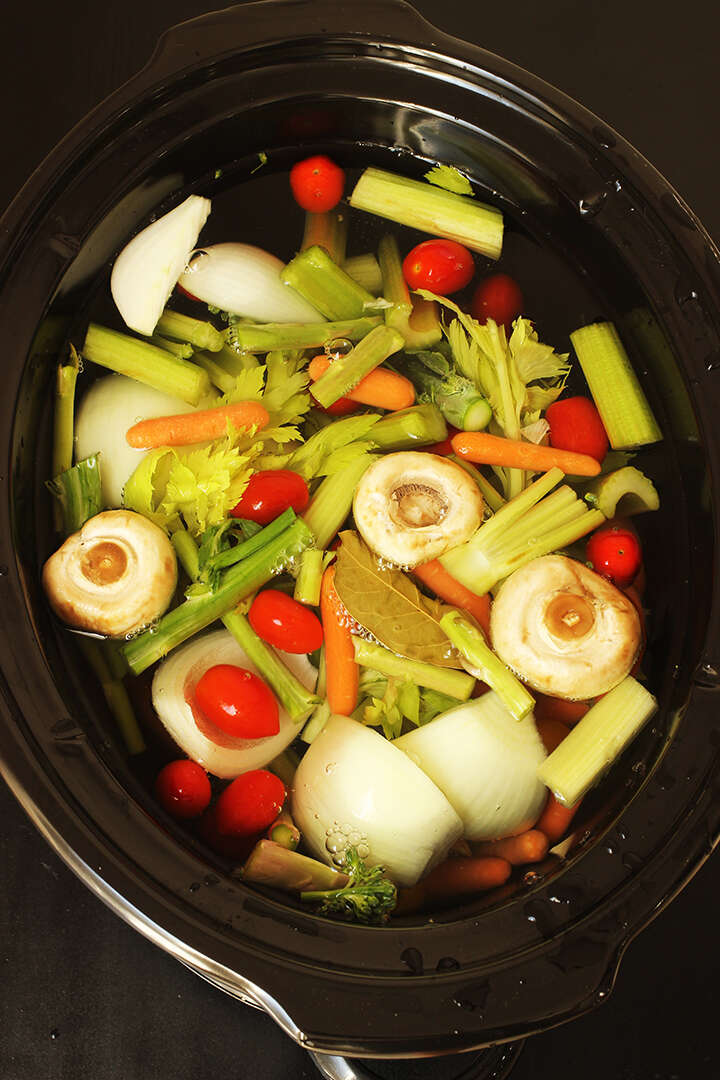
Water is fine when you want pure meat flavor. Add herbs, garlic, onion, and peppercorns to build aromatics. Water is the default when other liquids would clash.
Suggested amount: enough to cover half the meat or to the recipe’s needs.
When you choose among these options, remember that the best liquids to add when slow cooking meat often work in pairs. Combine a neutral base like broth with a flavor booster like wine or tomato. That mix balances tenderness, depth, and sauce thickness.

How to choose the right liquid by meat type
Match the liquid to the meat’s fat level, flavor, and cooking goal. Here are quick rules to guide you.
Beef
- Use robust liquids that stand up to strong flavor.
- Try red wine, beef broth, stout, or tomato-based liquids.
Pork
- Choose liquids that add sweetness or bright acidity.
- Try apple cider, beer, white wine, or cola blends.
Chicken
- Use lighter liquids that enhance without overpowering.
- Try chicken broth, white wine, citrus, or coconut milk.
Lamb
- Pick liquids with strong aromatics and tannins.
- Try red wine, beef broth, or bold beers.
Game and tough cuts
- Use acidic or enzymatic liquids in moderation to help tenderize.
- Vinegar, wine, or fruit juices can be useful when balanced with broth.
These choices help you pick the best liquids to add when slow cooking meat for each protein. Adjust volumes to the size of the cut and your desired sauce.

Practical tips, ratios, and common mistakes
Keep your slow cooking consistent and flavorful with these practical tips.
- Start with a good sear to add flavor before adding liquid.
- Use a ratio: 1 to 2 cups liquid for a 3-4 pound roast, depending on how saucy you want it.
- Combine about 75 percent broth or water with 25 percent wine or beer for balance.
- Add high-acid liquids early for tenderizing, but add citrus juices and dairy near the end.
- Taste and adjust salt at the end. Concentrated liquids reduce and intensify.
Common mistakes to avoid:
- Using too much acid early, which can make meat mushy.
- Relying only on salty liquids and over-salting the dish.
- Skipping aromatics; plain liquid without herbs can leave a flat flavor.
These rules will help you get the most from the best liquids to add when slow cooking meat. Small adjustments make a big difference in texture and taste.

Personal experience and tested combinations
I learned the hard way that liquid choice changes everything. Early in my career I ruined a pork shoulder by using too much straight orange juice. The meat was tender but tasted one-note sweet. Since then I use a mix: half apple cider, half broth, a splash of vinegar, and a bay leaf. The result is balanced and deep.
Favorite tested combos I return to:
- Beef short ribs: red wine, beef broth, tomato paste, and thyme.
- Pulled pork: apple cider, beer, and a splash of apple cider vinegar.
- Chicken thighs: chicken broth, white wine, lemon zest, and garlic.
- Lamb shank: stout, beef broth, rosemary, and a little balsamic.
Experiment, but start with small changes. Swap one liquid for another and note the effect. Over time you’ll know which are the best liquids to add when slow cooking meat for your style.
Frequently Asked Questions of best liquids to add when slow cooking meat
What liquid makes meat the most tender?
A mix of neutral broth and a small amount of acid, like wine or vinegar, helps break down collagen and yields tender meat. Avoid too much acid, which can make textures mushy.
Can I use water instead of broth?
Yes. Water works if you add aromatics and seasonings to build flavor. Broth simply adds more savory depth without extra work.
How much liquid should I add to a slow cooker?
For a 3 to 4 pound roast, start with 1 to 2 cups of liquid, depending on whether you want sauce. Covering half the meat is a good rule of thumb.
Will the alcohol in wine or beer cook off?
Most alcohol cooks off during long, slow cooking, leaving flavors behind. A small amount of alcohol can improve flavor and tenderizing without making the dish boozy.
Is vinegar safe to use in long cooks?
Yes. Vinegar is safe and useful in small amounts to brighten flavor and aid tenderization. Use 1 to 2 tablespoons and balance with broth or water.
Conclusion
Choosing the best liquids to add when slow cooking meat is both art and science. Use broths for body, wine and beer for depth, acid for tenderizing, and dairy or coconut milk for richness. Start with small trials, taste as you go, and keep notes on what works. Try one of the tested combos tonight and adjust to your taste. Share your results or ask a question in the comments to get recipe ideas and tweaks.

Appliance Review Expert
Lucas Ramirez is a trusted voice at HomeFixGrid.com, known for his clear, practical, and creatively written guides that simplify appliance care for everyday homeowners. With a strong focus on hands-on testing and real-world problem-solving, Lucas brings expert insight into appliance reviews and troubleshooting techniques. Her work empowers readers to confidently maintain, repair, and choose the right appliances for their homes.