How To Adapt Regular Recipes For A Slow Cooker: Quick Tips
Reduce liquid, lower heat, and lengthen cook time to convert recipes to a slow cooker.
I’ve spent years testing stovetop and oven recipes to learn how to adapt regular recipes for a slow cooker. I’ll walk you through clear rules, common pitfalls, and step-by-step conversions so your favorite dishes turn out tender and flavorful every time. Read on to master how to adapt regular recipes for a slow cooker with confidence and simple changes.
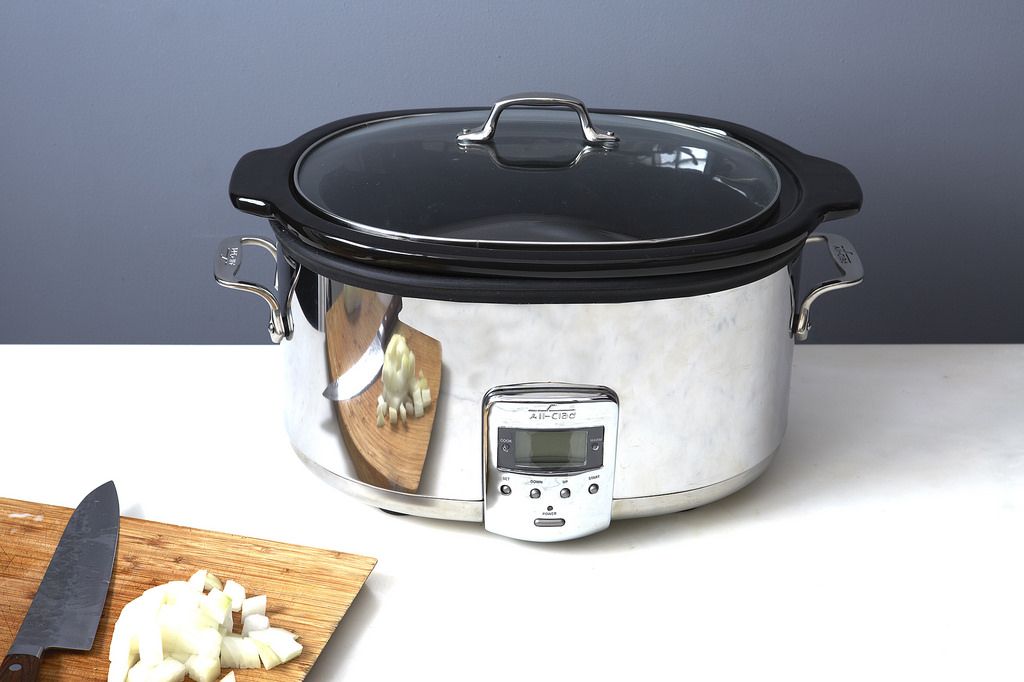
Why slow cookers behave differently and what that means for conversions
Slow cookers cook food at low, steady temperatures. They trap steam and don’t lose much liquid. That changes how ingredients break down and how flavors concentrate. When you learn how to adapt regular recipes for a slow cooker, you must rethink time, liquid, and texture to get the best results.
Slow cooking turns tough cuts tender and blends flavors deeply. But high-heat shortcuts or too much liquid can ruin texture and flavor. Knowing these differences makes conversions reliable and repeatable.

Key rules to follow when you adapt regular recipes for a slow cooker
Follow these simple rules to convert recipes accurately. They are based on practice and testing in a busy home kitchen.
- Reduce liquid by about one-third to one-half when moving from stovetop or oven to slow cooker. Slow cookers retain steam.
- Lower the cooking temperature and lengthen cook time. A one-hour simmer often becomes 6–8 hours on low.
- Brown meat and vegetables first for better flavor, unless you’re short on time. Browning builds savory depth.
- Add dairy, pasta, and rice late in the cook to prevent curdling or mush. They can break down with long heat.
- Cut ingredients into larger pieces so they don’t overcook. Small pieces can turn to mash.
- Use thicker cuts of meat that benefit from long, low heat. Lean cuts dry out more easily.
- Resist lifting the lid. Each lift can add 20–30 minutes of cook time due to heat loss.
When you adapt regular recipes for a slow cooker, these rules will save most dishes from common mistakes. Apply them and tweak with small trials to fit your slow cooker model and personal taste.

Step-by-step conversion process for how to adapt regular recipes for a slow cooker
Use this checklist each time you convert a recipe. It keeps the work simple and repeatable.
- Read the original recipe fully.
- Note total liquid and consider reducing it by 33–50 percent.
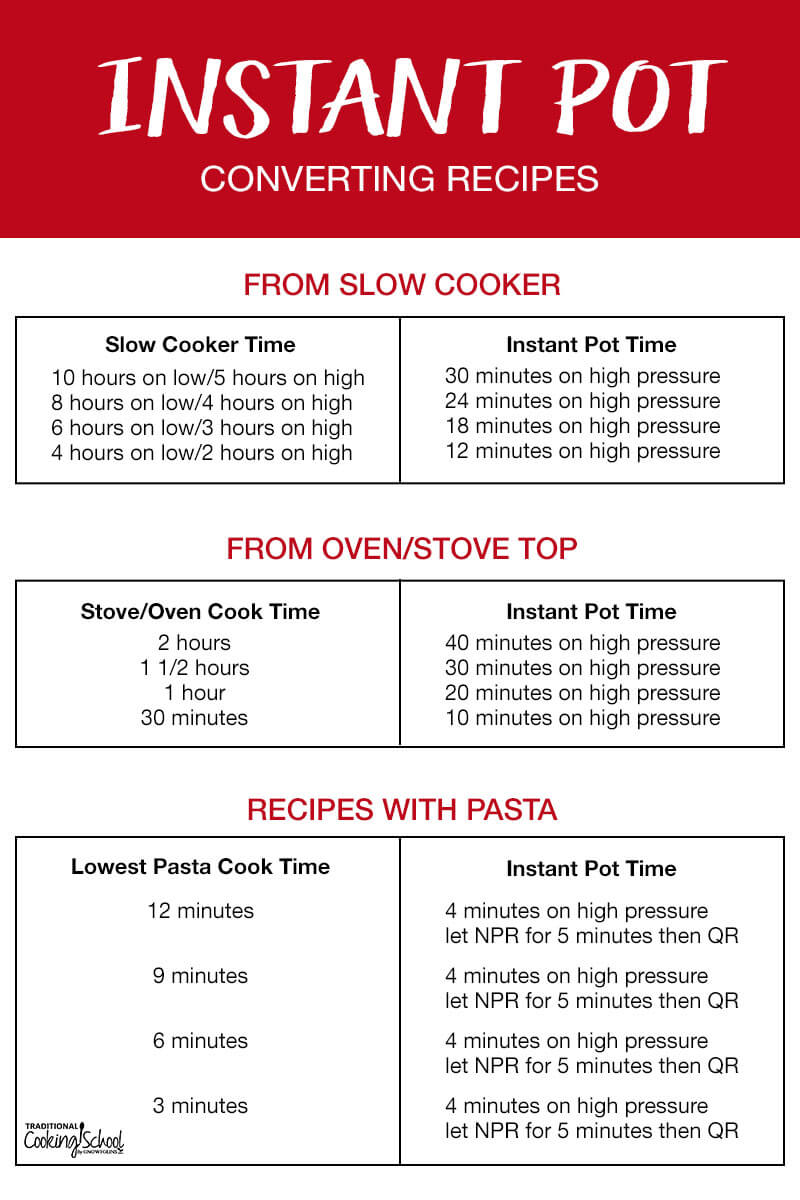
- Change the timing: 1 hour on high equals 3–4 hours low; 15–20 minutes high usually equals 1 hour low. For example:
- 2 hours stovetop simmer becomes 6–8 hours on low.
- Brown meats and sauté aromatics, then transfer to the slow cooker.
- Add vegetables that hold up well (carrots, potatoes, onions) early. Add soft vegetables (zucchini, peas) later.
- Hold back dairy, pasta, and quick-cooking grains until the last 20–30 minutes.
- Thicken sauces at the end with a slurry or reduction if needed.
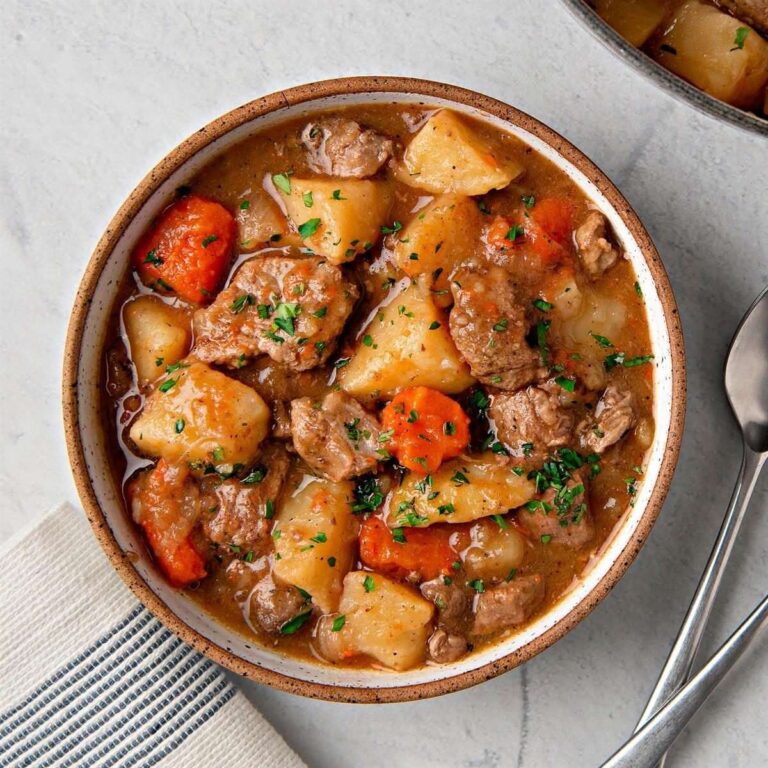
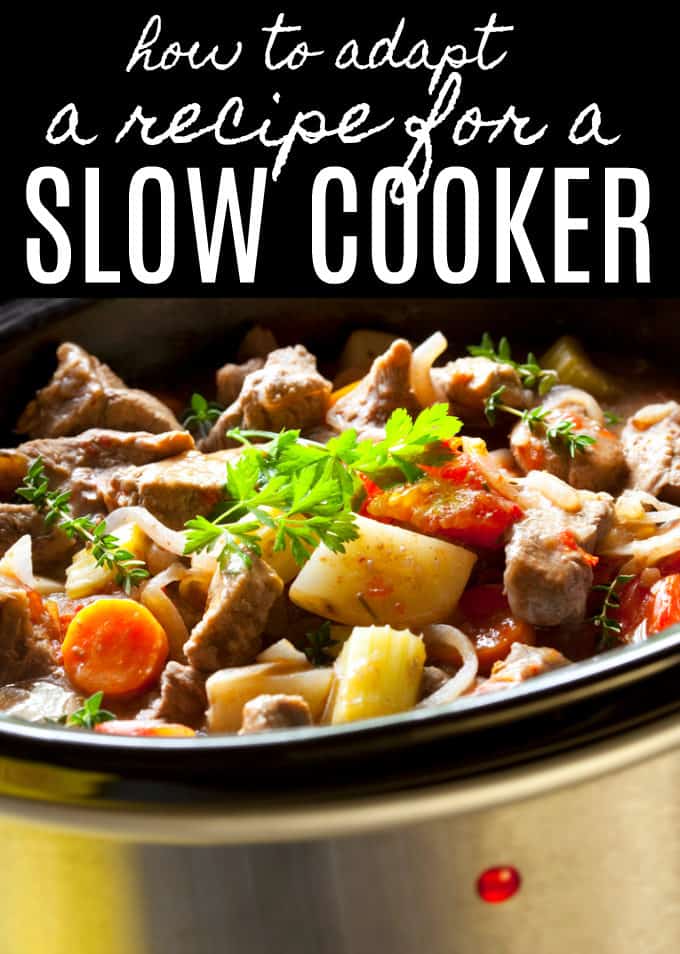
In my experience, converting a beef stew taught me to cut water by half and brown chunks well. The result was richer gravy and tender beef without a watery finish. When you adapt regular recipes for a slow cooker, start conservative with liquid. You can always stir in broth later if it’s too thick.
Common recipe types and exact tweaks when you adapt regular recipes for a slow cooker
Here are tailored tips for popular recipes. Each note helps you keep texture and flavor.
- Stews and braises
- Use 25–50% less liquid. Cook 6–8 hours on low. Brown meat first for depth.
- Roast and whole poultry
- Reduce liquid; roast in large pieces. Check internal temp; finish under broiler for crisp skin if desired.
- Soups
- Cut liquid a bit less than stews; soups can handle slightly more broth. Add delicate herbs near the end.
- Casseroles and baked dishes
- Use slow-cooker-friendly pans or liners. Avoid recipes that rely on oven browning unless you finish under broiler.
- Chili and bean dishes
- Soak beans or use canned beans to avoid overcooking. If using dry beans, ensure enough liquid and cook long enough for tenderness.
- Desserts
- Reduce liquid from original custard recipes and avoid overcooking. Use jars or liners for single-serve puddings.
Practically, when I adapted a lasagna once, I par-cooked noodles and layered gently. I cut sauce water and used slightly larger cheese cuts to avoid stringy, overcooked textures. When you adapt regular recipes for a slow cooker, think about texture first and timing second.
Troubleshooting and pro tips when you adapt regular recipes for a slow cooker
These quick fixes solve common issues fast.
- Too watery
- Remove lid and let cook on high for 30–60 minutes to reduce. Or thicken with a cornstarch slurry (mix cold water and cornstarch, stir in and cook 10–15 minutes).
- Meat tough or stringy
- Increase cook time if underdone. If dry, try shredding and simmering in sauce to rehydrate.
- Vegetables turned to mush
- Add soft vegetables later in the cook next time. Cut firmer vegetables larger.
- Bland flavor
- Finish with a splash of acid (vinegar or lemon) and fresh herbs. Salt at the end to adjust.
- Curled or separated dairy
- Add cream, milk, or cheese in the last 15–30 minutes and temper when possible.
A note on timing: slow cooker models vary. Use your cooker’s high and low heat charts. Keep a small notebook of notes. Over time you’ll know how to adapt regular recipes for a slow cooker that match your machine and taste.
Frequently Asked Questions of how to adapt regular recipes for a slow cooker
How much should I reduce liquid when I adapt regular recipes for a slow cooker?
Reduce liquid by about one-third to one-half because slow cookers trap steam. Start with less and add more near the end if needed.
Do I always need to brown meat first when I adapt regular recipes for a slow cooker?
Browning is recommended for deeper flavor but not strictly required. If short on time, add a splash of soy sauce or tomato paste to boost savory notes.
Can I put frozen meat into the slow cooker when adapting recipes?
Avoid adding frozen meat; it extends unsafe time in the temperature danger zone. Thaw first for safer and more even cooking.
When should I add pasta or rice if I adapt regular recipes for a slow cooker?
Add pasta or quick-cooking rice in the last 20–30 minutes to prevent mush. Use thicker shapes or par-cook if the original recipe relies on long simmering.
How do I keep dairy from curdling when I adapt regular recipes for a slow cooker?
Add dairy late and use full-fat options when possible. Stir in gently and allow only short final cooking to blend flavors.
Conclusion
You can consistently get great results when you learn how to adapt regular recipes for a slow cooker by adjusting liquid, time, and prep. Start with the simple rules here, test one recipe at a time, and take notes on what your slow cooker does best. Try converting a family favorite this week and share what you learned; leave a comment or subscribe for more step-by-step conversions and tips.

Appliance Review Expert
Lucas Ramirez is a trusted voice at HomeFixGrid.com, known for his clear, practical, and creatively written guides that simplify appliance care for everyday homeowners. With a strong focus on hands-on testing and real-world problem-solving, Lucas brings expert insight into appliance reviews and troubleshooting techniques. Her work empowers readers to confidently maintain, repair, and choose the right appliances for their homes.