
How To Safely Refreeze Slow Cooker Leftovers: 2026 Guide
You can safely refreeze slow cooker leftovers by cooling them rapidly in shallow containers before placing them into the freezer.
I have spent years perfecting the art of meal prep, and I have learned the hard way that food safety is not a place for shortcuts. When you are learning how to safely refreeze slow cooker leftovers, you are actually mastering the science of bacterial growth prevention. Many home cooks assume that if a dish has been cooked, it is immune to issues, but the “danger zone”—the temperature range where bacteria thrive—is a real threat to your kitchen confidence. Understanding how to safely refreeze slow cooker leftovers ensures your family enjoys delicious, time-saving meals without the risk of foodborne illness. Let us walk through the professional techniques I use to keep my freezer stocked and my kitchen safe.
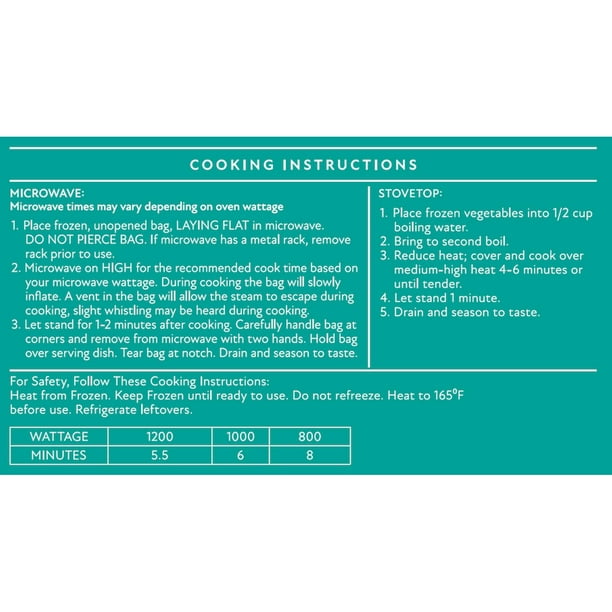 <figcaption style=”font-size: 14px;color: #555;margin-top: 8px”>
Source: samsclub.com
The Science of Cooling and Storing
The most critical step in figuring out how to safely refreeze slow cooker leftovers is managing the temperature drop. When you leave a massive, ceramic crockpot full of hot stew on the counter, the center takes hours to reach a safe temperature. During those hours, bacteria multiply at an alarming rate. My rule of thumb is to never leave food out for more than two hours.
To speed up this process, I always transfer my leftovers into shallow, airtight containers. By spreading the food out, you increase the surface area, which allows the heat to escape much faster than it would in the original pot. Once the steam stops rising, pop the lid on and move it to the refrigerator to chill completely before transferring it to the freezer. This prevents the warm food from raising the temperature of your freezer, which could inadvertently thaw the items stored next to it.
Why the “danger zone” matters
Bacteria grow fastest between 40°F and 140°F (4°C and 60°C). This range is often called the danger zone. The faster you move food out of this zone, the safer it is. Cooling food quickly cuts the time bacteria can multiply. That lowers your risk of foodborne illness.
Quick, safe cooling steps I use
- Portion hot food into shallow containers within one hour of cooking.
- Leave the lids slightly ajar until steam stops, then seal and chill.
- Stack containers in the fridge so cold air circulates around them.
- Freeze only when the food is fully chilled.

Best Practices for Freezing and Reheating
Once you have mastered how to safely refreeze slow cooker leftovers, focus on the quality of your storage. I highly recommend using freezer-safe bags or BPA-free plastic containers. If you use bags, squeeze out every bit of excess air to prevent freezer burn, which can ruin the texture and flavor of your favorite chili or pot roast. Labeling is another habit I swear by; I use a piece of painter’s tape to write the date so I know exactly how long those leftovers have been sitting in the cold.
Recommended containers and packing tips
Choose containers marked freezer-safe. Look for thick plastic, glass with tight lids, or heavy-duty freezer bags. Avoid thin plastics that can crack. For liquids and sauces, leave a little headspace so contents can expand when frozen. Remove excess air from bags. Wrap items that lose moisture easily, like pulled pork or rice, in a layer of plastic wrap before placing them in a bag or container.
Labeling and date tracking
Write the dish name and freeze date on each package. Use painter’s tape, a permanent marker, or pre-printed labels. This helps you use older food first and reduces waste. I set a reminder on my phone for anything older than three months.
Safe reheating tips
Thaw in the fridge overnight for the best texture and safety. If you are short on time, use a cold-water bath or the microwave defrost setting. When reheating, heat to an internal temperature of 165°F (74°C). A quick tip: stir sauces and soups while reheating. That helps heat them evenly and avoids cold spots where bacteria can hide.
Freezer burn and quality
Freezer burn changes texture and flavor but does not always make food unsafe. To minimize it, keep packages airtight and remove as much air as possible. Use smaller portions. Freeze only fully cooled food. Rotate stock so older meals are used first.
Frequently Asked Questions of how to safely refreeze slow cooker leftovers
Can I refreeze slow cooker meals if they were left out overnight?
No, you should never refreeze or even eat slow cooker leftovers that have been left out for more than two hours. Bacteria can grow to unsafe levels at room temperature, making the food a significant health risk.
How long do slow cooker leftovers stay good in the freezer?
For the best taste and quality, try to consume your frozen slow cooker leftovers within three to four months. While food technically stays safe indefinitely in a deep freezer, the flavor profile and texture will degrade over time.
Why is it important to use shallow containers?
Shallow containers allow heat to dissipate much faster, moving the food through the dangerous temperature zone quickly. This simple step prevents the growth of harmful pathogens that thrive in warm, dense environments.
Is it safe to refreeze food that has been partially thawed?
If the food has been thawed in the refrigerator and still contains ice crystals, it is generally safe to refreeze. However, if it has reached room temperature or has been out of the fridge for too long, you must discard it.
What is the best way to prevent freezer burn?
To prevent freezer burn, ensure your containers are airtight and remove as much air as possible from bags before sealing them. Minimizing the surface area exposed to cold air is the most effective way to keep your food tasting fresh.
How quickly should I cool different foods?
Different foods cool at different rates. Soups and stews cool faster than large roasts. Still, the rule is the same: move food to shallow containers and chill within two hours. For meat that cooked in the slow cooker whole, cut it into smaller pieces before cooling. That speeds up chilling and reduces risk.
Signs a frozen leftover may be unsafe
- Off or sour smell after thawing.
- Slimy texture on meat or poultry.
- Unexpected color changes.
- Packages that are bloated or leaking.
If you see any of these signs, trust your senses and discard the food.
Conclusion
Managing your kitchen inventory by knowing how to safely refreeze slow cooker leftovers is a game-changer for any busy household. By prioritizing rapid cooling, using proper containers, and keeping an eye on storage times, you can enjoy homemade convenience without compromising on safety. My experience has taught me that a little bit of planning goes a long way in reducing food waste and making dinner time effortless. Now that you have the tools to manage your leftovers like a pro, start clearing out some freezer space and batch-cook your favorite recipes this weekend. If you found these tips helpful, please leave a comment below or share this guide with a friend who needs help mastering their meal prep.

Appliance Review Expert
Lucas Ramirez is a trusted voice at HomeFixGrid.com, known for his clear, practical, and creatively written guides that simplify appliance care for everyday homeowners. With a strong focus on hands-on testing and real-world problem-solving, Lucas brings expert insight into appliance reviews and troubleshooting techniques. Her work empowers readers to confidently maintain, repair, and choose the right appliances for their homes.