How To Cook Asian Style Dishes In Slow Cooker: 2026 Guide
Cooking Asian style dishes in a slow cooker involves adjusting traditional stir-fry methods to low-temperature, long-duration simmering techniques.
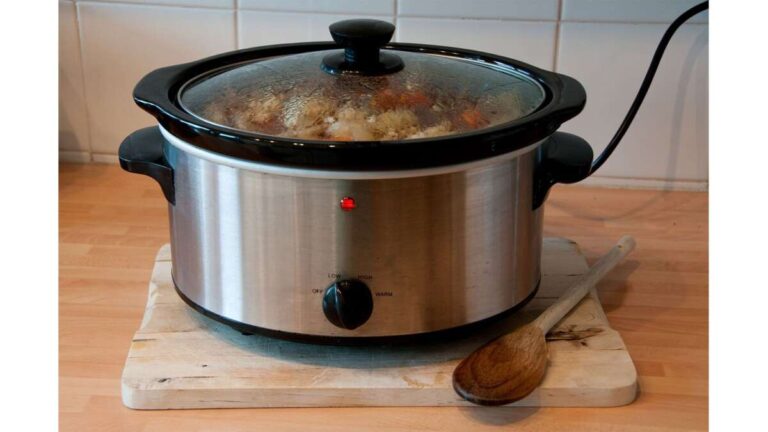
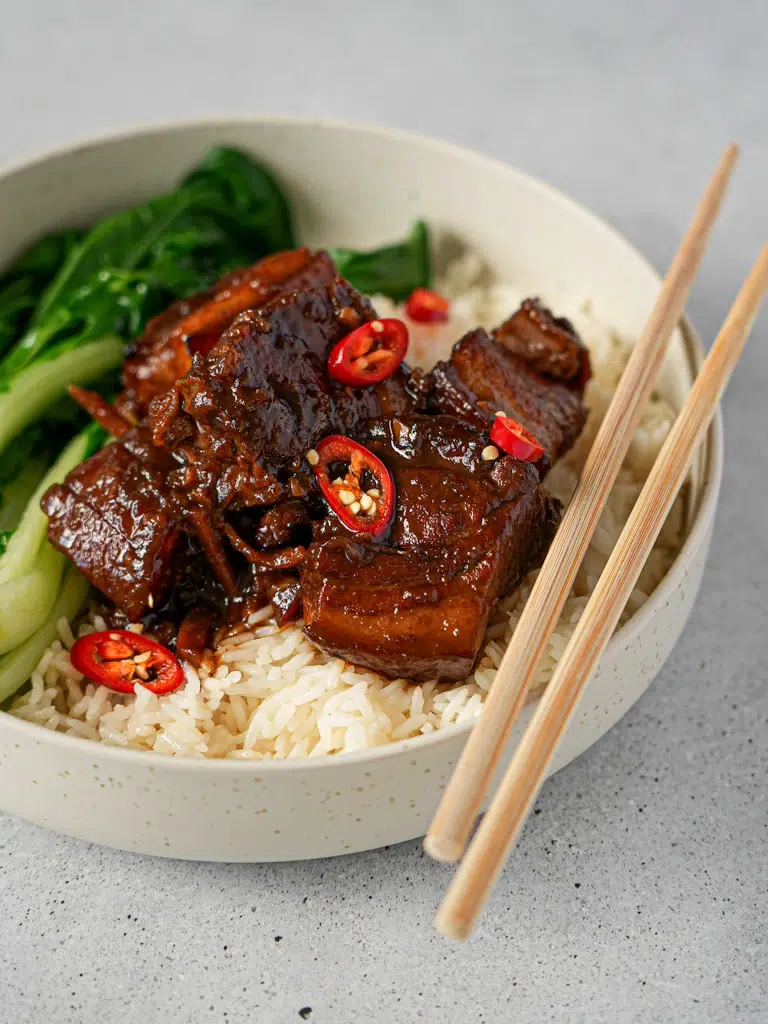
Many home cooks think authentic Asian flavors need a screaming hot wok and constant stirring. I used to think that too. Over years of testing, I learned a different truth: the gentle steady heat of a slow cooker can unlock deep, layered flavors. It shines with dishes like sticky soy-glazed ribs, fragrant ginger chicken, and slow-braised pork belly. The trick is in the balance—your aromatics, sauce timing, and cooking time. Mastering how to cook Asian style dishes in a slow cooker lets you set it and walk away. The result is tender meat and sauces that taste soaked through. In this guide, I share simple tips and tested methods so you can make restaurant-quality Asian slow cooker recipes at home with little fuss.
Selecting Ingredients for Asian Slow Cooker Success
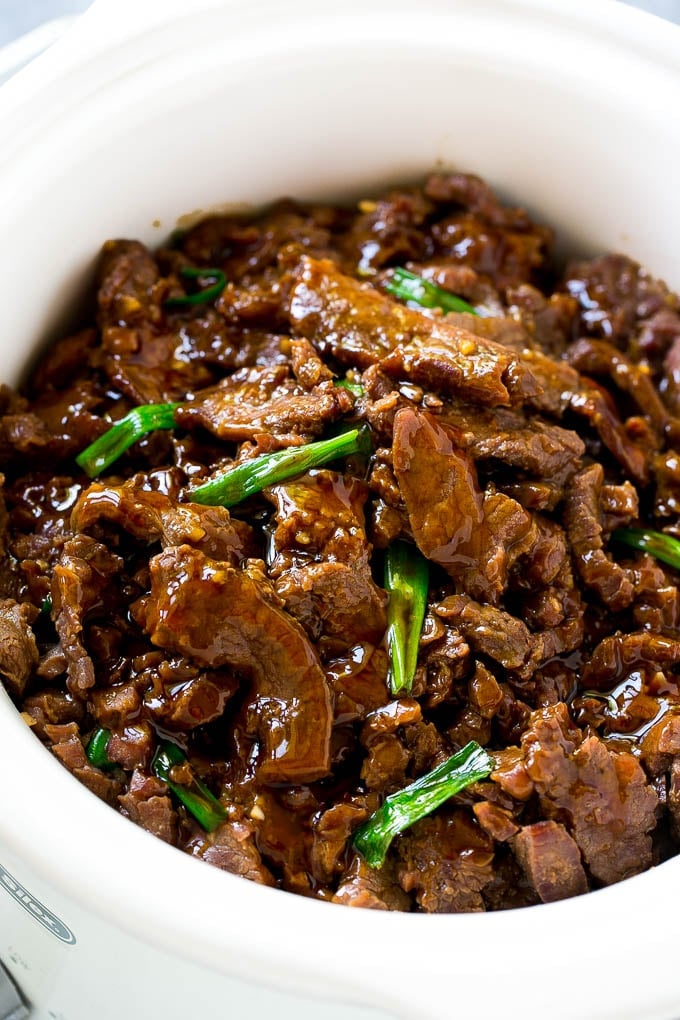
Pick the right protein first. Tough cuts work best. I use pork shoulder, beef chuck, and chicken thighs most often. These cuts get more tender as connective tissue melts with low, long heat. Lean cuts, like chicken breast, dry out fast. If you want to use breast meat, shorten the time and keep plenty of sauce or broth.
Aromatics are the heart of the dish. I always sear ginger, garlic, and scallions for a few minutes before they go in. This step wakes up their oils and gives a deeper base. It only takes five minutes. Skipping it means the dish can taste flat. A quick sauté bridges the gap between a plain stew and a bold Asian slow cooker meal.
Best produce and pantry items to keep on hand
- Slices of fresh ginger and garlic cloves
- Scallions (green onions) and small white onions
- Soy sauce (light and dark if you have them)
- Oyster sauce and hoisin for savory depth
- Rice wine (mirin or shaoxing) and rice vinegar
- Toasted sesame oil (added at the end)
- Cornstarch for a quick slurry
- Brown sugar, honey, or maple for balance in braises
Balancing Flavors and Textures
One big mistake I see is adding delicate ingredients too early. Soy sauce, oyster sauce, and rice wine vinegar are staples. But their bright notes can dull or turn bitter if cooked for hours. I usually add most savory sauces at the start for depth. Then I reserve fresh herbs, toasted sesame oil, and chili crisp for the end. This keeps final flavors bright.
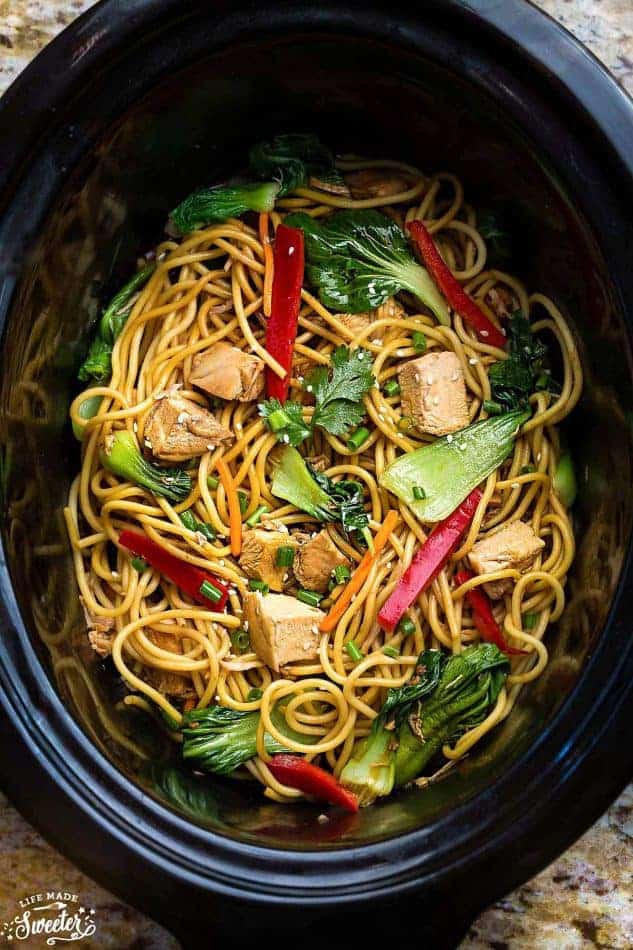
Texture matters a lot. Crisp vegetables like snap peas, bok choy, and bell peppers do not belong in the pot for the whole time. Add them in the last 20–30 minutes. This keeps them tender-crisp, not mushy. If you want noodles like lo mein, cook them separately or add them at the last minute so they do not soak up all the sauce and turn gummy.
Layering flavors for more impact
I like to layer flavors in three steps. Step one: sear meat and aromatics to get Maillard browning. Step two: add your main liquids and long-cook ingredients. Step three: finish with quick-adds—fresh herbs, sesame oil, chili paste, or a squeeze of lime. This simple structure keeps flavors clear and bright.
Essential Techniques and Adjustments
Slow cooker pots trap steam. That changes liquid needs. If you follow a stir-fry recipe’s liquid amounts, you often get a thin, watery sauce. I reduce the liquid by about 20% when I convert stove-top recipes. This leaves room for the sauce to concentrate and cling to meat.
Thickening at the end often saves the day. If the sauce is too thin after cooking, mix 1–2 tablespoons cornstarch with cold water. Stir this slurry into the hot pot and switch to the high setting for 8–10 minutes. The sauce will thicken and develop a glossy shine like restaurant dishes. This works well for Mongolian beef, sticky ribs, and braised pork.
Timing and liquid guide for common proteins
- Pork shoulder: low for 8–10 hours. Reduce liquid by ~20%. Finish with a cornstarch slurry if needed.
- Beef chuck: low for 8–10 hours or high for 5–6 hours. Let it rest before slicing.
- Chicken thighs: low for 4–6 hours or high for 2–3 hours. Add delicate sauces in the last 30 minutes.
- Chicken breasts: high for 2.5–3 hours or low for 3–4 hours. Check early to avoid dryness.
- Pork belly: low for 6–8 hours for meltingly soft layers and a glossy finish.
Using searing and browning to boost flavor
Searing is more than ritual. It adds caramelized notes and a deeper aroma. I sear in cast-iron or a heavy pan with high heat for 2–4 minutes per side. Don’t crowd the pan. Then deglaze with a splash of rice wine or stock and pour those flavorful bits into the slow cooker. This step raises the final taste in a big way.
Thickening is often necessary at the final stage of the process. If your sauce is too thin once the cooking time has elapsed, mix a small amount of cornstarch with cold water and stir it into the pot on the high setting for ten minutes. This creates that glossy, professional finish that clings perfectly to your meat and vegetables. Using this technique ensures your Asian style dishes in slow cooker setups look as good as they taste.

Finishing touches: what to add at the end
Finish with small, high-impact additions. Add these right before serving:
- Toasted sesame oil (a few drops) for aroma.
- Chopped cilantro or Thai basil for freshness.
- Chili crisp or sliced fresh chilies for heat.
- Fresh lime or rice vinegar to brighten flavors.
- A cornstarch slurry to gloss and thicken the sauce.

Frequently Asked Questions of how to cook Asian style dishes in slow cooker
Can I cook rice directly in the slow cooker with my Asian dishes?
I do not recommend it. Rice often turns mushy or burns at the edges during long cooks. It is better to cook rice separately in a rice cooker or on the stove. That keeps grains fluffy and lets you control doneness.
Should I sear my meat before putting it in the slow cooker?
Yes. Searing creates caramelized flavor you cannot get from slow cooking alone. It also helps the meat keep a nicer texture and avoids that boiled taste. If you are short on time, sear at least the aromatics and deglaze the pan.
How do I prevent my sauce from becoming too thin?
Use less liquid than a stovetop recipe calls for. Slow cookers hold steam and concentrate flavors. If the sauce is thin at the end, mix a cornstarch slurry (1–2 tbsp cornstarch + cold water) and stir it in. Switch to high for 8–10 minutes and the sauce will thicken.
Are there specific spices I should avoid?
Most dry spices are fine. Fresh herbs like cilantro and Thai basil lose brightness if cooked for hours. Add these at the end. Also be careful with toasted sesame oil. A little added early can lose its aroma; add it just before serving.
How long does it usually take for chicken to finish in the slow cooker?
Chicken thighs work well on low for 4–6 hours. Chicken breasts should be checked at about three hours to avoid dryness. Overcooking can make chicken stringy, so check toward the end of the suggested window.
Common Mistakes and How to Avoid Them
Here are mistakes I see often and how I fix them:
- Too much liquid — cut it by about 20% from stovetop recipes.
- Add delicate veg too early — add in the last 20–30 minutes.
- Forgetting to deglaze — pour pan juices into the cooker for more depth.
- Not seasoning in layers — season at the start and adjust at the end.
Conclusion
Turning your favorite takeout-style recipes into slow cooker meals changes weeknight cooking for the better. Focus on searing aromatics, timing delicate additions, and managing your liquid ratios. These steps give you consistent, delicious results every time. Cooking Asian style dishes in slow cooker pots is not scary. It is an adaptation that respects the slow, gentle process and makes it work for these bold flavors.
I encourage you to pick a favorite cut of meat and try these methods this weekend. Do you have a family recipe you want to convert for the slow cooker? Share your experiences in the comments below or reach out if you have questions about specific flavor profiles. Happy cooking!

Appliance Review Expert
Lucas Ramirez is a trusted voice at HomeFixGrid.com, known for his clear, practical, and creatively written guides that simplify appliance care for everyday homeowners. With a strong focus on hands-on testing and real-world problem-solving, Lucas brings expert insight into appliance reviews and troubleshooting techniques. Her work empowers readers to confidently maintain, repair, and choose the right appliances for their homes.