
How To Reduce Strong Spice Flavor In Slow Cooker: 2026 Hacks
To reduce a strong spice flavor in a slow cooker, add dairy, acidic ingredients, or extra volume. I’ve rescued many over-spiced chilis and stews in my kitchen. I know the sinking feeling when you taste a dish and heat overwhelms your palate. Slow cookers often make spices stronger over long cook times. That intensity can turn a good meal into something hard to eat. Learning how to reduce strong spice flavor in a slow cooker is a useful skill. It turns a near-disaster into a balanced, tasty dinner. Below I share practical fixes, why they work, and how to prevent the problem next time.
Understanding Why Slow Cookers Intensify Spices
Slow cookers trap steam and volatile oils. There is little evaporation. That keeps spice compounds like capsaicin in the pot. Over hours, these flavors infuse into meat and veg. The result can be a dish that tastes much hotter than when you started.
Once I doubled the cayenne in a beef stew. I thought the long cook time would mellow it. It did the opposite. The heat sank into the meat and veggies. That taught me to respect how slow cookers concentrate spices. Knowing this explains why you must act differently than you would with stovetop cooking. It also helps when you search for how to reduce strong spice flavor in slow cooker recipes like this fish curry guide: https://homefixgrid.com/how-to-cook-fish-curry-gently-in-slow-cooker/.
Dilution Strategies to Temper Heat
The simplest rule is dilution. Add neutral, non-spiced ingredients to lower spice concentration. This changes the ratio of spice to food. It works well for chilis, stews, and curries.
- Add unsalted broth or stock to thin a sauce without watering it down.
- Toss in extra chopped vegetables such as carrots, celery, or potatoes. They soak up heat.
- Stir in cooked beans or lentils. They add bulk and tame strong flavor.
- Add more plain tomato sauce or crushed tomatoes. Tomatoes add body and mild acidity.
Practical tip: add a little at a time. Taste between additions. You can always add more. You cannot easily remove liquid once it’s in.
When to choose potatoes, beans, or broth
- Use potatoes if you want more starch and a milder texture.
- Use beans for protein and bulk.
- Use broth when you need more liquid but want depth of flavor.
Using Dairy and Fats to Neutralize Spice
Capsaicin is oil-soluble. That means fats help reduce the heat on your tongue. Dairy also coats and soothes the mouth. Use fats and dairy last, just before serving, for best texture.
- Stir in a dollop of full-fat sour cream or plain Greek yogurt. Do this off heat if the yogurt may split.
- Add heavy cream or coconut milk for a creamy finish. Coconut milk works well in many curries.
- Stir in a tablespoon of unsalted butter to soften sharp edges.
- Mix in peanut butter if the dish accepts a nutty note. It’s great in some African or Thai-style stews.
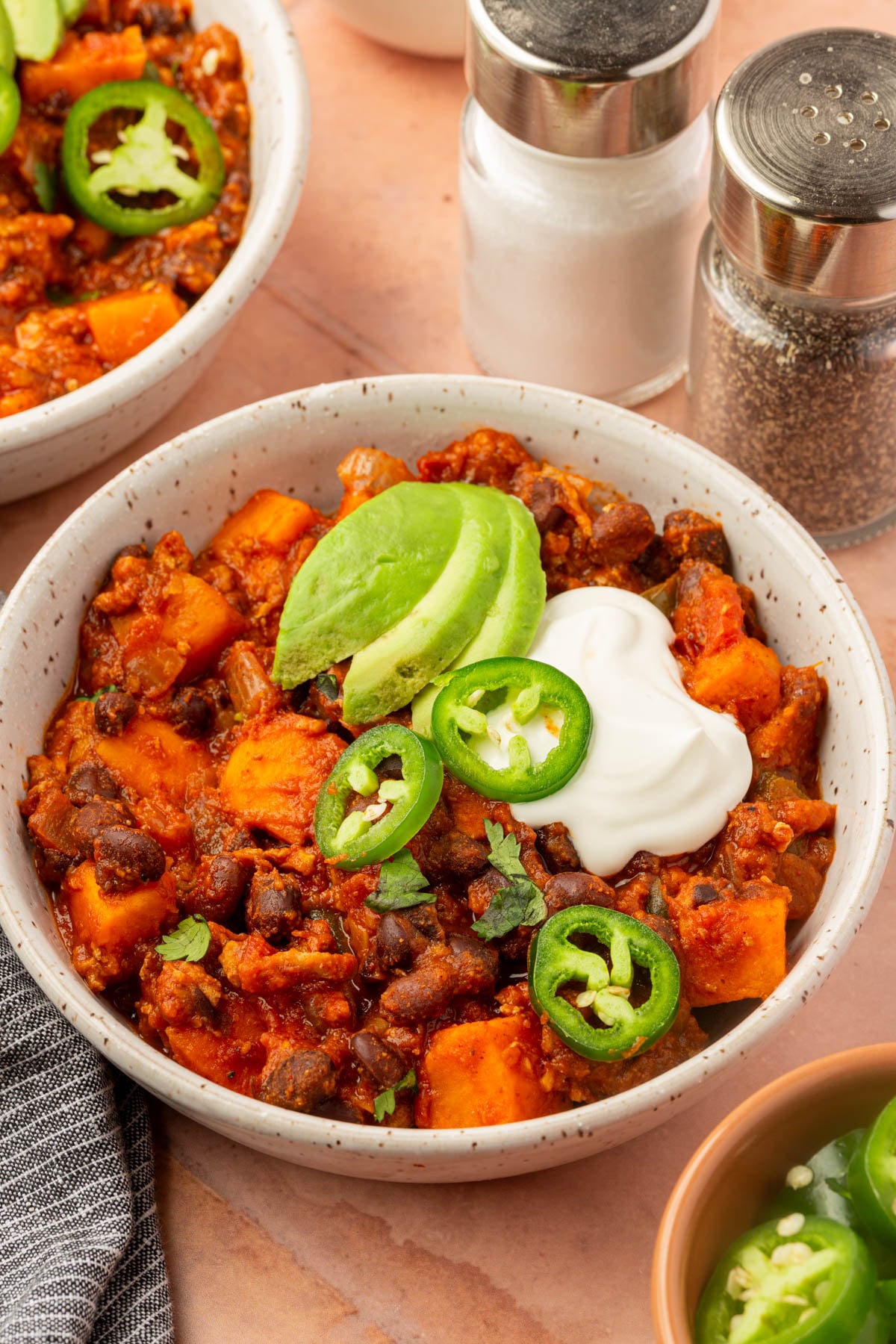
Note: dairy may curdle if boiled for a long time. Add it at the end or temper it first.
Adding Acidity and Sweetness
Acid and sugar change how your palate reads heat. A bright acid can make a spicy dish taste more balanced. A little sugar softens harsh flavors. Use these sparingly and taste often.
- Squeeze fresh lemon or lime juice for a clean, bright contrast.
- Stir in apple cider or white vinegar to cut through richness.
- Add a touch of honey, maple syrup, or brown sugar to tone down heat.
- Use a splash of soy sauce or Worcestershire sauce to add umami. That can distract from spiciness.

Use acid when the dish is too flat and hot. Use sweeteners when the spice tastes sharp or metallic.
Quick Fix Checklist (What to Try First)
If your slow cooker dish is too spicy, try fixes in this order. Each step is fast and low risk.
- Add a neutral starch (potatoes or rice) or beans.
- Add a small amount of unsalted broth or more tomato sauce.
- Add dairy or coconut milk off heat.
- Add a splash of citrus or vinegar.
- Add a small pinch of sugar or a teaspoon of honey.
- Serve with cooling sides like plain yogurt, sour cream, or avocado.
The order matters. Start with low-flavor, bulk-building fixes. Then move to flavor changers like dairy and acid.
Step-by-step: How to Reduce Strong Spice Flavor in Slow Cooker (Priority Order)
- Stop cooking. Remove the slow cooker lid and turn off heat. Let the dish cool slightly.
- Taste and assess. Is it uniformly hot? Is the heat only in the sauce or in the meat?
- Dilute: add unsalted liquid or extra vegetables. Stir, simmer 10–20 minutes, and taste.
- Fat/dairy: stir in cream or yogurt off heat. Taste again.
- Acid/sweet: add citrus or a tiny amount of sugar if needed.
- Adjust seasoning: you may need salt after dilution. Add gradually.
This sequence helps fix the dish without making it bland.
Serving-level Fixes and Portion Control
If the whole pot is too hot, but one person wants less heat, adjust the serving, not the pot.
- Scoop a portion into a bowl. Stir in yogurt or sour cream.
- Serve rice, bread, or potatoes on the side to spread the spice.
- Offer raw cooling toppings: cucumber, avocado, shredded lettuce, or grated cheese.
- Let guests add lime or honey to taste.
Individual fixes keep the main pot intact and let each person choose their heat level.

Frequently Asked Questions of how to reduce strong spice flavor in slow cooker
Can I just add water to fix a spicy dish?
Adding water dilutes heat, yes. But it can make the dish thin and bland. Use unsalted broth or extra vegetables instead. These keep flavor while lowering spice concentration.
Will potatoes really soak up the spice?
Yes. Peeled, cubed potatoes act like sponges. Add them in the last hour for best results. They absorb excess seasoning and add starch to balance heat.
Is it too late to fix the spice once the dish is finished?
No. It is never too late. Add dairy, acid, or sweetener to an individual bowl. That lets you control heat per serving.
Why do slow cookers make food spicier than expected?
Slow cookers trap steam and oils. Spicy molecules have nowhere to go. Over hours, they infuse into all ingredients. That raises the perceived heat.
Does cooking the dish longer help reduce spice?
Generally no. Longer cooking in a slow cooker usually increases perceived heat. If a dish is already too hot, remove it from heat. Don’t leave it to cook longer.
Can I use oil to reduce heat?
No. Since capsaicin is oil-soluble, adding plain oil may spread the heat rather than reduce it. Use fats like dairy or coconut milk that coat the mouth and add soothing texture.
Are there flavor-safe starches to add that won’t change the recipe much?
Yes. Small pasta shapes, cooked rice, or plain mashed potatoes work. They absorb spice and bulk up the meal without clashing with flavors.
Prevention: How to Avoid Over-Spicing Next Time
- Start with less chili and spices than a recipe calls for. You can always add more near the end.
- Add fresh chiles or hot sauces late in the cook. That keeps their bright heat, not concentrated heat.
- Keep a “spice scale” in your head: mild, medium, hot, very hot. Taste early and adjust.
- Use whole spices or tied spice bags. You can remove them if the dish gets too strong.
- Note what worked the last time. Keep a simple log in a recipe card.
These small habits save many future meals.
Conclusion
Mastering how to reduce strong spice flavor in slow cooker dishes is about balance. Use fat, acid, and volume to tame heat. Start with dilution, then add dairy, then acid or a touch of sweetness. Taste as you go and fix portions at serving time when needed. Your kitchen is a lab—small tests lead to the best results. Try these techniques next time your slow cooker runs a bit hot. And please share your kitchen wins in the comments below!

Appliance Review Expert
Lucas Ramirez is a trusted voice at HomeFixGrid.com, known for his clear, practical, and creatively written guides that simplify appliance care for everyday homeowners. With a strong focus on hands-on testing and real-world problem-solving, Lucas brings expert insight into appliance reviews and troubleshooting techniques. Her work empowers readers to confidently maintain, repair, and choose the right appliances for their homes.