
How To Prepare Slow Cooker Meals For Elderly People: 2026 Guide
To prepare slow cooker meals for elderly people, prioritize nutrient-dense ingredients, ensure easy-to-chew textures, and use low-sodium seasoning.
As someone who has spent years helping my aging parents maintain their independence in the kitchen, I know that preparing slow cooker meals for elderly people is about far more than just convenience. It is about fostering dignity, ensuring proper nutrition, and creating comforting food that supports their health. When you learn how to prepare slow cooker meals for elderly people, you give them a reliable, safe, and tasty way to stay nourished without constant monitoring. Below I share practical strategies and compassionate tips that make slow cooking a real help for seniors, caregivers, and family cooks alike.

Benefits of Slow Cooking for Seniors
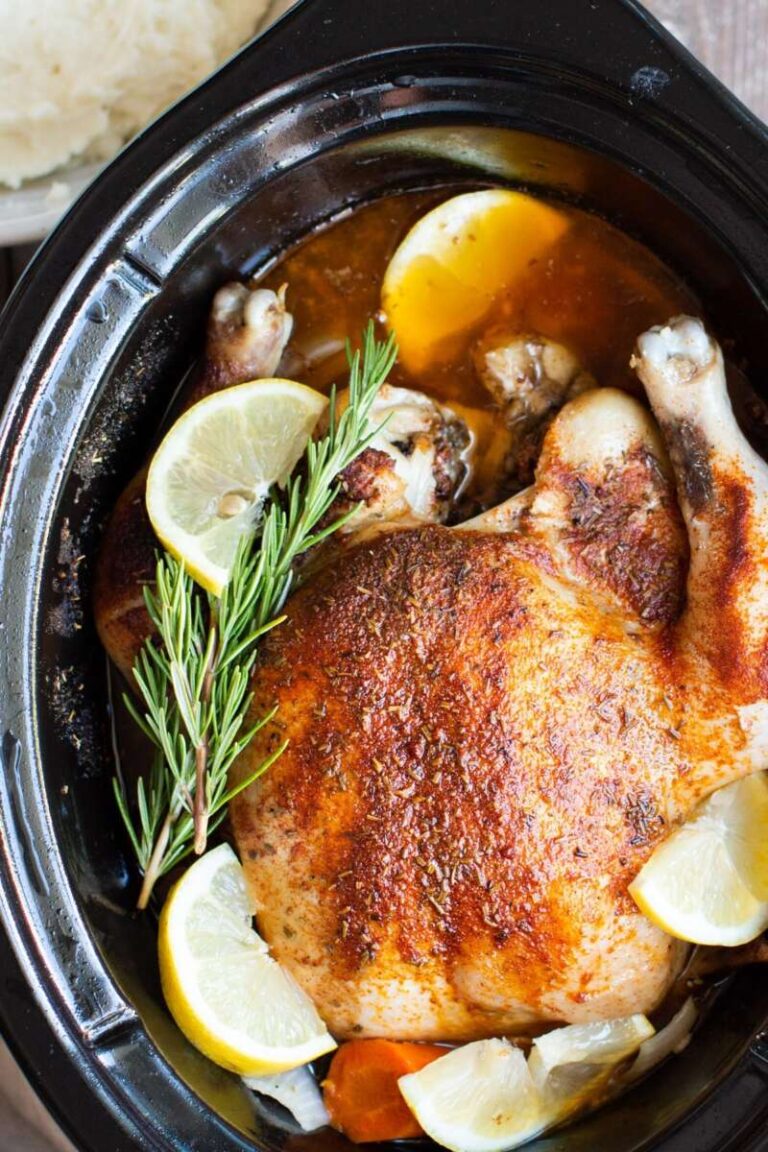
Slow cooking works very well for older adults. It keeps food moist. It makes meat and vegetables soft. Many seniors have dental issues, dentures, or dry mouth. They struggle with tough meat. A slow cooker breaks down connective tissue. Meat becomes fork-tender and easy to chew.
Slow cooking also encourages whole, simple ingredients. When you prepare slow cooker meals for elderly people, you often use root vegetables, beans, lentils, and lean proteins. These ingredients simmer and blend. They create deep, natural flavors. That helps you cut back on salt while keeping food tasty. A low-sodium diet matters for seniors with heart disease or high blood pressure.
Another big plus is safety and ease. Slow cookers are “set-it-and-forget-it.” For seniors who tire easily or have memory lapses, this reduces the chance of kitchen accidents. There are no open flames or hot burners to watch. A slow cooker lets many older adults keep cooking with less risk.
Slow cooking also supports meal prep and independence. You can batch-cook, freeze single servings, and label meals. This saves time and helps ensure good nutrition all week.

Choosing the Right Ingredients
Good ingredient choice is the foundation of great, senior-friendly slow cooker meals. I focus on nutrient-dense foods that cook soft and taste good. Here are the main groups I use.
Proteins: soft, lean, and easy to chew
Choose tender cuts like chicken thighs, boneless white fish, ground turkey, or lean beef cut into small pieces. These break down well in long, gentle cooking. Cut meat into uniform, bite-sized pieces. That reduces choking risk and makes chewing easier.
Vegetables and fiber
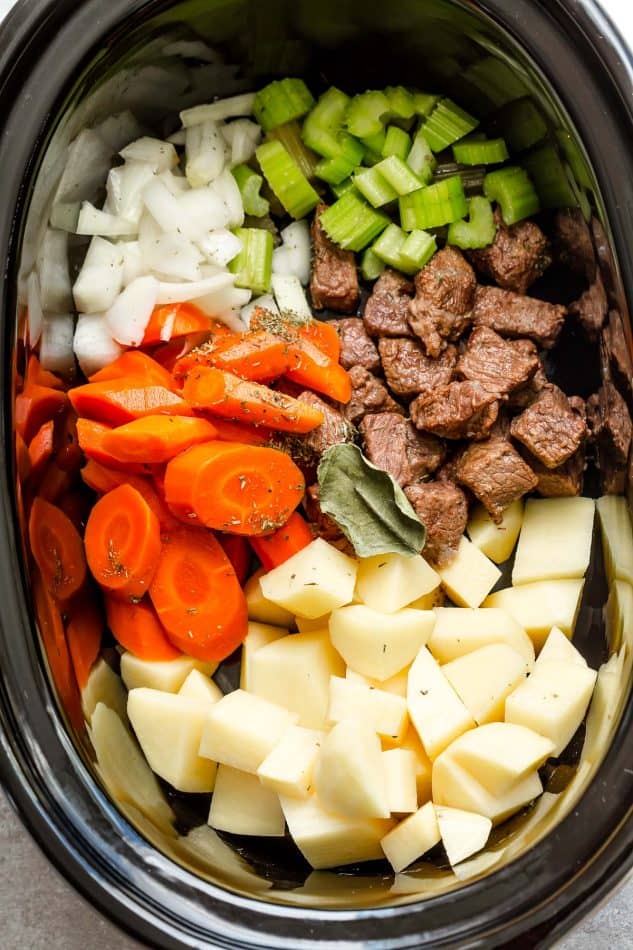
Root vegetables—carrots, sweet potatoes, parsnips—become very soft in a slow cooker. Zucchini and winter squash cook tender while keeping shape. Add greens like spinach or chard near the end to keep nutrients bright. I also add lentils or beans for plant protein and fiber. These help digestion and gut health. If digestive sensitivity is an issue, use split lentils which soften faster.
Flavor without extra salt
Many seniors lose some taste sensitivity. Instead of adding salt, I use fresh herbs and aromatics. Garlic, ginger, rosemary, thyme, parsley, and citrus zest lift flavor naturally. A splash of low-sodium broth, a squeeze of lemon, or a touch of vinegar brightens the dish. This strategy supports blood pressure control while keeping meals exciting.
Texture modifiers and swallowing concerns
If someone has mild dysphagia or chewing trouble, soften ingredients more and reduce chunk size. Cook longer on low or stir and mash lightly before serving. For thicker sauces, use cornstarch slurry or potato to reach a safe, swallow-friendly consistency. Always follow guidance from a speech therapist or dietitian when swallowing issues are present.
Safety and Practical Preparation Tips
Safety is my top concern when I prepare slow cooker meals for elderly people. I follow a few simple rules every time.
- Use oven mitts when lifting the lid. The lid and rim can be hot. Remind seniors of this.
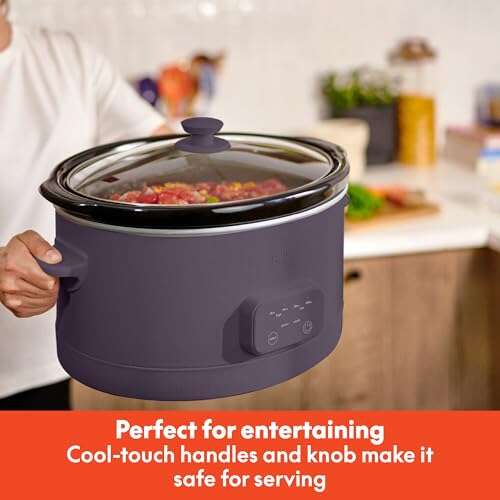
- Choose a slow cooker with a removable ceramic insert. It is lighter and easier to clean. This helps older hands and backs.
- Keep the unit on a heat-safe surface and away from curtains or flammable items.
- Check older slow cookers for wear. Replace if the cord is frayed or controls are unreliable.
Portion control also matters. I make large batches and portion them into single-serving, freezer-safe containers. Label each container with the date and contents. This makes it simple to grab a meal and reheat it. For reheating hints, you can microwave or reheat on the stove. The tips at homefixgrid can help with reheating specifics.
Some older slow cookers run hot or vary in temperature. Watch liquid levels to prevent sticking or burning. If food looks dry, add a splash of low-sodium broth halfway through cooking. That keeps meats tender and adds hydration—important for seniors who drink less water.
Meal Prep, Storage, and Food Safety for Caregivers
Meal prep and safe storage are vital. Follow these clear steps so food stays good and safe.
- Cool cooked food quickly. Do not leave it at room temperature more than two hours. Use shallow containers to speed cooling.
- Refrigerate leftovers within two hours. Use airtight containers labeled with date and contents.
- Freeze portions for longer storage. Thaw in the fridge overnight before reheating. Avoid thawing at room temperature.
- When reheating, bring food to 165°F (74°C) throughout. Use a food thermometer to check.
- Do not refreeze food that has been fully thawed and reheated. Reheat only what will be eaten.
These small steps cut foodborne illness risk. They also make meal time easier for seniors and caregivers.
Equipment recommendations
Look for a programmable slow cooker with a timer and keep-warm setting. A cooker with a digital display and auto-shutoff adds safety. Removable, lightweight inserts make cleaning and serving easier. An insulated carrier helps with transporting meals to a neighbor or family member.

Frequently Asked Questions
What are the best proteins to use for senior-friendly slow cooker meals?
Tender cuts like chicken thighs, ground turkey, and white fish work best because they break down easily. These options are nutrient-dense and require minimal chewing, making them safer for those with dental sensitivity.
How can I make slow cooker meals flavorful without using much salt?
Use fresh herbs like parsley, cilantro, and rosemary alongside aromatics such as garlic, onion, and ginger. These ingredients provide complexity and depth that effectively replace the need for high sodium content.
Are there specific vegetables that are easier for elderly people to digest?
Root vegetables like carrots, sweet potatoes, and parsnips become very soft when slow-cooked, making them easy to digest. Steamed greens like spinach or kale can also be stirred in at the end to add vital nutrients without adding bulk.
How do I prevent slow cooker meals from becoming too mushy?
To maintain the integrity of vegetables, add them in the last two hours of cooking if the recipe allows. This prevents them from turning into a puree while still ensuring they are cooked through and soft.
Is it safe to leave a slow cooker on for an entire day?
Yes, modern slow cookers are designed to be left on safely for long periods, provided they are placed on a heat-resistant surface. Always ensure the device is in good working order and kept away from curtains or flammable materials.
Conclusion
Mastering how to prepare slow cooker meals for elderly people is a kind and practical way to support health and independence. Focus on nutrient density, easy textures, and low-sodium flavor. Use safe handling, portion control, and clear labels for freezer meals. These steps keep seniors well fed and less stressed about daily meals.
Try a simple, soft slow-cooked dish this weekend. Batch-cook and freeze single portions. Watch how it helps with appetite, energy, and daily routine. If these tips helped you, please share this guide with other caregivers or subscribe for more practical advice on nourishing the ones you love.

Appliance Review Expert
Lucas Ramirez is a trusted voice at HomeFixGrid.com, known for his clear, practical, and creatively written guides that simplify appliance care for everyday homeowners. With a strong focus on hands-on testing and real-world problem-solving, Lucas brings expert insight into appliance reviews and troubleshooting techniques. Her work empowers readers to confidently maintain, repair, and choose the right appliances for their homes.