Why You Should Not Overfill A Slow Cooker Pot: Safety Tips
Overfilling a slow cooker risks spills, uneven heating, and may damage the appliance.
I’ve cooked with slow cookers for years in both home and test-kitchen settings, and I know exactly why you should not overfill a slow cooker pot. This guide lays out clear, practical reasons and fixes you can use today. Read on for easy tips, safety steps, and real-life lessons that save time, food, and your cooker.

Why overfilling causes big problems
Overfilling changes how the cooker heats. A crowded pot means heat can’t move well. That is the core reason why you should not overfill a slow cooker pot.
When the lid sits on top of dense food, steam can’t circulate. The center stays cool and cooks slowly. This leads to uneven cooking and food safety risks.

Safety risks: spills, burns, and pressure build-up
Too much food raises the risk of boiling over. Hot liquids can spill onto the base and the counter. That is another reason why you should not overfill a slow cooker pot.
Spills near the heating element can make the base short out or corrode parts over time. Steam trapped under a crowded lid can spray out when opened. This creates burn hazards for anyone nearby.

Cooking performance: uneven heat and longer cook times
A slow cooker depends on space for even heat flow. If you overfill the pot, the unit takes longer to reach safe cooking temperatures. That explains why you should not overfill a slow cooker pot.
Undercooked centers are common in overfilled pots. Meats and dense stews may remain below safe internal temps. That risks foodborne illness and poor texture.

Texture and flavor: dilution, sogginess, and lost caramelization
Crowding inhibits evaporation and browning. Ingredients steam rather than brown. This is an important culinary reason why you should not overfill a slow cooker pot.
Soups may taste watered down. Vegetables become mushy instead of tender-crisp. You miss depth of flavor that comes from proper browning and space.

Appliance wear and damage
Operating a slow cooker under stress shortens its life. Continuous spills and excess steam can damage seals and controls. This is a maintenance reason why you should not overfill a slow cooker pot.
Parts exposed to food residue can corrode or fail. Over time, heating plates and thermostats may lose accuracy, making meals unpredictable.
How full should your slow cooker be?
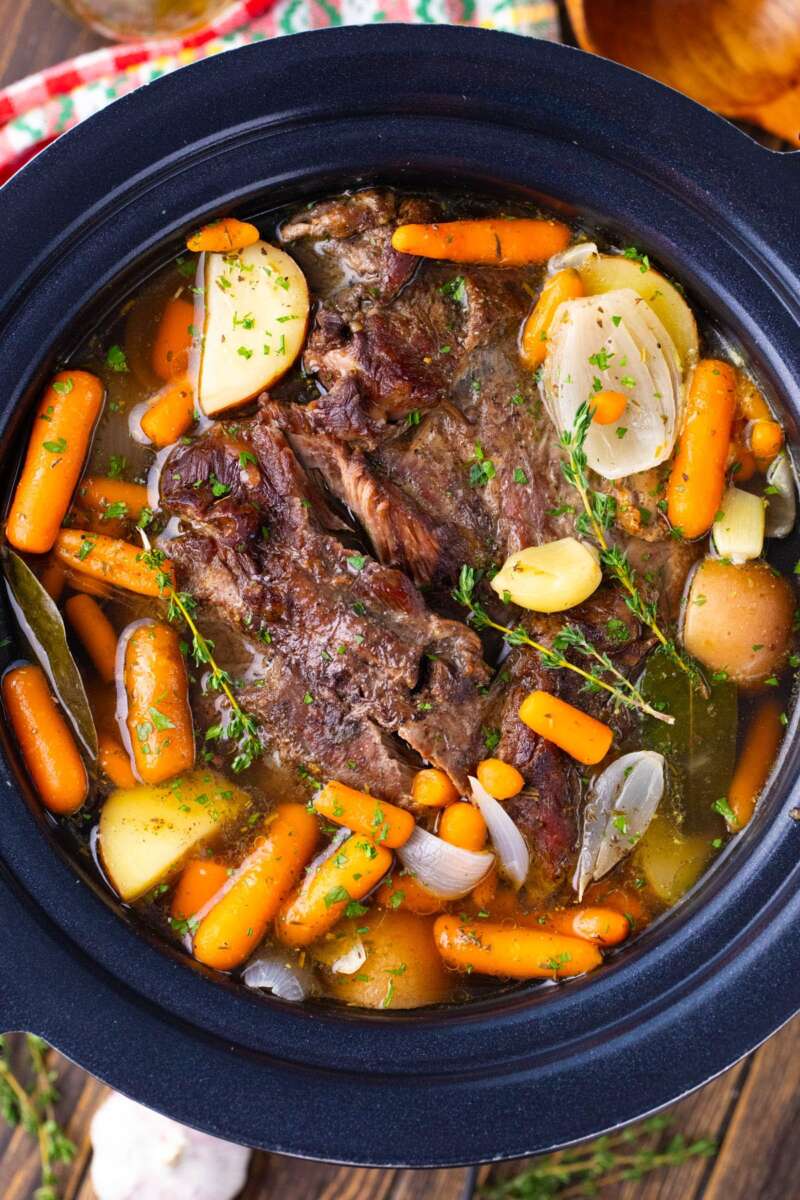
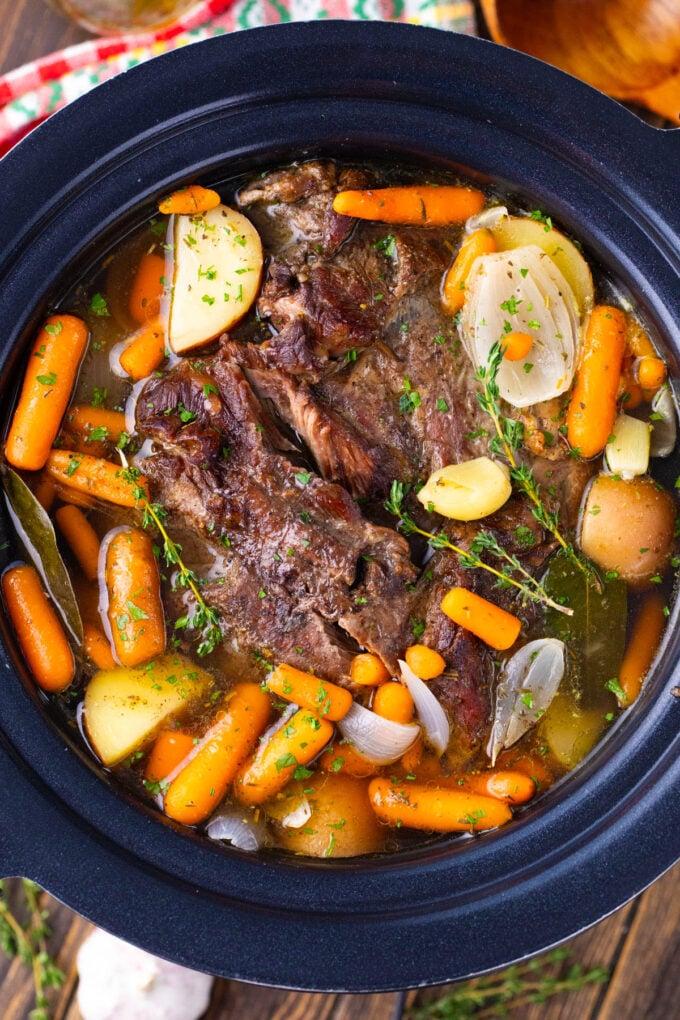
The safe sweet spot is usually between half and three-quarters full. Aim for about 50–75% capacity for most recipes. Keep this rule in mind to avoid the main problems that show why you should not overfill a slow cooker pot.
If you need to cook a large amount, consider batch cooking or using multiple cookers. Leave at least 1 inch of space between food and the lid for steam circulation.
Practical tips and best practices
Follow these steps to avoid overfilling and get better results:
• Measure the pot capacity before you cook. Match recipe yields to pot size.
• Cut large ingredients small. Smaller pieces heat and fit more evenly.
• Run on low when filling close to three-quarters full. Low gives gentler, safer heat.
• Check temp with a meat thermometer. Aim for safe internal temps, not time alone.
• Use the right insert. If you have a removable liner, don’t overload it past its marks.
These tactics directly address common reasons why you should not overfill a slow cooker pot.

Personal experience: mistakes I made and what I learned
Early on, I stuffed a 6-quart cooker with a 12-pound roast and lots of potatoes. The roast stayed cold in the middle for hours. That painful lesson taught me why you should not overfill a slow cooker pot.
Now I trim meat, split big batches, and test temps early. Small fixes prevent wasted food and time. These are simple habits you can adopt right away.

Troubleshooting when you overfill
If you realize the pot is too full mid-cook, try these fixes:
• Remove some contents into a second container and continue cooking. This reduces volume fast.
• Switch to low heat and extend the time if removal isn’t possible. Slow, steady heat is safer than high heat in a crowded pot.
• Use a probe thermometer to check multiple spots for doneness. Don’t rely on outer edges alone.
These quick steps can salvage a meal and reduce the risks tied to why you should not overfill a slow cooker pot.
Frequently Asked Questions of why you should not overfill a slow cooker pot
Will overfilling make my food unsafe to eat?
Yes. Overfilling can keep the center below safe temperatures for too long, increasing spoilage risk. Use a thermometer to confirm safe internal temps.
Can I run a slow cooker if it’s boiling over?
You can, but it’s risky. Boiling over can damage the cooker and create burn hazards; remove some food if possible.
How much space should I leave at the top?
Leave about 1 inch or keep the pot 50–75% full for best cooking and safety. This lets steam circulate and reach safe temps.
Does overfilling prolong cooking time?
Yes. More mass needs more time and heat to reach safe internal temperatures. Expect longer cook times when the pot is crowded.
Will overfilling affect flavor?
Absolutely. Overfilling often leads to steaming instead of browning, which reduces depth and can dilute flavors. Cook with proper space for better taste.
Conclusion
Overfilling a slow cooker causes safety issues, poor cooking, and possible appliance damage. Keep your pot 50–75% full, check temperatures, and split large batches to avoid problems. Try these habits this week: measure pot capacity, cut ingredients smaller, and use a thermometer to be sure. Share your slow cooker wins or questions in the comments, or subscribe for more practical kitchen tips.

Appliance Review Expert
Lucas Ramirez is a trusted voice at HomeFixGrid.com, known for his clear, practical, and creatively written guides that simplify appliance care for everyday homeowners. With a strong focus on hands-on testing and real-world problem-solving, Lucas brings expert insight into appliance reviews and troubleshooting techniques. Her work empowers readers to confidently maintain, repair, and choose the right appliances for their homes.