How To Cook Stuffed Vegetables In Slow Cooker Evenly: 2026 Guide
To cook stuffed vegetables in a slow cooker evenly, arrange them upright, add liquid to the bottom, and avoid overcrowding.
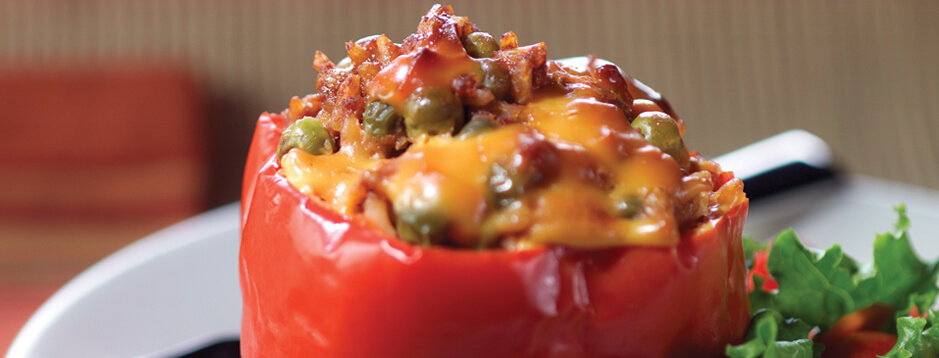
Using a slow cooker for stuffed vegetables is simple once you learn a few key habits. I still recall my first attempt with stuffed bell peppers. I crammed too many in, set the cooker to high, and got a soggy, uneven batch. Over time, I changed my approach. Now I treat the slow cooker like a gentle oven. I control heat, space, and moisture. The result is tender vegetables with a well-cooked filling and a clean shape. This guide shares the exact steps and tips I use to get even results every time.
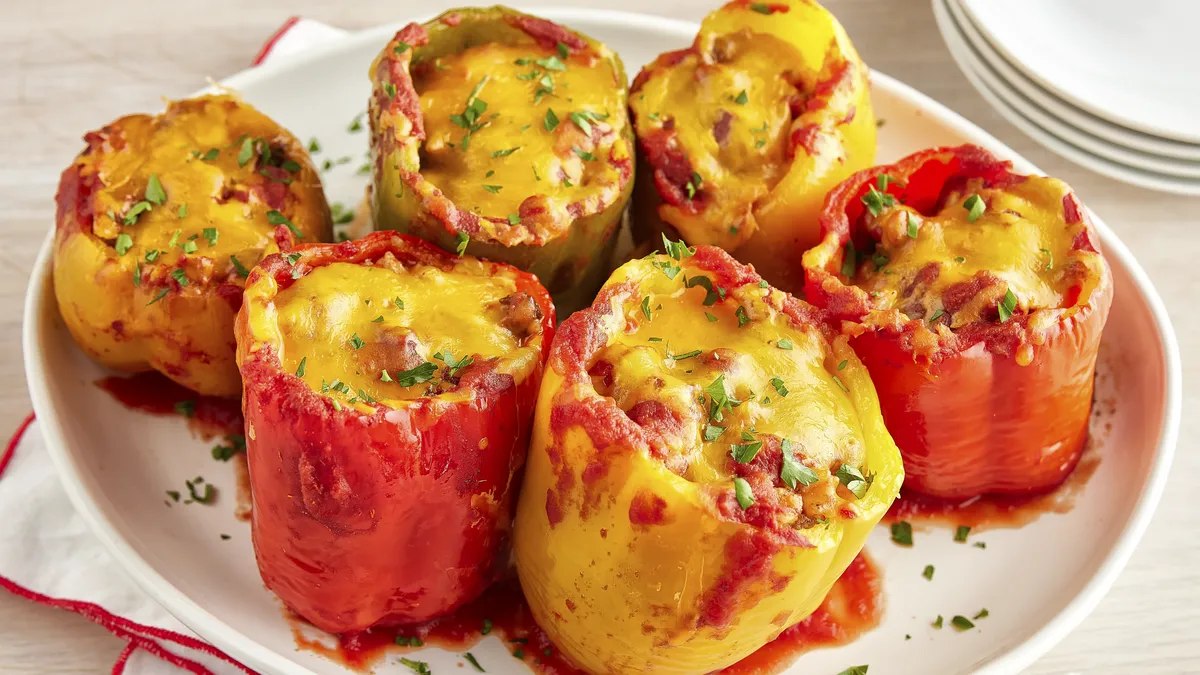 <figcaption style=”font-size: 14px;color: #555;margin-top: 8px”>
Source: bettycrocker.com
The Foundation of Even Cooking
Heat in a slow cooker comes mainly from the sides and bottom. That means items touching the walls will cook faster. To get even heat, pick vegetables that match in size. A large bell pepper and a tiny tomato will not finish at the same time.
Also, pre-cook or warm the filling. If the stuffing starts cold, the outer shell will overcook before the center gets hot. I often brown ground meat, soften onions, or pre-cook rice for a few minutes. This cuts overall cook time and gives steady, even doneness. Aim for fillings that are moist but not soupy. That balance helps steam the vegetable without turning it to mush.
:max_bytes(150000):strip_icc()/79805-StuffedPeppersWithturkeyAndVegtables-MFS-2x3-0048-444ecb49b0184daab29e5326e4330af3.jpg)
Mastering the Arrangement and Liquid Ratio
Resist the urge to stack. Stacking traps moisture and makes skins soggy. I place vegetables in a single layer. I stand them upright so the filling stays inside. If you need help, use a round insert or a ring of trimmed vegetables for stability. Pack them close enough to support each other. But leave tiny gaps for steam to move.
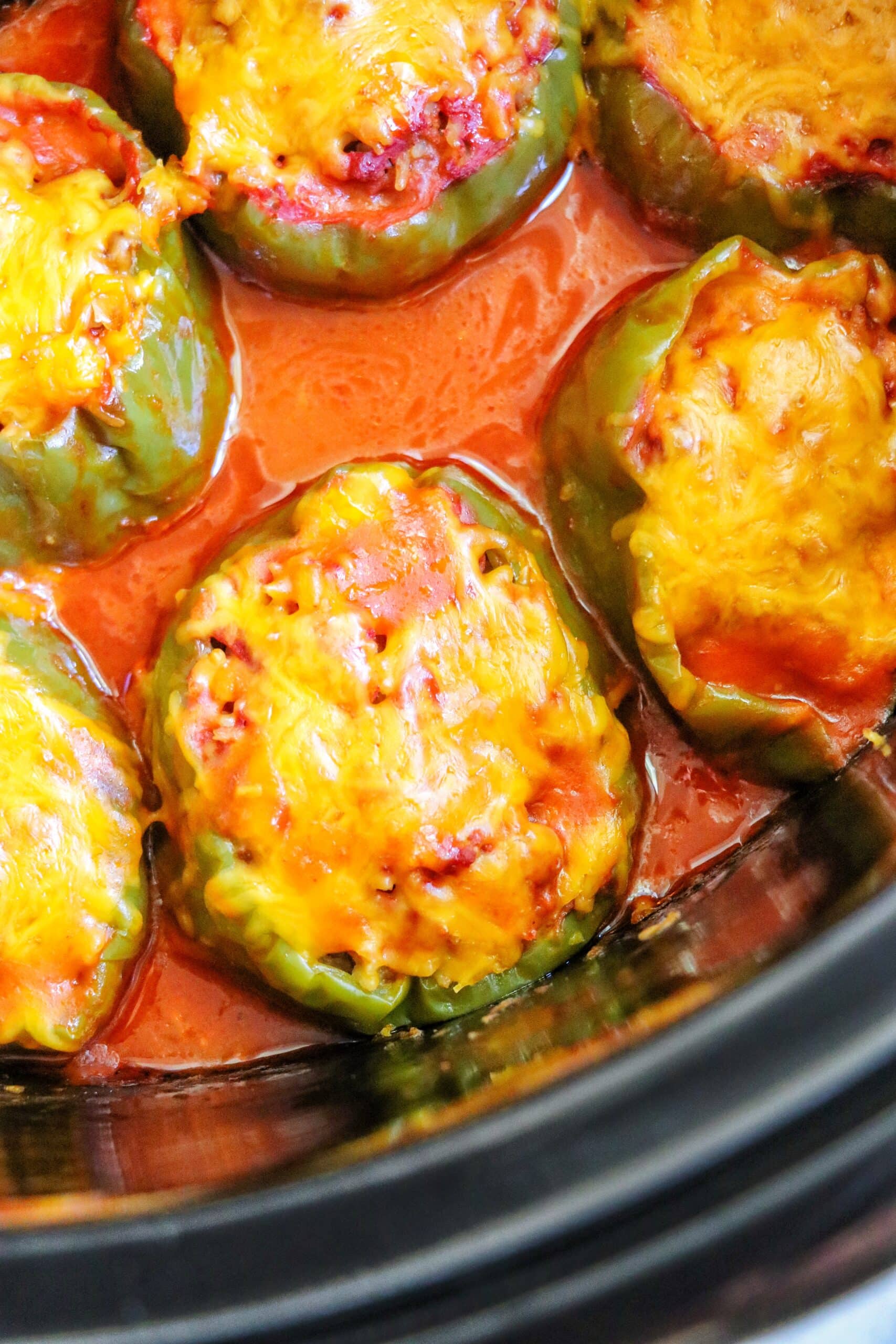
Add a thin layer of liquid to the base. I use about half an inch of vegetable stock or tomato sauce. This amount creates steam without boiling the vegetables. Too much liquid makes them waterlogged. Too little risks scorching the bottoms. The liquid also adds flavor. Try broth, watered-down marinara, or a mix of wine and stock.
Practical Tips for Texture Control
Cook on low whenever possible. Low heat for four to six hours gives the best texture. High can force water out fast. That leaves you with a pool of liquid and soft shells. Low heat lets the center heat up slowly. The shells stay firm and fork-tender.
When the tops lag behind, try a foil tent. Place a folded sheet of foil over the peppers or zucchinis inside the cooker. The foil traps heat and helps the tops finish without raising the cooker temperature. It works like a small oven lid.
Frequently Asked Questions of how to cook stuffed vegetables in slow cooker evenly
Can I stack vegetables if I run out of room?
It is not recommended to stack vegetables, as it causes uneven cooking and leads to mushy textures. Stick to a single layer for consistent results.
How much liquid is needed at the bottom?
Use about half an inch of liquid to create enough steam without boiling the vegetables. Too much liquid will make the skins lose their shape.
Is high heat better for stuffed vegetables?
Low heat is significantly better because it allows the vegetables to cook gently without falling apart. High heat often results in overcooked, broken skins.
Should I pre-cook the filling?
Yes, pre-cooking the filling ensures that the center reaches a safe temperature before the vegetable skin turns into mush. This is a critical step for quality.
How do I stop them from falling over?
Use vegetables with flat bottoms or gently trim the base of each one to ensure they stand upright. You can also pack them closely together to support each other.
Best Vegetables and Fillings for Even Slow-Cooker Results
Not every vegetable behaves the same. Choose sturdy vessels that hold their shape. Try:
- Bell peppers — classic choice. They have firm walls and a steady cook time.
- Zucchini and summer squash — hollow and quick-cooking. Trim to stand upright.
- Tomatoes — use firm, meaty varieties so they don’t collapse.
- Large mushrooms (portobello) — great for smaller, vegetarian portions.
- Eggplant — choose thick-walled fruits and salt briefly to draw moisture.
Fillings that work well include cooked rice, quinoa, bulgur, lentils, sautéed vegetables, and browned ground meat. For meat fillings, pre-cook to kill bacteria and to remove excess liquid. For vegetarian fillings, cook until slightly dry so stuffing is firm and holds shape.
Food Safety and Internal Temperatures
Safety matters. If your filling contains ground meat, check internal temps. Aim for:
- Ground beef, pork, lamb: 160°F (71°C).
- Ground poultry (turkey/chicken): 165°F (74°C).
- Leftovers reheated: 165°F (74°C).
A quick probe thermometer helps. Insert it into the center of the stuffing to confirm doneness. Pre-cooking the filling also reduces the time the food spends in the temperature danger zone.
Tools and Small Tricks That Help
Some handy items make a big difference:
- Round insert or ring: keeps peppers upright.
- Foil tent: helps tops finish without overcooking bottoms.
- Perforated steamer basket or rack: raises vegetables slightly above the liquid for better airflow.
- Toothpicks or skewers: hold stuffed tomatoes or eggplant in place.
- Probe thermometer: quick, safe checks of internal heat.
Also, trim a tiny ring from each vegetable base to make a flat bottom when needed. That simple step prevents tipping and helps even cooking.
Make-Ahead, Storage, and Reheating
You can assemble stuffed vegetables a day ahead. Store them covered in the fridge. When ready, place them in the slow cooker with the liquid and cook as usual. Leftovers keep well for 3–4 days in the fridge. Reheat gently on low in the slow cooker, or in a 325°F oven until it reaches 165°F.
To freeze, cook fully first, then cool and freeze in a single layer. Reheat from frozen in a covered pan at low heat until warmed through. Freezing and reheating can soften the skins, so note texture may change slightly.
Quick Timing Guide
- Small peppers or hollowed tomatoes: 3–4 hours on low.
- Large bell peppers, zucchini, eggplant: 4–6 hours on low.
- If the filling is fully cooked before the vegetables: 2–3 hours on low to finish shells.
These times vary by slow cooker model, vegetable size, and filling moisture. Use the guide as a starting point. Check for doneness earlier if your vegetables are small.
Conclusion
Perfecting the method for how to cook stuffed vegetables in slow cooker evenly is a rewarding journey that elevates your home cooking. By keeping your vegetables upright, avoiding the temptation to stack, and prioritizing a low and slow heat, you can achieve professional results in your own kitchen. Remember that consistency in size and pre-warming your filling are the small details that make a massive difference in the final texture. Now that you have the tools to master this technique, try it out with your favorite seasonal produce this weekend. If you found these tips helpful, please leave a comment below or share your own success story with your favorite stuffed vegetable recipe.

Appliance Review Expert
Lucas Ramirez is a trusted voice at HomeFixGrid.com, known for his clear, practical, and creatively written guides that simplify appliance care for everyday homeowners. With a strong focus on hands-on testing and real-world problem-solving, Lucas brings expert insight into appliance reviews and troubleshooting techniques. Her work empowers readers to confidently maintain, repair, and choose the right appliances for their homes.