Can I Microwave A Glass Jar: Safety Tips For 2026
Yes, you can microwave a glass jar, but only if it is explicitly labeled as microwave safe or heat-resistant.
Many of us have stood in front of a microwave holding a leftover sauce jar and asked, “Will this survive the heat?” I have been there too. I learned the hard way that not all glass is the same. Some glass shrinks or grows fast when heated. That causes cracks. Knowing the basics of thermal shock keeps you and your kitchen safe. So, can I microwave a glass jar safely? The short answer: it depends on the glass type, the jar’s condition, and what you are heating. Read on. I’ll explain how to tell the good jars from the risky ones so you can reheat food with confidence.
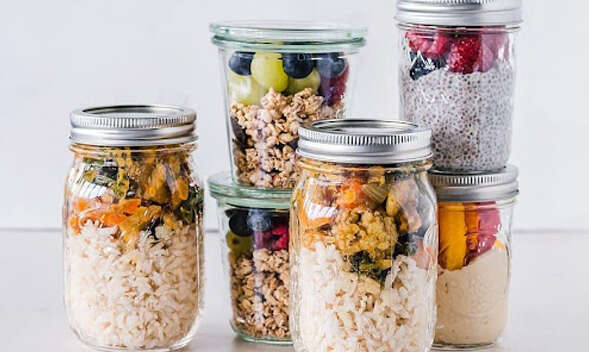
Identifying Microwave Safe Glass
Not every glass container in your pantry is made to handle quick temperature changes from a microwave. Most store-bought jars—like pasta sauce or pickle jars—are made for storage, not for reheating. They are often standard soda-lime glass. That glass can crack under sudden heat.
To know if you can microwave a jar, look for marks on the bottom. A microwave icon or the words “microwave safe” are good signs. Other makers stamp “heat-resistant” or list the glass type. If you find no mark, assume the jar is not safe for the microwave.
Borosilicate glass is the best choice for heating. It resists thermal shock well. Tempered glass is also stronger than plain container glass. Standard, thick glass can heat unevenly. The inside may get hot while the outside stays cool. That difference can make it crack. Always check jars for chips or hairline fractures before use. Even a small flaw can make a jar shatter when heated.
How to spot common jar types
- Borosilicate — often labeled; used in lab and high-end bakeware. Low thermal expansion. Good for microwaves and ovens.
- Tempered glass — stronger and safer when it breaks. Look for a mark or label.
- Soda-lime or standard container glass — common in food jars. Not always safe for microwave heat.
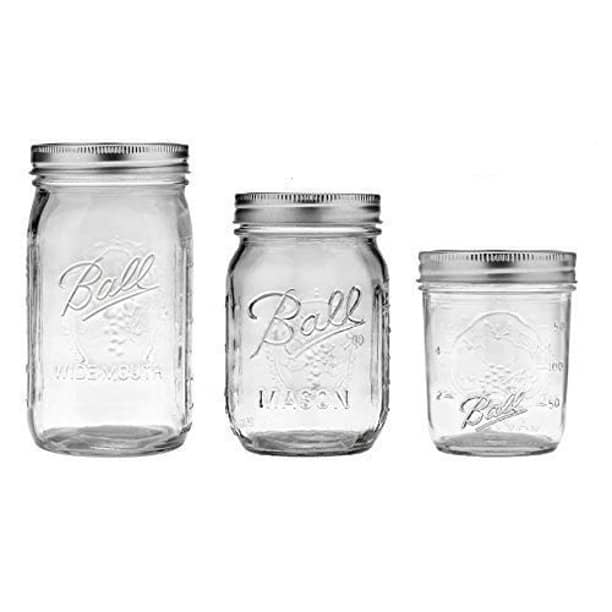
- Mason and canning jars — sturdy, but not always labeled microwave-safe. Extra care is needed.

Understanding Thermal Shock
Thermal shock is the main reason glass breaks in the microwave. It happens when one part of glass heats or cools faster than another. The glass bends or stretches in different places. That stress causes a crack or a pop. I once put a cold jar straight from the fridge into the microwave. Seconds later I heard a loud pop and the jar split. The jump in temperature created pressure the glass could not handle.
You can avoid this. Follow these simple steps every time you reheat glass jars:
- Bring the jar to room temperature first. Let cold glass warm up a bit before you heat it.
- Never seal the lid tightly. Steam must escape. A tight lid can make the jar explode.
- Use a microwave-safe cover or a paper towel. This stops splatters and still lets steam out.
- Avoid long, high-power heating. Heat in short intervals and stir between each one.
Safe Heating Tips and Best Practices
These tips help you reheat food with less risk. I use them for soups, sauces, and leftovers.
- Heat in short bursts. Try 30–60 seconds, then stir and check the jar and content.
- Leave a gap at the top. Do not fill jars to the rim. Liquids expand when hot.
- Loosen lids or remove metal rings. If you use a metal lid or ring, take it off first to avoid sparks or pressure build-up.
- Prefer wide-mouth jars. They heat more evenly and are easier to stir.
- If unsure, transfer food to a labeled microwave-safe bowl or container.
How to test a jar at home
If a jar has no mark, you can run a quick test. Put the empty jar in the microwave next to a cup of water. Heat for one minute. If the jar gets hot while the water stays warm, the jar is not microwave-safe. If only the water gets hot, the jar is likely safe. But this test is not perfect. Always use caution.
Frequently Asked Questions of can i microwave a glass jar
How can I tell if my jar is microwave safe?
Check the bottom for a microwave-safe icon. Look for words like “microwave safe” or “heat-resistant.” If you see the microwave symbol with wavy lines, that is a clear sign. If there is no mark, do not risk it. Standard glass may not be tempered for high heat.
Can I microwave a Mason jar?
You can use Mason jars sometimes. Many are thick and strong. But they are not always labeled microwave-safe. Take extra care with temperature changes. Never tighten the metal lid while heating. I avoid heating sealed metal rings or lids to cut risk.
Why did my glass jar crack in the microwave?
Most cracks come from thermal shock. This can be from a sudden change in temperature or from a hidden scratch. Cold jars go into a hot microwave. The uneven heat creates stress and a crack. Pre-existing hairline flaws also weaken the jar.
Is it safe to heat liquids in a glass jar?
Yes, if the jar is microwave-safe and not full to the brim. Leave room for the liquid to expand. Use an open container or loosen the lid so steam can escape. Stir liquids between heating intervals to avoid hot spots and superheating.
What should I do if a jar breaks in the microwave?
Turn off the microwave immediately. Let it cool fully before opening the door. Wear thick gloves to remove shards. Clean the interior well so no tiny glass bits remain. If food was in the jar, discard it to avoid ingesting glass fragments.
Extra Safety Notes and Related Terms
Here are more terms and ideas to know:
- Thermal expansion coefficient — a measure of how a material changes size with heat. Lower is better for microwaving.
- Pyrex — a brand that historically made borosilicate glass in some regions. Check local labels. Some Pyrex products use tempered soda-lime glass today.
- Microwave-safe lids and covers — made from silicone or microwave-safe plastic. They help trap moisture and stop splatters while letting steam out.
- Reusing jars — fine for storage. For repeated reheating, prefer jars labeled for heat or use named microwave-safe containers.
Conclusion
Knowing if you can microwave a glass jar comes down to the glass type and how you heat it. High-quality borosilicate and tempered glass are much safer. Everyday recycled jars often have more risk. Inspect your containers for chips and scratches. Avoid extreme temperature jumps. Heat in short bursts, leave room for steam, and use a safe cover.
Now that you know how to spot microwave-safe glass, take a moment to check the jars in your kitchen. If you have questions about a brand or a recent kitchen mishap, share your story in the comments below. Stay safe, start with short heating times, and enjoy perfectly warmed leftovers.

Appliance Review Expert
Lucas Ramirez is a trusted voice at HomeFixGrid.com, known for his clear, practical, and creatively written guides that simplify appliance care for everyday homeowners. With a strong focus on hands-on testing and real-world problem-solving, Lucas brings expert insight into appliance reviews and troubleshooting techniques. Her work empowers readers to confidently maintain, repair, and choose the right appliances for their homes.