How To Soften Tough Vegetables In Slow Cooker: 2026 Guide
To soften tough vegetables in a slow cooker, cut them into uniform pieces and place them at the bottom. After years of testing kitchen gadgets and slow-cooker recipes, I’ve learned that the key to reliable texture is knowing how heat and liquid work on plant fiber. Many home cooks end up with raw, crunchy carrots or underdone potatoes in stews. Learning how to soften tough vegetables in a slow cooker is simpler than it seems. Follow a few practical timing, placement, and ingredient rules and your root vegetables will turn out tender and flavorful every time.

Why Vegetable Placement Matters
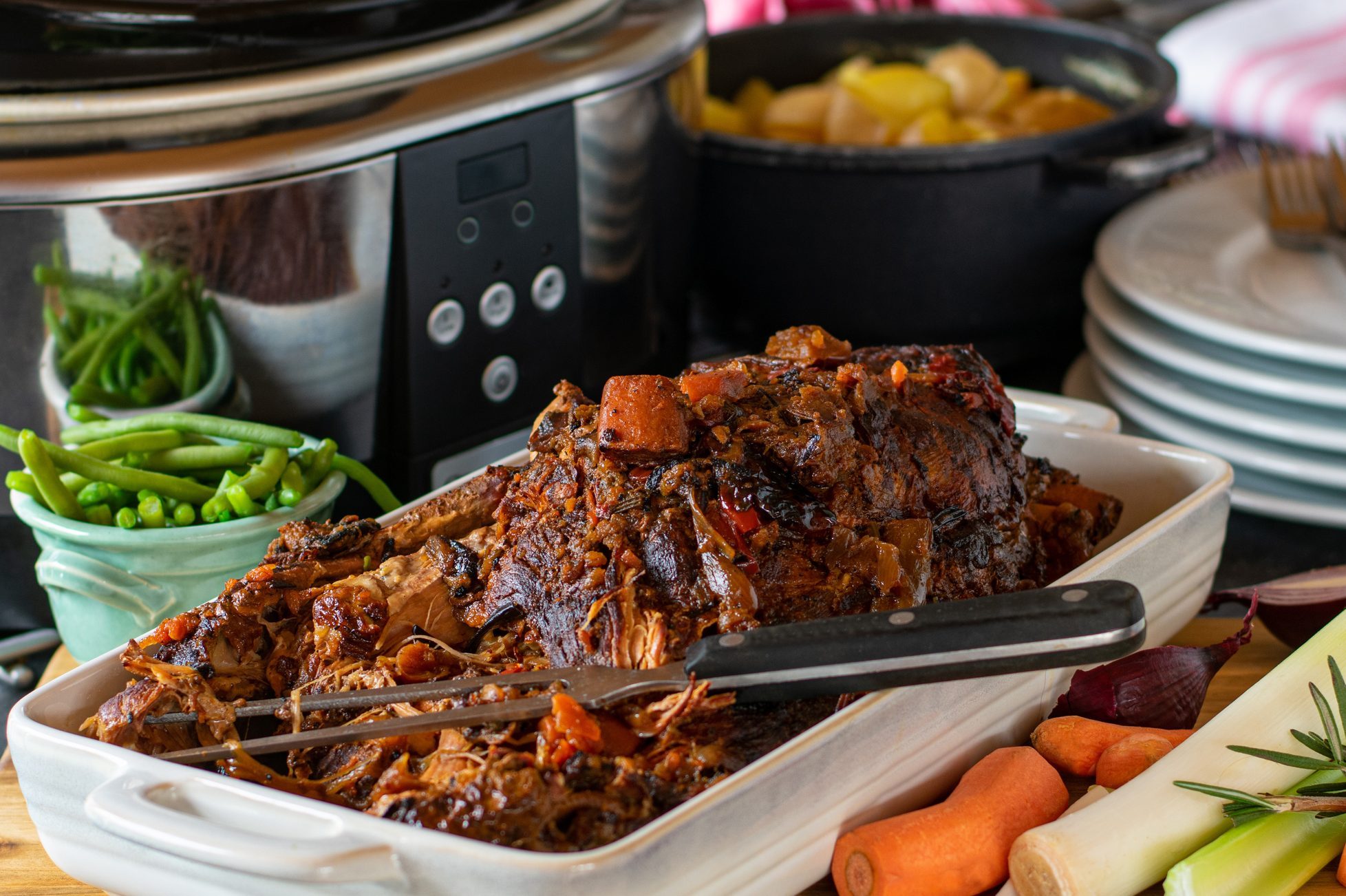
The base of your slow cooker sits directly on the heating element. That makes it the hottest zone. For this reason, when you want to soften tough vegetables in a slow cooker—think parsnips, beets, rutabagas, and potatoes—put them in first. Placing dense vegetables at the bottom keeps them in the hottest spot and submerged in hot liquid for the whole cook.
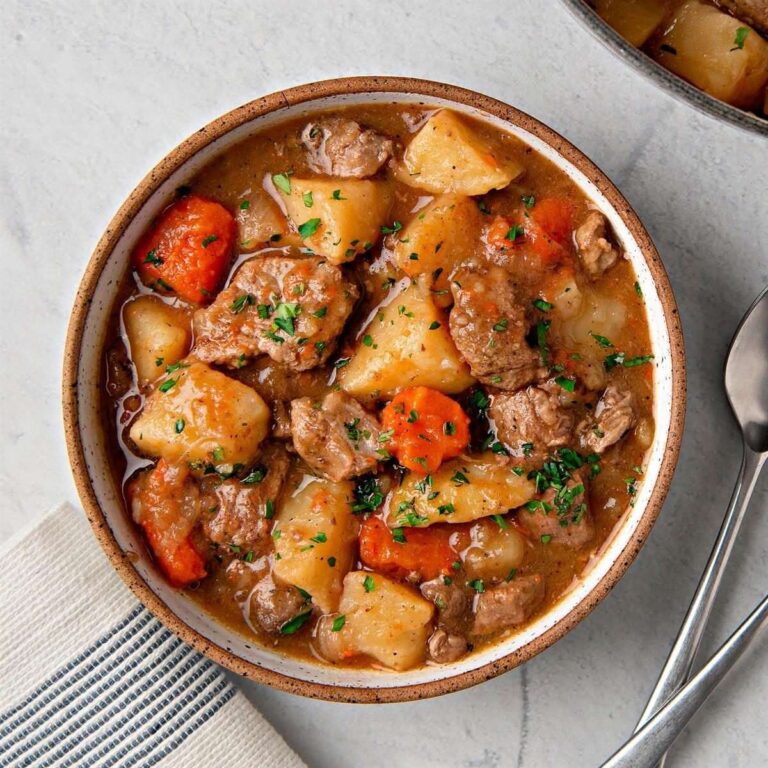
Layering is a common mistake. If you pile carrots on top of a heavy roast, they may never hit the temperature they need to break down starches and pectin. I learned this the hard way. Putting root vegetables at the bottom creates a thermal foundation. They soak up juices and soften while meat cooks above. This simple placement tip alone fixes more than half of undercooked-vegetable problems.

Mastering the Cut for Even Cooking
Uniform cuts matter. If some pieces are large and others tiny, you’ll end up with a mix of mushy and raw bites. I recommend one-inch cubes for most root vegetables. This size softens at a steady rate in a slow cooker.
If you expect a very long cook (8–10 hours), cut pieces slightly larger so they hold their shape. If you want a stew that thickens, cut some vegetables small to break down into the broth. But don’t mix wildly different sizes in the same pot.
Best cuts for common vegetables
- Potatoes: 1–1½ inch cubes for 6–8 hour cooks.
- Carrots: 1-inch rounds or batons; larger for very long cooks.
- Parsnips & turnips: 1-inch chunks to match potatoes.
- Beets: slightly smaller if you want them fully tender in 6–8 hours.
Consistency lets heat penetrate evenly. If you are worried about vegetables falling apart, pick a slightly larger size. If you want them to dissolve into the sauce, cut them small. These choices control final texture every time.
The Role of Liquid and Acidity
Liquid choice affects both flavor and texture. Water works, but broth or stock adds depth while the vegetables soften. More important is acid. Ingredients like tomatoes, wine, lemon, or vinegar can slow softening. Acid firms pectin in cell walls and can make vegetables stay crisp longer.
If a recipe includes acidic ingredients, add them near the end. I once added a lot of balsamic vinegar at the start of a long cook and ruined a batch of carrots. They stayed unpleasantly crisp after eight hours. Timing acidic additions can make or break how to soften tough vegetables in a slow cooker.
How much liquid?
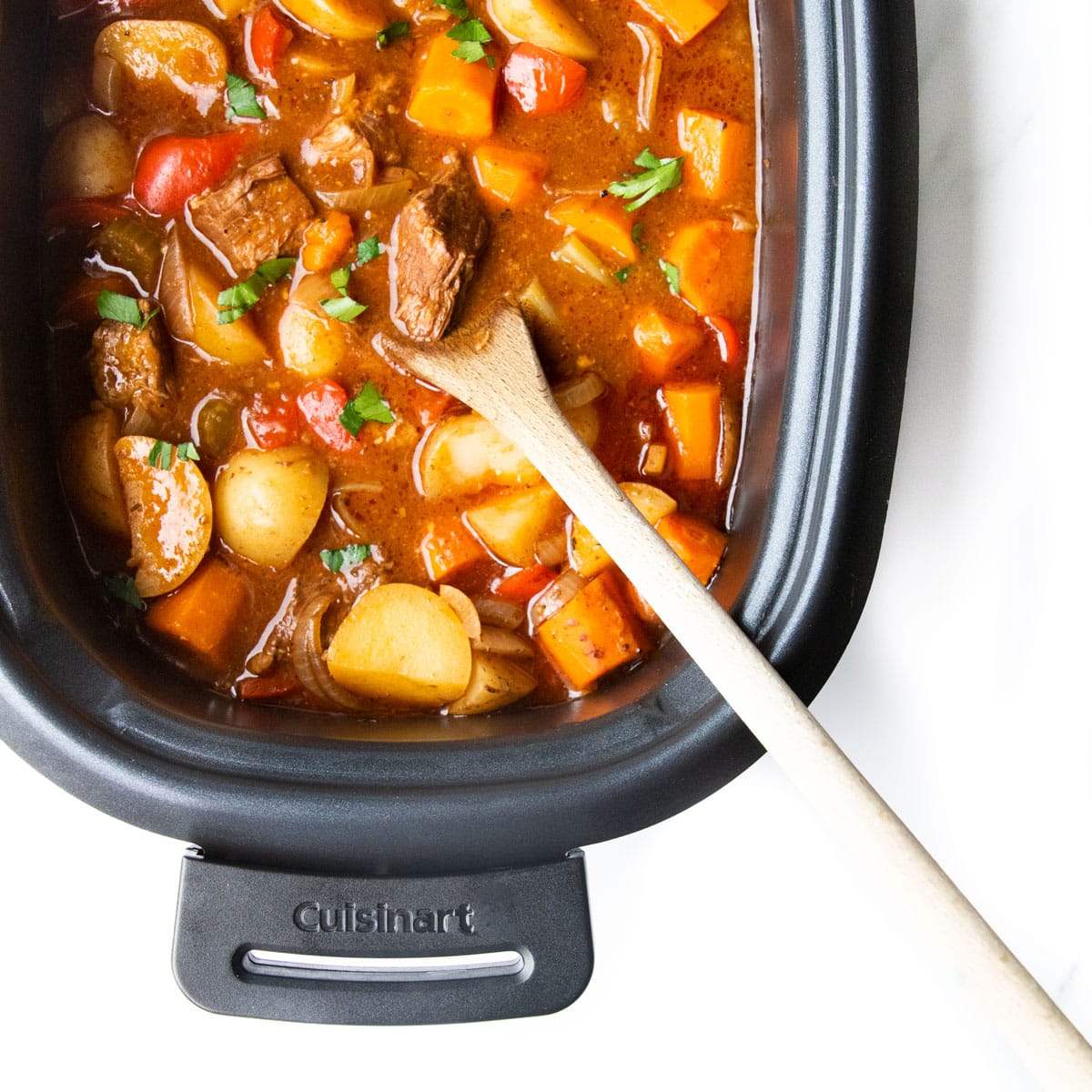
Cover the vegetables with liquid or make sure they sit in at least an inch of broth. Slow cookers lose less moisture than ovens, so you don’t need a lot. But vegetables should be in contact with hot liquid for even softening.
Troubleshooting Softening Issues
If vegetables are still firm when the timer goes off, try switching the slow cooker to high for 20–30 minutes. That burst of heat often finishes the job without overcooking other ingredients.
Also avoid overcrowding. A packed slow cooker cannot circulate heat well. Leave space for liquid to move between pieces. This helps maintain steady temperatures and softens tough vegetables in a slow cooker more effectively.
Quick fixes
- Cut leftover large pieces into smaller chunks and cook 30–60 minutes more on high.
- Add a splash of hot broth and stir gently to expose more surface area to heat.
- Use a hand blender for part of the batch to thicken the broth and make small bits tender.

Frequently Asked Questions
Can I soften frozen vegetables in a slow cooker?
Yes. Frozen vegetables thaw quickly and usually need less time than raw ones. Add frozen varieties in the last hour of cooking to avoid mushiness. This tip works well for peas, mixed vegetables, and frozen corn.
Why are my potatoes still hard after six hours?
They were likely placed on top of other ingredients or not covered by liquid. Always put root vegetables at the bottom and make sure liquid reaches them. Also check your slow cooker’s heat: “low” on one model can be different from another.
Do I need to peel all tough vegetables before slow cooking?
You don’t have to. Skins add nutrients and texture. Scrub well if you leave them. Peeling helps liquid reach the flesh faster and can speed softening. It’s a choice based on texture preference.
Does salt prevent vegetables from softening?
Too much salt early can draw moisture out and firm vegetables slightly. I prefer seasoning with herbs and spices first and adding most salt at the end. This keeps vegetables tender while still well seasoned.
Can I soften vegetables using only steam?
Steaming is possible but less effective than submerging in broth or sauce. Slow-cooker softening relies on both heat and moisture transfer. Liquid contact helps break down starches and pectin more reliably than steam alone.
Cooking Times & Temperature Guide for Common Roots
Here are rough slow-cooker times to help plan your meals. Times vary by slow cooker and cut size, so treat these as starting points.
- Potatoes (1-inch cubes): 4–6 hours on low or 2–3 hours on high.
- Carrots (1-inch pieces): 4–6 hours on low; 2–3 hours on high.
- Parsnips/Turnips: 5–7 hours on low for larger pieces.
- Beets (medium pieces): 6–8 hours on low for full tenderness.
If you need them done faster, cut smaller and use high heat. For very long cooks, cut larger to avoid mush.
Additional Tips from My Test Kitchen
I test gadgets and recipes a lot. Here are extra things I use to make slow-cooker vegetables turn out every time.
- Preheat the slow cooker with hot water for 10 minutes before adding ingredients to reduce start-up time.
- Brown meats separately. A cold roast on top of vegetables can shield them from heat.
- Layer root vegetables directly on the base, then add meat and liquid. This encourages even softening and better flavor exchange.
- Save acidic ingredients and fresh herbs for the last 30–60 minutes to preserve brightness and avoid toughening.
- Test doneness with a fork. If it slides in easily, the vegetable is tender. If not, add 20–30 minutes on high and check again.
Conclusion
Achieving fork-tender vegetables in a slow cooker is a skill that lifts any stew or pot roast. Place dense vegetables at the bottom, cut pieces uniformly, and manage acidic ingredients. Use the right liquid and avoid overcrowding. With these tips on how to soften tough vegetables in a slow cooker, you’ll get consistent, tasty results.
Try a root vegetable stew this weekend and notice the difference. If you found these tips helpful, please share your favorite slow cooker recipe in the comments below.

Appliance Review Expert
Lucas Ramirez is a trusted voice at HomeFixGrid.com, known for his clear, practical, and creatively written guides that simplify appliance care for everyday homeowners. With a strong focus on hands-on testing and real-world problem-solving, Lucas brings expert insight into appliance reviews and troubleshooting techniques. Her work empowers readers to confidently maintain, repair, and choose the right appliances for their homes.