Can You Cook Buldak Noodles In The Microwave: 2026 Guide
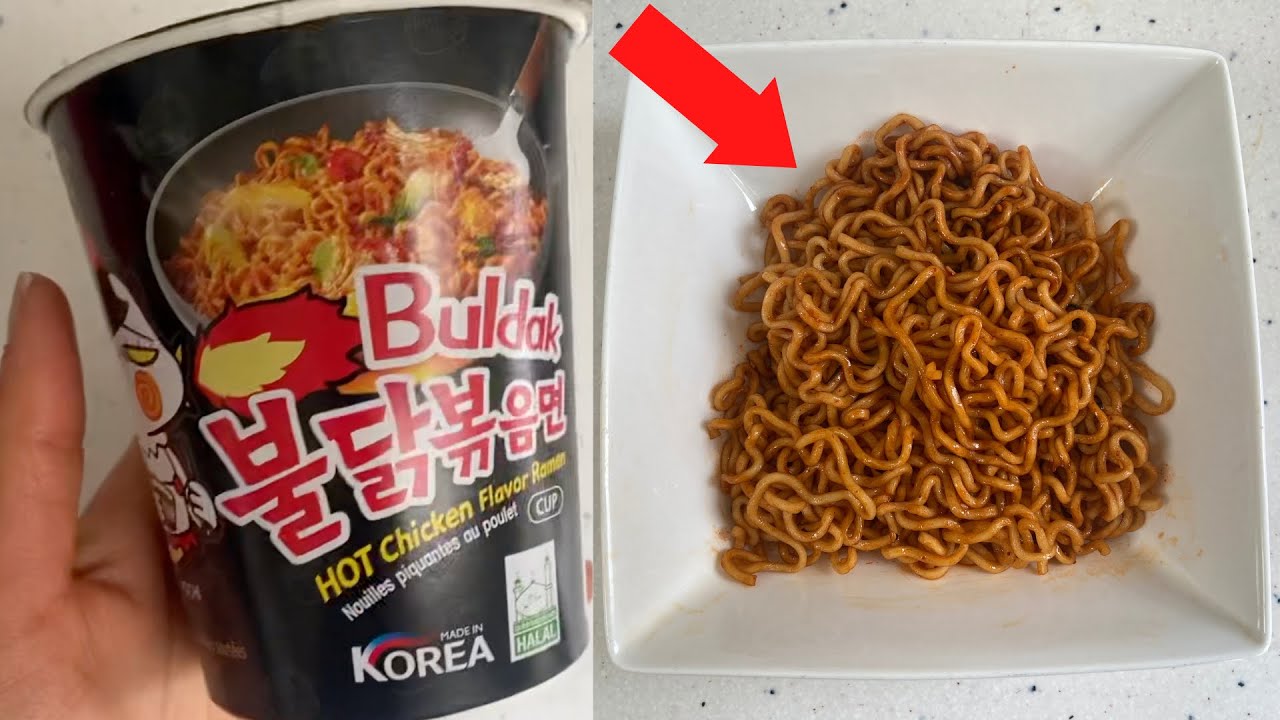
Yes, you can cook Buldak noodles in the microwave safely, provided you use a microwave-safe bowl and sufficient water.
When I first tried to prepare my favorite spicy ramen in a dorm room, I quickly learned that convenience does not have to sacrifice quality. Many fans of these viral spicy noodles wonder if they can cook Buldak noodles in the microwave without ending up with a mushy, uneven mess. As someone who has satisfied many late-night cravings using nothing but a microwave, I can tell you that getting that perfect, chewy texture is entirely possible if you follow a few clear steps. In this guide I’ll share my tried-and-true microwave method, safety tips, troubleshooting fixes, and tasty add-ins so you can enjoy spicy Samyang-style ramen anytime.

Why Microwaving Buldak Noodles Works
Buldak (often sold under the Samyang Buldak or Buldak Bokkeum Myun name) are instant stir-fry noodles. Unlike dry pasta, these noodles are pre-processed and meant to rehydrate quickly. In short: they already soften easily with hot water. A microwave speeds this up by heating water molecules directly, so the noodle strands hydrate and become chewy fast.
The microwave method also cuts cleanup time. No pot, no strainer—just one large bowl. The main thing to watch for is water level. Too little water leaves hard, undercooked spots. Too much water can dilute the sauce when you drain. With the right bowl size and timing, you can keep the texture springy and avoid the soggy or mushy trap that often scares people away from microwaving instant noodles.

How to Prepare Buldak Noodles in the Microwave
To get consistent results, follow a repeatable method. This gives you the firm-yet-springy bite that Buldak fans expect. Below is my recommended microwave method, tuned for most 700–1200W microwaves. Adjust time slightly if your microwave is much weaker or stronger.
- Place the dried noodle block into a large microwave-safe bowl (glass or ceramic works well).
- Pour room-temperature water over the noodles to fully cover them. Aim for 400–500 ml depending on bowl size and noodle block thickness.
- Microwave on high for 3 to 4 minutes total.
- Stop the microwave at the halfway point (about 1.5–2 minutes) and stir the noodles. This helps them cook evenly and prevents clumping.
- Carefully remove the hot bowl with oven mitts; it will be hot.
- Drain most of the water, leaving 1–3 tablespoons to help the sauce cling to the noodles. Use a lid or a fine strainer to avoid burning yourself.
- Add the spicy sauce packet and dried flakes, then mix vigorously until every strand is coated. Taste and adjust—add more leftover water spoonfuls if the sauce seems too thick.
Tip: If you prefer a saucier dish, keep a bit more water. For a dryer, chewier stir-fry style, drain more thoroughly. Small adjustments make a big difference to texture and mouthfeel.

Tips for the Perfect Microwave Experience
Over the years I’ve learned a few reliable tips that make microwave Buldak noodles turn out great every time. These are practical, low-effort moves that protect texture, flavor, and your microwave.
- Use a bowl at least twice the volume of the noodle block. Rapid boiling can cause overflow and mess.
- Stir halfway through cooking. Noodles at the edges cook faster than the center; stirring keeps the texture uniform.
- Never microwave the sauce packet or seasoning sachets. Some liners contain metals that can spark and damage your microwave.
- Add protein or dairy near the end of cooking. Crack an egg or place a slice of cheese in the final minute. The egg poaches in the hot water; cheese melts and softens the heat.
- Thinly slice add-ins so they cook in the short microwave time—spinach, mushrooms, scallions, and pre-cooked meats work best.
Common Add-ins and Variations
I like to customize my bowl. Here are simple ideas that pair well with Buldak-style sauce:
- Egg (poached or scrambled into the hot noodles).
- Slice of processed cheese for creaminess.
- Spinach or bok choy added before microwaving—wilts quickly.
- Canned tuna or leftover grilled chicken—add after heating to warm through.
- Sesame seeds, chopped green onions, or roasted seaweed for garnish and texture.
Microwave Safety and Best Practices
Cooking in the microwave is fast, but safety matters. Follow these practices to avoid hazards and to keep your food tasty.
- Check packaging: If your noodle cup says “microwave-safe,” you can use it. If not, transfer noodles to a microwave-safe bowl.
- Never microwave metal or foil. That includes some sachet linings—always remove sauce packets from the bowl before heating.
- Use oven mitts when removing the bowl. Hot steam can cause burns when you lift lids or strain water.
- Place the bowl on a microwave-safe plate to catch spills; this keeps the cavity cleaner and reduces the risk of burnt-on messes.
- If water starts to boil aggressively, stop the microwave and let it settle a few seconds before resuming. This prevents boil-overs.
Frequently Asked Questions of can you cook buldak noodles in the microwave
Is it safe to microwave the noodles in their original cup?
Yes, you can cook Buldak noodles in the microwave if they come in a paper cup labeled microwave-safe. Always check the packaging first to confirm it does not contain aluminum foil, metal cups, or restricted materials. When in doubt, transfer to a glass or ceramic bowl.
Why are my microwave noodles chewy or hard?
Your noodles are likely undercooked because you did not use enough water or your microwave power is low. Try adding more water and increasing cooking time by 30-second increments. Also stir at the halfway mark to expose all strands to hot water.
Can I add extra vegetables while microwaving?
Yes. Thin vegetables like spinach, sliced mushrooms, scallions, or shredded carrots work well. Add them before microwaving so they steam with the noodles. Harder vegetables (e.g., raw potato or thick carrot slices) need pre-cooking.
Does the microwave affect the flavor of the spicy sauce?
No—microwaving the noodles does not change the flavor of the sauce if you add it after cooking. You should add sauce only after draining, since heating the sauce directly can cause burning, oil separation, or splattering.
How do I prevent the water from boiling over in the microwave?
Use a bowl at least twice the size of the noodle block, and don’t overfill with water. Placing a microwave-safe plate under the bowl will catch spills. Stirring halfway through helps release trapped steam and minimizes boil-overs.
What about microwave power differences?
Microwave wattage affects time. A 700W microwave may need an extra 30–60 seconds; a 1200W one may need less. Start with the recommended 3–4 minutes, then adjust in 30-second steps while monitoring texture.
How do I drain the noodles safely?
Hold a lid or a large spatula over the bowl and pour carefully, or use a fine-mesh strainer. Keep your face and hands away from the steam. Leave 1–3 tablespoons of water in the bowl to help the sauce coat the noodles.
Troubleshooting Common Microwave Noodle Problems
Here are quick fixes for issues you might meet:
- Mushy noodles: Drain too little water or overcook. Reduce microwave time by 30 seconds next time and drain more.
- Undercooked center: Stir halfway and add 15–30 seconds more. Increase water slightly so the center can hydrate.
- Sauce not sticking: Keep a small amount of cooking water in the bowl. The starch in the water helps the sauce cling.
- Boil-over mess: Use a bigger bowl and lower the water level. Stop and stir if bubbling gets vigorous.
Conclusion
Cooking Buldak noodles in the microwave is a simple, fast way to get spicy, satisfying ramen without a stove. Use a large, microwave-safe bowl, cover noodles with enough water, and stir halfway through. Drain most of the water, leave a little for the sauce, and mix vigorously for even coating. Personalize with eggs, cheese, vegetables, or leftover proteins to make it your own.
Now that you have the knowledge to perfect your quick meal, grab your favorite flavor and give this method a try today. If you found this guide helpful, leave a comment below sharing your favorite way to spice up your instant noodles.

Appliance Review Expert
Lucas Ramirez is a trusted voice at HomeFixGrid.com, known for his clear, practical, and creatively written guides that simplify appliance care for everyday homeowners. With a strong focus on hands-on testing and real-world problem-solving, Lucas brings expert insight into appliance reviews and troubleshooting techniques. Her work empowers readers to confidently maintain, repair, and choose the right appliances for their homes.