How To Use Slow Cooker For Breakfast Meal Prep: 2026 Guide
Using a slow cooker for breakfast meal prep involves setting ingredients to cook overnight, providing a ready-to-eat morning meal. Mastering this kitchen hack transforms your morning routine from a frantic dash into a peaceful start. As someone who has spent years perfecting the art of batch cooking, I know firsthand that the secret to a stress-free morning isn’t waking up earlier; it’s letting your appliances do the work while you sleep. By leveraging the low-and-slow heat of a slow cooker for breakfast meal prep, you can ensure a nutritious, hot breakfast is waiting for you the moment you step into the kitchen.

Why Slow Cooker Breakfast Meal Prep Works
The main advantage of using a slow cooker for breakfast meal prep is time. You prep once at night and wake to a hot, ready meal. This cuts out rushed mornings and lowers the chance you skip breakfast. Slow cookers are ideal for batch cooking. They hold heat well and use low, steady temperatures. That makes them perfect for dishes like steel-cut oats, breakfast casseroles, strata, and porridge.
I learned this by trial and error. My first veggie egg bake turned soggy because I added too much liquid. That taught me a key lesson: balance moisture and time. Use the right amount of liquid and the correct setting. Once you dial in your favorite recipes, batch cooking breakfast becomes simple. You get consistent texture, reliable flavor, and the convenience of meal prep for busy weekdays.

Essential Tips for Success
Good results come from a few simple rules. Follow these to get the best texture and flavor from your slow cooker breakfast meal prep.
1. Prep the night before
Chop vegetables, grate cheese, and measure liquids in advance. Put ingredients in labeled containers. That makes morning assembly quick. I often mix dry spices the night before. In the morning I just add wet ingredients and start the cooker.
2. Grease the insert well
Slow cookers can stick around the edges. A thin layer of butter or nonstick spray prevents burning and speeds cleanup. Slow cooker liners work great if you want near-instant cleanup.
3. Watch moisture and ratios
Too much liquid makes egg dishes runny. Too little makes oats dry. For steel-cut oats, I use a 1:4 ratio — one cup oats to four cups liquid. For casseroles, slightly under-moist mix prevents sogginess. If you need guidance, follow the common ratios in the recipes below and adjust by 10–15% after testing once.
4. Use correct temperature and timing
Most breakfast recipes need 6–8 hours on low. If your model runs hot, try a plug-in timer to stop cooking before food dries out. Use “low” for overnight cooking to let food heat slowly. For faster results, use “high” for 3–4 hours, but check texture and doneness more often.
5. Food safety and temperature checks
Always place the slow cooker on a heat-proof surface and away from flammable items. Use a digital food thermometer to confirm doneness: egg dishes should reach about 160°F (71°C) and reheated food should reach 165°F (74°C). Avoid adding frozen large pieces of meat; thaw first so food comes up to a safe temperature quickly.
6. Small tools that help
- Plug-in timer to control start/stop times.
- Slow cooker liners for easy cleanup.
- Digital thermometer for safe internal temps.
- Rubber spatula for gentle stirring and serving.
These small steps reduce mistakes. They help you make consistent meals that fit your diet and taste.
Popular Recipes to Try
Slow cookers make many breakfast recipes easier and more consistent. Here are my top picks along with short tips to get great results.
Steel-cut oats (overnight slow cooker oats)
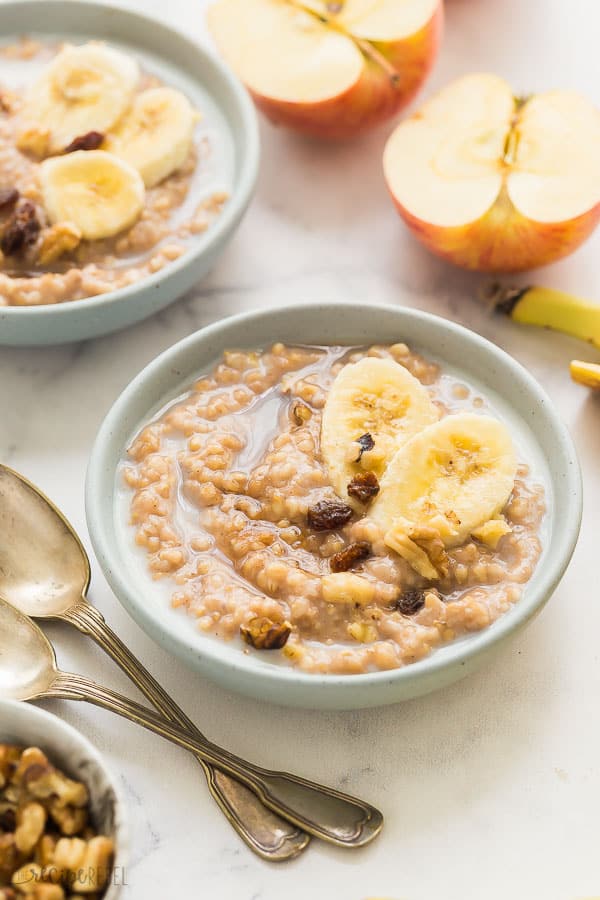
Steel-cut oats are a go-to for slow cooker breakfast meal prep. They keep their texture and taste great reheated. Use one cup oats to four cups liquid (water, milk, or plant milk). Add a cinnamon stick or a teaspoon of vanilla. Cook on low for 6–8 hours. Finish with fresh fruit, nuts, or nut butter for healthy toppings.
Slow cooker egg casserole / strata
For a savory option, layer cubed bread, whisked eggs, milk, cheese, spinach, mushrooms, and cooked breakfast meat (sausage or bacon). Cook on low for around six hours. If you want vegetarian, skip meat and add more veggies and herbs. Test the center with a thermometer. It should be set and 160°F (71°C) for safety.
Breakfast quinoa or millet porridge
You can adapt grains like quinoa or millet to the slow cooker. Use a ratio near 1:3 grain to liquid and cook on low for 4–6 hours. Add fruit, maple syrup, and spices after cooking. These grains add protein and fiber to your breakfast rotation.
Overnight slow cooker breakfast burrito filling
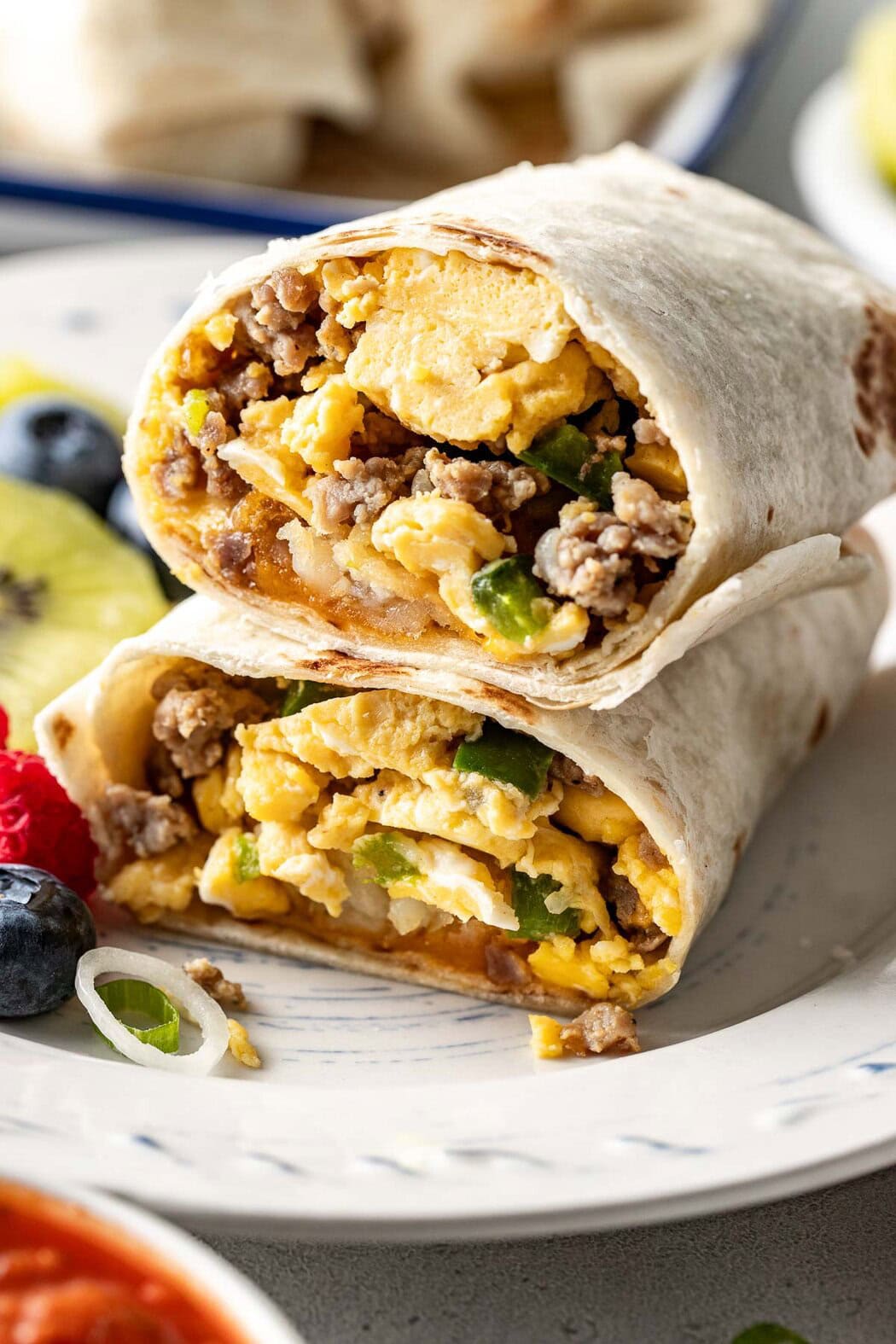
Cook a mix of eggs (or egg substitute), diced potatoes, peppers, onions, and chorizo or turkey sausage. Use low for 4–6 hours. Wrap in tortillas in the morning for grab-and-go burritos. Freeze portions for up to 1 month. Reheat to 165°F (74°C) before eating.
Remember: these recipes are flexible. Swap milk for almond milk, use gluten-free bread, or choose plant-based proteins. The slow cooker adapts well to dietary needs.
Frequently Asked Questions of how to use slow cooker for breakfast meal prep
Can I leave my slow cooker on overnight?
Yes, slow cookers are designed to operate safely for extended periods when left unattended. Ensure your appliance is placed on a heat-resistant surface away from flammable materials.
Does the food get mushy during long cook times?
Certain ingredients like oats or diced potatoes hold up well, but delicate vegetables should be added near the end if possible. Using steel-cut oats instead of rolled oats is the best way to maintain texture during long sessions.
How do I clean the slow cooker easily after breakfast?
Soak the insert in warm, soapy water immediately after serving to loosen any stuck-on residue. Using a slow cooker liner is another effective way to make cleanup nearly instantaneous.
Can I cook frozen ingredients in the slow cooker?
It is generally safer to thaw ingredients before adding them to the pot to ensure they reach a safe internal temperature quickly. Cooking frozen items can lead to an uneven cook and potential food safety risks.
What is the ideal ratio for slow cooker porridge?
A standard ratio for steel-cut oats is one part oats to four parts liquid. Adjust this based on your preferred consistency, adding more liquid if you enjoy a thinner, soupier breakfast.
How long will slow cooker breakfasts keep in the fridge?
Store cooked breakfast dishes in airtight containers. Most cooked egg casseroles, grain porridges, and oat dishes keep well refrigerated for 3–4 days. Reheat portions to 165°F (74°C) before eating. For longer storage, freeze in meal-sized portions for up to one month.
Can I scale recipes for meal prep and batch cooking?
Yes. Most slow cooker recipes scale well. If your slow cooker is full, reduce cook time slightly and monitor texture. For safety, avoid overfilling past 2/3–3/4 full. Use multiple cookers or cook in batches if you need larger quantities.
Are slow cooker liners safe to use?
Slow cooker liners are convenient and approved for many models. They reduce cleaning time and help prevent sticking. Always follow the liner manufacturer’s instructions and avoid using liners at very high temperatures if not rated for them.
Storage, reheating, and meal-prep workflow
Here’s a simple workflow I use when batch cooking breakfast for the week:
- Night before: chop veggies, cook and cool proteins, measure grains.
- Before bed: assemble the slow cooker (or prepped containers) and set timer or start on low.
- Morning: transfer to storage containers, portion, and refrigerate any leftovers after cooling.
- Reheat: microwave or stove to 165°F (74°C) before eating, or grab a chilled portion for a quick toast or sandwich.
This flow saves time and cuts morning decisions. It also makes it easier to stick to a healthy routine.
Conclusion
Embracing the slow cooker for breakfast meal prep is a game-changer for anyone looking to reclaim their mornings. By combining simple, nutritious ingredients the night before, you set yourself up for a successful day without the usual stress. Start with a basic oatmeal or egg dish this week to see how much time you save. I encourage you to experiment with your own flavor combinations and share your favorite results with us. Consistency is the key to building any healthy habit, so give this method a try and enjoy the luxury of a stress-free, hot breakfast every single day.

Appliance Review Expert
Lucas Ramirez is a trusted voice at HomeFixGrid.com, known for his clear, practical, and creatively written guides that simplify appliance care for everyday homeowners. With a strong focus on hands-on testing and real-world problem-solving, Lucas brings expert insight into appliance reviews and troubleshooting techniques. Her work empowers readers to confidently maintain, repair, and choose the right appliances for their homes.