How To Maintain Texture In Slow Cooker Stir Fry: 2026 Expert Tips
To maintain texture in slow cooker stir fry meals, add vegetables during the final hour of cooking.
We have all been there. You set your slow cooker in the morning, dreaming of a savory, vibrant stir fry, only to open the lid eight hours later to find a pile of mushy vegetables and overcooked proteins. I’ve cooked this way for years. I’ve tested many ideas. The main problem is heat intensity and timing. A slow cooker uses low, steady heat. That is great for stews. It is not ideal for quick-cooking vegetables. When you learn how to maintain texture in slow cooker stir fry meals, you can turn a soggy dinner into a crisp-tender crowd-pleaser. Below are clear, practical tips that I use every week.
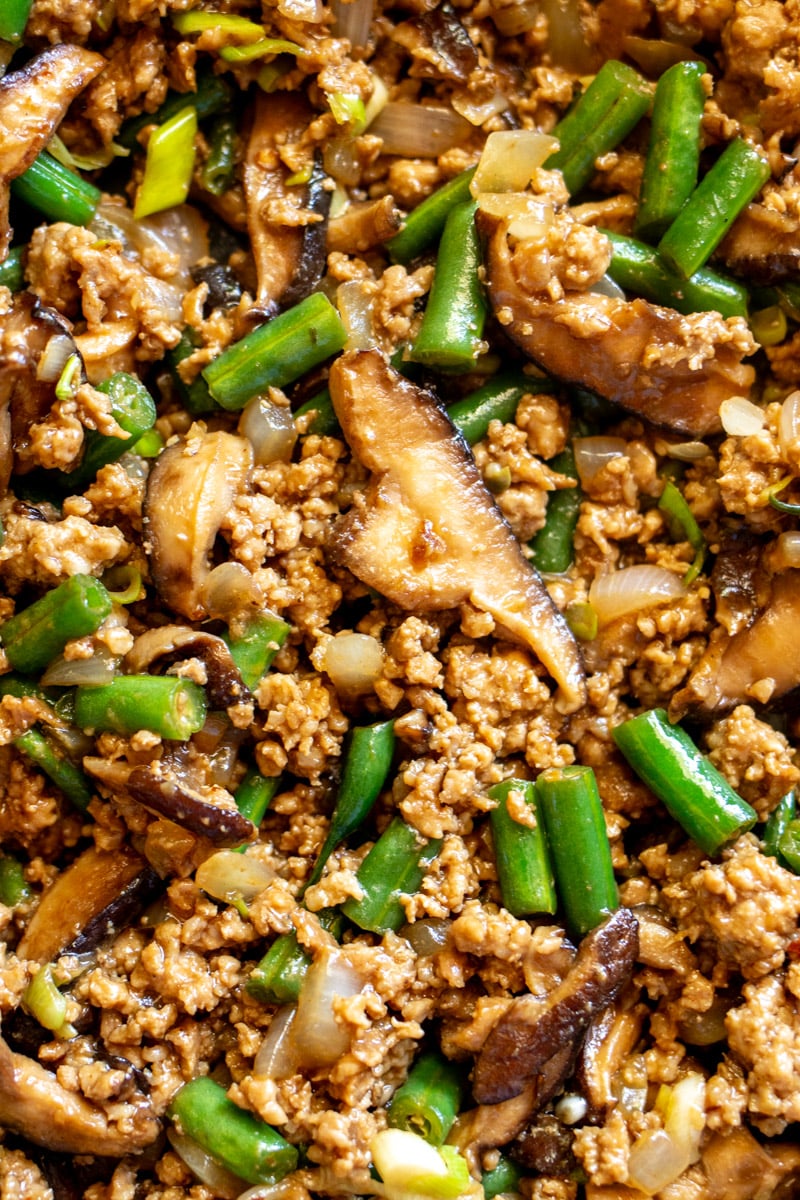
Why Texture Often Fails in Slow Cookers
The primary reason your stir fry loses its appeal in a slow cooker is constant, prolonged exposure to moisture and heat. Unlike a wok, which uses high heat to sear and lock in texture, a slow cooker breaks down vegetable cell walls over time. That is great for tough cuts of beef. It is the enemy of peppers, broccoli, and snap peas.
When I first tested slow cooker stir fry recipes, I made the common mistake of tossing everything in at once. The result was limp vegetables and gray meat. I learned to treat proteins and produce as two parts of the same dish. Proteins need long, gentle heat to become tender. Vegetables need a short time in steam to stay crisp-tender.

Staggering Your Ingredients for Perfect Results
Staggered cooking is the key to texture. It means adding ingredients at different times. This keeps vegetables from stewing all day. It also helps sauces stay bright and glossy.
My step-by-step approach
- Sear proteins first. Use a skillet to brown meat or tofu. This builds flavor and improves texture.
- Cook aromatics in the slow cooker liquid. Add garlic and ginger early to flavor the base.
- Add dense vegetables midway. Think carrots and baby corn. They need more time than greens.
- Add delicate vegetables last. Add bell peppers, snow peas, and bok choy in the final 30–60 minutes.
Timing guide: quick reference for common ingredients
- Meat (beef, pork, chicken): start to finish in the cooker. Sear first for best flavor.
- Root veg (carrots, parsnips): add halfway through a 6–8 hour low cook or 3–4 hours on high.
- Broccoli, cauliflower: add in the last 30–60 minutes.
- Bok choy, snow peas, bell peppers: add in the final 15–45 minutes, depending on thickness.
- Frozen vegetables: add in the final 10–15 minutes after thawing and draining.
Also, keep the lid closed as much as possible. Each lid lift drops the internal heat. That lengthens cook time. It can make vegetables overcook. Close the lid to trap steam and finish the final additions quickly. This small habit helps maintain texture in slow cooker stir fry meals and keeps dishes tasting fresh rather than boiled.
Choosing the Right Vegetables
Not all produce handles long cooking the same way. To maintain texture in slow cooker stir fry meals, pick vegetables that hold up. Root vegetables and sturdy cruciferous produce do well. Soft, water-heavy veggies tend to fall apart.
Try these reliable choices. They help keep a crisp-tender bite and good color.
- Broccoli florets: cut into larger, uniform pieces so they stay firm.
- Carrots: slice into thick rounds or batons to avoid strings.
- Bamboo shoots and water chestnuts: great for crunch. They keep texture even with heat.
- Bell peppers: cut into wide strips. Thin slices will dissolve into the sauce.
- Green beans or snap peas: add near the end to keep snap and color.
If you want softer veg, add them earlier. If you want crisp veg, add them late. This choice helps you control texture in every slow cooker stir fry recipe.
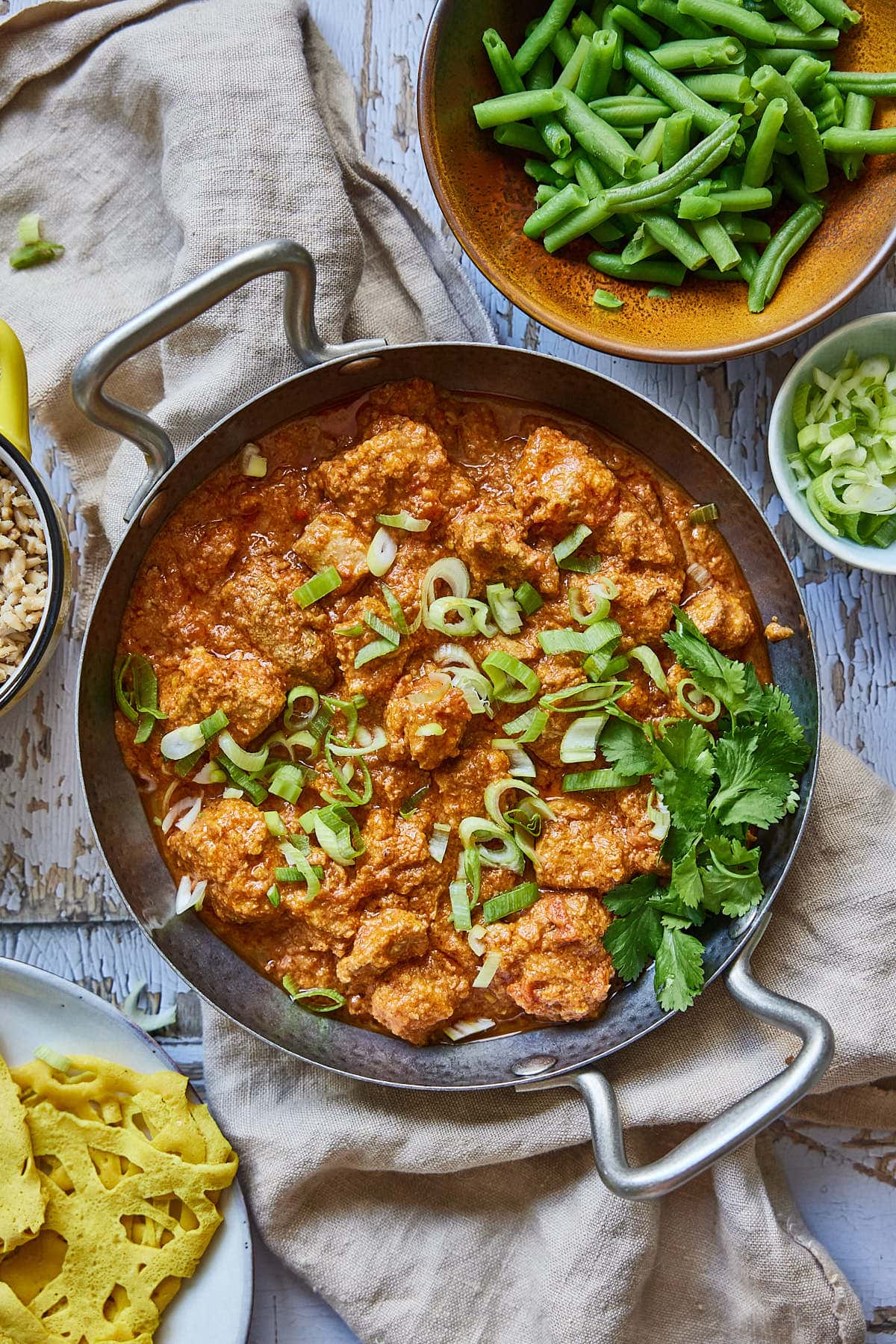
Managing Moisture and Sauce Consistency
A common oversight is adding too much liquid at the start. When you want to maintain texture in slow cooker stir fry meals, use less liquid than you expect. Vegetables release water as they cook. A flooded pot means you end up with soup, not stir fry.
I like to add most of the sauce ingredients early, but hold back thickeners. I mix a cornstarch slurry only in the final 20–30 minutes. This does two things. It thickens the sauce. It also gives a glossy coating that helps protect vegetables and proteins. That coating keeps ingredients from drying out or getting soggy.
Practical tips for sauce and moisture control
- Start with 25–30% less liquid than a pan recipe calls for. Add more later if needed.
- Use concentrated sauces (soy, oyster, hoisin) for flavor without excess water.
- Add a splash of rice vinegar or lime at the end. Acid brightens flavor and helps color retention for greens.
- Thicken with cornstarch or arrowroot mixed with cold water. Stir it in during the last 20–30 minutes.
- Drain frozen veg before adding. That cuts extra water.

Frequently Asked Questions of how to maintain texture in slow cooker stir fry meals
Can I prepare the sauce separately?
Yes. Making the sauce on the stove and adding it at the end is a pro trick. It stops the sauce from thinning too much. It also keeps the sauce color bright. Heat the sauce briefly to blend flavors. Then stir it in during the final 20–30 minutes.
Should I precook my meat?
Yes. Browning meat or tofu in a skillet first is worth the extra step. It adds deep flavor and color. It also helps the protein keep a better texture. You still finish it in the slow cooker for tenderness.
Why do my vegetables become mushy even when added late?
There are a few reasons. You may be cooking on high too long. You may open the lid too often. Each time you lift the lid, you drop heat and add time. Also, very thin cuts will overcook fast. Cut vegetables in larger, uniform pieces to avoid mush.
Can I use frozen vegetables?
You can use frozen vegetables. Add them only during the final 15 minutes of cooking. Frozen veg have extra water. Thaw and drain them first if you can. This reduces added moisture and helps maintain texture.
How do I keep the colors bright?
Short cooking times for vegetables help colors stay vivid. A little acid, like rice vinegar or lime juice, also helps. Add that acid near the end. It stabilizes chlorophyll in green vegetables and keeps them looking fresh.
Extra tips from my experience
- Cut items in uniform sizes. This ensures even cooking and avoids overdone bits.
- Use a liner if you want easy cleanup, but remember liners can change heat flow slightly. Check cook times the first few times you use one.
- If you want extra bite, finish vegetables in a hot pan for 1–2 minutes after slow cooking. This revives texture and adds a quick sear.
- Experiment with sauces and aromatics. A splash of sesame oil at the end lifts flavor without adding moisture.
Conclusion
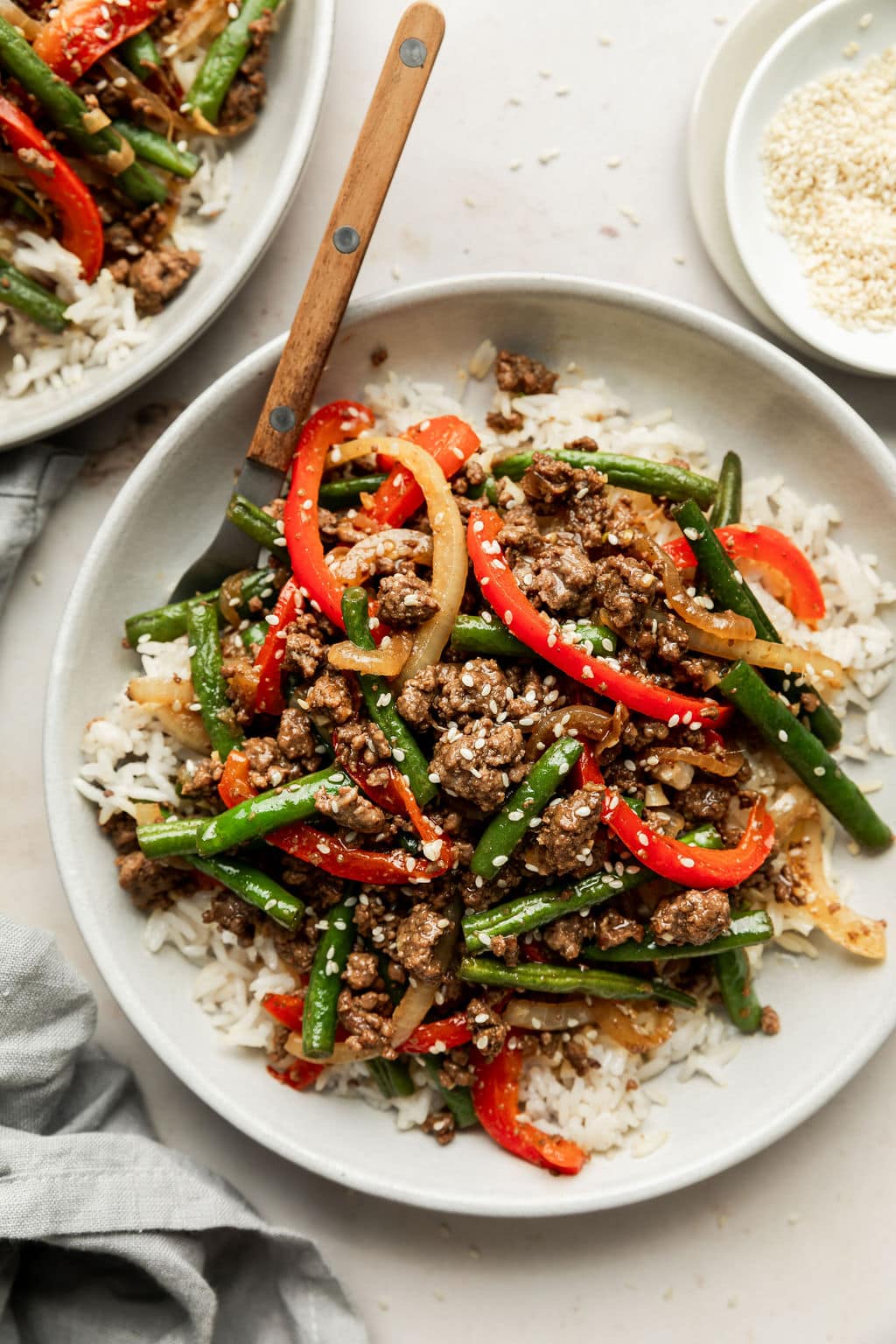
Getting a great stir fry from a slow cooker is possible. Focus on timing, texture, and ingredients. Sear proteins first. Stagger your vegetable additions. Use less liquid. Add thickeners at the end. These small steps make a big difference. Cooking should be fun. Try these tips with your favorite flavors this week. If these tips help you, share your slow cooker wins or leave a comment with your favorite stir fry combos!

Appliance Review Expert
Lucas Ramirez is a trusted voice at HomeFixGrid.com, known for his clear, practical, and creatively written guides that simplify appliance care for everyday homeowners. With a strong focus on hands-on testing and real-world problem-solving, Lucas brings expert insight into appliance reviews and troubleshooting techniques. Her work empowers readers to confidently maintain, repair, and choose the right appliances for their homes.