Why Does Metal Spark In Microwave: Safety Tips & Causes
Metal sparks in a microwave because microwaves induce electric charges that jump at sharp edges.
I’ve studied and tested microwave safety for years, and I’ll walk you through why does metal spark in microwave with clear science, practical tips, and real-world examples. You’ll learn the physics that make metal arc, which metals and shapes are risky, how to avoid damage, and what to do if sparks happen. Read on for a trusted, hands-on guide that keeps your kitchen safe and your microwave working.
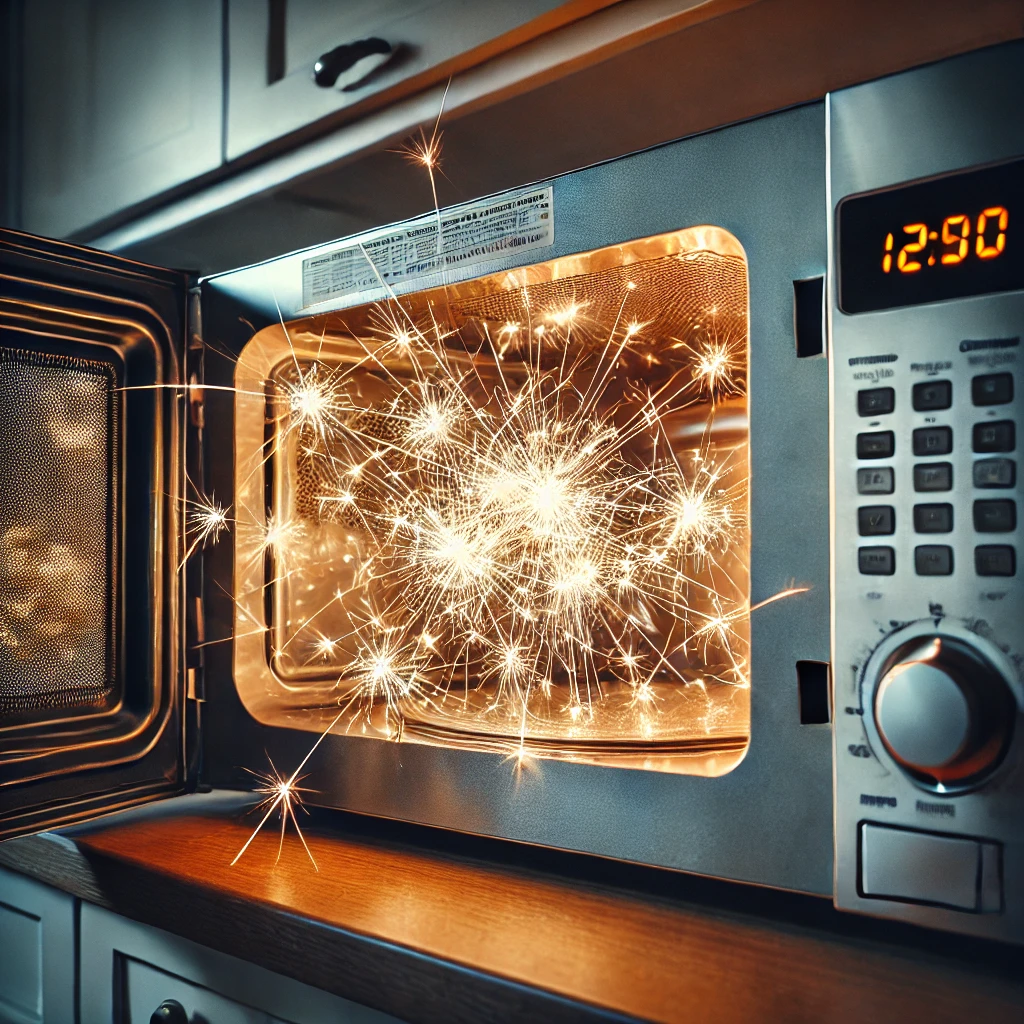
Why does metal spark in microwave: physics explained
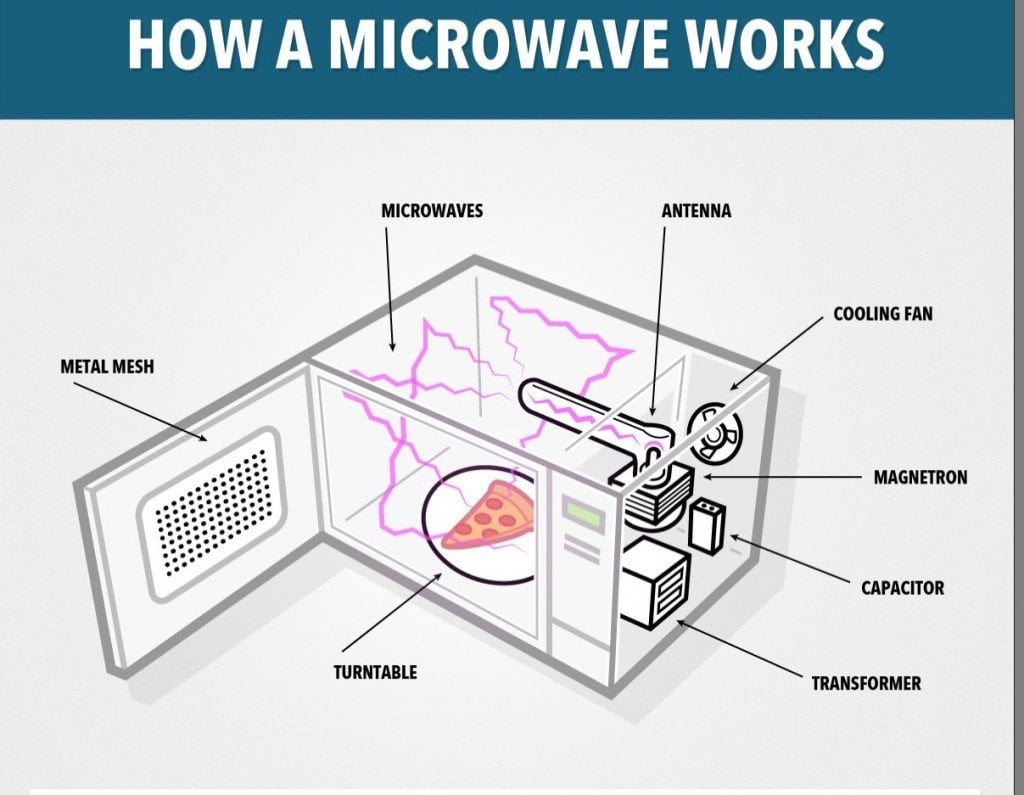
Microwaves heat food by creating alternating electric fields inside the oven. These fields push electrons in conductive materials like metal. When electrons concentrate at points or thin edges, they can jump through the air. That jump is an electrical arc and looks like a spark.
Sharp edges, thin foil, and gaps all raise the local electric field. Small metal pieces such as twist ties or crumpled foil have high field concentration. The air near those points can ionize and carry current. That ionization creates bright, hot sparks that can damage the microwave’s interior or start fires.
Microwave ovens also have metal parts designed to be safe. Those parts are usually thick, grounded, and shaped to avoid field concentration. But loose, thin, or narrow metal pieces change the field pattern and cause arcing. Understanding the physics explains clearly why does metal spark in microwave and how to avoid it.
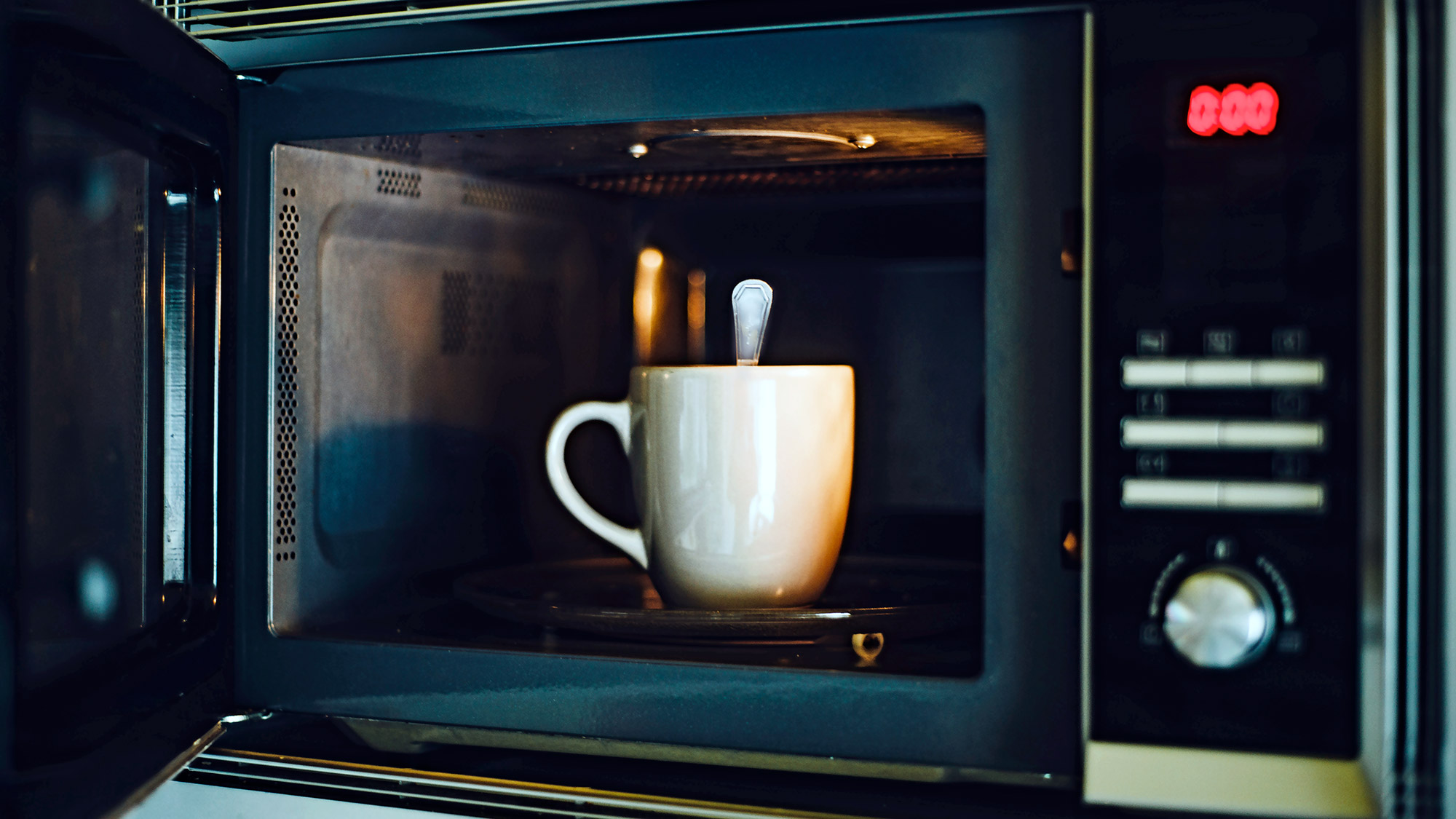
Common metals and objects that spark
Metal sparks in a microwave with many everyday items. Know which objects are risky so you can avoid surprises.
- Aluminum foil
- Thin foil concentrates fields, especially near crumpled edges.
- Metal twist ties
- The exposed wire and sharp ends cause arcing quickly.
- Utensils and forks
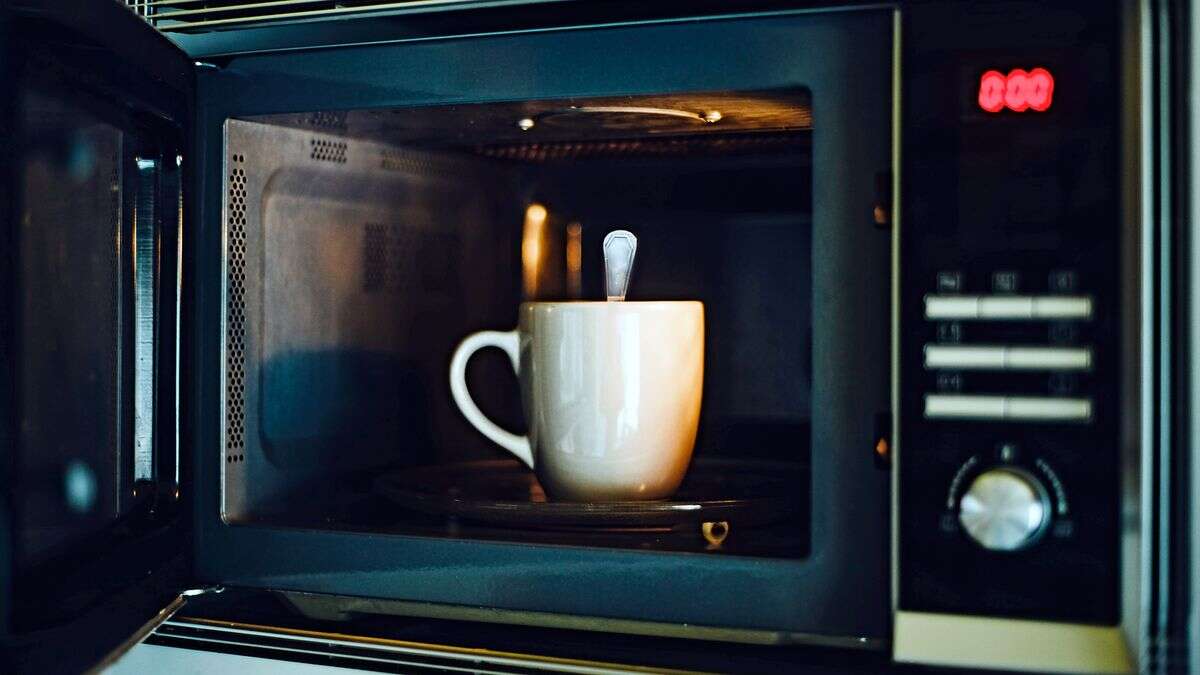
- Pointed ends and small gaps can create sparks.
- Takeout containers with metal handles or foil lining
- Hidden metal pieces often cause sudden arcs.
- Food with small embedded metal pieces
- Staples, mesh lids, or toothpicks with foil can spark.
I’ve seen foil touching the oven wall ignite small sparks within seconds. That’s why understanding which items spark matters for safety and appliance longevity. This is a core reason people ask why does metal spark in microwave so often.
When metal is safe in a microwave
Some metal is safe because of design and placement. Knowing these exceptions helps you use your microwave smartly.
- Oven racks built into the microwave
- These are grounded and positioned to avoid harmful fields.
- Microwave-safe cookware with metal trim
- Small, well-designed trims on commercial containers are tested for safety.
- Metal mesh on the microwave door
- This mesh blocks microwaves while letting you see inside; it’s engineered to be safe.
- Shallow, smooth metal plates used briefly
- Thick, smooth metal without sharp points may not spark for short heating.
Even when metal is labeled safe, watch for damage or loose pieces. When in doubt, consult the microwave manual or avoid using the metal item.
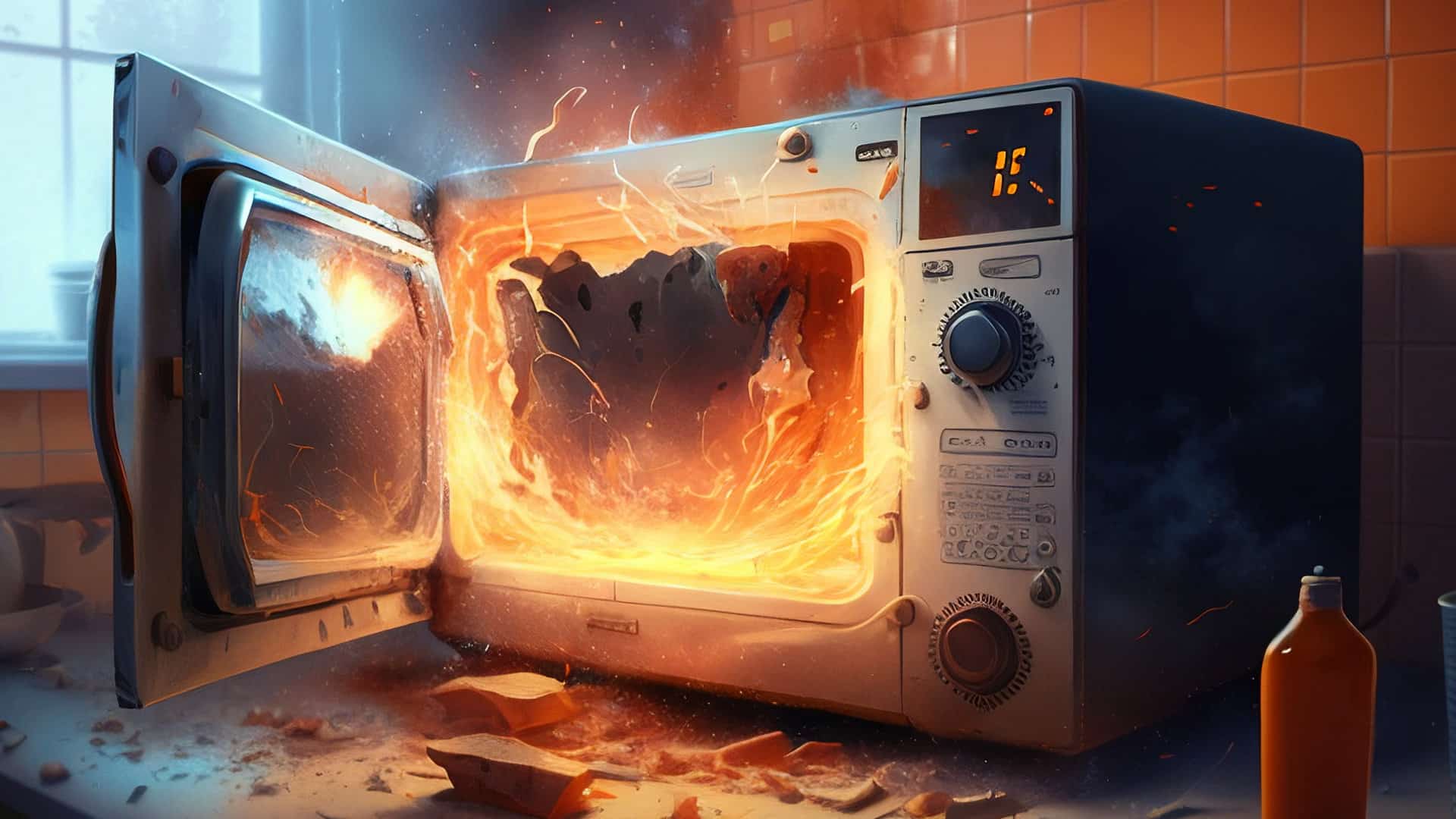
How to prevent sparks and damage
Preventing sparks is mostly about avoiding field concentration and keeping metal away from the walls.
- Keep foil flat and cover food only loosely
- Avoid crumpling foil or leaving pointed edges.
- Never microwave twist ties, staples, or small metal pieces
- Remove these before heating.
- Use microwave-safe cookware
- Look for manufacturer guidance and symbols.
- Maintain a safe distance from the oven walls
- Avoid letting metal touch the interior.
- Inspect the microwave regularly
- Damaged interiors or exposed magnetron parts increase risk.
A few good habits remove most hazards. Practicing them answers the practical side of why does metal spark in microwave and keeps your kitchen accident-free.

What to do if your microwave sparks
If you see sparks, act calmly and safely. Quick action prevents damage and injury.
- Turn the microwave off immediately
- Stop the magnetron from generating more energy.
- Unplug it if safe to do so
- Cutting power avoids further arcing.
- Remove the source only after power is off
- Do not reach into a running microwave.
- Look for damage and odors
- Burn marks or a strange smell mean you should have it inspected.
- Consider professional repair if sparks recur
- Repeated arcing can indicate internal faults.
I once microwaved a plate with a tiny metal paint fleck. It sparked, I stopped the unit, and replaced the plate. That quick response prevented bigger damage. This kind of real-world experience highlights why does metal spark in microwave and how small oversights cause big problems.

Personal experience and practical tips
Over years of testing, I learned a few useful rules. They’re simple and reduce risk.
- Rule 1: When in doubt, remove metal
- It’s not worth the risk for a minute or two of reheating.
- Rule 2: Flatten foil and avoid edges
- Smooth foil is safer but still not ideal.
- Rule 3: Teach family members
- Kids and guests may not know what sparks. A quick rule list helps.
- Rule 4: Use microwave-safe lids or plates
- These keep moisture in without metal contact.
One time I used a microwave-safe ceramic plate with gold trim. It didn’t spark on low power, but after repeated use the trim degraded. I stopped using it in that microwave. That taught me metal can become unsafe over time, which answers a common part of why does metal spark in microwave.

Frequently Asked Questions of why does metal spark in microwave
Why does metal foil spark in microwave?
Metal foil is very thin and often crumpled. The shape concentrates electric fields and causes arcing, which appears as sparks.
Can any metal be microwaved safely?
Not any metal. Thick, grounded, or well-designed metal parts in microwaves can be safe, but loose or thin metal often sparks and should be avoided.
Will a microwave get damaged if metal sparks once?
A single minor spark may not ruin a microwave, but repeated arcing can harm the magnetron and interior. Check for damage and avoid repeating the mistake.
Is metal trim on dishes dangerous?
Metal trim can be safe if labeled microwave-safe, but wear and tiny chips increase risk. Stop using trimmed dishes if you see sparking or damage.
What causes a microwave to spark with utensils?
Utensils with sharp edges or pointed ends create field concentration. Small gaps and reflective surfaces also promote arcing.
Conclusion
Metal sparks in microwaves because microwaves push electrons in conductors, and sharp edges or thin pieces let those electrons jump through the air. Understanding the physics, recognizing risky objects, and practicing simple safety steps will prevent damage and keep you safe. Try removing metal from heated items, using microwave-safe containers, and teaching others your quick rules. If you enjoyed this guide, share your experiences, subscribe for more kitchen safety tips, or leave a comment with your questions.

Appliance Review Expert
Lucas Ramirez is a trusted voice at HomeFixGrid.com, known for his clear, practical, and creatively written guides that simplify appliance care for everyday homeowners. With a strong focus on hands-on testing and real-world problem-solving, Lucas brings expert insight into appliance reviews and troubleshooting techniques. Her work empowers readers to confidently maintain, repair, and choose the right appliances for their homes.