Can You Microwave A Thermos: Safe Use Tips
Most thermoses should not be microwaved; vacuum seals and metal parts can be damaged or spark.
I’ve spent years testing travel mugs, insulated bottles, and thermoses for real-world use and safety. If you’re asking "can you microwave a thermos," you’re asking a smart question that can save a ruined bottle, a broken microwave, or a burned hand. Read on for clear, expert-backed answers, simple tests you can run at home, safe alternatives, and practical tips I’ve learned from real-life use.

Why you should not microwave a thermos
Microwaves heat food by agitating water molecules. Most thermoses contain metal and a vacuum layer. Metal can spark in a microwave. The vacuum layer can be damaged by rapid heating.
Common reasons you should not microwave a thermos:
- Metal interior or metal lining can create sparks and damage the microwave.
- Vacuum seals and glue can warp or fail when heated unevenly.
- Pressure can build inside a closed container and cause leaks or bursts.
- Labels and plastic lids may melt or release odors.
If you search "can you microwave a thermos," most manufacturer guides and safety experts reply with caution or a clear no. The safest rule is to assume a thermos is not microwave-safe unless the maker explicitly states otherwise.
What happens if you microwave a thermos?
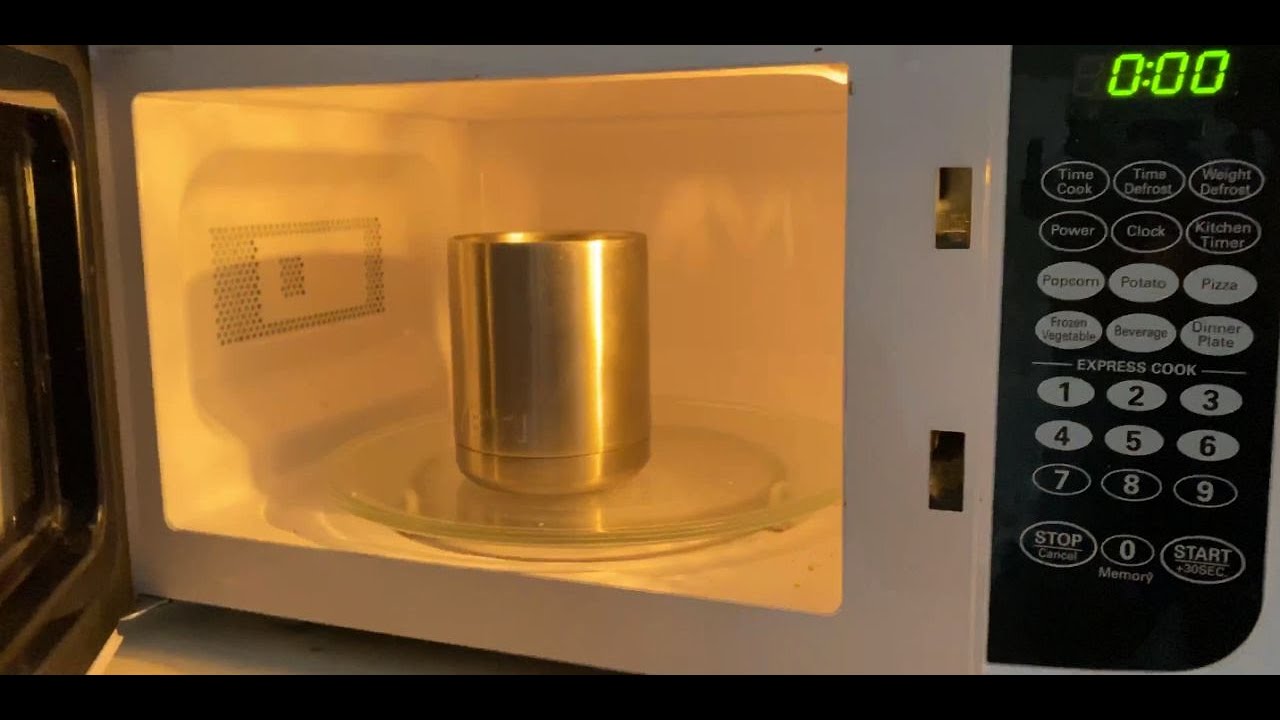
If you microwave a thermos that has metal parts, you risk sparking. Sparks can damage the microwave’s magnetron, which is expensive to fix. Heating a thermos can break the vacuum seal. Once the vacuum is gone, the thermos loses its insulating power.
Other likely outcomes from microwaving a thermos:
- Lid deformation or melting when the plastic or silicone is not microwave-safe.
- Hot spots inside that burn food or liquid when you open it.
- Built-up pressure that forces the lid off, causing scald injuries.
As someone who once tried heating soup in a metal-lined flask, I saw a small spark and a permanent nick in the microwave interior. Don’t repeat that mistake.

Which thermoses are microwave safe?
Most vacuum-insulated thermoses are not microwave-safe. But some bottles and mugs are made of microwave-safe glass or BPA-free plastic without metal. To answer "can you microwave a thermos" correctly for your item, check these things:
- Manufacturer label or user manual stating microwave safety.
- Material of the inner liner: glass, ceramic, or certain plastics can be microwave-safe.
- Presence of metal parts, foil, or metallic paint, which disqualify microwave use.
If the bottle has any metal, do not microwave it. If the product explicitly says microwave-safe and the inner cup is removable, you can microwave that removable part first, then transfer contents. Always follow the maker’s instructions.

Safe ways to heat contents of a thermos
Rather than microwaving the thermos, heat the food or drink safely and then transfer it into the thermos. Here are practical methods:
- Microwave the contents in a microwave-safe bowl, then pour into the thermos. Stir and test the temperature before sealing.
- Use a hot water bath: pour boiling or very hot water into the thermos, let it sit for a few minutes to warm the walls, then pour out and add your hot drink.
- Reheat on the stove in a saucepan, then transfer to the thermos.
- Use an electric kettle to heat water and prepare instant drinks outside the thermos.
These steps keep the thermos intact and preserve its insulating ability. They also reduce risk of burns and appliance damage.

How to test if your thermos might be microwave safe
If you want to check whether "can you microwave a thermos" applies to your bottle, do this simple test:
- Look for microwave-safe symbols or text on the base or packaging.
- Remove lids, caps, and any removable inner cups, and only test the inner component if it is labeled microwave-safe.
- Place the empty inner container (if clearly non-metal) in the microwave next to a cup of water and run for 30 seconds. If the container gets much hotter than the water, it’s not microwave-safe.
Always proceed with caution. A test is not a guarantee, but it helps you avoid obvious mistakes.
Personal experience and practical tips
From years of using insulated flasks on commutes and trips, I learned a few rules that saved time and headaches:
- Never microwave a full thermos. Pressure builds fast and unpredictably.
- If a thermos has a removable cup made of glass or ceramic, microwave only that cup.
- Warm the thermos beforehand with hot water to keep liquids hot longer.
- Label travel mugs and thermoses you own with material notes so you and your household know what’s safe.
One time I poured boiling water into a cold thermos without warming it first. The temperature drop was small, and my coffee stayed hot for hours. Small habits like that beat risky shortcuts like microwaving the bottle itself.
:max_bytes(150000):strip_icc()/Thermos_HotFood-vs-Thermos_Funtainer-vs-Foogo_Suzie_Dundas-406fae2ef7c94f85b110648b57514d40.jpg)
Frequently Asked Questions of can you microwave a thermos
Will microwave sparks always damage my microwave?
Sparks can damage the microwave’s magnetron or interior paint. Even a brief spark can require costly repairs, so avoid microwaving metal-lined items.
Can I microwave a thermos if the lid is removed?
Removing the lid lowers pressure risk but does not remove metal or vacuum risks. If the inner liner has metal, do not microwave it, lid or no lid.
Is a stainless steel thermos ever microwave-safe?
No. Stainless steel is a metal and will spark in a microwave. Do not try to microwave a stainless steel thermos.
What about plastic thermoses?
Some plastic thermoses are microwave-safe, but many are not. Check the product label and only microwave containers marked as microwave-safe.
How do I safely reheat soup in a thermos?
Heat the soup in a microwave-safe bowl or on the stove, then pour it into a pre-warmed thermos. Stir and secure the lid after the temperature stabilizes.
Can microwaving a thermos release harmful chemicals?
If a thermos contains BPA-free or heat-stable plastics, risk is lower. Old or low-quality plastics can degrade and release chemicals when heated, so avoid microwaving unknown plastics.
What if my thermos has no label?
If there’s no label, assume it’s not microwave-safe. Follow the safe alternatives: heat contents separately and then transfer them into the thermos.
Conclusion
Microwaving a thermos is usually a bad idea. Most thermoses have metal parts or vacuum seals that can be damaged or cause sparks. Instead, heat your food or drink in a microwave-safe container or warm the thermos with hot water before pouring. These simple steps protect your gear and reduce burn risk.
Takeaway: check labels, warm smartly, and never microwave metal. If this helped, try warming your thermos tonight and share your experience below or subscribe for more practical tips on safe food and drink routines.

Appliance Review Expert
Lucas Ramirez is a trusted voice at HomeFixGrid.com, known for his clear, practical, and creatively written guides that simplify appliance care for everyday homeowners. With a strong focus on hands-on testing and real-world problem-solving, Lucas brings expert insight into appliance reviews and troubleshooting techniques. Her work empowers readers to confidently maintain, repair, and choose the right appliances for their homes.