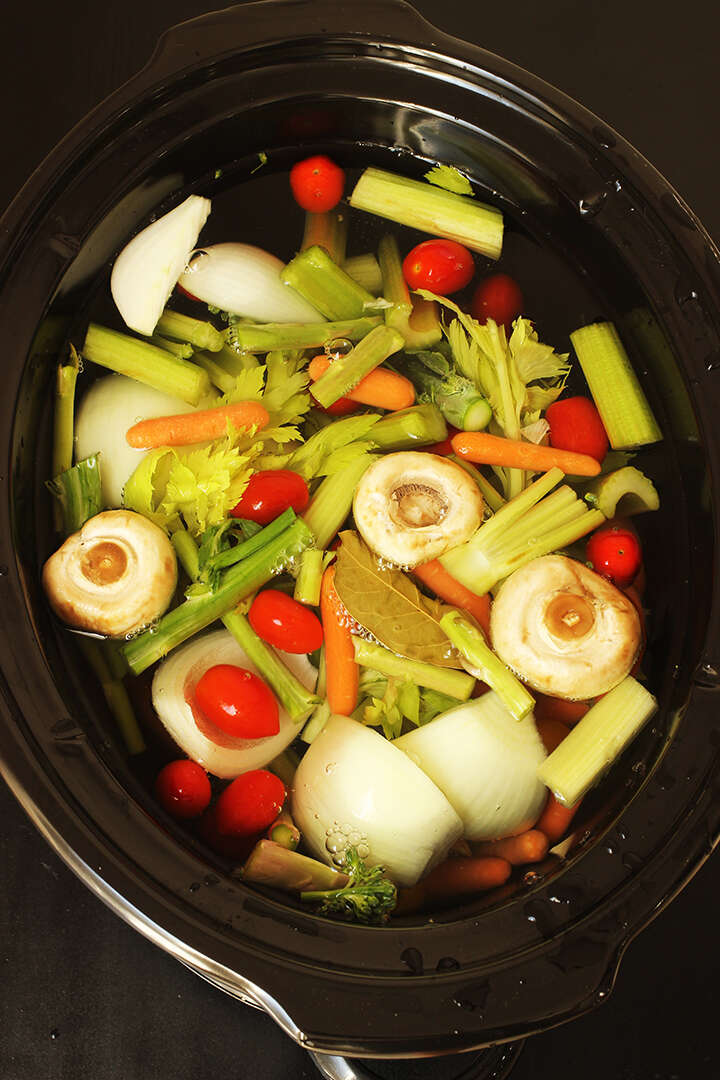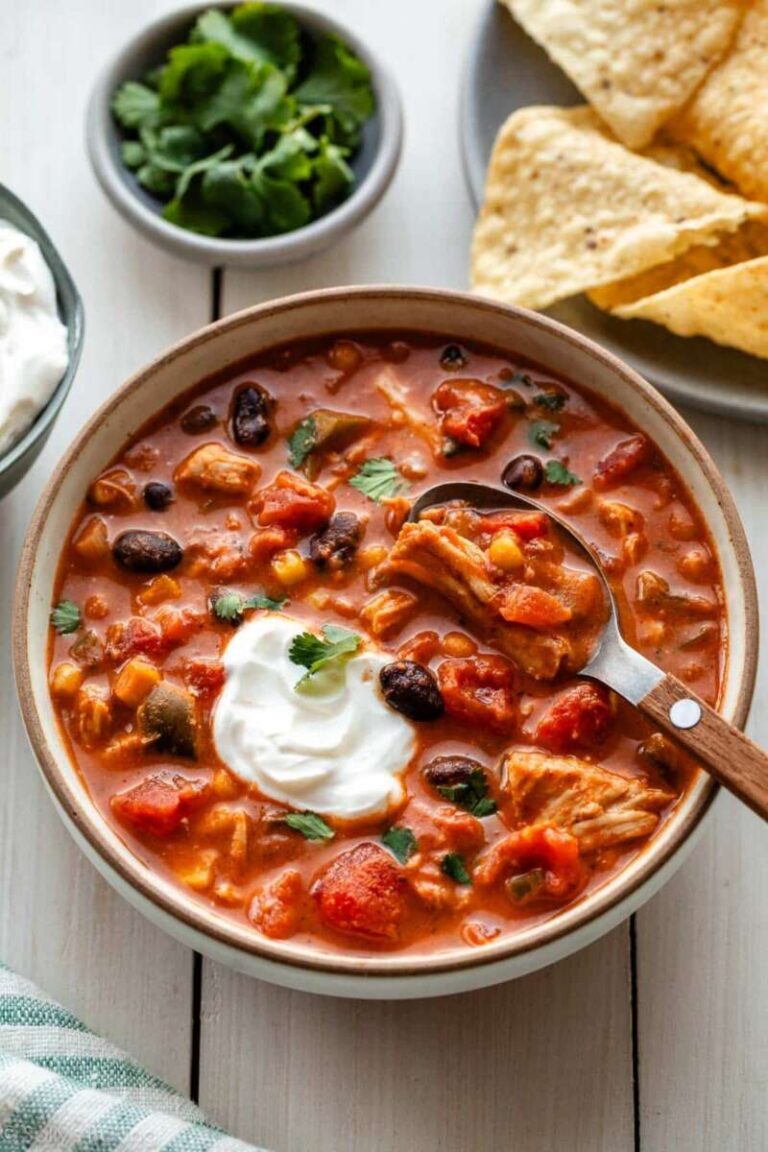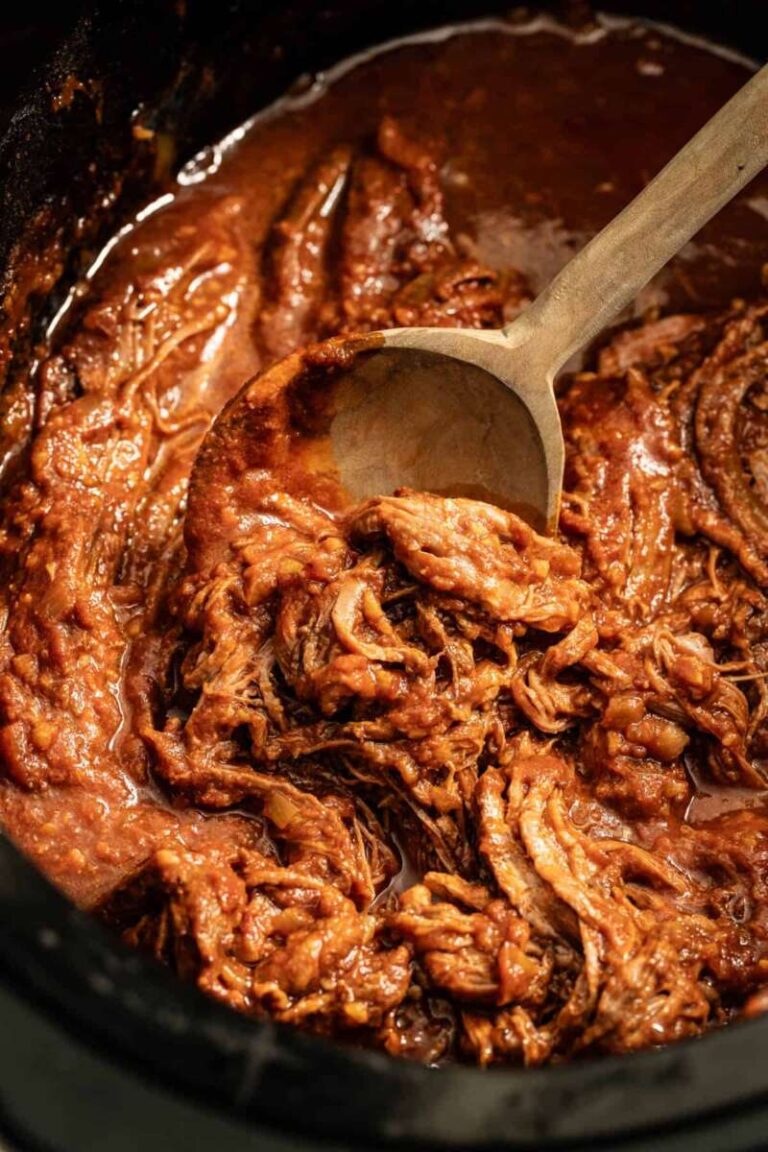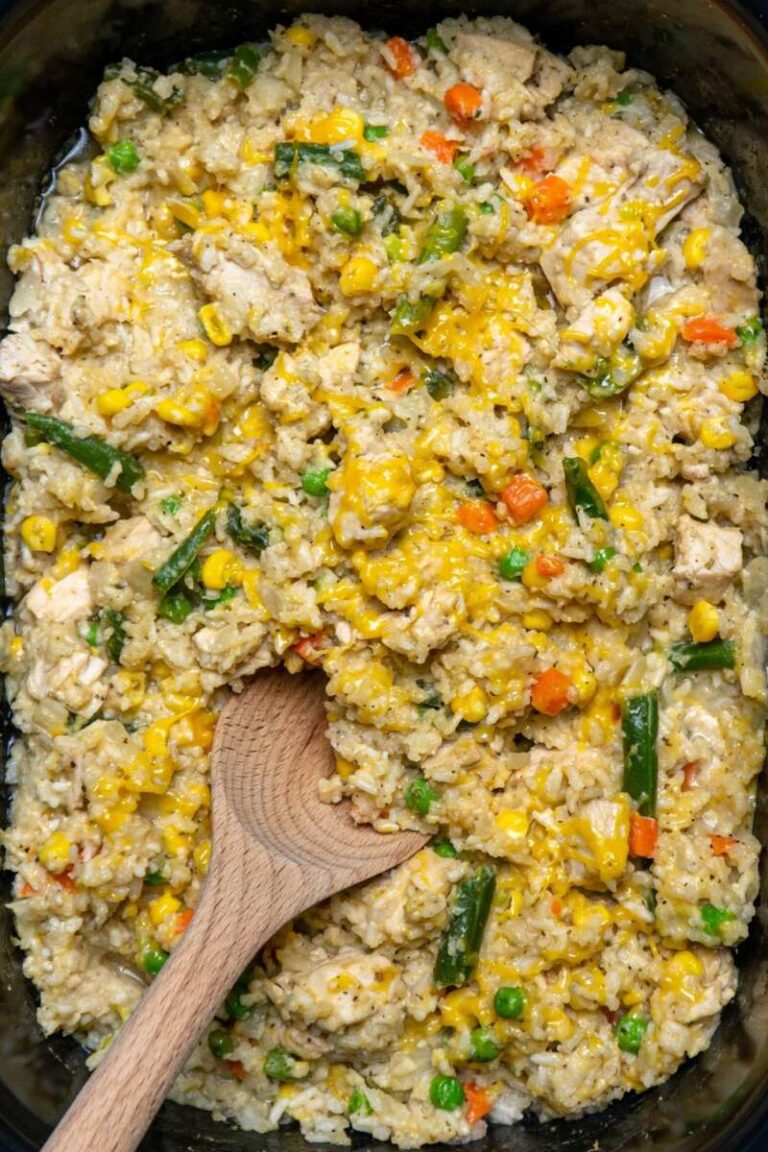
How Much Liquid To Add When Slow Cooking Vegetables: Tips
Use 1/4 to 1/2 cup liquid for most vegetables; add more only for soups or long braises.
I’ve cooked hundreds of slow-cooker vegetable dishes for friends, family, and recipe tests, so I know the question of how much liquid to add when slow cooking vegetables trips a lot of people up. This guide explains practical, experience-backed rules and clear examples so you can choose the right amount of liquid whether you’re steaming green beans, braising root vegetables, or making a chunky veggie stew. Read on for simple ratios, vegetable-by-vegetable advice, troubleshooting tips, and easy fixes if you get the liquid level wrong.
How slow cookers work and why liquid matters
Slow cookers trap steam and heat in a sealed pot. That means food releases moisture and seldom needs as much added liquid as stove-top or oven recipes do. Understanding evaporation and condensation inside the cooker helps you avoid watery or dry results.
Slow cooking vegetables relies on moist heat. Vegetables like onions and mushrooms release water quickly, while root vegetables hold onto moisture longer. Match the amount of added liquid to the veg type and the final dish you want—braise, stew, or simply tender vegetables.
Adding too much liquid dilutes flavors and makes vegetables mushy. Adding too little can cause scorching or uneven cooking, especially with dense roots. Aim for minimal liquid when vegetables will steam in their own juices, and more when you need a broth or sauce.
src="https://www.meatloafandmelodrama.com/wp-content/uploads/2023/08/slow-cooker-pot-roast-with-onion-soup-mix.jpeg"
alt="General rules: how much liquid to add when slow cooking vegetables”
style=”max-width: 100%; height: auto; border: 2px solid black; border-radius: 10px; display: block; margin: 0 auto;”
loading=”lazy”
/>
General rules: how much liquid to add when slow cooking vegetables
Use these simple rules as your baseline for how much liquid to add when slow cooking vegetables. They work across sizes of slow cookers and many recipes.
- For steaming or tenderizing plain vegetables: add 1/4 to 1/2 cup of liquid for a 4–6 quart slow cooker.
This is usually enough to generate steam without drowning the veg. - For mixed dishes (meat + vegetables) where other liquids exist: rely on juices from meat and add 1/4 cup only if needed.
Meats add a lot of liquid as they cook; extra water often isn’t needed. - For braises and stews where you want a sauce: add enough liquid to cover about one-third to one-half of the vegetables.
That typically equals 1 to 2 cups depending on cooker size and quantity. - For soups: add enough liquid to cover ingredients fully and allow simmering—generally 4 cups or more depending on servings.
Soups need full submersion so flavors blend and vegetables break down properly. - For very small slow cookers (1–2 quarts): reduce all amounts by about half.
Small pots need much less liquid because of the smaller air space.
These rules keep the vegetables flavorful and properly textured. If a recipe calls for a lot of stock, consider cutting the amount by 25–50% and adjusting at the end.

Vegetable-specific liquid guidelines
Different vegetables behave very differently in a slow cooker. Here are specific guidelines for common categories so you know exactly how much liquid to add when slow cooking vegetables.
- Leafy greens (spinach, kale, chard): add 1/4 cup or less for a full 4–6 quart cooker.
They collapse and release lots of water quickly. - Soft vegetables (zucchini, summer squash, mushrooms): add 1/4 cup or none if other veg are wet.
These can become mushy fast if overwatered. - Root vegetables (potatoes, carrots, beets): add 1/2 to 1 cup for a 4–6 quart cooker.
Roots are dense and need more moisture and time to become tender. - Cruciferous veg (broccoli, cauliflower): add 1/4 to 1/2 cup and add late in cooking.
Add at the final 30–60 minutes to prevent overcooking. - Onions and garlic: add 1/4 cup; they release juices and build flavor.
They’re forgiving and contribute to the dish’s liquid balance. - Dried legumes (chickpeas, lentils, beans): add generous liquid—follow pulse/bean guidelines—about 3–4 cups per pound.
Beans and legumes need much more for rehydration and safe cooking.
Adjust amounts for the number of servings and for whether you want a sauce. For stews, aim for a ratio that covers about one-third of the veg height. For steaming, keep liquid minimal.

Techniques to control liquid and texture
Small moves make a big difference in how much liquid you need when slow cooking vegetables. Use these techniques to get the texture you want.
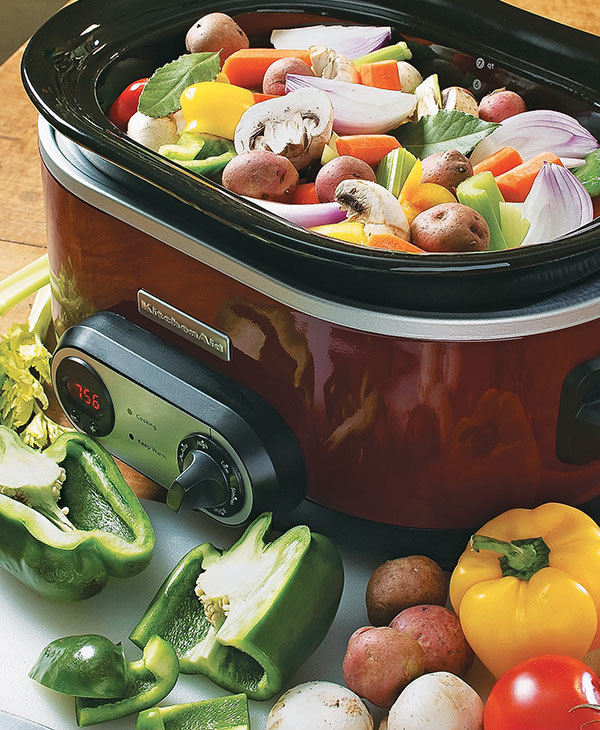
- Layer ingredients. Put dense root veg on the bottom where heat is stronger and add softer veg on top. This reduces the need for added liquid.
- Use a tight lid and avoid lifting the lid during cooking. Each lift releases heat and vapor and may force you to add more liquid.
- Add delicate vegetables late. Add broccoli, peas, or zucchini in the final 30–60 minutes to avoid excess water and mushy texture.
- Thicken at the end. If you end up with too much liquid, remove the lid and switch to high for 20–30 minutes, or stir in a slurry of cornstarch and water to thicken.
- Reduce salt in the beginning. Liquid concentration changes as the dish cooks; you can always season more at the end.
These techniques help you fine-tune how much liquid to add when slow cooking vegetables and avoid common mistakes.

Troubleshooting: common problems and quick fixes
Even with experience, things can go sideways. Here are common issues and how to fix them fast.
- Problem: Vegetables are watery and bland. Fix: Remove some liquid with a ladle, switch to high with the lid off to reduce, then season to taste.
- Problem: Vegetables are dry or undercooked. Fix: Add 1/2 cup hot stock or water, cover, and cook on high for 30–60 minutes until tender.
- Problem: Soggy vegetables. Fix: If the texture is too soft, use the leftovers in a blended soup or mash to make a puree or spread.
- Problem: Scorched bottom. Fix: Transfer vegetables to a new pot, add liquid, and continue cooking gently. For the future, add a bit more liquid or layer ingredients differently.
These fixes let you salvage a dish and teach you how much liquid to add when slow cooking vegetables next time.
:max_bytes(150000):strip_icc()/Simply-Recipes-Slow-Cooker-Pot-Roast-LEAD-1-849e074ff6324f53b0b6a13a986c6629.jpg)
My experience and practical recipe examples
I used to follow stove-top recipes and pour the same amount of stock into my slow cooker. The result was often thin, watery vegetables. After testing 30+ recipes, I learned these practical amounts that I use daily.
- Simple steamed mixed veg for 4 people: 1/4 cup water, salt, and herbs; cook on low for 3–4 hours.
- Root veg roast-style (potatoes, carrots, parsnips) for 6 people: 1 cup vegetable stock, rosemary, and a drizzle of oil; cook on low 6–8 hours.
- Vegetable stew for 6: 4 cups stock to cover ingredients; cook on low 6–8 hours so veggies break down slightly into a hearty sauce.
I also learned to trust the slow cooker’s moisture retention. Start low on liquid. You can always add a splash later. That saved me time and improved flavor.

Frequently Asked Questions of how much liquid to add when slow cooking vegetables
How much liquid should I add for a basic vegetable side dish?
For a basic side, add 1/4 to 1/2 cup of water or stock to a 4–6 quart slow cooker; the vegetables will steam in their own juices. Adjust slightly for quantity and density of vegetables.
Do I need any liquid when cooking mixed meat and vegetables together?
Usually no. Meat releases a lot of liquid. Add only 1/4 cup extra if the recipe seems very dry or if you want extra sauce.
How much liquid for a vegetarian slow-cooker stew?
For a stew, add enough liquid to partially cover ingredients—typically 1 to 2 cups for a small batch, and 4 cups or more for a full pot. That lets the vegetables and flavors meld into a sauce.
Can I use broth instead of water, and does that change the amount?
Yes, use broth for more flavor; the amount stays the same. Broth adds layers of taste so you can often use slightly less liquid than with plain water.
Should I cover vegetables completely with liquid in a slow cooker?
Not usually. Slow cookers trap steam, so full coverage is only needed for soups or long braises. For most vegetable dishes, covering one-third to one-half is enough.
Conclusion
Knowing how much liquid to add when slow cooking vegetables is mostly about understanding vegetable type, the dish you want, and the slow cooker’s sealed environment. Start with small amounts—typically 1/4 to 1/2 cup for plain vegetables—and scale up for braises or soups. Use layering, delayed additions, and thickening at the end to control texture and flavor. Try one small change at a time and note the results; you’ll quickly build a reliable sense for the right liquid levels.
Put these tips to work the next time you use your slow cooker: experiment with half the liquid a stovetop recipe calls for, taste, and adjust near the end. If you found this helpful, leave a comment or subscribe to get more practical slow-cooking tips and recipes.
Related Posts


Appliance Review Expert
Lucas Ramirez is a trusted voice at HomeFixGrid.com, known for his clear, practical, and creatively written guides that simplify appliance care for everyday homeowners. With a strong focus on hands-on testing and real-world problem-solving, Lucas brings expert insight into appliance reviews and troubleshooting techniques. Her work empowers readers to confidently maintain, repair, and choose the right appliances for their homes.