
What To Avoid Cooking In A Slow Cooker: Foods To Skip
Avoid fish, seafood, dairy added early, pasta, rice, delicate greens, and dried kidney beans.
I’ve cooked with slow cookers for years, and I know exactly what to avoid cooking in a slow cooker so you don’t end up with mush, food-safety risks, or bland dinners. This guide covers the top foods to skip or change, explains why they fail in low-and-slow heat, and gives clear fixes you can use tonight. Read on to learn practical tips, safety notes, and my hands-on advice from real kitchen mistakes and wins.
Common foods to avoid in a slow cooker
When thinking about what to avoid cooking in a slow cooker, focus on items that either overcook quickly, stay unsafe, or never develop good texture or flavor. Below are the main offenders and short reasons to skip them or adjust how you cook them.
-
Seafood
Seafood cooks fast. Shrimp, scallops, and fish will turn rubbery and dry in hours of low heat. -
Delicate vegetables
Broccoli, asparagus, peas, and leafy greens go to mush. They lose color and texture very quickly. -
Pasta and rice cooked from dry
Long slow heat makes pasta and rice sticky and mushy. They absorb too much liquid. -
Dairy added at the start
Milk, cream, and cheese can curdle, separate, or scorch if cooked too long. -
Dried kidney beans (uncooked)
Raw red kidney beans contain a toxin that needs boiling to destroy. Slow cookers don’t reach the needed high boil for long enough. -
Quick-cooking meats and lean cuts
Tender steaks, pork tenderloin, and chicken breasts dry out and become stringy. -
Eggs in their shell
Eggs can be unpredictable and may produce odd textures or safety concerns if left too long. -
Bread and many baked goods
Slow cooker baking is possible but often gives wet or dense results unless you know the method well.

Why these foods fail in a slow cooker
Understanding why these foods fail helps you adapt recipes. When you know the reason, you can either avoid the item or change timing and technique.
-
Temperature and time mismatch
Slow cookers hold steady low heat. Foods that need quick, high heat don’t get that, so they overcook or under-treat dangerous compounds. -
Moisture and steam environment
A slow cooker traps steam. That keeps food wet and soft. Crisp or firm textures won’t develop. -
Protein structure changes
Delicate proteins like fish firm up quickly. Over time, they get dry and rubbery instead of tender. -
Chemical and safety limits
Some toxins need a rapid, high boil to neutralize. Slow, low heat may not be enough to make food safe.

How to adapt recipes instead of avoiding them entirely
You don’t always need to abandon a dish. Often one small change solves the problem. Here are practical adaptations for what to avoid cooking in a slow cooker.
-
Add delicate items at the end
Add seafood, dairy, pasta, rice, and tender greens in the last 15–30 minutes of cooking. -
Pre-soak and pre-boil beans
Soak dried kidney beans and then boil them hard for 10 minutes before adding to the slow cooker. -
Use hearty vegetables and larger cuts
Carrots, potatoes, and onions hold up well. Cut them in larger chunks so they don’t disintegrate. -
Choose the right meat cuts
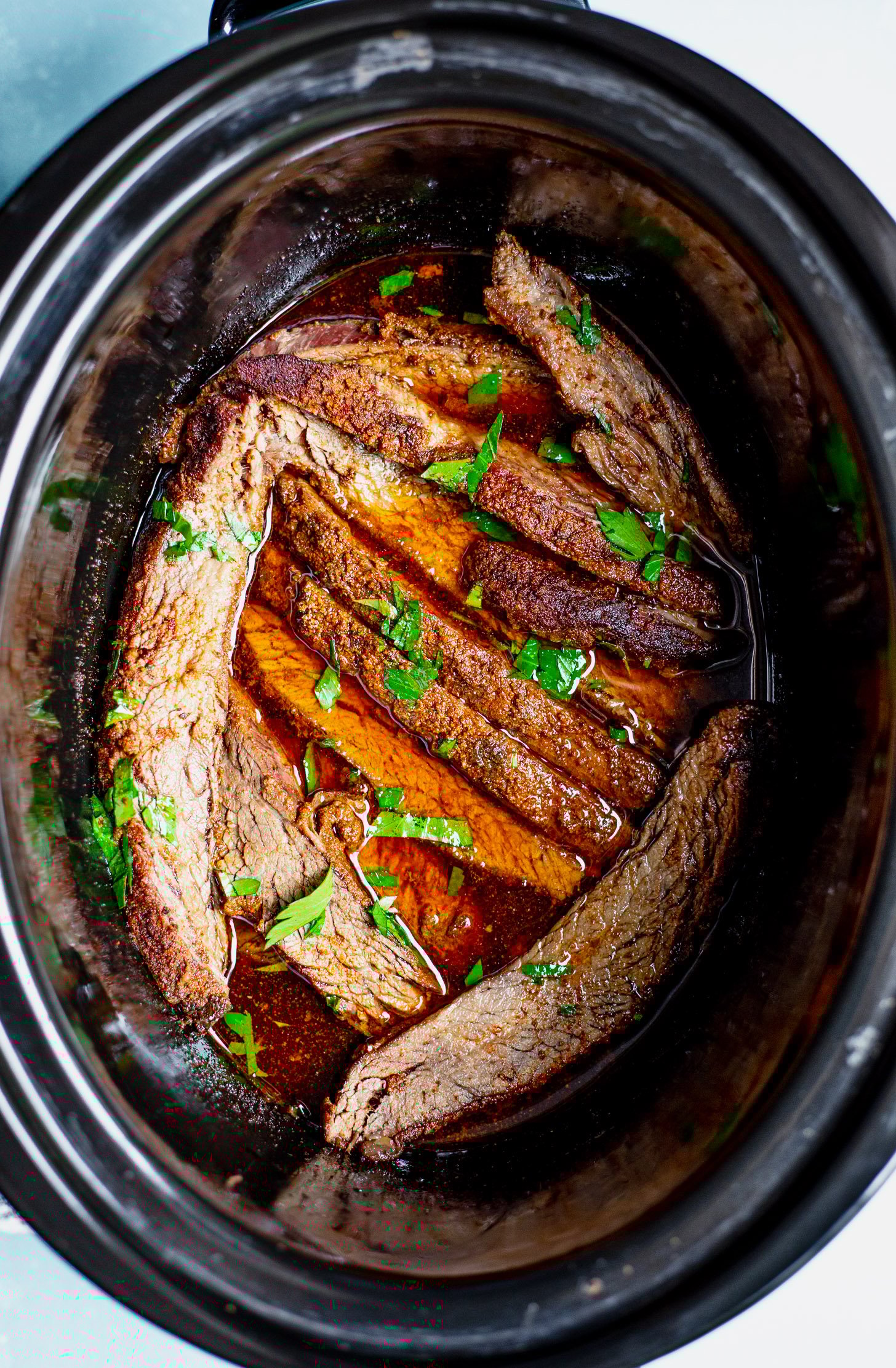
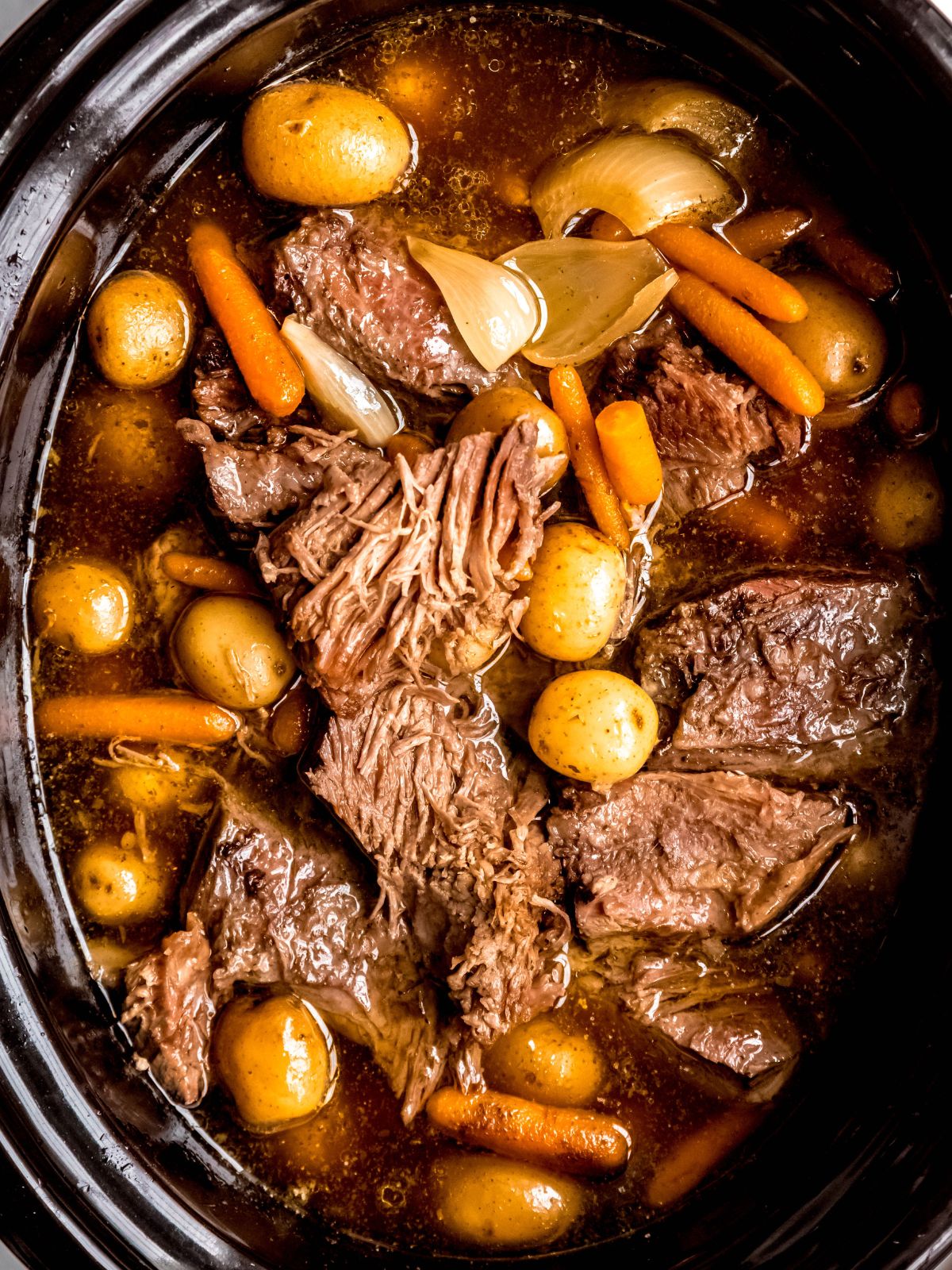
Tough, fatty cuts like chuck roast, brisket, and pork shoulder shine in slow cookers. Keep lean cuts for quick methods. -
Thicken at the end
Use cornstarch slurry or reduce liquids after cooking. Add dairy only at the finish.

Food safety tips for slow cooker use
Food safety matters as much as texture. I’ve learned the hard way to respect temperatures and timing. Follow these rules to avoid hazards.
-
Don’t cook frozen meat straight from the freezer
Frozen meat can sit too long in the danger zone while the cooker heats. Thaw first for even, safe cooking. -
Keep lid on while cooking
Lifting the lid wastes heat and extends cook time, which can affect safety and doneness. -
Use low and high settings correctly
Low usually means a longer cook time and a slower rise to safe temps. High reaches safety faster. Adjust when necessary. -
Mind the two-hour rule for cooling
Don’t let cooked food sit at room temperature more than two hours. Chill leftovers promptly.

Personal experience and practical tips
I’ve burned dinners and ruined fish this way. Here’s what I learned that will save you time and meals.
- I once left shrimp in a stew all day. The texture turned rubbery. Now I always add shrimp at the end.
- A pot roast taught me that browning first gives depth. Sear meat quickly before putting it in the slow cooker.
- I tried baking a cake in the slow cooker and got a soggy top. Now I use a skillet or oven for baked goods.
Simple habits that helped me:
- Set a timer and check food only near the end.
- Use an instant-read thermometer to confirm safety.
- Keep a small pot handy to boil beans or cook pasta separately.
Frequently Asked Questions of what to avoid cooking in a slow cooker
Can I cook fish in a slow cooker at all?
Fish can be cooked in a slow cooker but must be added near the end. Cook fish for the last 15–30 minutes to avoid rubbery texture.
Why should I not put dairy in at the start?
Dairy can curdle or separate with long heat. Add milk, cream, or cheese in the last 10–20 minutes for best texture.
Are dried beans unsafe in a slow cooker?
Raw red kidney beans can contain a toxin that slow cooking won’t destroy. Always boil them for 10 minutes before slow cooking.
Is it safe to put frozen meat in a slow cooker?
It’s not recommended because slow heating can leave meat in the danger zone too long. Thaw first for even, safe cooking.
Will vegetables always get mushy in a slow cooker?
Not all vegetables. Root vegetables and hearty squashes hold up well. Tender greens and quick-cook veg should be added late or cooked another way.
Can I make rice or pasta in a slow cooker?
You can, but texture is tricky. Cook rice or pasta separately or add them late to avoid a gummy result.
Conclusion
Slow cookers are a kitchen ally when you pick the right foods and techniques. Avoid cooking seafood, dairy early, dried kidney beans raw, pasta and rice from dry, delicate greens, and quick-cooking lean meats for the whole day. Use tough cuts, hearty veg, and timed additions to get great results. Try one change tonight: add dairy or seafood at the end and notice the difference. If this guide helped, leave a comment, try a tip, or subscribe for more practical slow-cooker advice.

Appliance Review Expert
Lucas Ramirez is a trusted voice at HomeFixGrid.com, known for his clear, practical, and creatively written guides that simplify appliance care for everyday homeowners. With a strong focus on hands-on testing and real-world problem-solving, Lucas brings expert insight into appliance reviews and troubleshooting techniques. Her work empowers readers to confidently maintain, repair, and choose the right appliances for their homes.