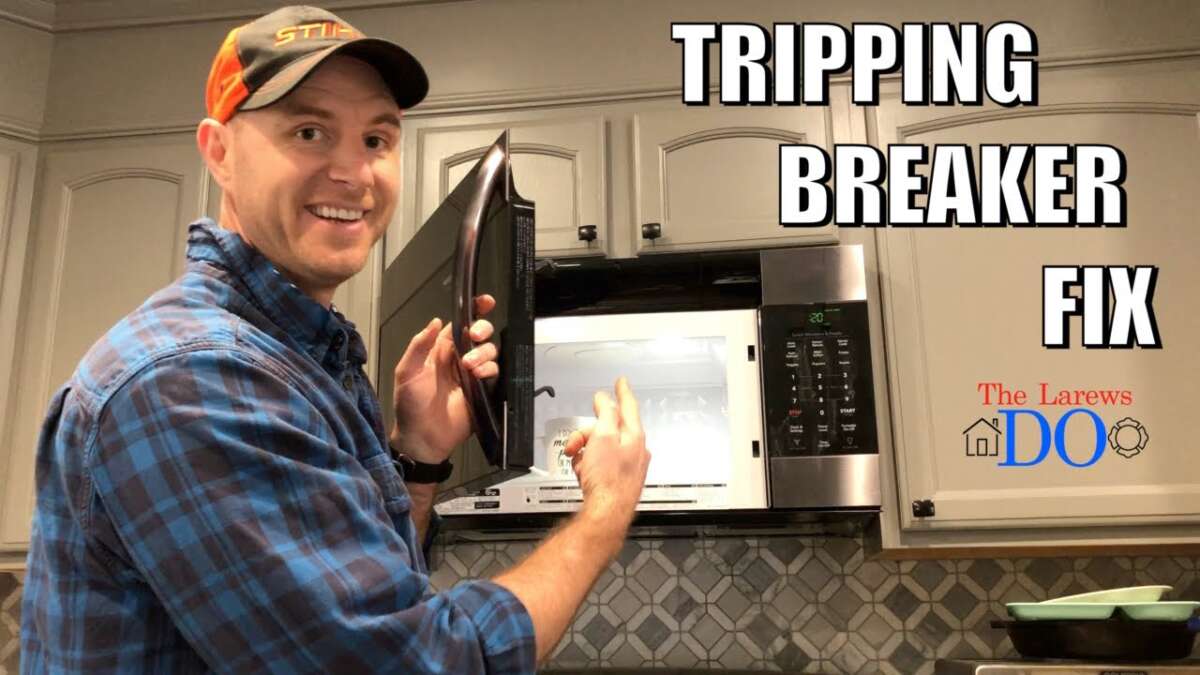
Why Does My Microwave Keep Tripping The Breaker: Fast Fix
Most often a microwave trips the breaker because of overloads, short circuits, or faulty parts.
I’ve helped dozens of homeowners and repaired many kitchen appliances, so I know the frustration when your microwave keeps tripping the breaker. This article explains why does my microwave keep tripping the breaker, how to diagnose the issue safely, what simple fixes you can try, and when to call a pro. Read on — I’ll share clear steps, real experience, and practical advice you can use today.

Common causes of a microwave tripping the breaker
When you ask why does my microwave keep tripping the breaker, the answer usually falls into a few clear categories. I’ll list the likely causes and explain what each one means in plain language.
- Overloaded circuit — Too many high-power appliances on one circuit can cause the breaker to trip. Microwaves draw a lot of current when heating, and sharing a circuit with a toaster, kettle, or air fryer can overload it.
- Short circuit — A short happens when live wiring touches neutral or ground. A damaged power cord or internal wiring in the microwave can cause a short and immediately trip the breaker.
- Ground fault — If electricity finds a path to ground where it shouldn’t, a GFCI or breaker will trip. Moisture, metal touching internal parts, or damaged insulation can cause this.
- Faulty microwave components — Bad diodes, magnetrons, or capacitors inside the microwave can draw irregular current or short internally. This often causes repeated trips.
- Loose connections — Loose terminal screws at the outlet or on the microwave plug can spark or create intermittent shorts that trip the breaker.
- A weak or damaged breaker — Breakers wear out. An older breaker may trip at lower loads than it should, especially if it’s a thermal breaker affected by heat.
- Incorrect outlet or wiring — Sometimes the outlet is on a shared circuit or was wired incorrectly during installation, making frequent trips more likely.
I’ve seen each of these in real homes. Once, a microwave kept tripping because a neighbor’s window AC was on the same old circuit. Simple fixes solved that, but other times the microwave itself was the problem and needed a repair or replacement.

How to diagnose why does my microwave keep tripping the breaker
Diagnosing is about narrowing down the cause safely. Follow these steps and stop if you feel unsure. Safety first.
- Check other appliances — Unplug other devices on the same circuit and try the microwave alone. If it still trips, the microwave or outlet is likely the culprit.
- Try another outlet — Move the microwave to a different dedicated kitchen outlet if possible. If the microwave still trips the breaker, the problem is likely inside the microwave.
- Inspect the plug and cord — Look for frays, burns, or loose prongs. Damage here can cause shorts and trips.
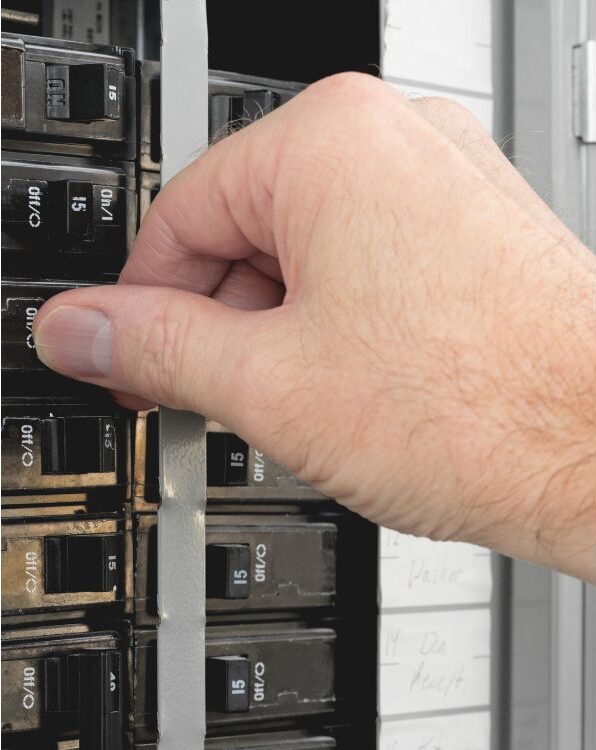
- Test the breaker — Reset the breaker, then run the microwave on low power. If it trips immediately, the breaker or appliance is suspect.
- Look for signs of moisture or damage inside the microwave — Smell for burning, check for smoke marks, and listen for odd noises. These hint at internal faults.
- Use a clamp meter or have an electrician measure current draw — A current reading higher than the microwave's rated amps indicates overload or a bad internal component.
From my experience, moving the microwave to a known-good outlet often tells you whether the problem is the appliance or the home wiring. If the unit trips a GFCI-protected outlet but not a plain outlet, that points toward a ground fault.
Simple fixes you can try when your microwave keeps tripping the breaker
If you’re handy and follow safety rules, try these simple steps. Unplug the microwave and turn off the breaker before inspecting anything.
- Reduce load on the circuit — Move other appliances to a different circuit. Avoid running the microwave with large cookware that absorbs extra power.
- Replace a damaged power cord or plug — If the cord is visibly damaged, replacing it can stop shorts. Use parts made for your microwave model.
- Clean the interior and vents — Food debris and grease can cause arcing. A clean microwave is safer and runs cooler.
- Tighten outlet connections — Turn off power and tighten the outlet screws if they are loose. Loose connections can cause heat and trips.
- Reset or replace the GFCI outlet — If the outlet is GFCI-protected, try resetting it. GFCIs can wear out and may need replacement.
- Swap the breaker — If you suspect the breaker is weak, have an electrician test and replace it. Don’t replace a breaker yourself unless you’re qualified.
If you try these and the microwave keeps tripping the breaker, the fault is likely internal. In that case, stop DIY repairs and consider professional service.

When to call an electrician or replace the microwave
Some problems need pro attention. Calling a professional protects you and your home.
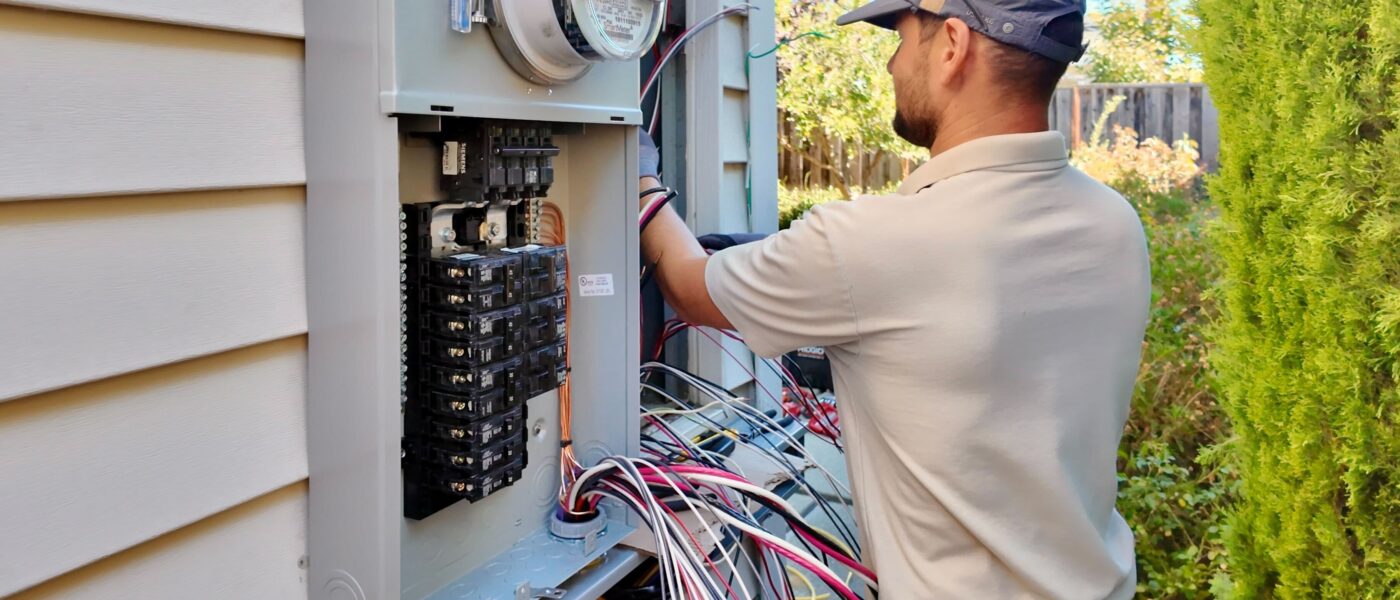
- Call an electrician if: the breaker trips with the microwave unplugged, wiring looks suspect, or multiple outlets behave oddly. Electricians can measure current, inspect wiring, and safely replace breakers or outlets.
- Call an appliance repair tech if: the microwave trips only when plugged in and shows internal failure signs like burning smells, loud arcing, or no heating. These pros can test components like the magnetron, diode, and capacitor.
- Replace the microwave if: repairs cost more than a new unit, the microwave is old, or the internal damage is severe. Newer microwaves are more energy-efficient and often safer.
From my fieldwork, many homes saved money by having an electrician confirm a dedicated microwave circuit. In other cases, technicians found a fried capacitor and replaced it for a fraction of the appliance cost.
Prevention and maintenance tips so your microwave won’t keep tripping the breaker
Preventing problems saves time and stress. Small habits keep circuits healthy and appliances working.
- Use a dedicated circuit — Have an electrician install a single outlet for the microwave. This avoids overloads and is code in many kitchens.
- Don’t run multiple heavy appliances together — Avoid running the microwave and a toaster or space heater on the same circuit.
- Keep vents clear and interior clean — Proper ventilation prevents overheating and reduces electrical stress.
- Replace frayed cords and worn plugs immediately — Small damage can lead to shorts and tripped breakers.
- Schedule periodic checks — Have a pro inspect wiring and breakers every few years, especially in older homes.
- Follow manufacturer guidelines — Use cookware and power settings recommended by the microwave maker to prevent undue strain.
I recommend a yearly quick visual check and cleaning. This habit caught a loose plug once in my own kitchen and stopped a future breaker trip before it started.

Frequently Asked Questions of why does my microwave keep tripping the breaker
Why does my microwave keep tripping the breaker only sometimes?
Intermittent trips often mean loose connections, a failing breaker, or an internal component that heats up and fails under load. Track when it happens to narrow the cause.
Can a microwave trip a breaker because of heavy cookware?
Yes. Large metal cookware or full casserole dishes can force the microwave to work harder and draw more current, risking an overloaded circuit. Try smaller portions or different cookware.
Is it safe to keep resetting the breaker when the microwave trips?
No. Repeated resets can hide an underlying electrical fault and risk fire. Resetting once to test is OK, but persistent trips need professional inspection.
Will replacing the breaker fix my tripping microwave?
Only if the breaker is the cause. If the microwave or wiring is faulty, a new breaker will still trip. Have an electrician test current draw first.
How much does it cost to repair a microwave that trips the breaker?
Costs vary. Simple fixes like a cord or fuse replacement are low cost. Replacing major parts or professional diagnostics can be more. Sometimes replacement is more economical.
Conclusion
You now have a clear roadmap for why does my microwave keep tripping the breaker and what to do about it. Start by isolating the microwave on its own circuit, check cords and outlets, and only proceed with repairs you feel safe doing. If the issue is internal or the wiring looks suspect, bring in a qualified electrician or appliance repair technician. Take action today: unplug, test, and schedule a pro if needed — your kitchen and safety depend on it. If this helped, try the steps, leave a comment with your experience, or subscribe for more practical home repair guides.

Appliance Review Expert
Lucas Ramirez is a trusted voice at HomeFixGrid.com, known for his clear, practical, and creatively written guides that simplify appliance care for everyday homeowners. With a strong focus on hands-on testing and real-world problem-solving, Lucas brings expert insight into appliance reviews and troubleshooting techniques. Her work empowers readers to confidently maintain, repair, and choose the right appliances for their homes.