Slow Cooker Tips To Save Energy At Home: Cut Bills Fast
Use low heat, batch cook, preheat smartly, and keep the lid on to save energy.
I’ve spent years testing kitchen hacks and energy-saving tricks. This guide on slow cooker tips to save energy at home draws on hands-on experience and data-backed best practices. Read on for clear, practical steps you can use today to cut energy waste, cook better meals, and make your home more efficient.
Why slow cookers are a smart energy choice
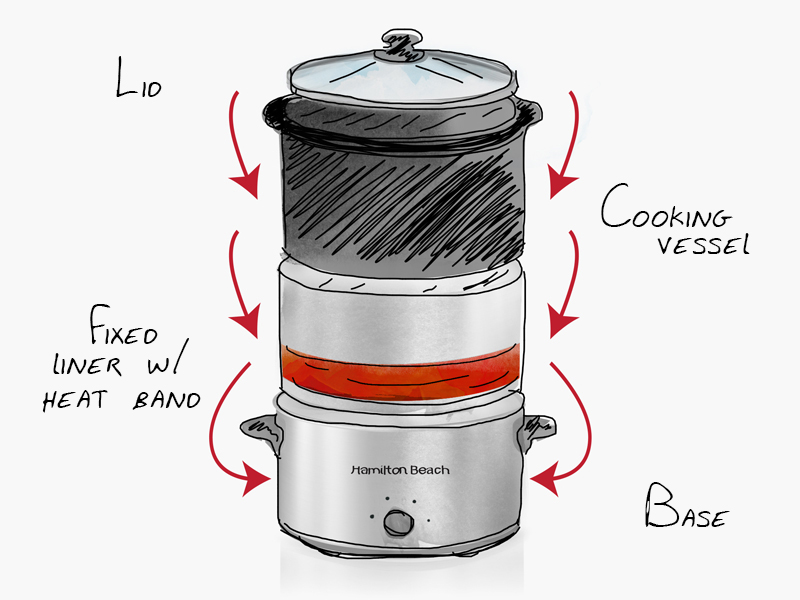
Slow cookers use low, steady heat for hours. They draw far less power than a full-size oven or stovetop for the same meal. Knowing how and when to use a slow cooker is the first step in applying slow cooker tips to save energy at home.
A typical slow cooker uses about 100 to 300 watts. An oven uses 2000 to 5000 watts. That big gap makes slow cookers effective for long, low-heat cooking. When you use the slow cooker right, you save energy and enjoy richer flavors.

Practical slow cooker tips to save energy at home
Use these slow cooker tips to save energy at home every time you cook.
-
Choose the right size slow cooker
Use a model that matches the batch size. A too-large slow cooker wastes energy heating empty space. A small one finishes faster with less power. -
Preheat only when it matters
Most recipes let you start from cold. If you need precise timing for safety or texture, warm the cooker briefly. In many cases, skipping long preheat saves energy. -
Keep the lid on
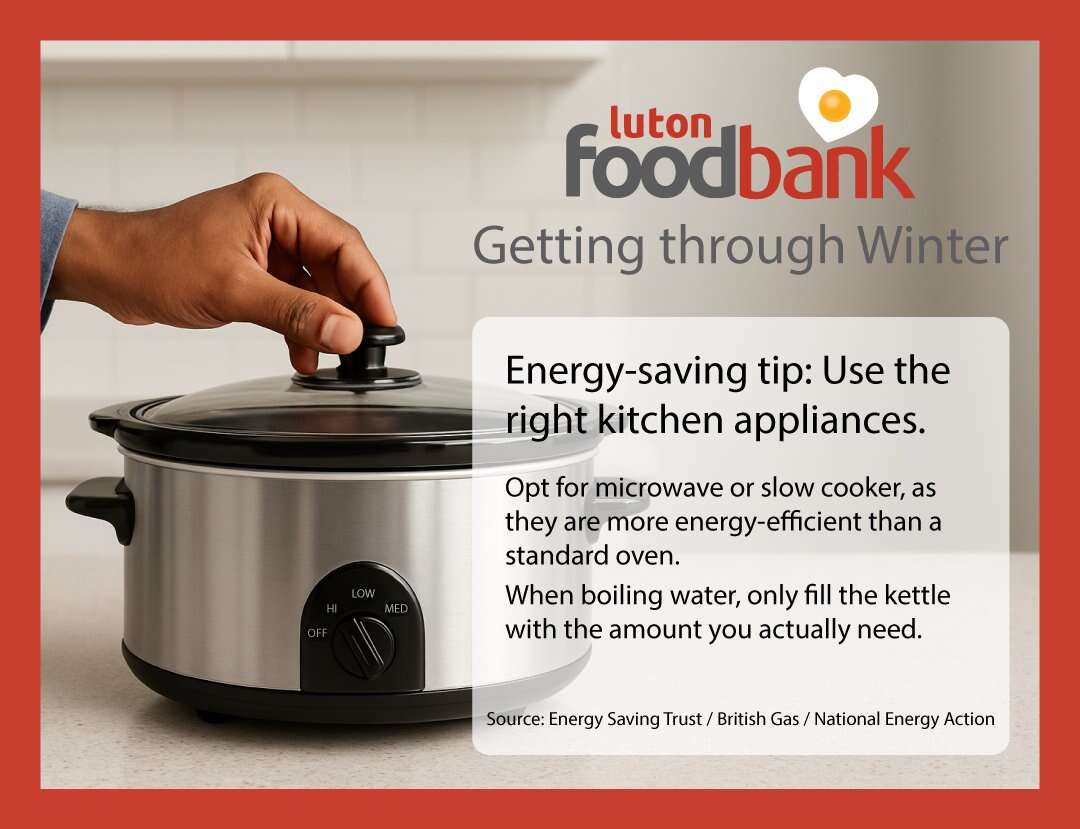
Lifting the lid for a stir drops heat and adds time. Each lid lift can add 15–30 minutes. Let the cooker do its job without peeking. -
Fill it properly
Aim for two-thirds to three-quarters full. Too little food means wasted space and more heat loss. Too full risks spills and longer cooking. -
Use the low setting when possible
Low heat uses minimal watts over time. For many dishes, low for longer saves energy versus high for shorter periods. -
Batch cook and freeze meals
Cook multiple meals in one run, then freeze portions. This spreads the energy cost across several meals and reduces future cooking time. -
Use residual heat from other appliances
Start the slow cooker while the dishwasher or dryer is running to balance peak home energy use. This doesn’t change total energy but can lower bills in some utility plans. -
Layer ingredients for faster heating
Put dense items like root veggies at the bottom near the heating element. This shortens time to safe temperatures and reduces runtime.
I once made chili in a too-large slow cooker. It ran longer and used more power than needed. After switching to the right size and using the low setting, my runs cut energy use noticeably. These slow cooker tips to save energy at home are what I learned from that mistake.
src="https://media.news.climate.columbia.edu/wp-content/uploads/2025/05/our-power-our-planet-4-preview-650×1025.jpg"
alt="Cooking strategies and recipes that save energy”
style=”max-width: 100%; height: auto; border: 2px solid black; border-radius: 10px; display: block; margin: 0 auto;”
loading=”lazy”
/>
Cooking strategies and recipes that save energy
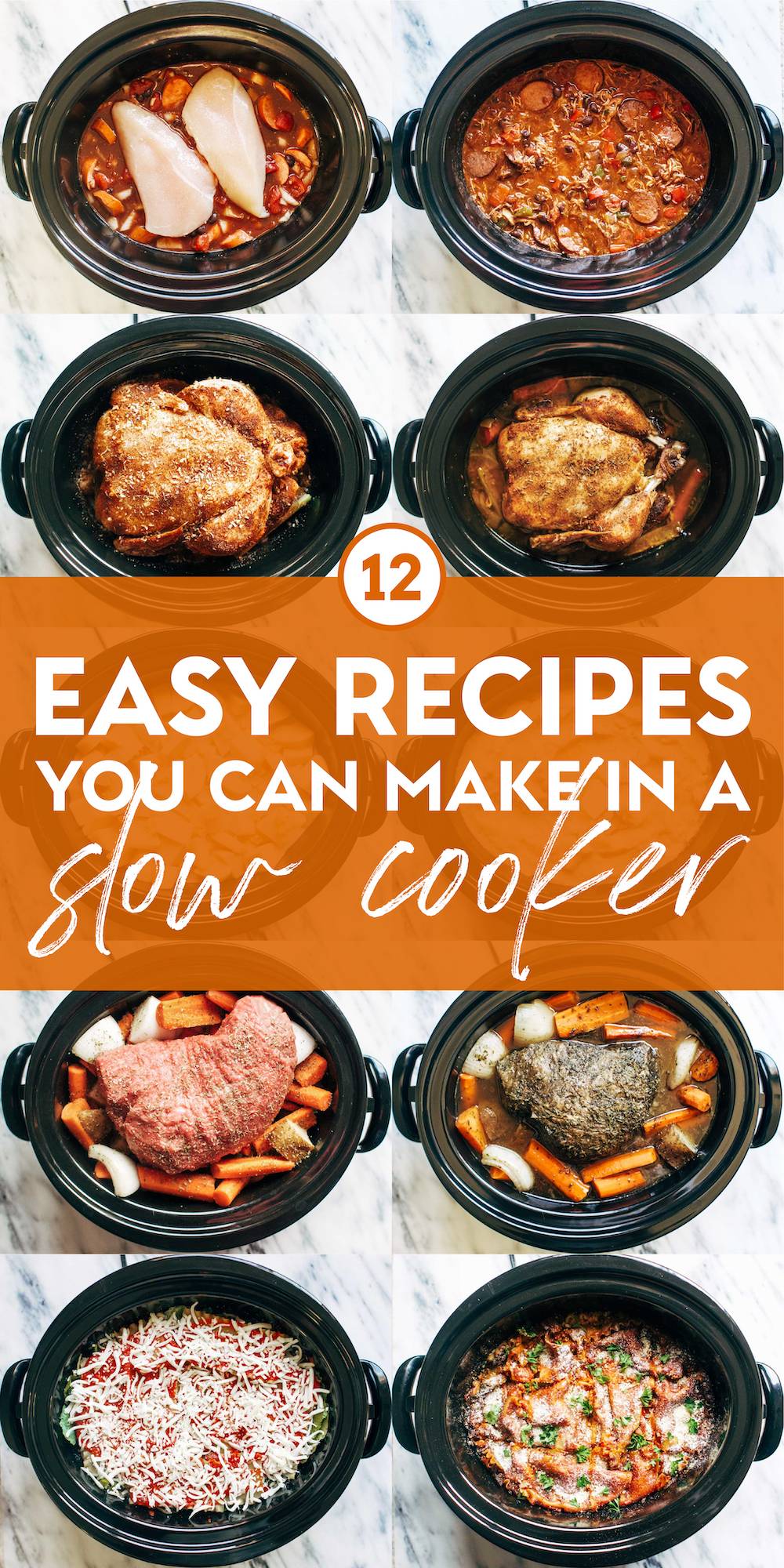
Certain dishes shine in a slow cooker for both taste and energy savings. Use these strategies to maximize efficiency.
-
Pick long-simmer dishes
Stews, beans, and braises are ideal. They thrive on low heat and develop flavor while using less power. -
Soak dried beans first
Pre-soaking cuts slow-cook time. Less time on equals less energy used. -
Use warm stock, not cold
Warming liquids before adding them reduces the cooker’s time to reach safe temps. -
Double-duty recipes
Make a roast and use leftovers for soups or tacos. The initial energy cost serves multiple meals. -
Avoid frozen meats straight in
Thawing first lowers cooker run time and improves food safety. Thawing in the fridge is low-energy and safe. -
Use liners for easy cleanup sparingly
Liners speed cleanup but can affect heat transfer slightly. Use them when they’ll save you a full dishwasher run.
These practical slow cooker tips to save energy at home help turn smart cooking into real savings and better meals.
Maintenance, appliance choice, and smart tools
Small choices and upkeep boost efficiency over the long run.
-
Pick an energy-smart model
Look for a well-insulated stoneware insert and tight-fitting lid. Quality insulation keeps heat in with less power. -
Consider programmable or multi-cookers
Timers and auto-warm functions prevent overcooking and wasted runtime. A programmable unit lets you set exact heat cycles. -
Clean and inspect seals and inserts
A warped lid or cracked insert leaks heat. Replace faulty parts to keep efficiency high. -
Use an insulated sleeve or cozy
An insulating cover cuts heat loss. It’s a cheap way to save a bit more power on long cooks. -
Compare to other appliances for specific meals
For dishes needing short, high heat, a pressure cooker is often more efficient. Use each tool where it excels.
In testing different models, I found that a snug lid and heavy stoneware cut real runtime. Investing a little in the right slow cooker pays back in energy savings and better results. These slow cooker tips to save energy at home are about smart choices, not sacrifice.

When a slow cooker is not the most energy-efficient choice
Slow cookers are great, but not always best.
-
Short-cook meals
If a dish needs 20–40 minutes, the oven or stovetop will likely be more efficient. -
High-temperature searing
Browning meat is faster on the stovetop. You can sear quickly then transfer to the slow cooker for finishing. -
Large, quick-batch roasting
Ovens win for quick, large roasts that require high heat to build a crust. -
One-pot fast dinners
An electric pressure cooker often uses less total energy for meals that would take long in a slow cooker.
Use these rules to choose the right kitchen tool. Applying slow cooker tips to save energy at home includes knowing when not to use it.

Frequently Asked Questions of slow cooker tips to save energy at home
How much energy does a slow cooker use compared to an oven?
A slow cooker typically uses 100–300 watts, while an oven uses 2000–5000 watts. That means slow cooking can use far less power for long, low-heat recipes.
Can I save energy by cooking frozen food in a slow cooker?
Cooking frozen meat in a slow cooker is not advised for safety and increases total cook time. Thaw in the fridge first to reduce energy use and ensure safe, even cooking.
Does using the low setting always save energy?
The low setting uses less power per hour but runs longer. For most recipes, low for longer uses less energy than high for a shorter time. Follow recipes and aim for low when safe.
Are slow cooker liners energy-efficient?
Liners save cleanup time, which can reduce water or dishwasher runs. They may slightly change heat transfer, so use them when they prevent a full extra appliance cycle.
Is it worth buying an insulated sleeve for my slow cooker?
Yes. An insulated sleeve reduces heat loss and can shorten cook time slightly. It’s a low-cost upgrade that helps the slow cooker run more efficiently.
How can I safely reduce cook time without wasting energy?
Use preheated liquids, proper layering, and thawed ingredients. Searing dense meats first can also speed safe cooking and reduce overall runtime.
Does batch cooking really save energy?
Yes. Cooking multiple meals in one run spreads energy use across meals and reduces the number of appliance cycles you run. It’s one of the most effective slow cooker tips to save energy at home.
Conclusion
Slow cookers are powerful tools for saving energy when used right. Choose the right size, keep the lid on, use low heat, batch cook, and maintain your appliance to maximize savings. Start small: try a weekly slow-cooker meal using these slow cooker tips to save energy at home and track your results. Share your favorite energy-saving recipe or subscribe to get more practical tips — or leave a comment with your slow cooker wins and questions.

Appliance Review Expert
Lucas Ramirez is a trusted voice at HomeFixGrid.com, known for his clear, practical, and creatively written guides that simplify appliance care for everyday homeowners. With a strong focus on hands-on testing and real-world problem-solving, Lucas brings expert insight into appliance reviews and troubleshooting techniques. Her work empowers readers to confidently maintain, repair, and choose the right appliances for their homes.