How To Heat Up Food Without A Microwave: 12 Easy Methods
Heat food without a microwave using stovetop, oven, steamer, toaster oven, or an instant pot.
I’ve spent years cooking in small kitchens, testing every reheating trick for leftovers and meal prep. This guide will show you exactly how to heat up food without a microwave, step by step, with safe techniques, timing tips, and simple gear recommendations. You’ll learn practical methods that keep flavor and texture intact, avoid food safety pitfalls, and work in everyday kitchens — whether you’re at home, traveling, or living off-grid. Read on to master reliable ways to warm meals without a microwave and feel confident doing it.

Why learn how to heat up food without a microwave?
Microwaves are fast, but they aren’t the only option. Knowing how to heat up food without a microwave gives you better texture, improved flavor, and more control. It also helps when you don’t have a microwave, when it’s broken, or when you want to avoid uneven heating and soggy leftovers. Learning these skills will make your meals taste closer to fresh and keep you safer by ensuring food reaches proper temperatures.

Top methods to heat up food without a microwave
Below are practical, easy-to-follow methods you can use right away. Each is suited to different foods and kitchens. Before using any method, cover food when needed to prevent drying and check temperature to ensure it reaches 165°F for leftovers.
Stovetop: the most versatile method
- How to: Use a saucepan for soups, stews, and sauces. Warm on low to medium heat, stirring often. For pasta and rice, add a splash of water to prevent sticking and stir occasionally.
- Best for: Soups, stews, rice, beans, sauces.
- Tip: Use a lid to trap heat and speed warming. Keep heat low for even reheating.
Skillet or frying pan: crisp and fast
- How to: Preheat a nonstick or cast-iron skillet over medium heat. Add a little oil or butter, then add food. Toss or flip to reheat evenly.
- Best for: Stir-fries, fried rice, vegetables, slices of meat, pizza slices (for crisp crust).
- Tip: Use a lid briefly to heat through, then remove to crisp the outside.
Oven: even heating for large portions
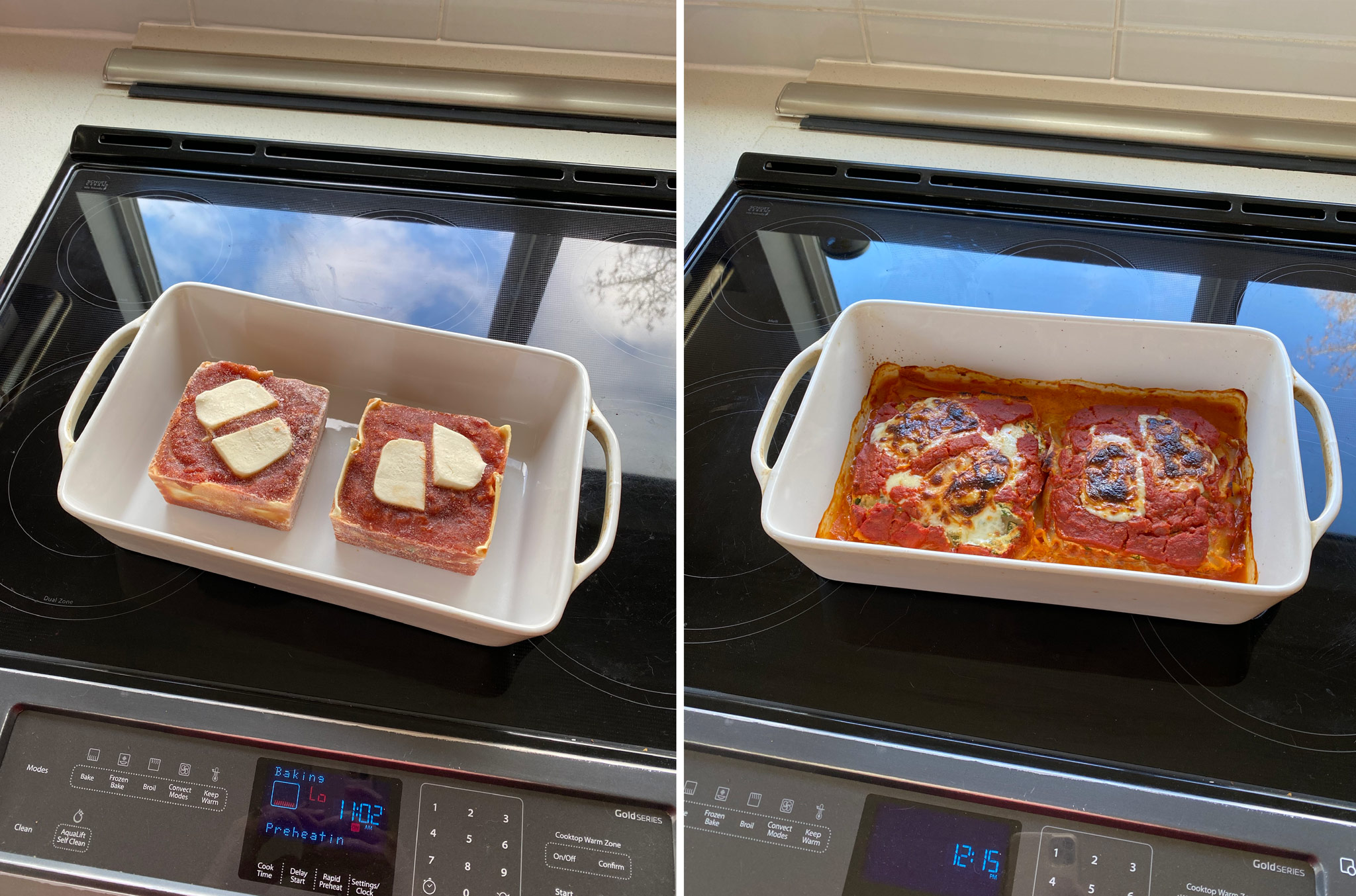
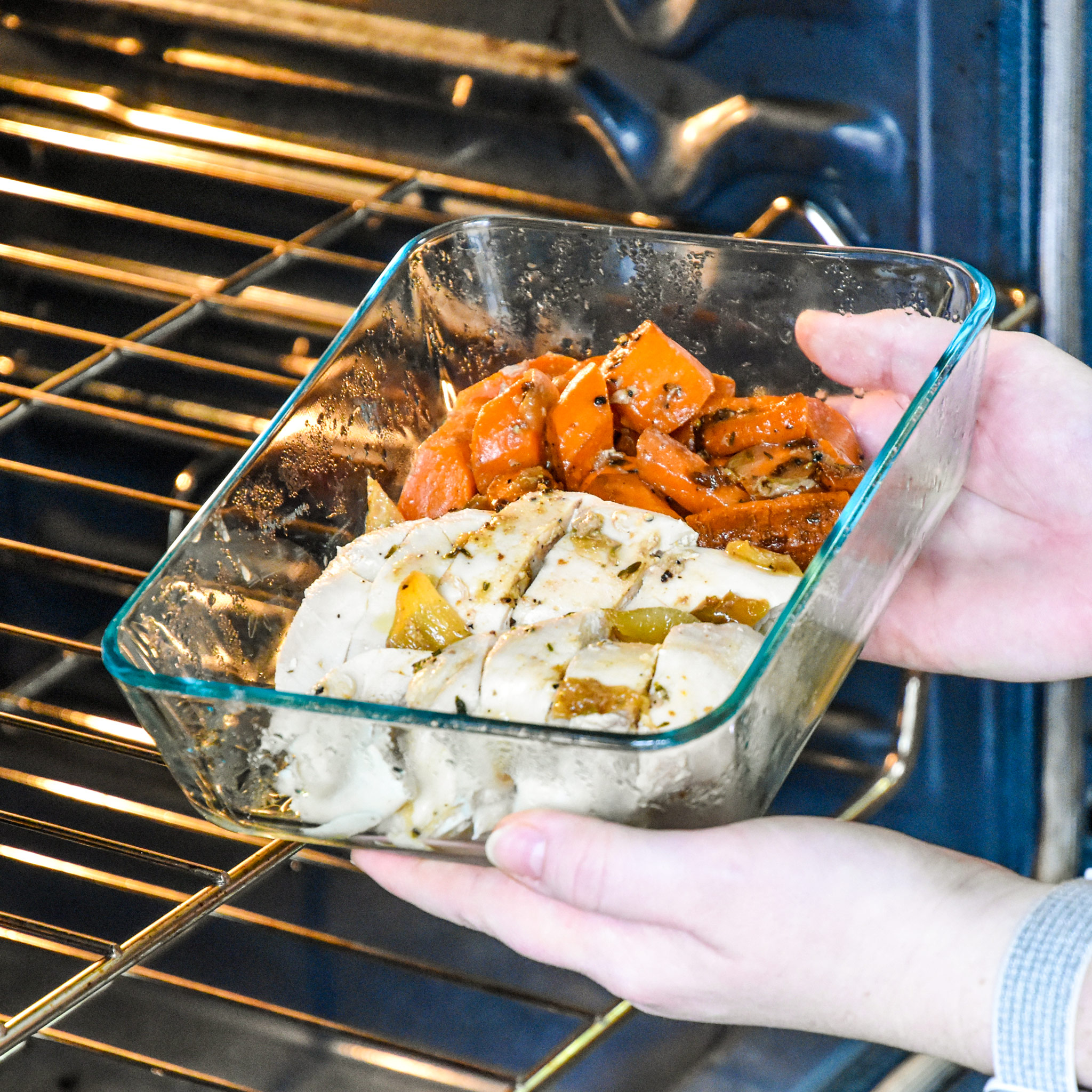
- How to: Preheat to 300°F to 350°F. Place food in an oven-safe dish and cover with foil to retain moisture. Heat for 10–30 minutes depending on portion size.
- Best for: Casseroles, lasagna, baked goods, large batches.
- Tip: Use higher temp for short reheats, or lower temps for gentle warming that preserves moisture.
Toaster oven: great for small batches
- How to: Set to 325°F to 350°F. Place food on a tray; cover if you want to keep it moist. Heat 5–15 minutes depending on food.
- Best for: Small casseroles, pizza, toast, pastries.
- Tip: Toaster ovens give oven-like results in shorter time and save energy.
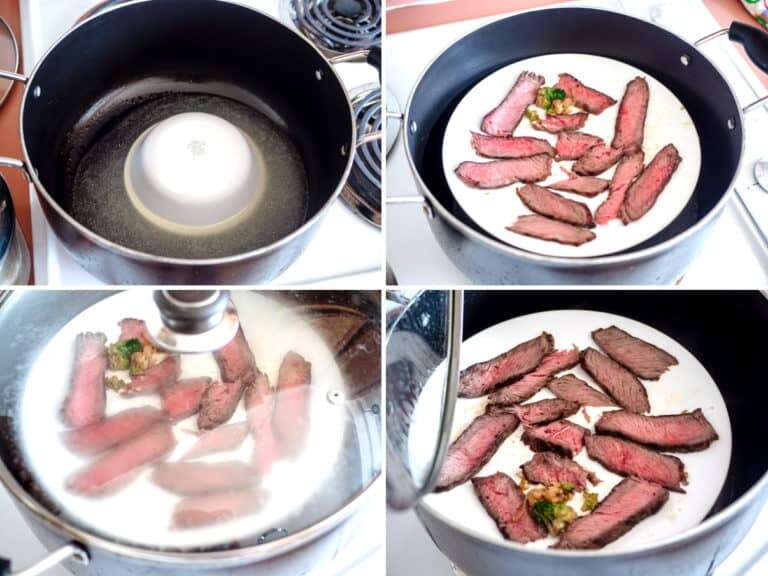
Steaming: gentle and moisture-friendly
- How to: Use a steamer basket or a sieve over simmering water. Place food in basket, cover, and steam until warmed through.
- Best for: Vegetables, rice, dumplings, fish.
- Tip: Steaming preserves texture and stops food from drying out.
Double boiler (bain-marie): for delicate foods
- How to: Place food in a heatproof bowl over simmering water, not touching the water. Stir gently until warmed.
- Best for: Sauces, custards, chocolate, delicate seafood.
- Tip: This method prevents scorching and preserves texture.
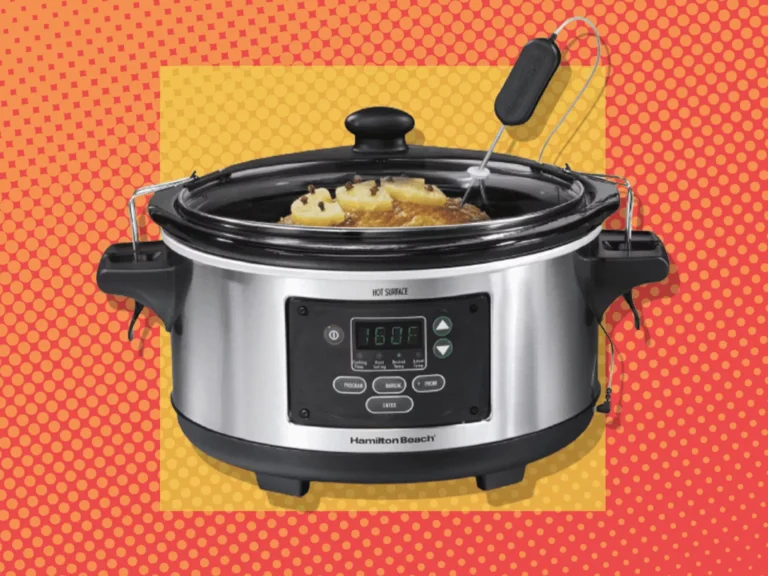
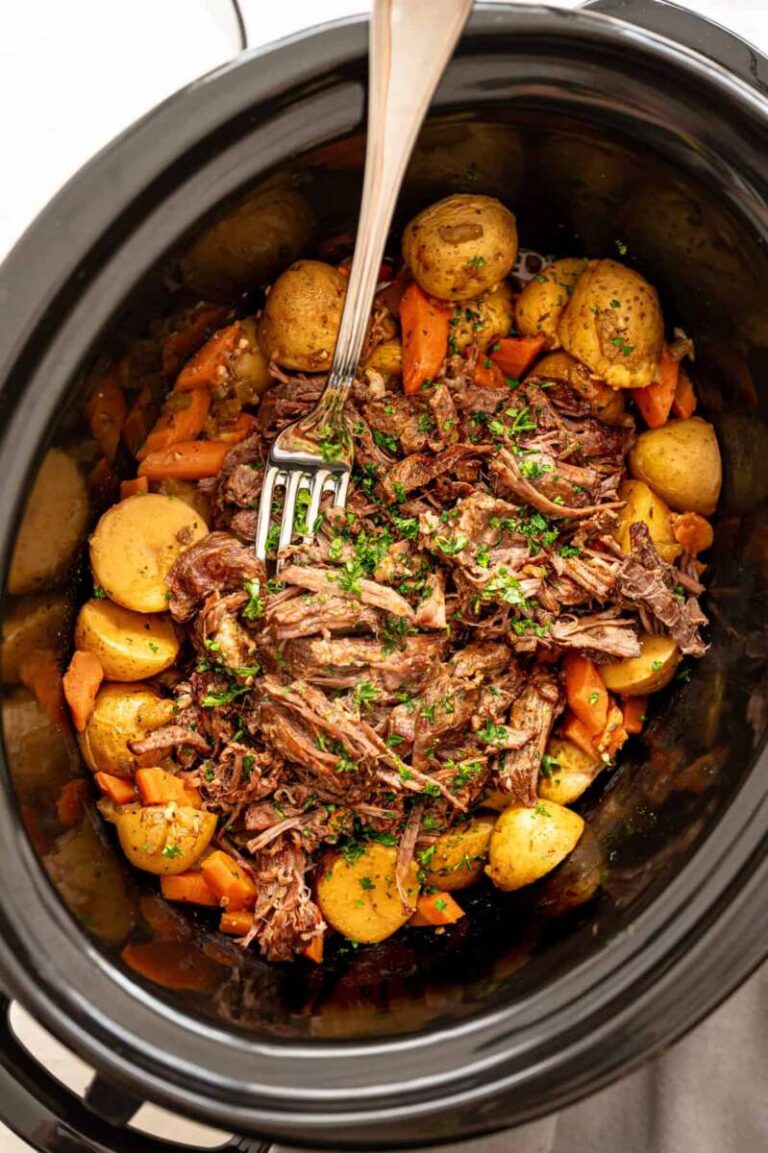
Slow cooker: low-and-slow reheating
- How to: Put food in a slow cooker on low and check after 30–60 minutes. Stir occasionally for even warmth.
- Best for: Soups, stews, large batches when you have time.
- Tip: Great for keeping food warm for serving, but not ideal for quick reheats.
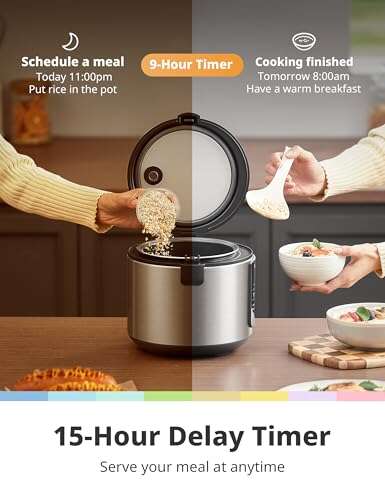
Instant Pot or electric pressure cooker (sauté/steam modes)
- How to: Use the sauté function to brown or warm quickly, or use steam function with a cup of water for gentle reheating. Use short times and quick release.
- Best for: Rice, stews, meats, soups.
- Tip: The instant pot can reheat large portions without drying them out.
Air fryer: fast and crispy reheats
- How to: Preheat to 325°F to 350°F. Place food in the basket in a single layer; check and shake halfway through.
- Best for: Fried foods, fries, chicken wings, pizza slices.
- Tip: Use parchment or foil for sticky foods; don’t overcrowd for even airflow.
Grill or broiler: quick high-heat finish
- How to: Use indirect heat on a grill or place dish under a preheated broiler for a few minutes. Watch closely to avoid burning.
- Best for: Meats, vegetables, pizza, toast.
- Tip: Use for adding char or crispness after gentle reheating.
Best practices and food safety when reheating without a microwave
Always reheat leftovers until they reach an internal temperature of 165°F. Use a food thermometer for accuracy. Reheat food evenly by stirring or flipping, and avoid reheating more than once to reduce bacterial risk. When reheating dense foods like casseroles, cover and use moderate heat to allow the center to warm without drying the edges. If food sits more than two hours at room temperature, discard it. These habits keep reheats safe and tasty.

Tips for specific foods
Short, actionable tips for common leftovers.
- Rice and grains: Add 1–2 tablespoons of water per cup and cover. Heat on stove or in a steamer for moist results.
- Pasta: Use a skillet with a splash of sauce or water; toss until warmed. Avoid high heat to prevent drying.
- Pizza: Reheat in a skillet with a lid or in an oven/toaster oven at 375°F for a crisp crust.
- Chicken and meat: Slice thin for faster, even reheating. Use oven or skillet and monitor temperature.
- Vegetables: Steam briefly or toss in a hot skillet for texture and flavor.
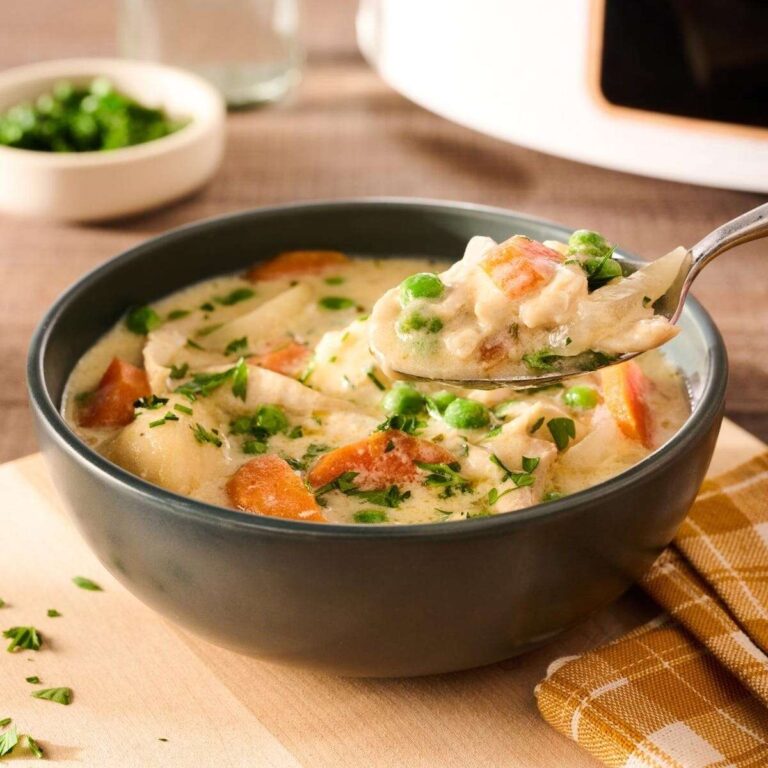
- Soups and stews: Warm on the stovetop on low to medium heat, stirring occasionally.
Tools and gear that make reheating easier
You don’t need fancy tools, but a few items help a lot.
- Heavy-bottomed saucepan: Distributes heat evenly and prevents burning.
- Cast-iron skillet: Great for crisping and even heating.
- Instant-read thermometer: Ensures safe internal temperatures.
- Steamer basket or bamboo steamer: Ideal for gentle reheating.
- Toaster oven or air fryer: Energy-efficient ways to mimic an oven.
- Heatproof bowls and lids: Useful for bain-marie and stovetop steaming.

My personal experiences and mistakes to avoid
I once reheated a large lasagna too quickly in the oven and ended up with dry edges and a cold center. I learned to lower the temp, cover with foil, and allow extra time. Another time I tried reviving fried food in the microwave and ended up with soggy texture; switching to a skillet or air fryer made the food crisp again. From trial and error, I’ve learned to slice meats, add small amounts of liquid to grains, and always use a thermometer for big portions. These small habits save time and make leftovers taste like new.
Frequently Asked Questions of how to heat up food without a microwave
Can I safely reheat food without a microwave?
Yes. Reheating on the stovetop, oven, or steamer is safe when you heat food to 165°F and stir or rotate to ensure even temperature.
How do I reheat rice without drying it out?
Add a tablespoon or two of water per cup, cover, and warm on low heat while stirring occasionally to redistribute moisture.
What’s the best method for reheating pizza?
Use a skillet with a lid or an oven/toaster oven at 375°F to maintain a crispy crust and warm toppings evenly.
Can I use an instant pot to reheat leftovers?
Yes. Use the sauté setting for quick warms or steam with a small amount of water for gentle reheating; monitor time closely.
Is it safe to reheat food more than once?
It’s best to avoid reheating food multiple times. Reheat only the portion you plan to eat to reduce bacteria growth and preserve quality.
Conclusion
You don’t need a microwave to enjoy hot, tasty meals. Mastering how to heat up food without a microwave gives you control over texture and flavor, keeps food safe, and expands your cooking skills. Start with the stovetop and oven techniques, add a few handy tools like a thermometer and steamer, and practice timing for your favorite dishes. Try one method tonight and see how much better your leftovers can taste — then share your results or questions below to keep the conversation going.

Appliance Review Expert
Lucas Ramirez is a trusted voice at HomeFixGrid.com, known for his clear, practical, and creatively written guides that simplify appliance care for everyday homeowners. With a strong focus on hands-on testing and real-world problem-solving, Lucas brings expert insight into appliance reviews and troubleshooting techniques. Her work empowers readers to confidently maintain, repair, and choose the right appliances for their homes.