Can You Microwave Raw Shrimp: Safe Cooking Guide
Yes, you can microwave raw shrimp safely when you cover it, cook it evenly, and check its final temperature.
Can you microwave raw shrimp and still keep it tender? Yes, but shrimp cook fast and can turn rubbery in seconds. This guide explains the safest method, the best timing, common mistakes, and how to tell when your shrimp is fully cooked.
Can You Microwave Raw Shrimp Safely?
Yes, you can microwave raw shrimp. A microwave uses heat to cook the shrimp just like a pan or steamer does. The main challenge is that microwave ovens heat food unevenly, so some shrimp may cook before others.
Raw shrimp should reach an internal temperature of 145°F, according to U.S. food safety guidance. The flesh should look firm, pearly, and opaque instead of gray or clear.
Microwave cooking is safe when you follow these basic rules:
- Use a microwave-safe dish.
- Arrange shrimp in one even layer.
- Cover the dish with a vented lid or damp paper towel.
- Cook in short intervals.
- Stir or rearrange the shrimp halfway through.
- Check the thickest shrimp before serving.
When people ask, “Can you microwave raw shrimp?” they often worry that the microwave will make it unsafe. The microwave itself is not the problem. Uneven heating, poor timing, and leaving the shrimp at room temperature for too long create the real risks.
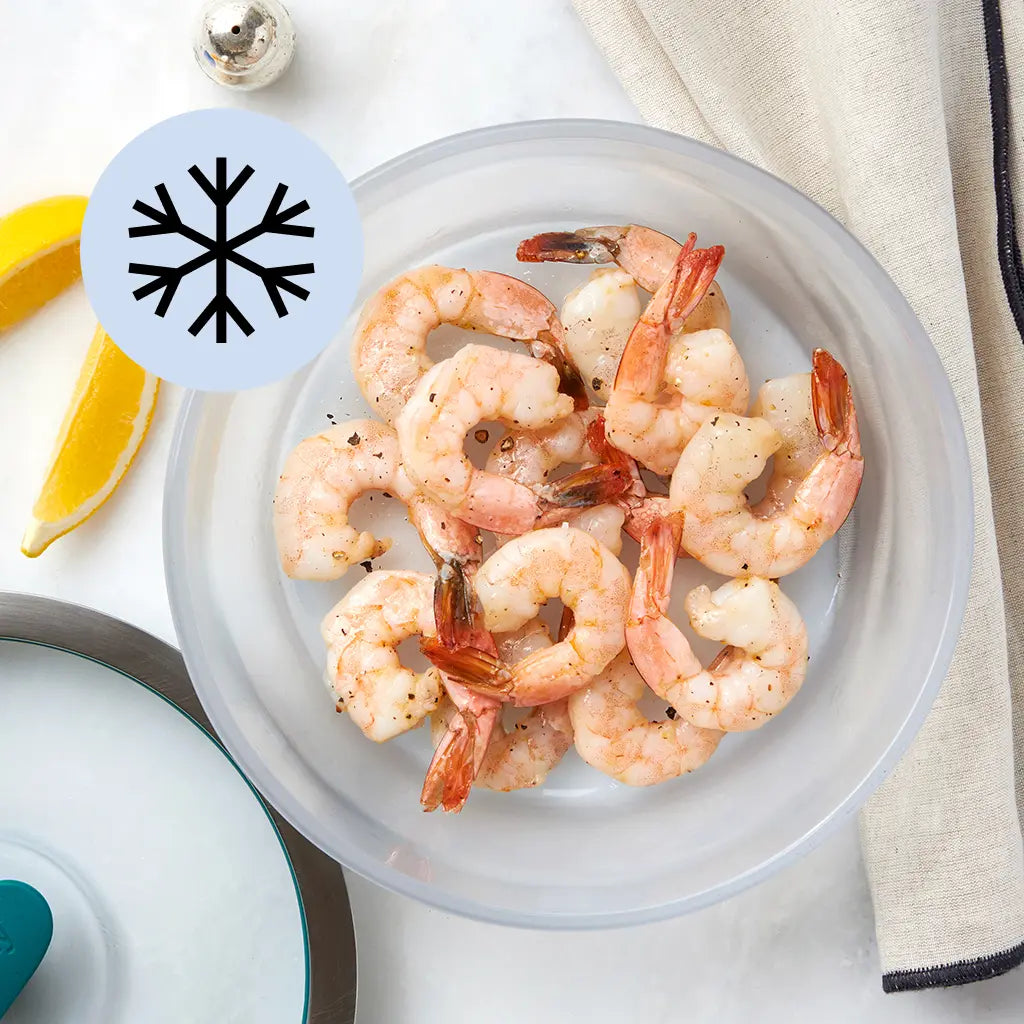
How to Microwave Raw Shrimp Step by Step
This method works well for peeled and deveined shrimp. It also helps prevent the edges from drying out while the center cooks.
1. Prepare the shrimp
If the shrimp are frozen, thaw them in the refrigerator overnight or use the defrost setting on your microwave. If you use the microwave to thaw shrimp, cook them right away.
Rinse the shrimp under cool running water if needed. Then pat them dry with paper towels. Excess water can make the shrimp steam more than roast, but a little moisture helps keep them tender.
Remove the shells if you want easy eating. You can leave the tails on for presentation. If the shrimp have shells, make sure they are not tightly sealed in a container.
2. Season and arrange
Place the raw shrimp in a microwave-safe glass or ceramic dish. Arrange them in a single layer with the thicker parts toward the outside of the dish.
Add a small amount of liquid, such as:
- One tablespoon of water
- One teaspoon of lemon juice
- A splash of broth
- One teaspoon of melted butter or olive oil
Season with salt, pepper, garlic, paprika, or Old Bay-style seasoning. Avoid adding too much salt before cooking because shrimp already contain natural salt.
3. Cover the dish
Cover the dish with a microwave-safe lid that allows steam to escape. You can also use a damp paper towel.
Do not seal the dish tightly. Steam needs room to vent. A sealed container can build pressure and become dangerous when opened.
4. Cook in short intervals
Microwave the shrimp on high power for 30 seconds. Then check and rearrange them.
Continue cooking in 15 to 30-second bursts. Most medium shrimp take about 1 to 2 minutes, while larger shrimp may need 2 to 3 minutes. Exact time depends on the shrimp size, starting temperature, amount, and microwave wattage.
5. Check for doneness
The shrimp are ready when they are:
- Opaque and white or pink inside
- Firm but still slightly springy
- Curled into a loose “C” shape
- Heated through in the center
A tightly curled “O” shape often means the shrimp are overcooked. If you have a food thermometer, check the thickest shrimp. It should reach 145°F.
Let the shrimp rest for about one minute before eating. This allows the heat to spread through the dish.
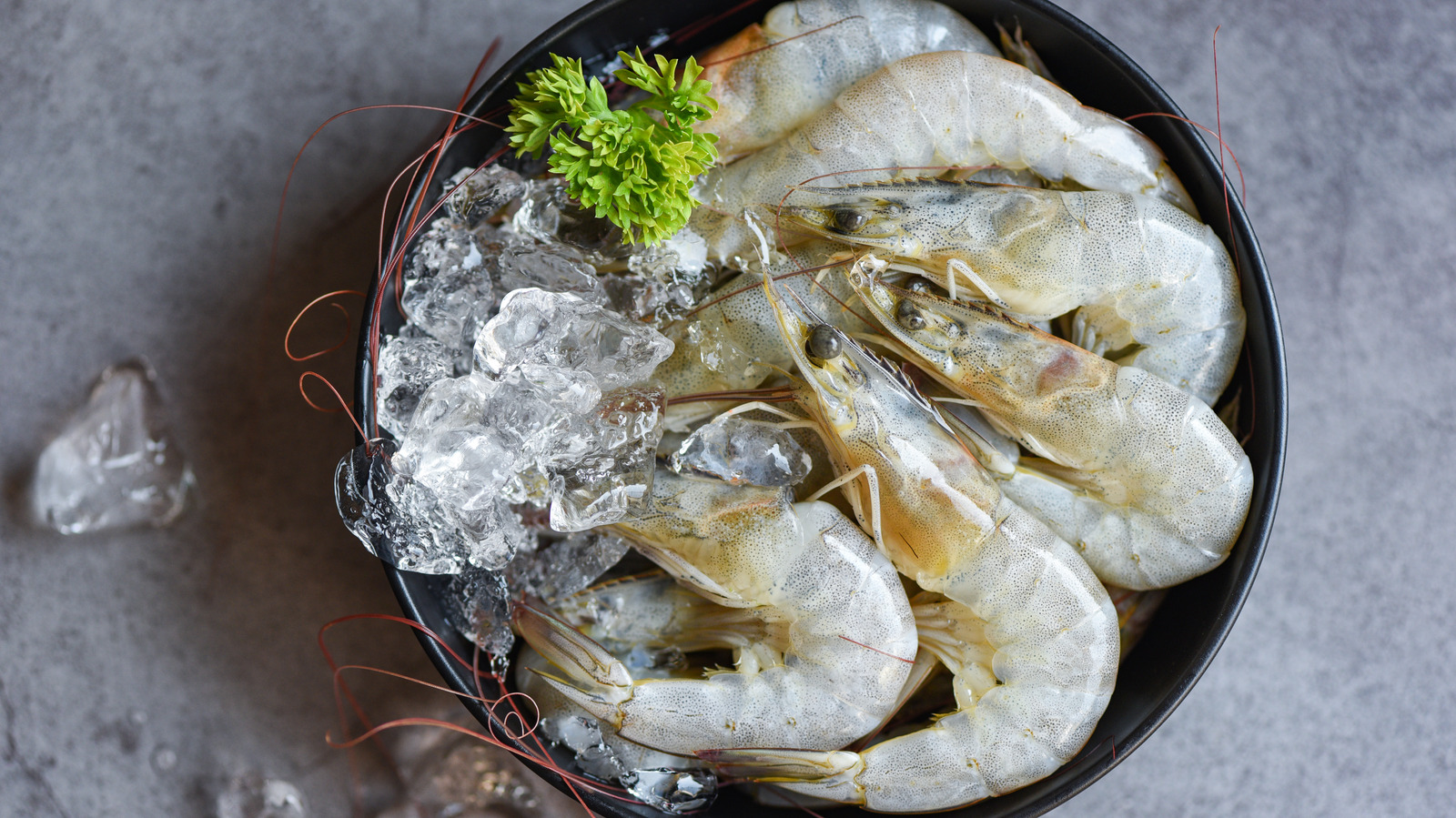
How Long Does It Take to Microwave Raw Shrimp?
Microwave cooking time depends on shrimp size and whether the shrimp are fresh or frozen. The times below are starting points, not fixed rules.
| Shrimp size | Fresh or thawed shrimp | Frozen shrimp |
|---|---|---|
| Small | 45 to 75 seconds | 1½ to 2½ minutes |
| Medium | 1 to 2 minutes | 2 to 3 minutes |
| Large | 1½ to 2½ minutes | 3 to 4 minutes |
| Extra-large | 2 to 3 minutes | 4 to 5 minutes |
These times assume about half a pound of shrimp in a standard microwave. A crowded dish may need more time because the shrimp block one another from heating evenly.
Start with less time than you think you need. You can always add another 15 seconds. You cannot reverse tough, overcooked shrimp.
Microwave power also matters. A 1,200-watt microwave cooks faster than a 700-watt model. If your microwave is powerful, use shorter intervals and check often.

The Best Microwave Method for Tender Shrimp
The best way to microwave raw shrimp is to use gentle steam and short cooking bursts. Think of the microwave as a quick steamer rather than a frying pan.
Use this simple formula:
- Place shrimp in a single layer.
- Add one tablespoon of liquid.
- Cover with a vented lid.
- Cook for 30 seconds.
- Stir or turn the shrimp.
- Continue in 15 to 30-second bursts.
- Stop as soon as the shrimp are opaque and reach 145°F.
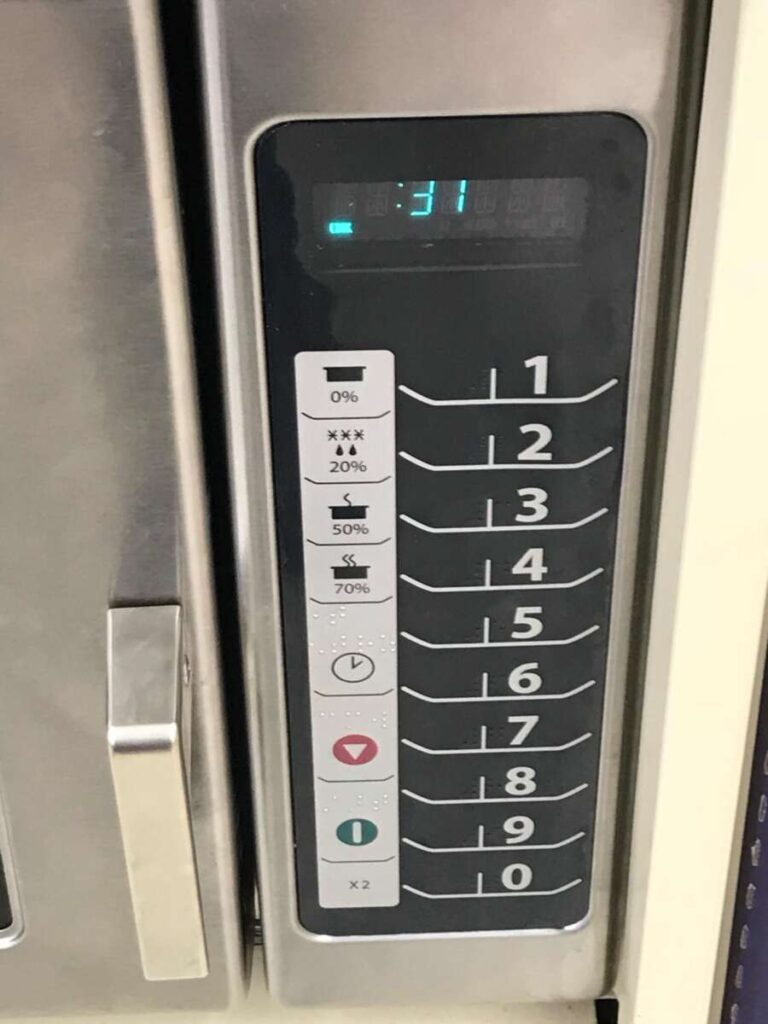
A lower power setting can also help. Try 70% power when cooking a large batch. The process may take longer, but the heat can spread more gently.
Butter, lemon juice, and garlic make a simple microwave shrimp dish. Add cooked rice, pasta, vegetables, or tortillas after the shrimp are done. Do not add delicate herbs too early because they can lose their fresh flavor.
From practical kitchen testing, the most common mistake is using a full two or three minutes without checking. Shrimp are small, so they can go from tender to chewy very quickly. Short bursts give you much better control.
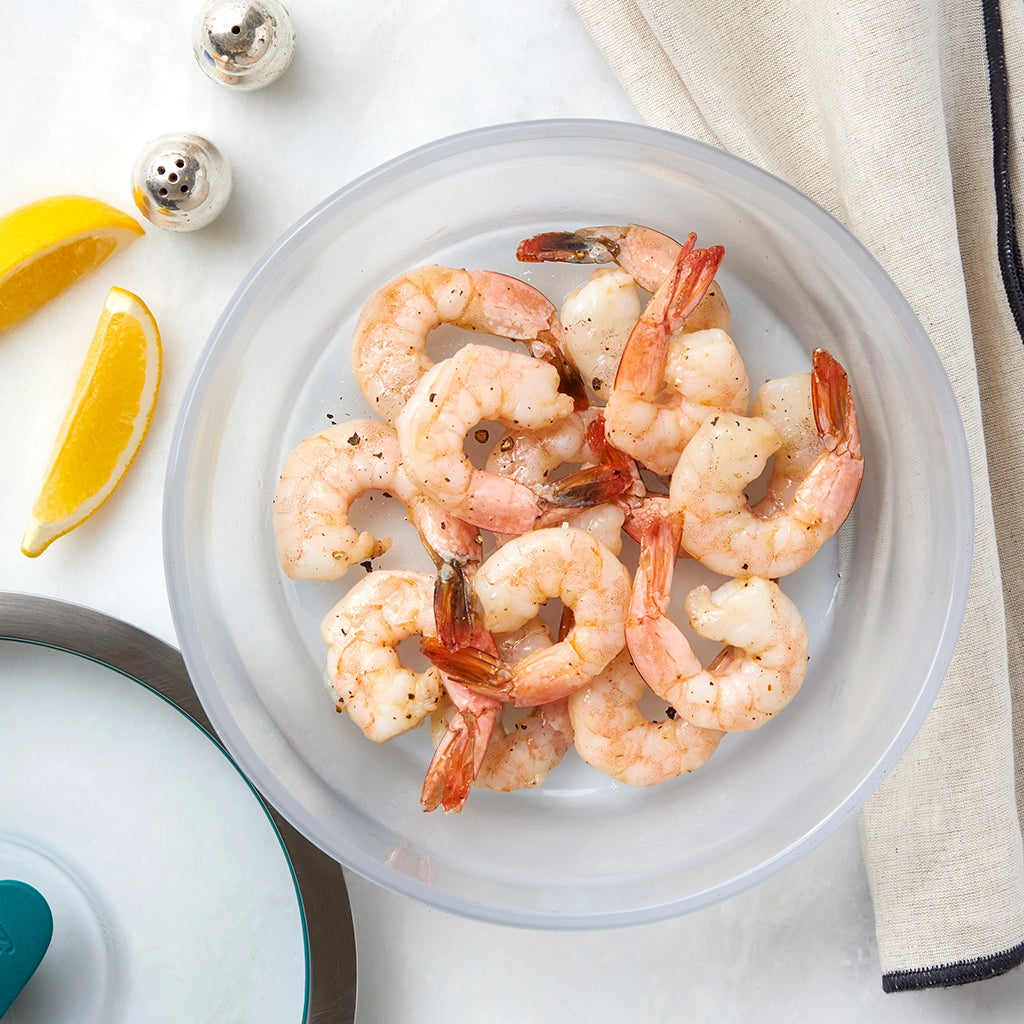
Can You Microwave Raw Shrimp From Frozen?
Yes, you can microwave raw shrimp from frozen, but thawing them first usually gives better results. Frozen shrimp release water as they cook, which can create a watery dish and uneven texture.
If you must cook frozen shrimp in the microwave, spread them in a single layer. Use the defrost setting first, drain away excess liquid, and then cook them immediately.
Never thaw shrimp on the counter. Raw seafood should stay cold while it thaws. The refrigerator is the safest choice because it keeps the shrimp below the temperature range where bacteria grow quickly.
For the best texture:
- Thaw shrimp in the refrigerator.
- Drain and pat them dry.
- Cook them soon after thawing.
- Avoid refreezing shrimp that have been thawed in the microwave.
- Do not leave cooked shrimp at room temperature for more than two hours.
If the room is above 90°F, such as during a summer picnic, refrigerate shrimp within one hour.
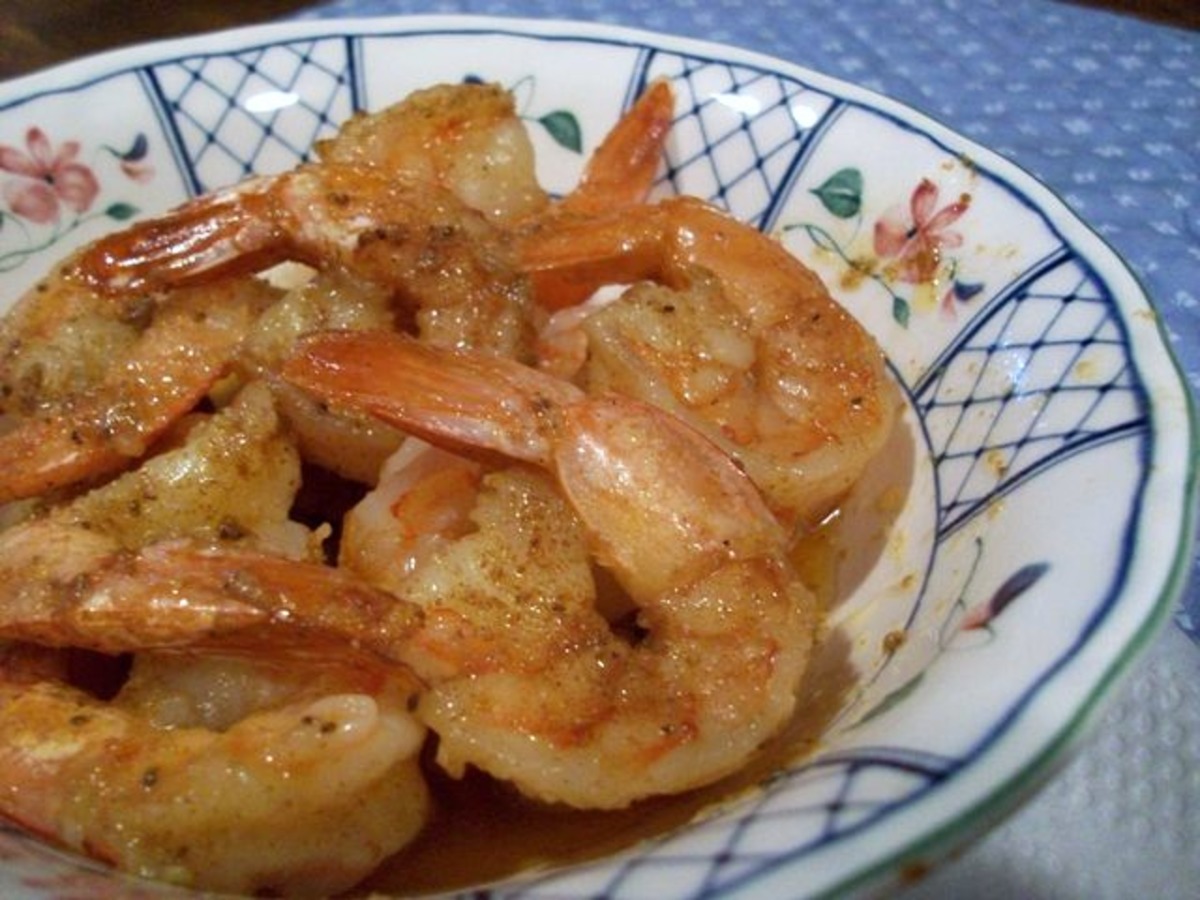
Can You Microwave Raw Shrimp With the Shell On?
You can microwave raw shrimp with the shell on, but peeled shrimp are easier to cook evenly. Shells can protect the meat from direct heat, so cooking may take a little longer.
If you leave the shell on, rinse the shrimp and remove any sharp pieces. You can make a shallow cut along the back to remove the vein. Place the shrimp in a single layer and cover the dish.
Do not microwave shrimp in a sealed plastic bag or tightly closed container. Steam pressure can build up and cause the container to burst.
Shrimp with shells may also release more liquid. Drain the dish carefully after cooking, especially if you plan to serve the shrimp with sauce.
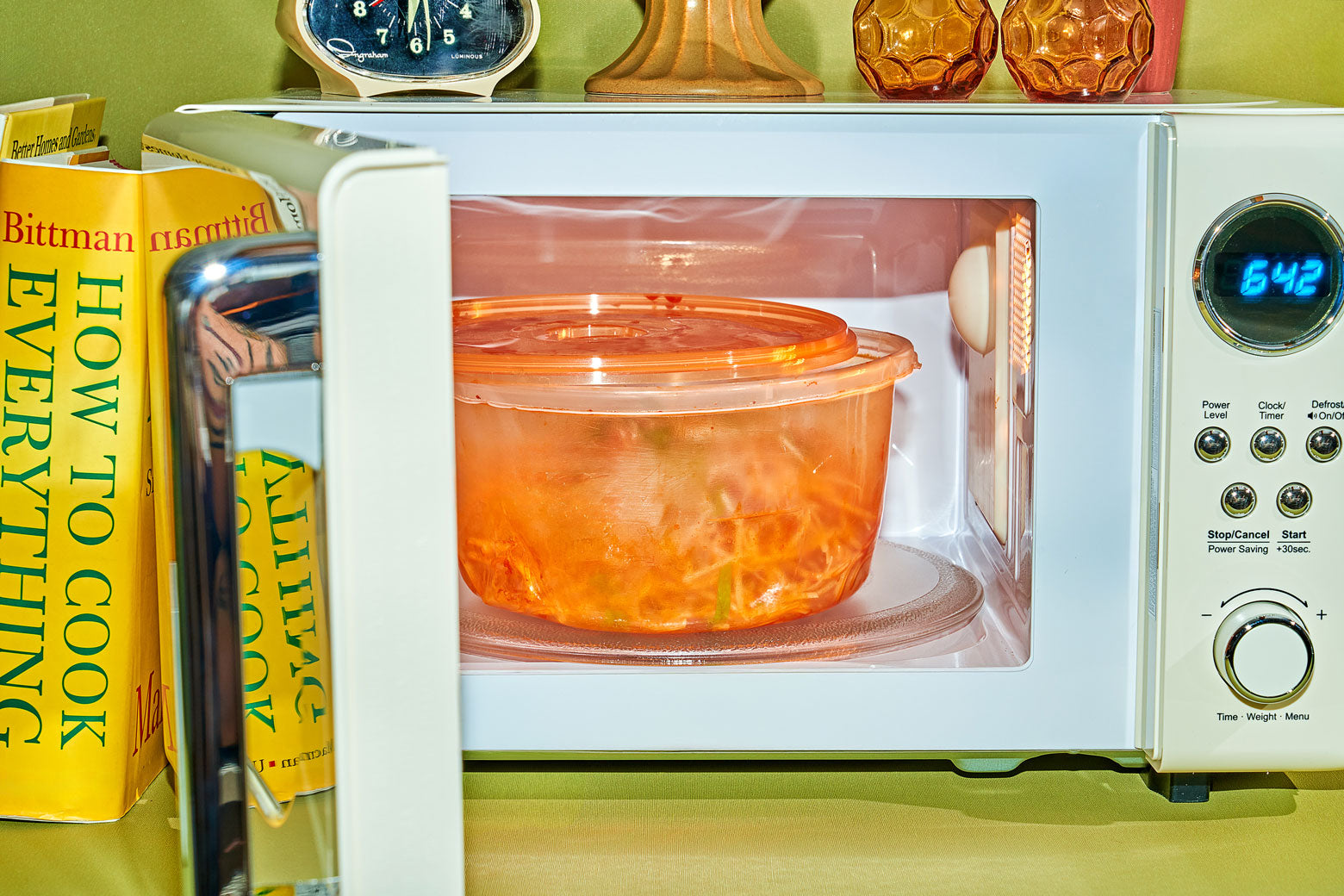
Signs That Microwaved Shrimp Are Done
Color is a helpful guide, but it is not the only safety test. Raw shrimp can change color before they are fully heated in the center.
Look for these signs:
- The center is opaque, not glassy.
- The flesh feels firm and springy.
- The shrimp are hot throughout.
- The thickest piece reaches 145°F.
- The shrimp have a loose curve rather than a tight circle.
If the shrimp still look gray or translucent in the center, cook them for another 15 seconds. Let them stand briefly, then check again.
Shrimp can continue cooking slightly after the microwave stops. However, do not rely on resting time alone to make undercooked seafood safe. If you are unsure, use a food thermometer.
A thermometer is especially useful for pregnant people, young children, older adults, and anyone with a weakened immune system. These groups face a higher risk from foodborne illness.

Common Mistakes When Microwaving Raw Shrimp
Microwaving raw shrimp is simple, but a few mistakes can ruin the texture or create a safety issue.
Cooking too long
Overcooked shrimp become dry, chewy, and rubbery. Short cooking intervals are the easiest way to prevent this problem.
Piling shrimp in a deep bowl
A thick pile heats unevenly. The outside shrimp may overcook while the center remains cold. Use a shallow dish instead.
Skipping the cover
An uncovered dish can leave the shrimp dry and tough. Covering traps gentle steam and helps the meat stay moist.
Using a sealed container
Steam needs to escape. A sealed container can become pressurized and may burst when opened.
Trusting color alone
Color helps, but a thermometer gives a more reliable check. The thickest shrimp should reach 145°F.
Reheating shrimp for too long
Cooked shrimp need only gentle reheating. Use 15 to 20-second intervals and stop when they are hot. Repeated heating can quickly make them tough.
Leaving shrimp out too long
Do not let raw or cooked shrimp sit at room temperature for extended periods. Refrigerate leftovers promptly in a shallow, covered container.
Microwave Shrimp Recipe
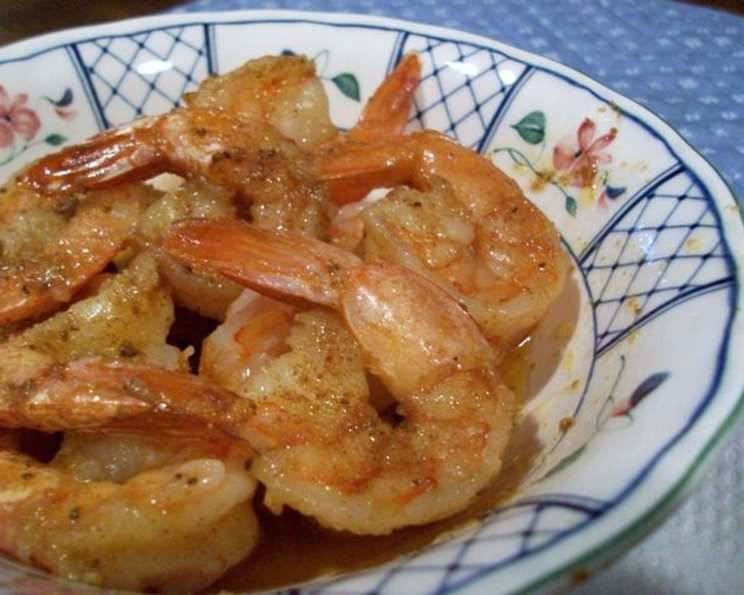
This basic recipe makes a quick serving for one or two people.
Ingredients
- ½ pound raw shrimp, peeled and deveined
- 1 tablespoon water or lemon juice
- 1 teaspoon butter or olive oil
- ¼ teaspoon garlic powder
- Salt and pepper to taste
- Chopped parsley, optional
Instructions
- Place the shrimp in a shallow microwave-safe dish.
- Add the water, lemon juice, butter, garlic powder, salt, and pepper.
- Cover with a vented lid or damp paper towel.
- Microwave on high for 30 seconds.
- Stir and turn the shrimp.
- Continue cooking in 15 to 30-second bursts.
- Stop when the shrimp are opaque and reach 145°F.
- Rest for one minute, then garnish with parsley.
Serve the shrimp over rice, noodles, salad, or toasted bread. You can also add them to tacos with cabbage and lime.
For a richer dish, stir in a teaspoon of butter after cooking. Adding it at the end keeps the flavor bright and reduces the chance of the butter separating.
Is Microwaving Raw Shrimp Better Than Pan Cooking?
Microwaving is faster and uses fewer dishes than pan cooking. It works well when you need a small portion for lunch, a quick topping, or a simple weeknight meal.
Pan cooking gives you more control over browning and texture. It is usually better for dishes where you want seared edges, such as garlic shrimp or shrimp scampi.
Microwaving has a few limits:
- It does not create a crisp, browned surface.
- Cooking can be uneven.
- Timing varies between microwave models.
- Large batches may not fit well in one layer.
- Shrimp can overcook quickly.
Choose the microwave when speed matters. Choose a skillet when flavor, browning, and presentation matter more. Both methods can produce safe, tasty shrimp when the seafood reaches the proper temperature.
How to Store and Reheat Microwaved Shrimp
Place leftover shrimp in a shallow, airtight container. Refrigerate them within two hours of cooking, or within one hour if the temperature is above 90°F.
Use refrigerated cooked shrimp within three to four days. If the shrimp smell sour, feel slimy, or look unusual, throw them away. Do not taste questionable seafood to decide whether it is safe.
To reheat shrimp in the microwave:
- Place the shrimp in a microwave-safe dish.
- Add a teaspoon of water, broth, or sauce.
- Cover the dish loosely.
- Heat for 15 to 20 seconds.
- Stir and repeat only if needed.
Reheat only the portion you plan to eat. Several rounds of heating can make shrimp dry and rubbery.
Frequently Asked Questions About Can You Microwave Raw Shrimp
Can you microwave raw shrimp without water?
Yes, but adding a small amount of water, broth, lemon juice, or butter helps prevent dryness. Cover the dish and cook in short bursts for better moisture and texture.
Can you microwave raw shrimp in a plastic bag?
Only use a bag that clearly states it is microwave-safe, and never seal it tightly. A vented microwave-safe container is usually safer and easier to monitor.
Can you microwave raw shrimp to defrost them?
Yes, use the microwave defrost setting and separate the shrimp as they soften. Cook them immediately after microwave thawing because some areas may begin to warm during the process.
How do you know when microwaved shrimp are done?
Fully cooked shrimp look opaque and feel firm but springy. For the most reliable check, measure the thickest shrimp with a food thermometer and confirm it reaches 145°F.
Can you microwave raw shrimp with vegetables?
Yes, but add dense vegetables first because they take longer to cook. Add the shrimp later so they do not become overcooked while the vegetables soften.
Why do microwaved shrimp become rubbery?
Shrimp become rubbery when they are exposed to too much heat for too long. Use short intervals, stir halfway through, and stop cooking as soon as the shrimp are done.
Is it safe to microwave cooked shrimp again?
Yes, cooked shrimp can be reheated safely if they were refrigerated promptly. Use short intervals with a little moisture and heat only until they are warm.
Conclusion
So, can you microwave raw shrimp? Yes. Use a shallow microwave-safe dish, add a little moisture, cover it loosely, and cook the shrimp in short bursts. Check the thickest piece for an internal temperature of 145°F, and stop as soon as the shrimp turn opaque and firm.
Microwaving will not provide the browned flavor of a skillet, but it is a fast and practical way to cook a small serving. Try the method with your next meal, and share your favorite microwave shrimp seasoning or recipe in the comments.

Appliance Review Expert
Lucas Ramirez is a trusted voice at HomeFixGrid.com, known for his clear, practical, and creatively written guides that simplify appliance care for everyday homeowners. With a strong focus on hands-on testing and real-world problem-solving, Lucas brings expert insight into appliance reviews and troubleshooting techniques. Her work empowers readers to confidently maintain, repair, and choose the right appliances for their homes.