How To Choose An Adjustable Bed: Expert Buying Guide
Choose an adjustable bed by matching its position settings, mattress, size, safety features, warranty, and budget to your needs.
Learning how to choose an adjustable bed is easier when you treat it as a complete sleep system, not just a motorized base. After comparing bed frames, mattress types, remote controls, and return policies, I have found that comfort comes from matching each part to your body, room, and daily habits. This guide explains what matters most, what to avoid, and how to make a confident choice.
What Is an Adjustable Bed?
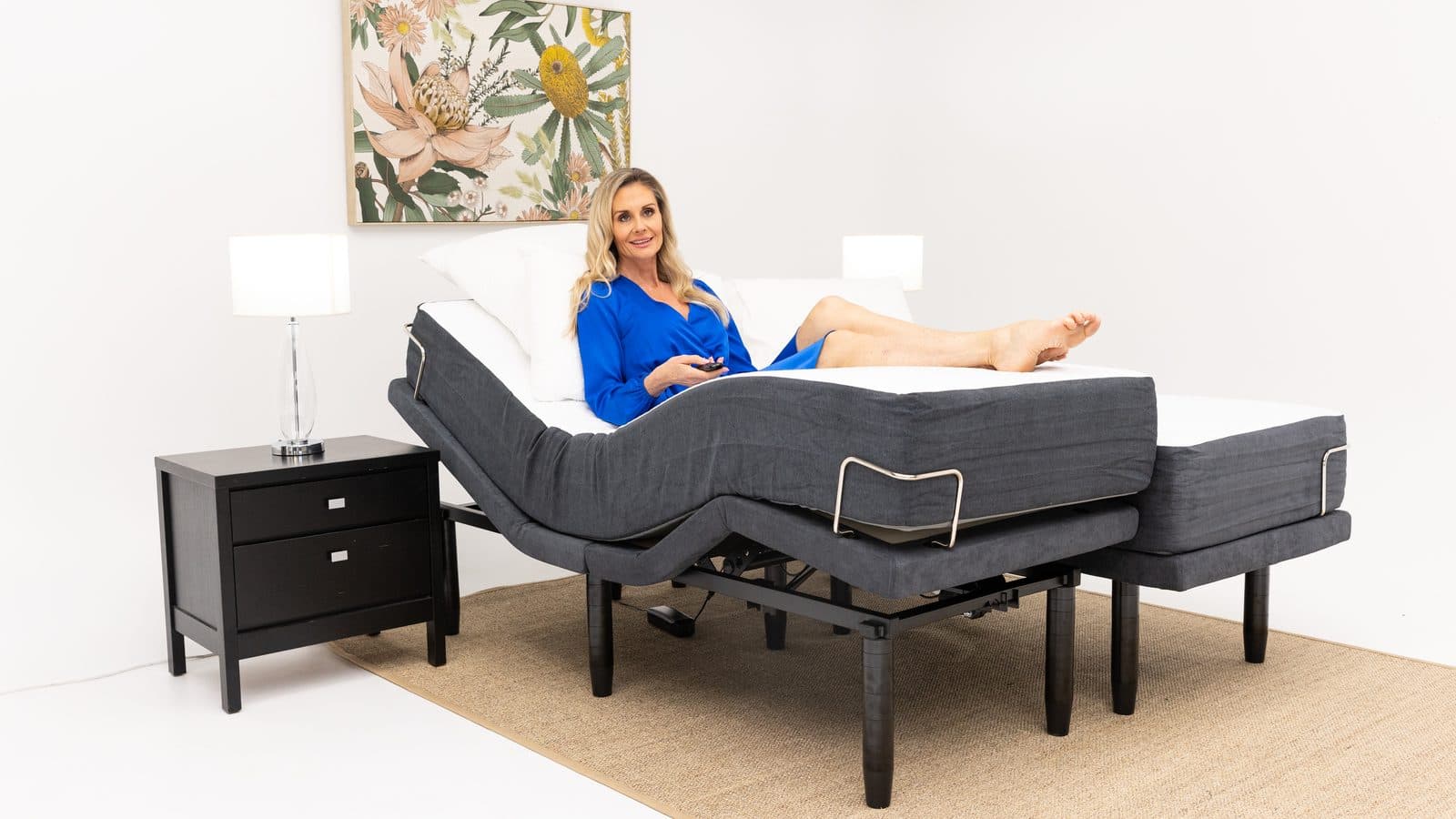
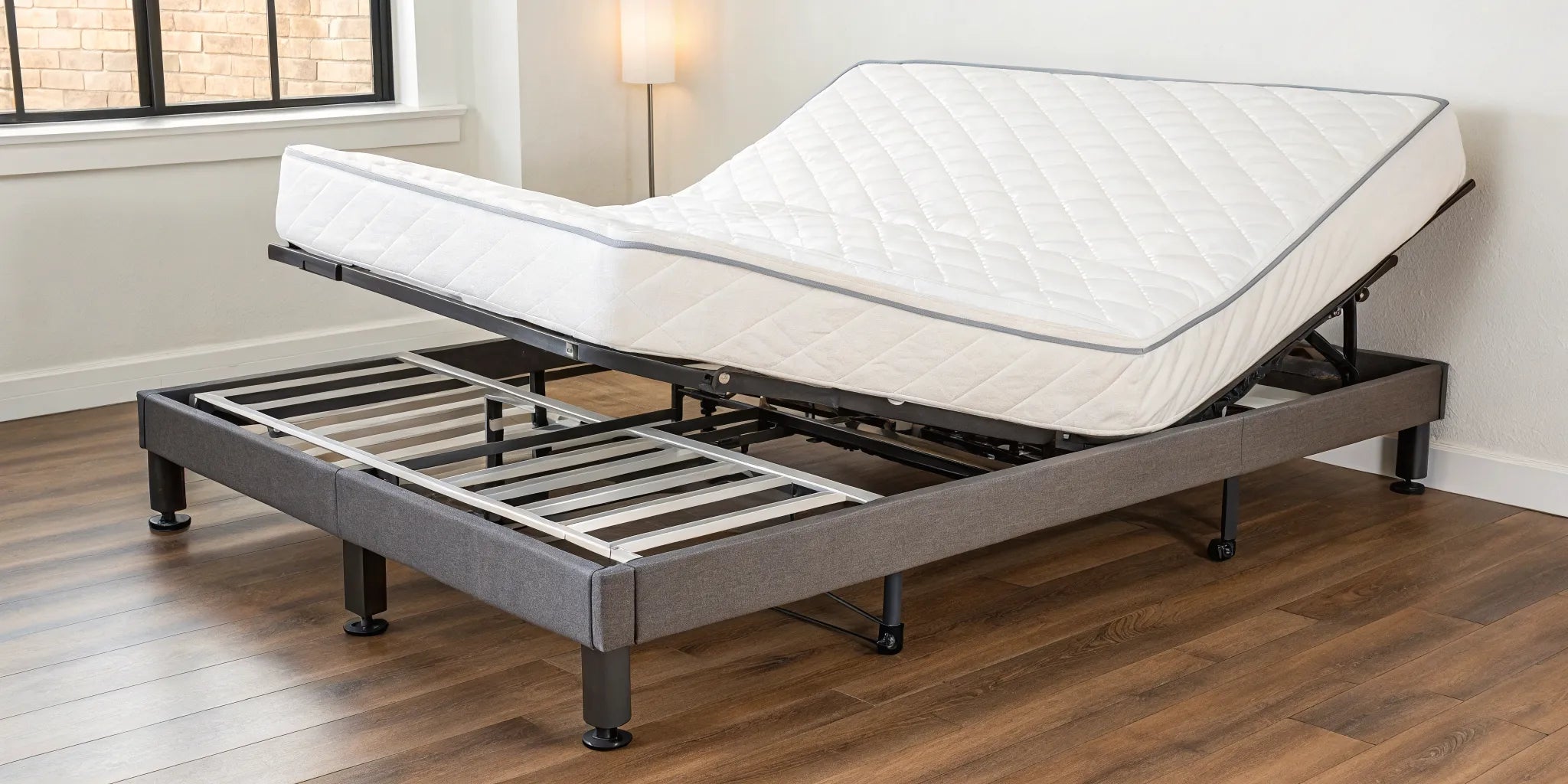
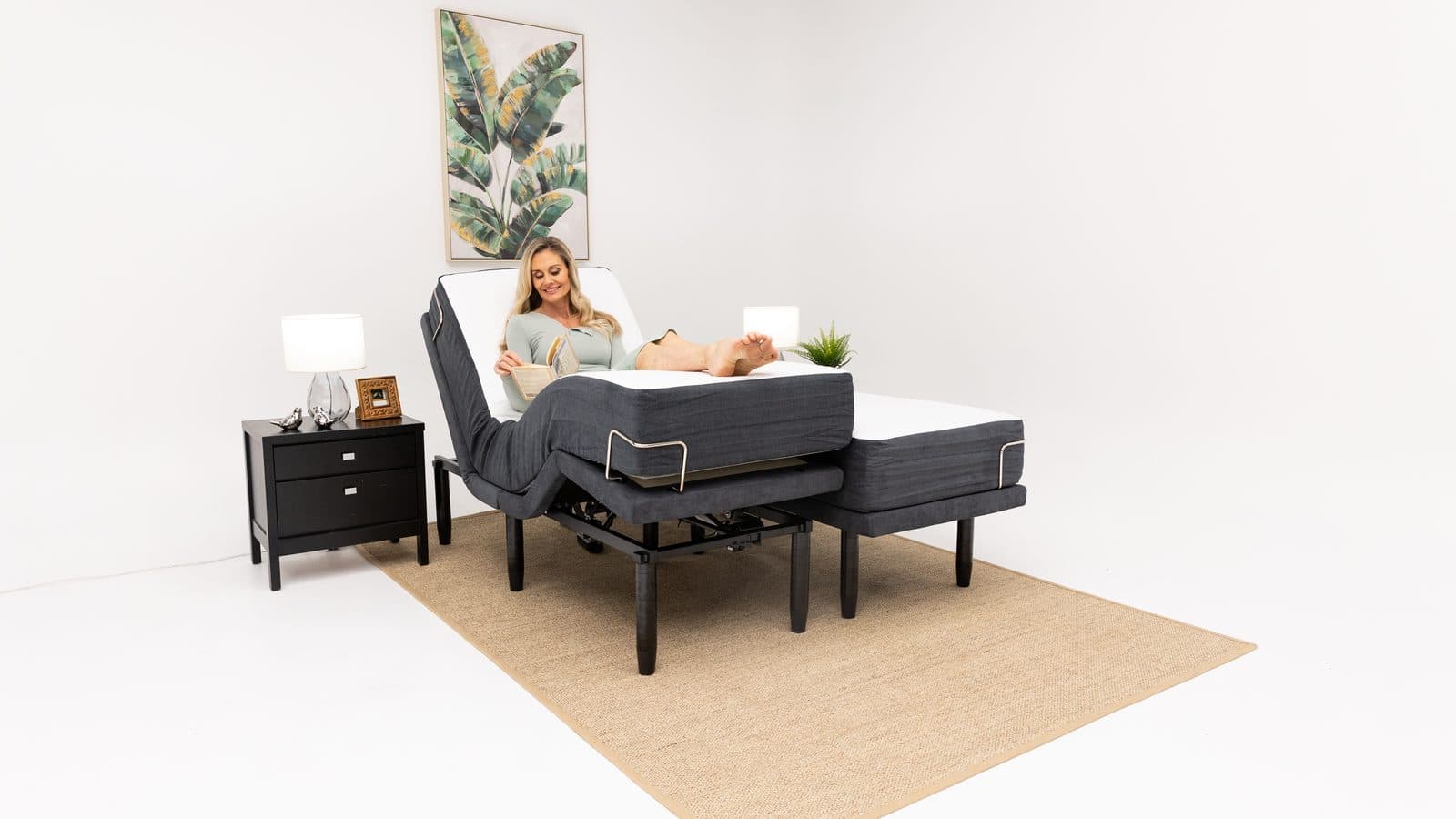
An adjustable bed has a powered base that raises or lowers different parts of the mattress. Most models lift the upper body, legs, or both. You control the movement with a wireless remote or a smartphone app.
Some adjustable bases offer simple head and foot movement. More advanced models may include massage, preset positions, under-bed lighting, sleep tracking, USB ports, and wall-hugging movement.
Unlike a fixed platform bed, an adjustable base lets you change your sleep angle. You can lie flat, raise your head for reading, or lift your legs after a long day.
How to Choose an Adjustable Bed: Start With Your Needs
The best way to learn how to choose an adjustable bed is to begin with your daily routine. A person who reads in bed may need different features than someone who shares a bed with a restless partner.
Ask yourself these questions:
• Do you read, watch TV, or work in bed?
• Do you snore or wake with a dry mouth?
• Do your legs feel tired or swollen after standing?
• Do you sleep alone or with a partner?
• Do you need help getting into or out of bed?
• Do you already own a mattress that you want to keep?
• Do you need smart features, or do you prefer simple controls?
Your answers will help you avoid paying for features you will never use. They also make it easier to compare adjustable beds without being distracted by flashy advertising.
Choose Based on Your Sleep Position
Your usual sleep position matters.
• Side sleepers often need moderate elevation and a flexible mattress that cushions the shoulders and hips.
• Back sleepers may enjoy a slight head and knee lift that supports a neutral spine.
• Stomach sleepers may prefer a flatter position because too much elevation can strain the lower back and neck.
• Combination sleepers need smooth movement and easy preset controls.
An adjustable base cannot fix every sleep problem. A poor mattress, wrong pillow height, or uncomfortable room can still cause pain and poor sleep.

Choose the Right Adjustable Bed Features
Features can improve comfort, but they also increase the price. When learning how to choose an adjustable bed, separate useful features from simple extras.
Head and Foot Adjustment
Head adjustment is one of the most useful functions. It can make reading, watching television, and getting out of bed easier.
Foot adjustment may help you find a more comfortable position. Some people like a raised-leg position after exercise or long periods of standing. However, raising your legs does not treat a medical condition by itself.
Look for a base with smooth, quiet movement. A loud motor may disturb you or your partner at night.
Zero Gravity Mode
Zero gravity mode raises the head and knees to create a balanced, supported position. The name comes from a posture used in space travel, where weight is spread across the body.
Many sleepers enjoy this setting because it can reduce pressure on the lower back. Still, it is not a medical treatment, and comfort varies from person to person.
Try the position for several minutes before buying if you shop in a store. If you buy online, check the trial and return rules first.
Preset and Memory Positions
Preset buttons save time. Common options include:
• Flat
• Zero gravity
• Lounge
• Anti-snore
• Reading
• Television
Memory buttons let you save your own position. This is helpful for couples who use different settings or for people who change positions during the night.
Massage
Many adjustable bases include vibration massage. It may feel relaxing before sleep, but it does not replace professional care for pain or circulation concerns.
Check how many intensity levels the base offers. Also, listen to the motor during a demonstration. Some massage systems create a noticeable hum.
Anti-Snore Setting
An anti-snore setting usually raises the upper body slightly. This may help some people breathe more comfortably, but snoring can have many causes.
Loud snoring, gasping, choking, or extreme daytime sleepiness may point to sleep apnea. Talk with a health professional if these symptoms occur. An adjustable bed should not be used as a replacement for diagnosis or treatment.

Match the Adjustable Base With the Right Mattress
The mattress is just as important as the base. A high-quality adjustable frame cannot make an incompatible mattress comfortable.
Memory Foam Mattresses
Memory foam usually works well on adjustable bases because it bends without much resistance. It can provide pressure relief for side sleepers and couples.
Very dense foam may feel warm. Look for breathable covers, cooling materials, or open-cell designs if you sleep hot.
Latex Mattresses
Latex can work with many adjustable bases, especially when it has a flexible construction. It offers a springier feel than memory foam and often sleeps cooler.
Some thick latex mattresses are less flexible. Always confirm compatibility with the mattress maker.
Hybrid Mattresses
Hybrid mattresses combine foam with coils. Many are adjustable-base friendly, but coil design matters.
A flexible pocketed-coil mattress usually bends more easily than an old-style connected-coil mattress. Check the product details before placing a hybrid mattress on a moving base.
Innerspring Mattresses
Traditional innerspring mattresses may not bend well. Their rigid coil systems can resist movement and may wear unevenly.
If you want to keep an existing innerspring mattress, ask the manufacturer whether it is approved for adjustable use. Do not assume that every mattress will work.
Mattress Thickness and Weight
A very thick or heavy mattress may limit movement. The base may struggle to lift it, especially when bedding and a second person add more weight.
Check the base capacity, mattress thickness range, and weight limit. These numbers are often listed in the product manual.
Check Size, Split Design, and Partner Compatibility
An adjustable bed should fit both your room and your relationship.
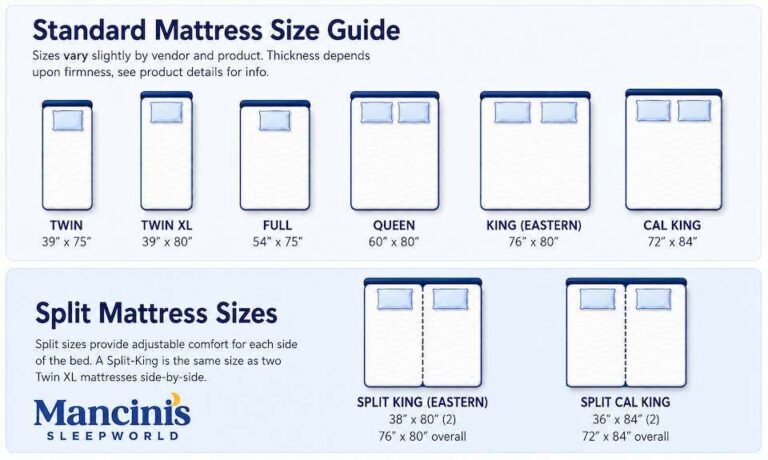
Common sizes include:
• Twin XL
• Full
• Queen
• King
• Split king
• California king, depending on the brand
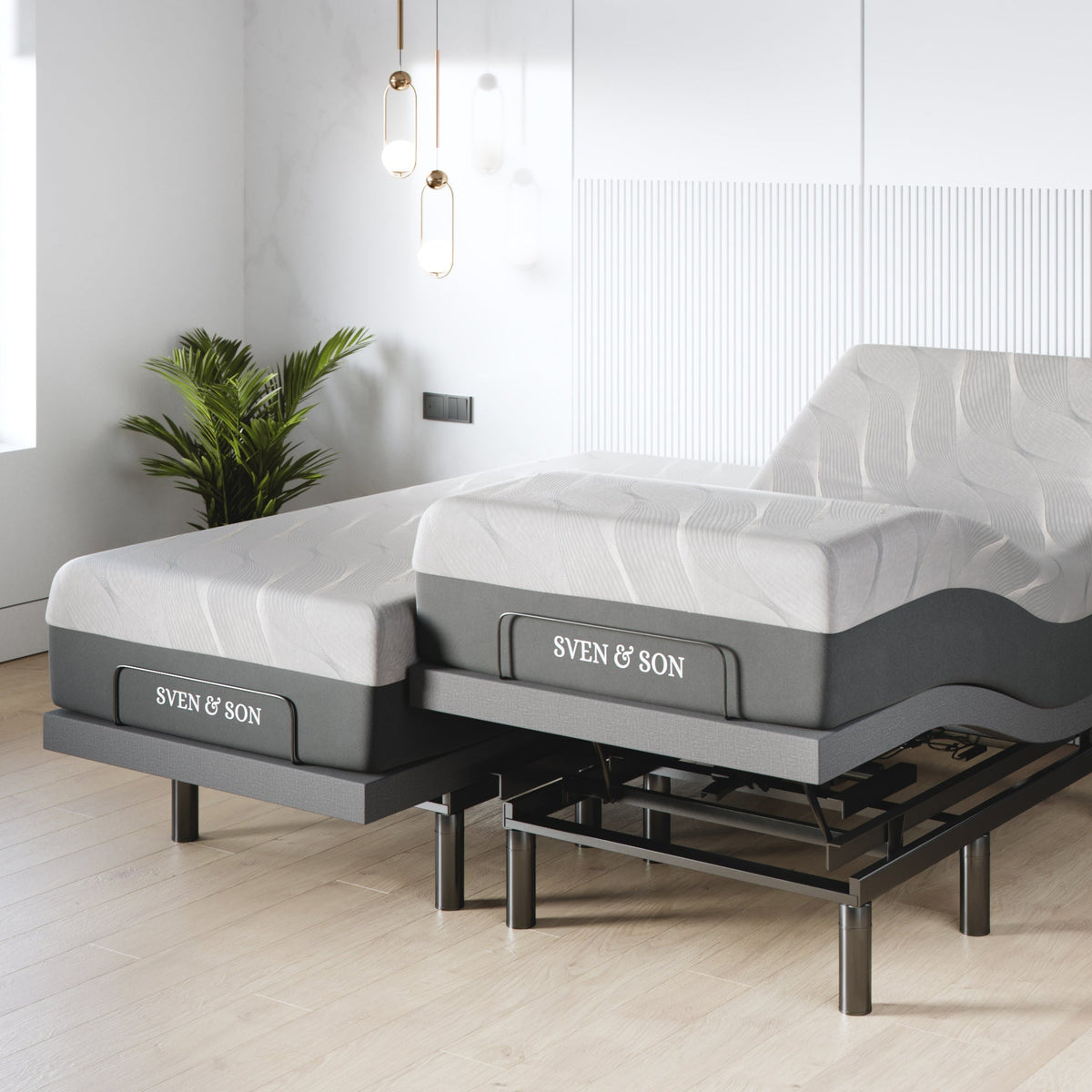
A split king uses two Twin XL bases and two separate mattresses. Each partner can adjust their side without moving the other person.
This design works well when partners have different sleep preferences. It can also help one person read while the other sleeps. The downside is the center gap, which some couples notice.
Measure your room before ordering. Leave enough space to walk around the bed and open nearby drawers. A moving base may also need extra clearance near walls and nightstands.
Some wall-hugging designs move backward as they rise. This helps keep your pillow near the nightstand. It can also preserve access to a lamp, phone, or book.

Review the Safety and Build Quality
A powered bed is a piece of electrical equipment, so safety matters.
Look for these details:
• A clear weight limit
• A stable frame that does not wobble
• Pinch protection around moving parts
• Emergency battery lowering
• Child-lock or remote-lock functions
• Reliable power cords and plugs
• A certification mark from a recognized testing laboratory
The base should sit firmly on the floor. If it rocks, shifts, or makes sharp clicking sounds, stop using it and contact the seller.
Keep cords away from walkways. Do not place heavy objects under moving parts. Follow the setup instructions, especially when using a split king.
People with limited mobility should also consider the bed height. A tall mattress and base may make it harder to sit down safely. A low setup may be difficult to rise from. The right height allows your feet to touch the floor while you sit at the edge.
Compare Adjustable Bed Prices and Long-Term Value
Adjustable bed prices vary widely. Basic bases may offer head and foot movement at a lower cost. Premium models may include massage, tracking, lighting, and smart-home controls.
Do not compare only the sale price. Review the full cost, including:
• Mattress
• Bedding for an adjustable frame
• Delivery
• In-home setup
• Removal of your old bed
• Extended warranty
• Return shipping
A low-cost base may be a good choice if it has the movement you need and a solid warranty. A costly model is not automatically better.
I often see shoppers focus on massage modes while overlooking the return policy. That is a mistake. The most important feature is a base that works quietly, safely, and comfortably with your mattress.
Understand the Warranty
Read the warranty in sections. Many warranties cover the frame for a long period but cover electrical parts for fewer years.
Check whether the warranty includes:
• Motor failure
• Remote failure
• Noise problems
• Labor
• In-home service
• Shipping costs
Also look for exclusions. Damage from exceeding the weight limit or using an unapproved mattress may not be covered.
Test the Adjustable Bed Before You Buy
Testing an adjustable bed can reveal problems that product photos hide. Spend at least 10 to 15 minutes in your normal sleep positions if possible.
Try these steps:
-
Lie flat and check whether your body feels supported.
-
Raise your head and notice pressure around your neck.
-
Lift your legs and check your lower-back comfort.
-
Test the remote from several positions.
-
Listen for motor noise.
-
Check whether the mattress shifts or bunches.
-
Sit on the edge and stand up.
-
Try the preset buttons.
If you shop online, look for a home trial. Read the fine print carefully. Some companies require you to keep the base for a minimum period. Others charge return shipping or do not accept returns on certain products.
Take screenshots of the return policy before buying. Policies can change, and saved details may help if a problem occurs.

Common Mistakes to Avoid
Knowing how to choose an adjustable bed also means knowing what not to do.
Buying the Base Before Checking the Mattress
Not every mattress works with every base. Confirm compatibility before placing an order.
Choosing Too Many Features
A massage function or phone app may sound exciting. If you prefer a simple remote, these features may add cost without adding value.
Ignoring the Room Layout
A split king can take up more space than expected. Measure the room, doorways, stairs, and hallways before delivery day.
Forgetting Bedding Compatibility
Deep-pocket sheets often work best, but extra-thick sheets may slip when the base moves. Look for sheets made for adjustable beds.
Overlooking the Noise Level
A noisy motor can wake a light sleeper. Ask for a sound demonstration or check independent customer reviews.
Trusting Every Health Claim
An adjustable bed may improve comfort for some people. It does not cure back pain, acid reflux, sleep apnea, or poor circulation. Speak with a qualified clinician about ongoing symptoms.
How to Choose an Adjustable Bed for Back Pain
If back comfort is your main goal, focus on neutral alignment and pressure relief. Your spine should feel supported rather than sharply bent.
A slight head and knee lift may feel comfortable for some back sleepers. Side sleepers may need a softer mattress that fills the gap between the waist and mattress.
There is no single best angle for everyone. Start with a small adjustment and change it slowly. Give your body time to respond instead of using the highest setting immediately.
If pain is severe, new, or persistent, seek medical advice. Numbness, weakness, loss of bladder control, or pain after an injury requires prompt care.
How to Choose an Adjustable Bed for Snoring and Reflux
A raised upper body may help some people feel more comfortable when sleeping with mild snoring or nighttime reflux. However, the angle and mattress support still matter.
For reflux, general guidance often favors raising the upper body rather than using several loose pillows. Pillows can bend the body at the waist and may not create even support.
An adjustable bed is not a guaranteed solution. If you have frequent heartburn, trouble swallowing, chest pain, or nighttime breathing problems, contact a health professional.
A Simple Adjustable Bed Buying Checklist
Use this checklist before you buy:
• Identify your main goal, such as reading, comfort, snoring, or easier movement.
• Choose a mattress that is approved for adjustable bases.
• Measure the room and all delivery paths.
• Decide between a standard base and a split design.
• Confirm the weight capacity.
• Test the remote and motor when possible.
• Review the warranty and return policy.
• Check delivery, setup, and removal fees.
• Confirm that sheets and accessories will fit.
• Avoid medical claims that sound too good to be true.
This checklist keeps the decision practical. The right adjustable bed should solve your daily needs without creating new problems.
Frequently Asked Questions About How to Choose an Adjustable Bed
What is the best type of mattress for an adjustable bed?
Memory foam, latex, and many flexible hybrid mattresses work well with adjustable bases. Always confirm compatibility, thickness, and weight limits with the mattress and base manufacturers.
Is an adjustable bed worth the money?
An adjustable bed may be worth the cost if you read in bed, need easier positioning, or share a bed with a partner who prefers different angles. It may not be worth it if you will rarely use the movement or if the added cost strains your budget.
Can I use my current mattress on an adjustable base?
Sometimes. Check the mattress warranty and manufacturer instructions before using it. Traditional, rigid innerspring mattresses may not bend safely or comfortably.
Do adjustable beds help with back pain?
Some people find that head and knee elevation reduces pressure and improves comfort. Results vary, and an adjustable bed should not replace medical advice for ongoing or severe back pain.
Are split adjustable beds better for couples?
A split adjustable bed gives each person independent control. It is useful when partners have different sleep positions, but some couples dislike the center gap between the mattresses.
How long do adjustable bed bases last?
Many quality bases can last for several years, but lifespan depends on motor quality, usage, weight, and care. A strong warranty and accessible replacement parts can improve long-term value.
Can an adjustable bed help with snoring?
Raising the upper body may reduce snoring for some people. Loud snoring, gasping, or daytime sleepiness may signal sleep apnea and should be discussed with a health professional.
Conclusion
Learning how to choose an adjustable bed starts with your real needs. Match the base to your sleep position, mattress, room size, partner, safety needs, and budget. Then compare motor noise, weight limits, warranty terms, delivery costs, and return rules.
The right adjustable bed should feel like a helpful tool, not a complicated gadget. Measure your space, test the positions, confirm mattress compatibility, and read the fine print before you buy. Use this guide to compare trusted models, and share your own adjustable bed experience in the comments.

Appliance Review Expert
Lucas Ramirez is a trusted voice at HomeFixGrid.com, known for his clear, practical, and creatively written guides that simplify appliance care for everyday homeowners. With a strong focus on hands-on testing and real-world problem-solving, Lucas brings expert insight into appliance reviews and troubleshooting techniques. Her work empowers readers to confidently maintain, repair, and choose the right appliances for their homes.