Slow Cooker Cooking Guide For Beans And Legumes: Easy Tips
Slow cooker cooking guide for beans and legumes makes tender, savory dishes with little hands-on time.
I’ve cooked beans in a slow cooker for years, testing times, soak methods, and flavors to find reliable results. This slow cooker cooking guide for beans and legumes draws on hands-on experience and practical tips to help you cook beans that are safe, tender, and full of flavor every time. Read on for step-by-step advice, common mistakes, recipes, and storage tips that save time and boost confidence in the kitchen.

Why use a slow cooker for beans and legumes
A slow cooker gives even heat over many hours. This makes beans soft without constant checking. It locks in flavor and stretches pantry staples into big meals.
I use the slow cooker for beans when I need a low-effort dinner or to batch-cook for the week. The slow cooker cooking guide for beans and legumes will help you choose times and techniques that match your schedule and taste.

Basics: beans, legumes, and preparation
Beans and legumes include chickpeas, lentils, black beans, navy beans, and more. Each type behaves a bit differently in heat and water. Simple prep makes the difference between mushy beans and perfect texture.
Steps to prepare
- Sort: Look for small stones, shriveled beans, or debris in the bag.
- Rinse: Rinse under cold water until clear.
- Soak: Decide whether to soak. Soaking helps with even cooking and faster times, but it is optional for many beans.
This slow cooker cooking guide for beans and legumes explains when to soak and when to skip soaking for top results.

Soaking versus no-soak: which to choose
Soaking cuts cook time and can reduce gas-causing sugars. Overnight soak works well for most larger beans. Quick soak is another option if you are short on time.
No-soak works for lentils and split peas and for those who plan long slow-cook times. Remember that soaked beans absorb less liquid during cooking, so adjust your water accordingly. This slow cooker cooking guide for beans and legumes gives clear soak tips for every bean type.

Cooking times and temperatures
Slow cookers run low or high. Low is gentle and steady; high finishes faster. Times depend on bean type and whether they were soaked.
General timing guide
- Lentils and split peas: 2 to 3 hours on high, 4 to 6 hours on low.
- Small beans (black, pinto): 3 to 4 hours on high, 6 to 8 hours on low.
- Large beans (chickpeas, kidney): 4 to 6 hours on high, 8 to 10 hours on low.
Test beans for doneness early. Beans should be tender and creamy, not chalky. This slow cooker cooking guide for beans and legumes helps you match beans to time and temp.

Liquid ratios and flavoring
Beans need room to absorb liquid. Too little water makes them dry and undercooked. Too much dilutes flavor.
Liquid guidelines
- Use about 3 cups of liquid per 1 cup of dried large beans if unsoaked.
- Use about 2.5 cups of liquid per 1 cup of dried beans if soaked.
- Lentils and split peas need about 2 to 2.5 cups per cup.
Flavoring tips
- Add salt and acid near the end of cooking to avoid tough skins.
- Aromatics like onion, garlic, bay leaf, and herbs add depth.
- Use stock for richer flavor, but water plus a bouillon cube also works well.
This slow cooker cooking guide for beans and legumes covers simple ratios and when to season for best taste.

Safety and texture: what to watch for
Some beans contain natural toxins that heat breaks down. Proper cooking time and temperature matter. Kidney beans, for example, must be boiled briefly before slow cooking if they’ve been soaked.
Practical safety tips
- Bring drained soaked kidney beans to a full boil for 10 minutes before adding to the slow cooker.
- Ensure the cooker reaches a steady simmer during cooking.
- Cool and refrigerate leftovers within two hours.
Use this slow cooker cooking guide for beans and legumes to avoid common safety traps and get consistent texture.
Common mistakes and how to avoid them
Many cooks rely on habits that lead to uneven or undercooked beans. Small tweaks fix most problems.
Mistakes and fixes
- Adding salt too early: May delay softening; add salt late in cook time.
- Not checking water levels: Top up if liquid is low to prevent drying.
- Crowding the pot: Leave room for liquid to circulate for even cooking.
I once cooked a full crock full of dry beans and forgot to add enough water. They were rock hard in the middle. After that, I measure water, note soak status, and test early. The slow cooker cooking guide for beans and legumes includes these practical lessons.
Flavor ideas and simple recipes
Beans shine with simple, layered flavors. Here are starter ideas that work in a slow cooker.
Easy recipes
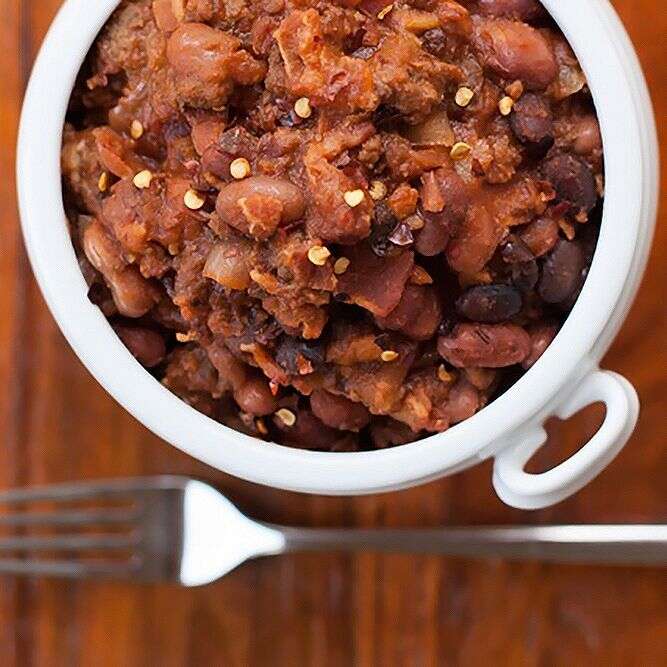
- Classic chili: Beans, crushed tomatoes, onion, garlic, chili powder, and ground meat or mushrooms. Cook 6 to 8 hours on low.
- Mediterranean chickpeas: Chickpeas, onion, crushed tomatoes, cumin, paprika, and lemon added at the end. Cook 8 hours on low.
- Simple lentil stew: Lentils, carrots, celery, onion, thyme, and stock. Cook 3 to 4 hours on high.
Each recipe follows the slow cooker cooking guide for beans and legumes by balancing time, liquid, and seasoning.
Storage, cooling, and reheating
Proper storage keeps beans safe and tasty. Cool them quickly and store in shallow containers.
Storage tips
- Cool to room temperature within two hours, then refrigerate.
- Use refrigerated beans within 3 to 4 days.
- Freeze in portions for up to 3 months.
Reheat gently on the stove or in the microwave until steaming. The slow cooker cooking guide for beans and legumes recommends labeling and portioning for easy meals.
Equipment and extras: choosing the right slow cooker
Pick a slow cooker that fits your life. Sizes and shapes affect cooking.
What to look for
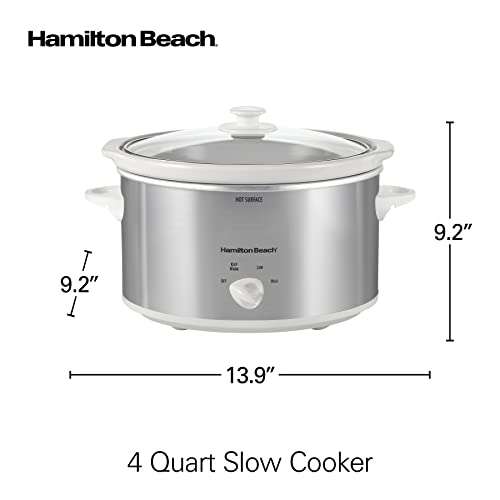
- Size: 3 to 4 quarts for singles, 6 quarts for families or batch cooking.
- Settings: Low, high, and warm are enough for most cooks.
- Insert type: Ceramic inserts are common. Stainless alternatives heat faster.
Use a sieve, ladle, and an immersion blender for finishing. My favorite tip is using a thermometer to ensure safe temperatures when testing new recipes. This slow cooker cooking guide for beans and legumes includes these tool suggestions to make life easier.
Troubleshooting: fixes for common problems
When beans are not right, small fixes help. Use these quick checks to rescue a batch.
Troubleshooting steps
- Beans are hard: Continue cooking and add hot water. If kidney beans, ensure pre-boiling was done.
- Beans are mushy: Reduce future cook times or use high heat for shorter periods.
- Bland flavor: Simmer with a stock cube or reduce liquid to concentrate flavor.
I once rescued a watery bean soup by thickening with mashed beans and a splash of vinegar. These simple solutions follow the slow cooker cooking guide for beans and legumes.
Frequently Asked Questions of slow cooker cooking guide for beans and legumes
How long should I soak beans before slow cooking?
Soak most large beans for 6 to 8 hours or overnight to reduce cook time and improve texture. Quick soak for 1 hour using boiling water if you are short on time.
Can I add salt at the start of slow cooking?
It is fine to add some salted ingredients, but table salt added early can slow softening. For the best texture, add most salt near the end.
Are canned beans better than slow-cooked dried beans?
Canned beans save time and can be convenient, but slow-cooked dried beans often have better texture and flavor. Dried beans also cost less per serving.
Do all beans need pre-boiling for safety?
Only certain beans like raw kidney beans need a brief boil before slow cooking if soaked. Most other beans do not require pre-boiling as long as they reach a simmer.
Can I cook mixed beans together in the slow cooker?
You can, but beans with different sizes or ages cook unevenly. Choose beans with similar size and cook time or add quick-cooking beans later.
Conclusion
You can make reliable, delicious beans with a slow cooker by following simple rules: sort and rinse, decide on soak, match time and liquid, and season at the right time. Use the above slow cooker cooking guide for beans and legumes to plan meals, avoid safety issues, and fix problems fast. Try one recipe this week, note your times, and tweak flavors—then share your results or ask questions below to keep learning.

Appliance Review Expert
Lucas Ramirez is a trusted voice at HomeFixGrid.com, known for his clear, practical, and creatively written guides that simplify appliance care for everyday homeowners. With a strong focus on hands-on testing and real-world problem-solving, Lucas brings expert insight into appliance reviews and troubleshooting techniques. Her work empowers readers to confidently maintain, repair, and choose the right appliances for their homes.