How To Use Instant Pot Air Fryer: Easy Crispy Results
Using an Instant Pot air fryer is simple: prepare food, select Air Fry, set the time and temperature, and cook until crisp.
An Instant Pot air fryer can roast, bake, broil, and crisp food in one compact appliance. However, good results depend on using the correct lid, allowing space for hot air, and checking food before the timer ends. This guide explains how to use an Instant Pot air fryer safely, avoid common mistakes, and make meals that are crisp outside and tender inside.
What Is an Instant Pot Air Fryer?
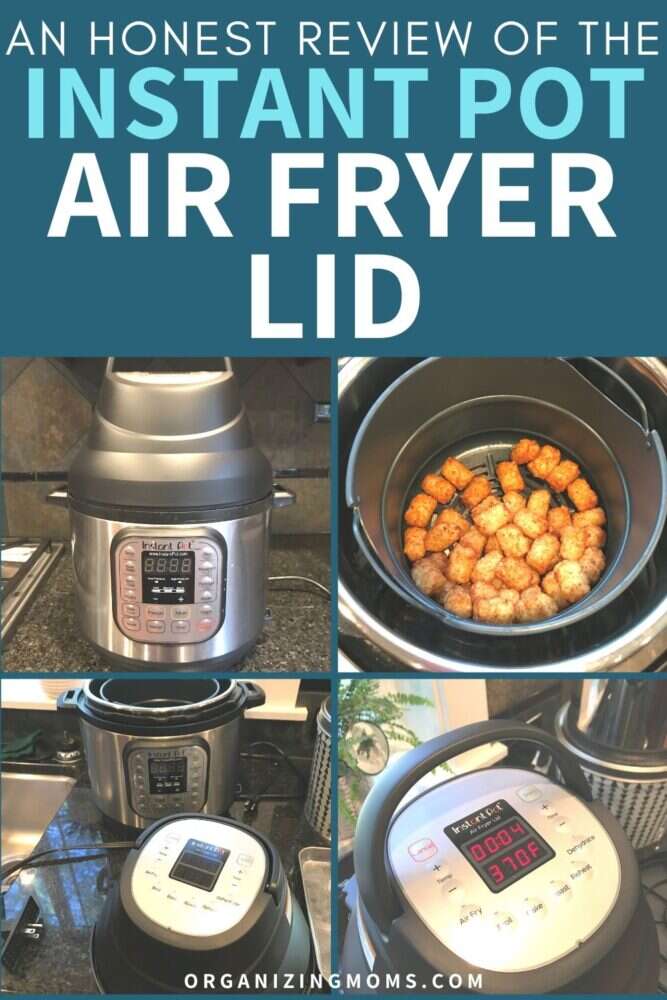
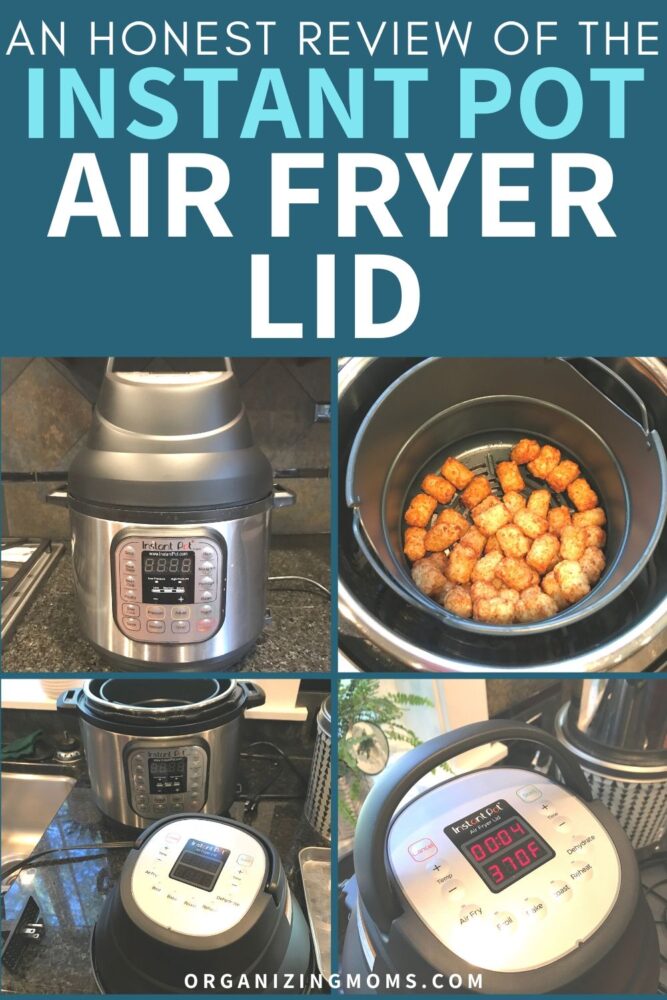
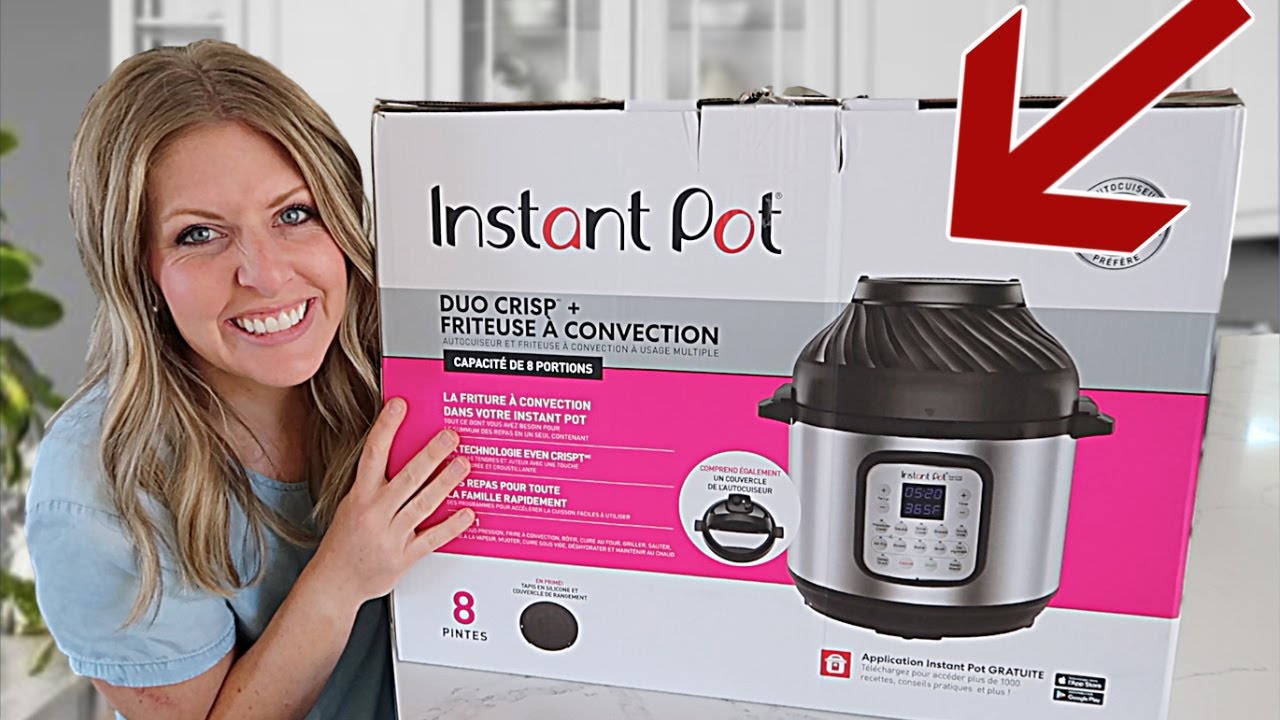
An Instant Pot air fryer is usually an Instant Pot multicooker with an air fryer lid or a model such as the Duo Crisp. It uses rapid hot air to cook food with little oil. This process is called convection cooking.
The Instant Pot base handles pressure cooking, slow cooking, steaming, and similar tasks. The air fryer lid adds a heating element and fan. Together, they let you cook foods such as chicken wings, fries, vegetables, fish, and frozen snacks.
The air fryer function does not use pressure. You should never add the regular pressure-cooking lid when using the air fryer setting. Use only the air fryer lid or the lid approved for your exact model.
Key parts often include:
• Air fryer lid: Produces heat and moves hot air around the food.
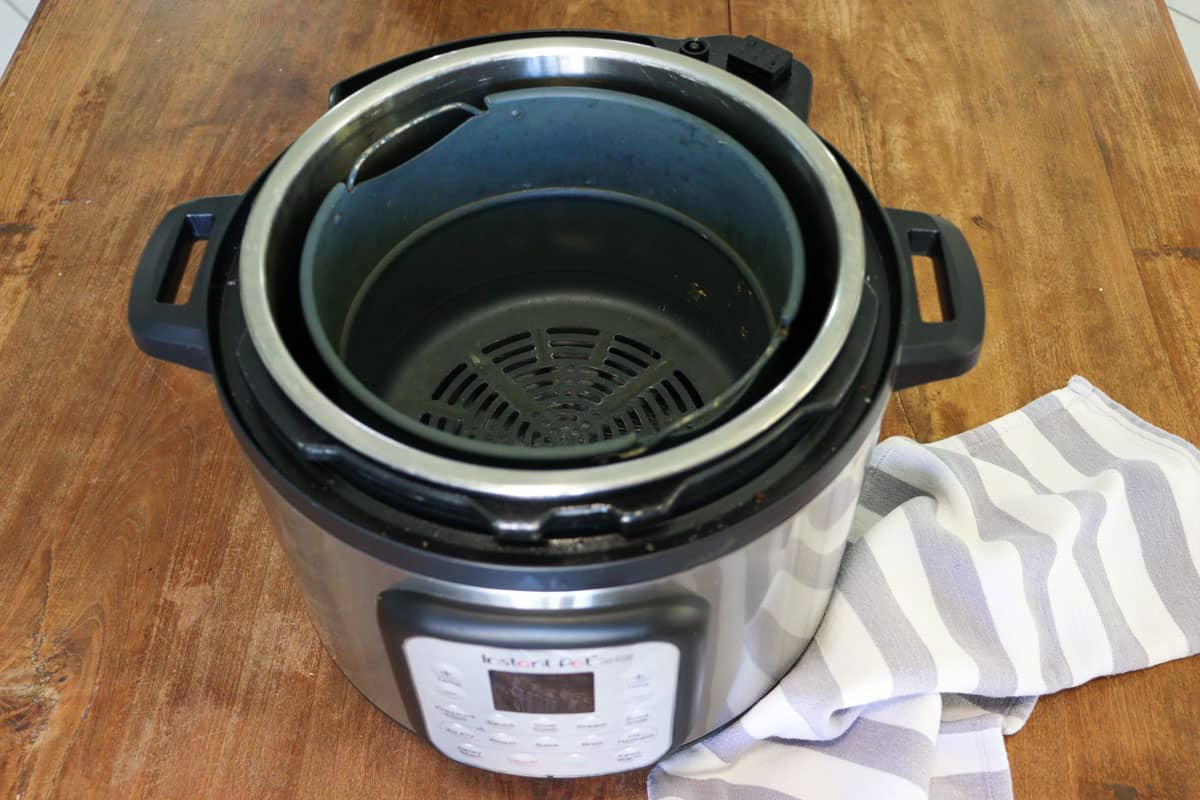
• Inner cooking pot: Holds the air fryer basket or trivet.
• Air fryer basket: Keeps food above the bottom of the pot.
• Broil or air fry setting: Controls cooking temperature and time.
• Control panel: Lets you choose the program, heat, and cooking time.
An Instant Pot air fryer works much like a small countertop convection oven. The small cooking space helps it heat quickly, but it also means that crowded food may cook unevenly.
:max_bytes(150000):strip_icc()/badge-sea-product-instant-pot-6qt-vortex-plus-6-1-air-fryer-wdickey-1408-e33b826df6544565a73693cc644c019f.jpg)
How to Use an Instant Pot Air Fryer Step by Step
Learning how to use an Instant Pot air fryer takes only a few steps. Read the manual for your model first because buttons, temperature ranges, and lid designs can vary.
1. Check the air fryer lid and pot
Make sure the inner pot is clean and dry. Place it inside the Instant Pot base, then add the air fryer basket or the rack that came with your model.
Do not use a damaged basket, loose heating element, or lid with cracked plastic. Check that the lid sits correctly before you start cooking.
2. Prepare the food
Pat meat, fish, and vegetables dry with a paper towel. Less surface moisture helps food brown and crisp.
Season the food before cooking. You can use a small amount of oil, but most foods do not need much. A light spray or a teaspoon of oil is often enough for a full basket.
3. Avoid overfilling the basket
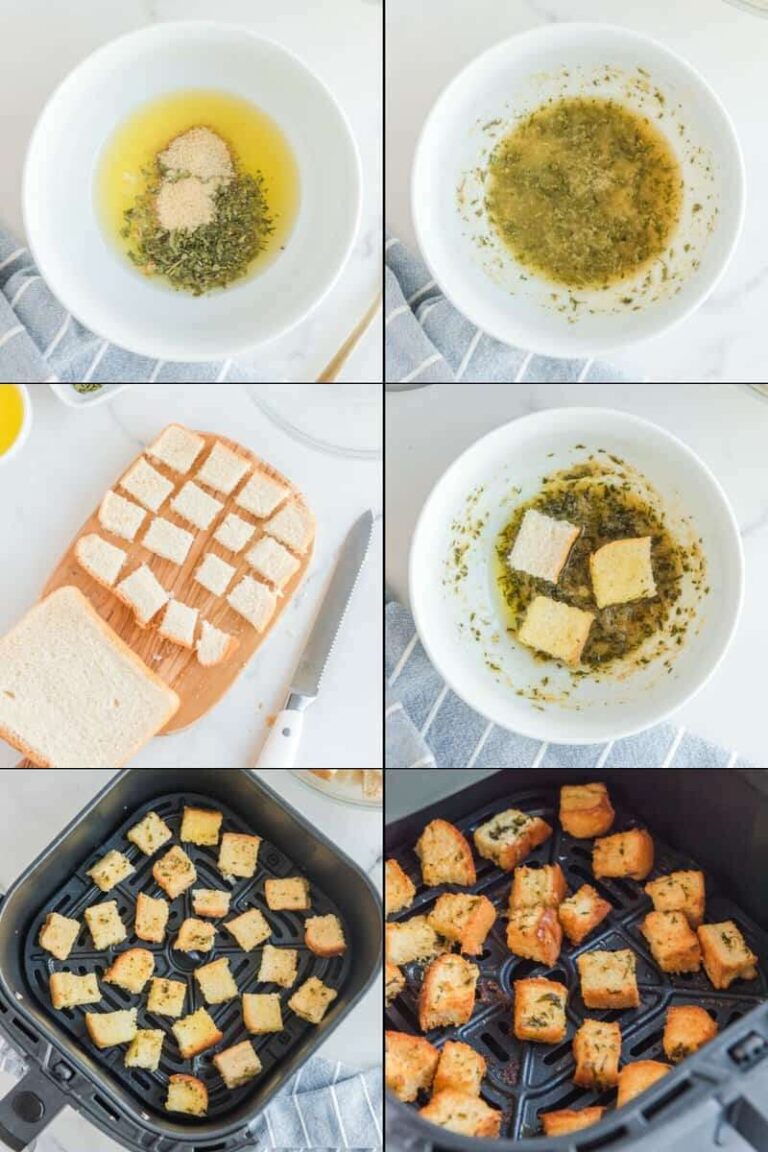
Place food in one loose layer when possible. Air must move around each piece.
For example, spread chicken wings around the basket instead of piling them in the center. You can cook in batches if needed. A second batch usually tastes better than a crowded first batch.
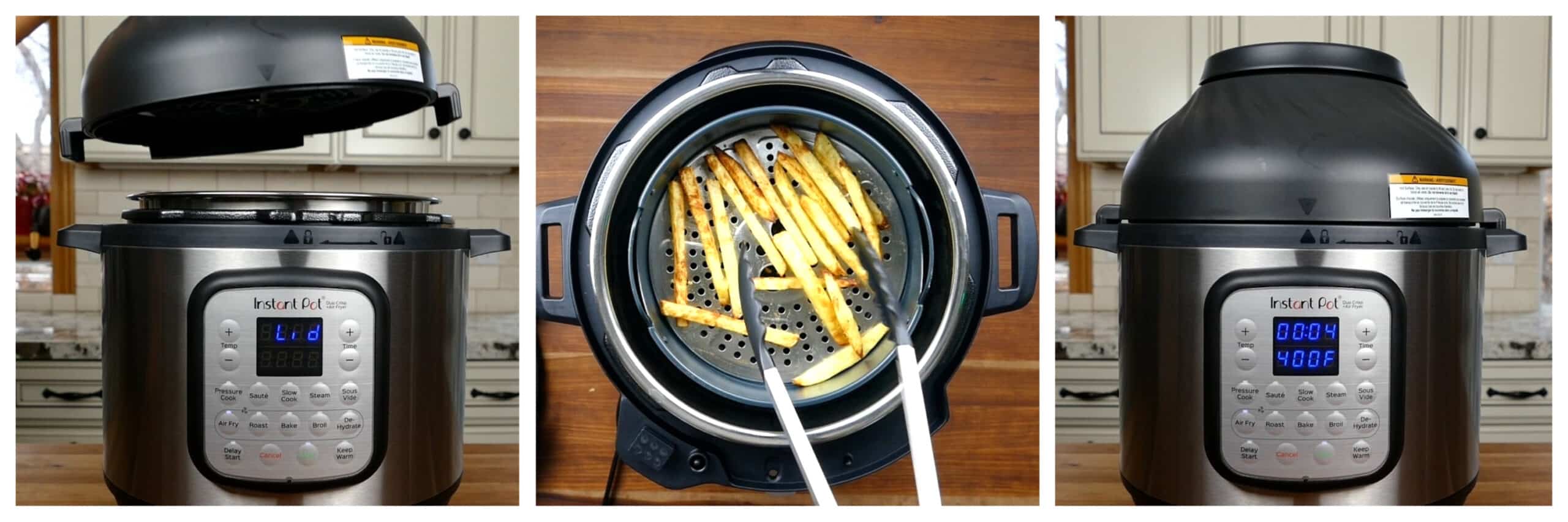
4. Attach the air fryer lid
Place the air fryer lid on the Instant Pot base according to the manufacturer’s instructions. Some lids lock into place, while others rest on a special position.
Keep the appliance on a stable, heat-safe surface. Leave open space around the lid so heat can escape. Do not place it directly under cabinets or near items that can melt.
5. Choose the cooking program
Press Air Fry, Air Crisp, Roast, Bake, Broil, or the matching button on your model. Set the temperature and cooking time.
If your model offers a preheat setting, use it. Preheating helps food brown faster and can reduce cooking time.
6. Cook and turn the food
Press Start. Halfway through cooking, open the lid carefully and shake the basket or turn the food with tongs.
Opening the lid briefly is normal. The unit may pause while the lid is off. Keep your face and hands away from the steam and hot air.
7. Check for doneness
Use a food thermometer for meat, poultry, and fish. Color alone is not a reliable safety test.
For common food safety targets, poultry should reach 165°F in the thickest part. Ground meats generally need 160°F, while whole cuts of beef, pork, lamb, and veal should reach the temperature recommended for their cut and desired doneness. Follow current food safety guidance and your recipe instructions.
8. Remove food safely
Use silicone mitts, tongs, or the basket handle. The basket and lid can stay hot for several minutes after cooking.
Place cooked food on a plate or rack. Avoid setting the hot lid directly on a countertop unless your model includes a safe lid rest.
How to Choose the Right Temperature and Time
The correct setting depends on the food’s size, moisture, starting temperature, and thickness. Frozen food often needs more time than fresh food. Small pieces cook faster than large pieces.
These starting points can help:
• French fries: 375°F to 400°F for about 15 to 25 minutes
• Chicken wings: 380°F to 400°F for about 20 to 30 minutes
• Chicken tenders: 375°F to 400°F for about 12 to 20 minutes
• Salmon fillets: 375°F to 400°F for about 8 to 14 minutes
• Broccoli or cauliflower: 375°F to 400°F for about 10 to 16 minutes
• Frozen mozzarella sticks: 350°F to 375°F for about 6 to 10 minutes
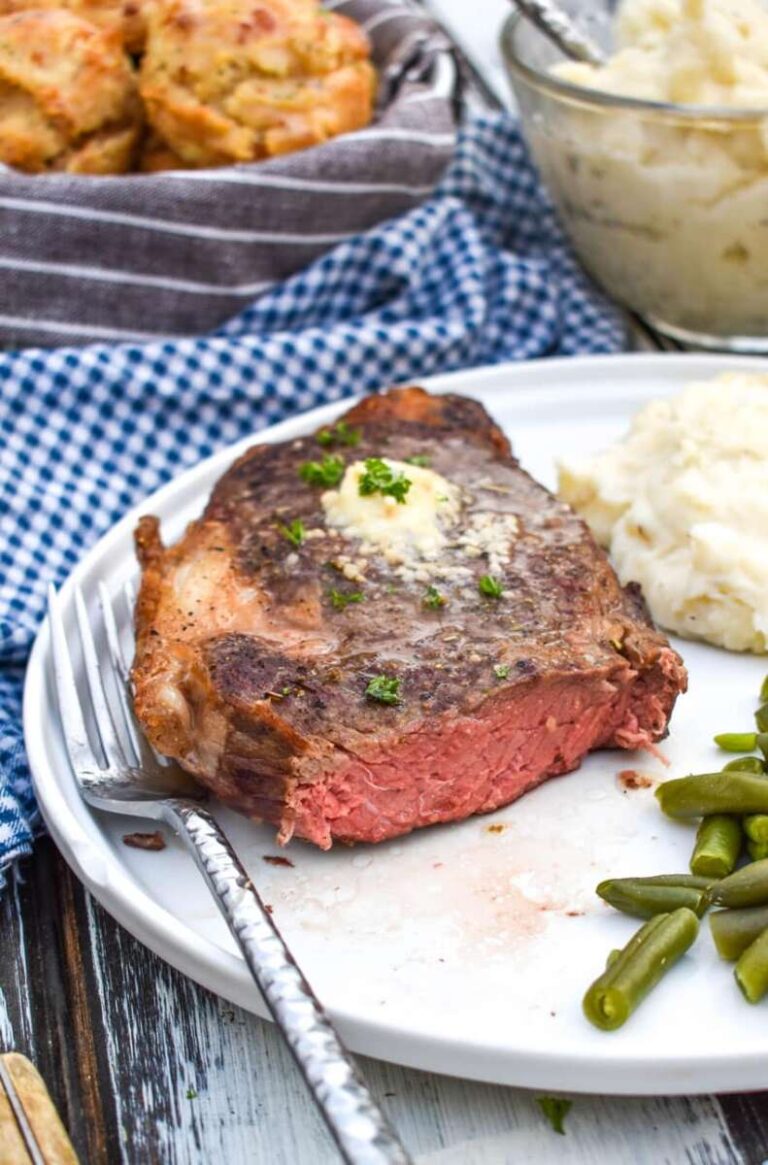
• Steak: 400°F for about 8 to 16 minutes, depending on thickness and doneness
These times are estimates, not guarantees. Start checking early, especially when using a new recipe or a different Instant Pot air fryer model.
A useful method is to begin with a lower time. You can always add two or three minutes. You cannot undo food that has burned.
For food that browns too quickly, lower the temperature by 25°F. For food that cooks but stays pale, use a little oil, avoid crowding, and add a few minutes at the end.
Do You Need to Preheat an Instant Pot Air Fryer?
Preheating is helpful but not always required. It gives the cooking chamber a head start and may improve browning. This is especially useful for fries, chicken, breaded food, and roasted vegetables.
To preheat, set the desired temperature and let the appliance run empty for about three to five minutes, if your manual allows it. Some models preheat automatically when you select a program.
You may skip preheating for foods that cook slowly or release a lot of fat. Still, the final cooking time may change. Watch the food closely the first time you use a recipe without preheating.
I find that preheating makes the biggest difference with frozen foods. They can turn crisp on the outside before the center becomes warm. A hot basket helps reduce that uneven texture.
Never preheat with loose parchment paper inside. The fan can lift it toward the heating element. Add parchment only after food is placed on top to hold it down, and use parchment approved for the cooking temperature.
How to Prepare Different Foods
Chicken
Pat chicken dry before seasoning. A dry surface browns better than a wet one.
For wings, arrange the pieces in a single layer. Turn or shake them halfway through cooking. If the skin is not crisp enough, cook for a few extra minutes at a higher temperature.
For chicken breasts, use pieces of similar thickness. Very thick breasts may become dry on the outside before the center is ready. Pound them gently to an even thickness or use a lower temperature for longer cooking.
Always check poultry with a thermometer. The thickest part should reach 165°F.
French Fries and Potatoes
Fresh potato fries need a brief soak if you want to remove some surface starch. Dry them very well afterward. Water left on the potatoes can make them soft.
Toss potatoes with a small amount of oil and season after cooking if you want a stronger salty taste. Shake the basket two or three times during cooking.
Frozen fries usually need no extra oil. Cook them from frozen, and avoid filling the basket above the recommended level.
Vegetables
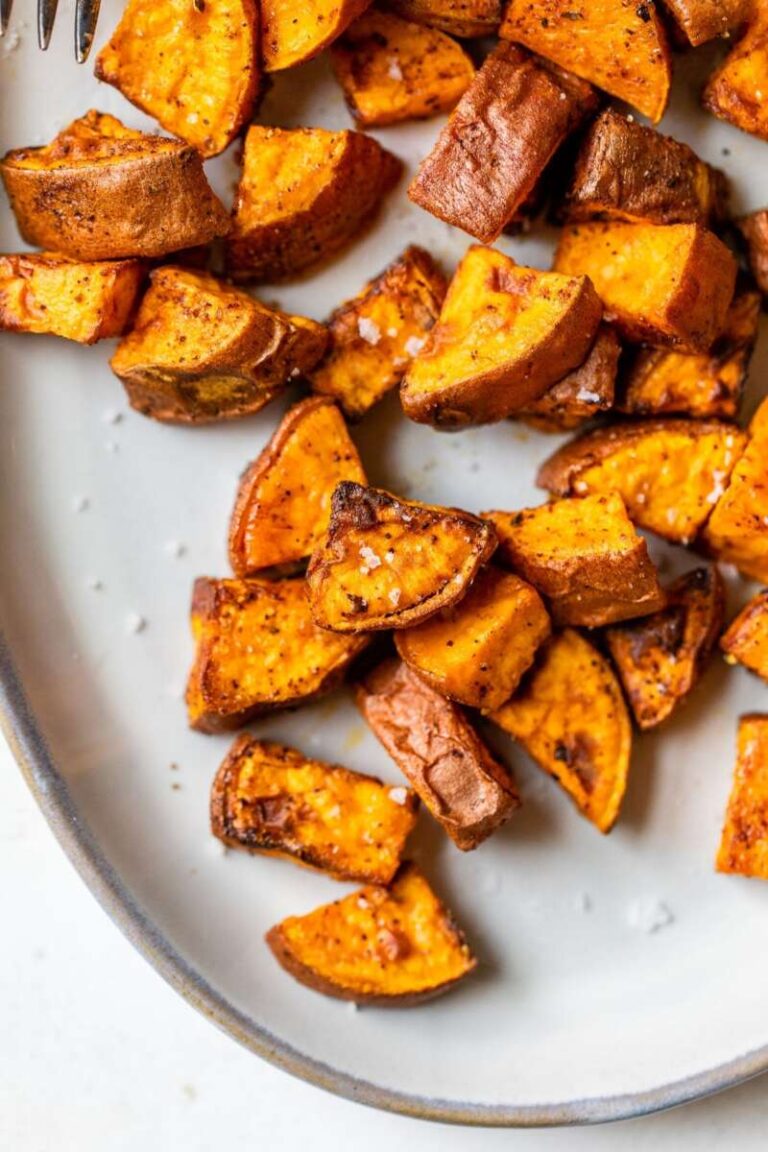
Dense vegetables such as carrots, potatoes, and Brussels sprouts need more time than zucchini or asparagus. Cut pieces to a similar size so they finish together.
Toss vegetables with a little oil before cooking. Add delicate herbs after cooking because they may burn near the heating element.
For tender vegetables, use 375°F. For more browning, use 400°F and check them often.
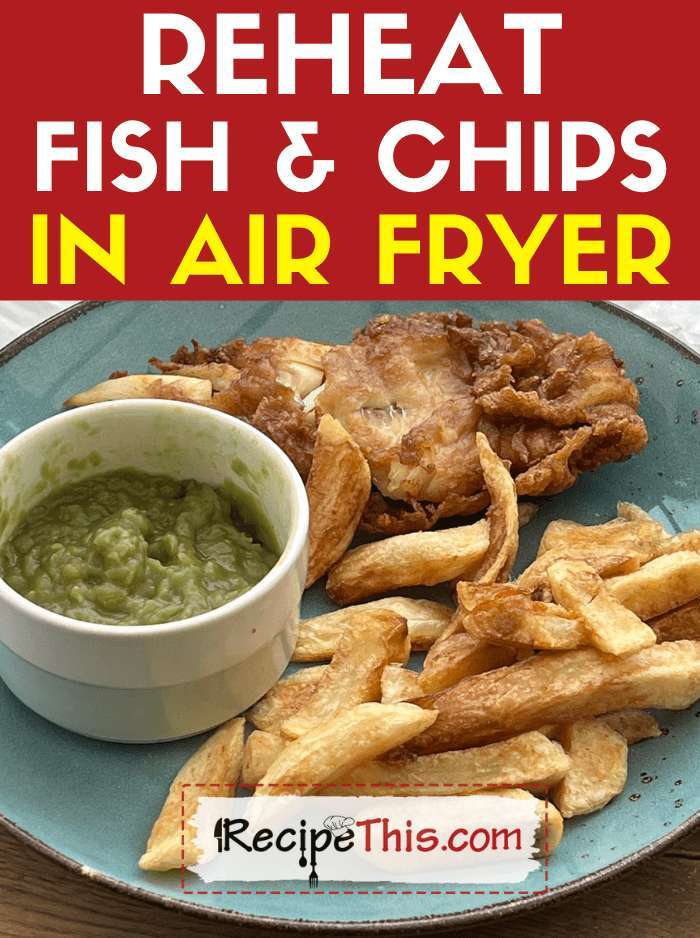
Fish
Pat fish dry, then add a light coating of oil or mayonnaise if your recipe calls for it. Place fillets with space between them.
Fish can break apart when turned. Use a wide silicone spatula or avoid turning if the top cooks evenly.
The center should be opaque and flake easily. A thermometer gives the most reliable result, especially with thick fillets.
Frozen Snacks
The Instant Pot air fryer is convenient for frozen foods such as tater tots, egg rolls, fish sticks, and chicken nuggets. You usually do not need to thaw them.
Arrange frozen food in a single layer. Shake the basket halfway through cooking. Since brands vary, use the package instructions as a starting point and adjust for your appliance.

How to Get Food Extra Crispy
Crisp food needs dry surfaces, hot air, and enough space. These simple habits make a major difference:
• Dry food before seasoning it.
• Use a small amount of oil on foods that benefit from browning.
• Cook in a single layer when possible.
• Shake or turn food during cooking.
• Avoid wet marinades unless you drain the food first.
• Use a rack for foods that release fat.
• Let fried food rest on a wire rack instead of a flat plate.
• Do not cover the basket after cooking, since trapped steam softens the crust.
One mistake I often see is adding too much oil. Extra oil does not always make food crispier. It can collect in the bottom, create smoke, and make breading greasy. A thin, even coating works better.
Another mistake is using a thick batter. Liquid batter may drip through the basket and can become messy. A dry coating, such as seasoned flour or breadcrumbs, usually works better in an air fryer.
Common Mistakes to Avoid
Overcrowding the basket
Crowding blocks air movement. Food may steam instead of crisping. Cook smaller batches for a better texture.
Using the wrong lid
The pressure-cooking lid is not an air fryer lid. Use the approved air fryer lid for your Instant Pot model.
Forgetting to turn food
The top may brown while the bottom stays soft. Turning or shaking helps heat reach more surfaces.
Adding too much liquid
An air fryer needs little or no liquid. Water, broth, and sauces can create steam and prevent crisping.
Ignoring smoke
Grease can smoke at high temperatures. If this happens, stop the appliance, unplug it when safe, and let it cool. Clean the pot, basket, and heating element before using it again.
Trusting preset buttons without checking
Preset programs are useful starting points, but they may not match your food size or preferred texture. Check early and adjust.
Leaving the appliance unattended
Stay nearby while the air fryer runs. This is especially important when cooking fatty food, breaded food, or anything that may drip.

Cleaning and Maintaining an Instant Pot Air Fryer
Unplug the appliance and let every part cool before cleaning. Never place the hot lid under cold water because a sudden temperature change may damage it.
Wash the inner pot and basket with warm, soapy water. Use a soft sponge rather than harsh metal tools that can damage the coating.
Wipe the air fryer lid with a damp cloth. Do not submerge the lid or pour water into its electrical parts unless the manual specifically says it is safe.
Check the heating element after cooking. Grease and crumbs can stick to it and cause smoke during the next use. Remove loose debris only after the lid is cool and unplugged.
Good maintenance includes:
• Cleaning the basket after each use.
• Wiping grease from the lid.
• Checking the fan area for crumbs.
• Drying all washable parts before storage.
• Storing the lid where it will not be dropped.
• Inspecting the power cord for damage.
A clean lid also improves flavor. Old grease can create smoke and leave a burnt taste on delicate foods.
Safety Tips You Should Follow
An Instant Pot air fryer reaches very high temperatures. Treat the lid and basket like hot oven equipment.
Keep children away from the appliance while it is running. Use oven mitts or heat-safe gloves when handling the basket.
Do not block the air vents. Do not operate the appliance near water, flammable items, or a wall that cannot handle heat.
Never use the pressure-cooking function and air fryer function at the same time. Follow the manual for the correct lid, basket, and maximum fill level.
Food safety also matters. Refrigerate leftovers within two hours, or within one hour if the room is above 90°F. Store leftovers in shallow containers so they cool more quickly. Reheat food until it is hot throughout.
If you smell burning plastic, see sparks, or notice unusual electrical behavior, unplug the unit when it is safe and stop using it. Contact the manufacturer or a qualified service professional.
Instant Pot Air Fryer Versus a Regular Air Fryer
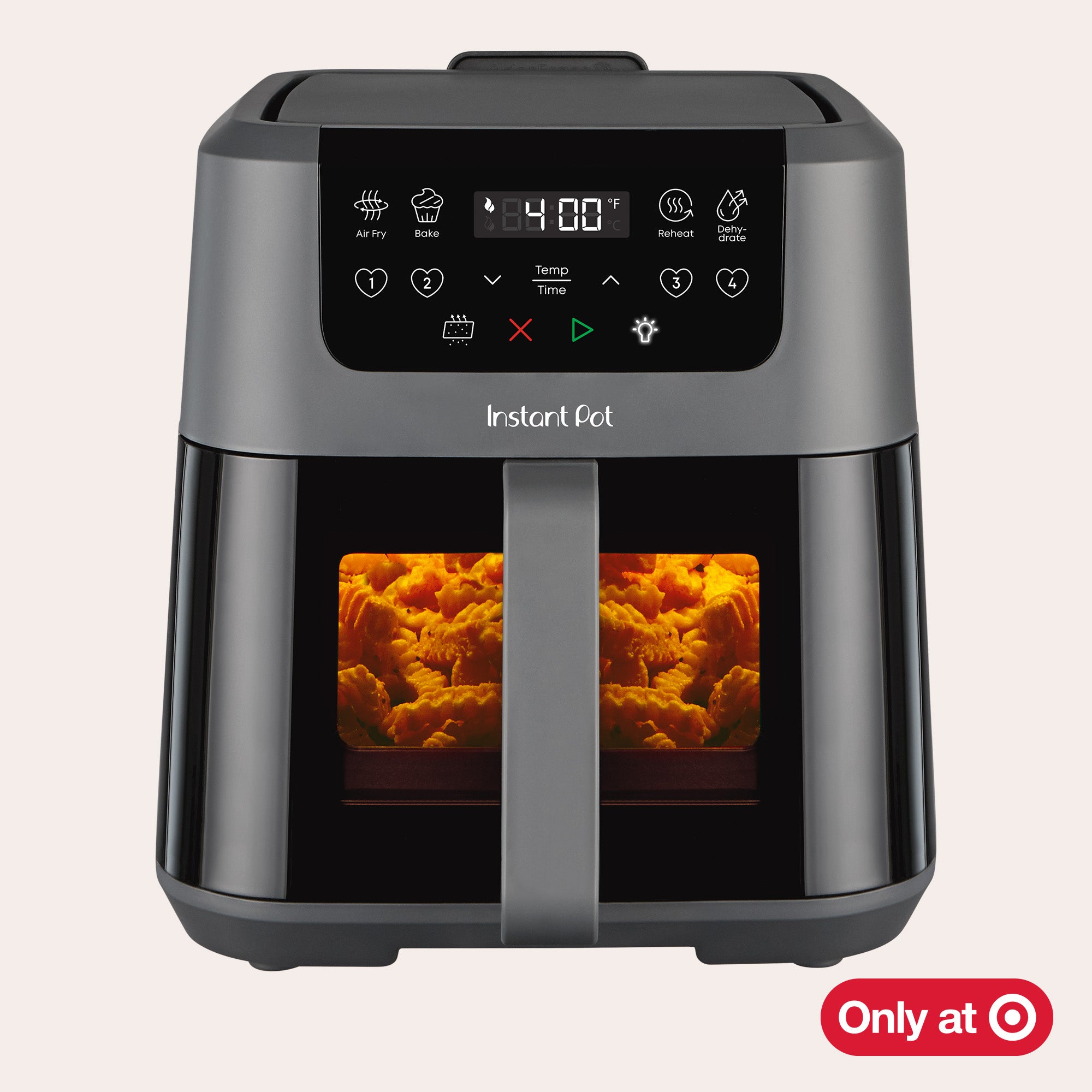
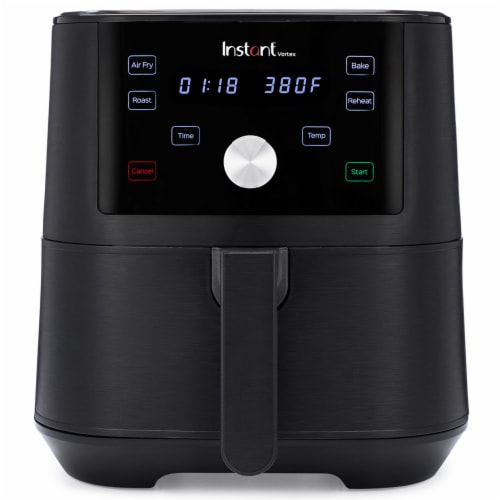
Both appliances use hot air to crisp food. A regular air fryer is often faster for daily air frying because its basket and heating system are designed for that single task.
The Instant Pot air fryer has a major advantage: it combines several cooking functions in one appliance. You can pressure-cook beans, slow-cook chili, steam rice, and air-fry chicken with the same base.
The trade-off is cooking space. Many Instant Pot air fryer baskets are narrower or deeper than standard air fryer baskets. This can make it harder to spread food in one layer.
Choose an Instant Pot air fryer if you want flexibility and already own an Instant Pot. Choose a dedicated air fryer if you mainly cook crispy foods and want a wide basket or faster batch cooking.
Neither choice is automatically better. The best option depends on your counter space, meal size, budget, and cooking habits.
Simple Meal Ideas for Beginners
If you are new to how to use an Instant Pot air fryer, start with foods that are easy to check.
Crispy chicken wings
Pat wings dry, season them, and place them in one layer. Cook at 400°F, turning halfway through, until the skin is crisp and the internal temperature reaches 165°F.
Roasted vegetables
Toss broccoli, carrots, or Brussels sprouts with oil, salt, and pepper. Cook at 375°F to 400°F until tender and browned.
Salmon with lemon
Season salmon with salt, pepper, garlic, and lemon. Cook at 375°F until the center flakes easily.
Loaded potato wedges
Cut potatoes into even wedges. Toss with oil and spices, then cook at 400°F. Shake the basket several times for even browning.
Reheated pizza
Place pizza slices in the basket without stacking them. Heat at about 350°F until the cheese melts and the crust becomes crisp.
Start with one recipe and write down what you notice. Record the food amount, temperature, time, and result. This small habit helps you learn how your Instant Pot air fryer behaves.
Frequently Asked Questions About How to Use Instant Pot Air Fryer
Can you use an Instant Pot air fryer without the pressure lid?
Yes. Use the air fryer lid designed for your Instant Pot model. The regular pressure-cooking lid is not suitable for air frying and should not be used during the air fry function.
Do you put water in an Instant Pot air fryer?
Usually, no. Air frying is designed to use dry heat, and added water can create steam and prevent food from becoming crisp. Add liquid only when your specific recipe and model instructions require it.
Do you need to preheat an Instant Pot air fryer?
Preheating is helpful for foods such as fries, wings, and breaded snacks. Follow your manual, since some models preheat automatically and others allow you to start cooking without preheating.
Can you put aluminum foil in an Instant Pot air fryer?
Some models allow foil, but it must never block the fan or cover the entire basket. Check the manufacturer’s instructions, and always weigh foil down with food so it cannot reach the heating element.
How full can you fill an Instant Pot air fryer basket?
Keep food below the maximum fill line and avoid tight piles. A loose layer gives hot air room to circulate and usually produces more even cooking.
Why is my food not crispy in the Instant Pot air fryer?
The basket may be overcrowded, the food may be too wet, or the temperature may be too low. Dry the food, use less oil, cook in smaller batches, and turn the pieces during cooking.
Can you cook raw meat in an Instant Pot air fryer?
Yes, you can cook raw meat if it fits safely and reaches the correct internal temperature. Use a food thermometer rather than relying only on cooking time or color.
Can you use parchment paper in an Instant Pot air fryer?
You can use parchment made for high heat if your manual permits it. Add it only when food can hold it down, and never place loose parchment in the appliance during preheating.
Conclusion
Learning how to use an Instant Pot air fryer comes down to a few reliable habits: use the correct lid, keep food dry, avoid crowding, turn food during cooking, and check the internal temperature of meat. Start with simple foods, use suggested times as a guide, and adjust in small steps.
With practice, your Instant Pot air fryer can handle crisp vegetables, chicken wings, fish, frozen snacks, and quick reheated meals with less oil and less mess. Try one recipe today, note what works, and keep improving your technique. Share your favorite Instant Pot air fryer tips or recipes in the comments.

Appliance Review Expert
Lucas Ramirez is a trusted voice at HomeFixGrid.com, known for his clear, practical, and creatively written guides that simplify appliance care for everyday homeowners. With a strong focus on hands-on testing and real-world problem-solving, Lucas brings expert insight into appliance reviews and troubleshooting techniques. Her work empowers readers to confidently maintain, repair, and choose the right appliances for their homes.