Slow Cooker Recipe Modifications For Dietary Restrictions:
Simple swaps and timing tweaks make slow cooker recipes safe for many dietary restrictions.
I’ve spent years testing slow cooker recipe modifications for dietary restrictions in home kitchens and community meals. This guide shares clear swaps, timing tips, and real-world lessons so you can adapt favorite slow cooker meals for gluten-free, dairy-free, vegan, low-sodium, keto, and allergy-safe diets without losing flavor.

Why modify slow cooker recipes?
Adapting slow cooker recipes for dietary restrictions keeps meals inclusive and stress-free. A few swaps can change a dish from off-limits to family-friendly. I’ve found that modest tweaks in liquids, thickeners, proteins, and aromatics preserve texture and taste while meeting nutrition needs.
Slow cooker recipe modifications for dietary restrictions let you use one appliance to feed varied diets. They save time, cut waste, and make weeknight meals smoother. Think of the slow cooker as a forgiving partner—it tolerates long cooks and small ingredient shifts.
Common dietary restrictions and swap strategies
Below are core restrictions and the swap logic I use when making slow cooker recipe modifications for dietary restrictions.
- Gluten-free
- Swap wheat-based thickeners with cornstarch or gluten-free flour blends. Use tamari for soy sauce when needed.
- Dairy-free
- Replace cream and milk with coconut milk, cashew cream, or almond milk. Add dairy-free butter for richness.
- Vegetarian and vegan
- Swap meat for beans, lentils, tempeh, or firm tofu. Use vegetable broth and nutritional yeast for umami.
- Low-sodium
- Use low-sodium broth and fresh herbs. Skip added salt and boost flavor with acid like lemon or vinegar.
- Low-FODMAP
- Substitute garlic and onion with infused oils and chives. Use low-FODMAP vegetables and measured portions.
- Keto and low-carb
- Replace starchy thickeners with xanthan gum or cream cheese. Choose low-carb veggies and fatty proteins.
- Nut-free and allergy-safe
- Use seeds or seed butters instead of tree nuts. Check labels to avoid cross-contamination.
When I adapt recipes, I pick one or two pillars to change—often protein and liquid—then adjust seasoning last. That approach keeps slow cooker recipe modifications for dietary restrictions simple and reliable.

Practical slow cooker recipe modifications (by diet)
Here are step-by-step swaps and tips for common diets. Each mini-section shows how to turn a standard recipe into a safe version.
Gluten-free swaps
- Replace regular flour with 1.5x to 2x cornstarch slurry (mix with cold water) to thicken.
- Use gluten-free tamari or coconut aminos instead of soy sauce.
- Choose certified gluten-free broths and canned goods.
I once made beef stew gluten-free by swapping the sear-and-flour step for a cornstarch slurry added in the last hour. Texture stayed rich and gravy-like.
Dairy-free swaps
- Use canned full-fat coconut milk for creamy bases or make cashew cream (soak cashews, blend with water).
- Swap butter with neutral oil or dairy-free margarine.
- For cheese flavor, add nutritional yeast or roasted miso.
A tip: add coconut milk in the last hour to avoid curdling if your cooker runs very hot.
Vegetarian and vegan swaps
- Swap meat for canned beans, lentils, or cubed firm tofu; adjust cook time accordingly.
- Use mushroom broth or miso for depth.
- Finish with fresh herbs and acids to brighten.
I’ve turned a classic carnitas recipe into a smoky jackfruit slow-cooker dish that pleased both vegans and meat-eaters.
Low-sodium adjustments
- Use no-salt broth and omit salted canned goods.
- Rely on citrus, fresh herbs, roasted garlic, and smoked paprika for flavor.
- Taste toward the end and add salt sparingly.
Small acid and spice boosts often replace the missing salt without sacrificing taste.
Low-FODMAP considerations
- Use garlic-infused oil for garlic flavor without FODMAPs.
- Replace onion with green onion tops or asafoetida (caution: potency varies).
- Limit high-FODMAP veggies like cauliflower and beans, or choose tolerated portions.
I recommend testing servings—what’s low-FODMAP for one person may differ for another.
Keto and low-carb swaps
- Use xanthan gum or cream cheese for thickening instead of starches.
- Choose cauliflower, zucchini, and leafy greens as veg bases.
- Use fatty cuts of meat or fattier plant proteins.
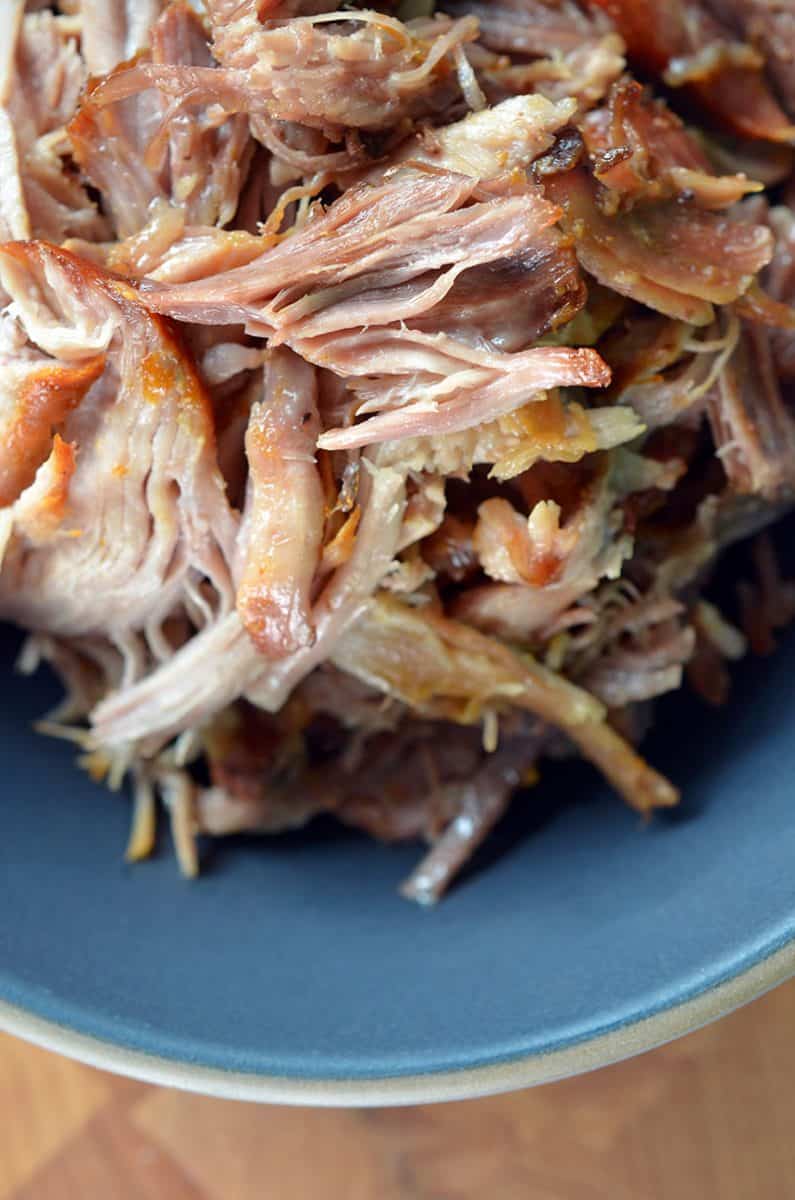
For pulled pork, I slow-cook with apple cider vinegar and spices, then skip sugary sauces for a keto-friendly finish.
Nut-free and allergy-safe swaps
- Replace nut milks with oat or rice milk if tolerated.
- Use seed butters like sunflower butter as a nut-free alternative.
- Avoid cross-contact by cleaning the slow cooker thoroughly and using separate utensils.
Whenever I cook for someone with a nut allergy, I label dishes and keep them separate to avoid risk.

Tips for texture, timing, and liquid adjustments
Small timing and liquid changes make major differences when implementing slow cooker recipe modifications for dietary restrictions.
- Liquid control
- Use 25–50% less liquid than stovetop recipes; slow cookers retain steam.
- Add acidic ingredients like tomatoes or vinegar later to avoid toughening proteins.
- Thickening late
- Add cornstarch slurry or cream alternatives in the final 30–60 minutes to thicken.
- For gluten-free, mix starch with cold water before adding.
- Protein timing
- Beans and lentils often cook faster than dried meat needs. Add canned beans in the last 1–2 hours.
- Tofu and tempeh can fall apart if cooked too long—add in the last hour.
- Layering flavors
- Sear meats and sauté aromatics first when possible. This builds depth that simple swaps can’t replace.
- Finish with fresh herbs, citrus, or a dash of oil to lift flavors.
I learned the hard way that adding all ingredients at once can mute herbs. Now I add delicate items late and always taste before serving.

Meal planning, batch cooking, and labeling
Make slow cooker recipe modifications for dietary restrictions work all week with planning.
- Batch-cook base components like broths and beans to speed swaps.
- Freeze single-serve portions labeled with diet info and heating instructions.
- Keep a substitution cheat sheet in your kitchen for quick swaps.
I prep a week of dinners on Sunday. I separate gluten-free and dairy-free batches so no cross-contact happens during reheating.

Troubleshooting common issues
Here are quick fixes for problems that come up when adapting recipes.
- Bland flavor
- Add acid (vinegar or lemon), umami (miso or tamari), or fresh herbs.
- Watery sauce
- Thicken with cornstarch slurry or reduce on high heat for 30–60 minutes.
- Overcooked veggies
- Add softer vegetables in the last hour and use firmer ones for long cooks.
- Curled or grainy dairy-free creams
- Add coconut milk or cashew cream late and stir gently to combine.
Most issues fix with a final seasoning and texture check. Slow cookers are forgiving, but they reward small adjustments.
Frequently Asked Questions of slow cooker recipe modifications for dietary restrictions
How do I thicken a slow cooker sauce without flour?
Use a cornstarch or arrowroot slurry mixed with cold water. Add it in the last 20–30 minutes on high and stir until thickened.
Can I make a slow cooker recipe both gluten-free and dairy-free?
Yes. Use gluten-free broth and thickeners, and swap dairy with coconut milk or cashew cream. Adjust seasoning and thicken late for best texture.
When should I add canned beans to a slow cooker recipe?
Add canned beans in the final 1–2 hours to prevent mushy texture. Dried beans need longer and may require pre-soaking.
How do I keep tofu from falling apart in a long cook?
Use firm or extra-firm tofu and press water out first. Add tofu in the last 45–60 minutes or use large cubes to maintain texture.
Is it safe to cook low-FODMAP meals in the same cooker as high-FODMAP foods?
Cross-contact can cause symptoms. Clean the cooker thoroughly and ideally use separate liners or separate cooking sessions to be safe.
Conclusion
Adapting meals with slow cooker recipe modifications for dietary restrictions is simple with a plan. Use smart swaps, layer flavor, and adjust timing to keep food tasty and safe for everyone. Start with one recipe, practice a few swaps, and build a reliable rotation that fits your family’s needs. Try one adapted slow cooker dish this week, share your success, and subscribe or comment with your favorite swap to help others learn.

Appliance Review Expert
Lucas Ramirez is a trusted voice at HomeFixGrid.com, known for his clear, practical, and creatively written guides that simplify appliance care for everyday homeowners. With a strong focus on hands-on testing and real-world problem-solving, Lucas brings expert insight into appliance reviews and troubleshooting techniques. Her work empowers readers to confidently maintain, repair, and choose the right appliances for their homes.