How To Clean Ninja Air Fryer Heating Element: Easy Guide
A Ninja air fryer heating element should be cleaned by hand, not soaked or sprayed. Unplug the unit, let it cool fully, turn it upside down if the model allows, and wipe the heating coil and nearby guard with a soft, slightly damp cloth. Use a soft toothbrush for loose crumbs and a small amount of mild dish soap on the cloth for greasy spots. Never immerse the air fryer body or pour cleaner inside it.
This guide applies to Ninja air fryers used in the United States, including basket-style models and some Ninja Foodi air fryer ovens. Model details can vary, so check your owner’s manual before removing any panel or part.

What the Ninja air fryer heating element is
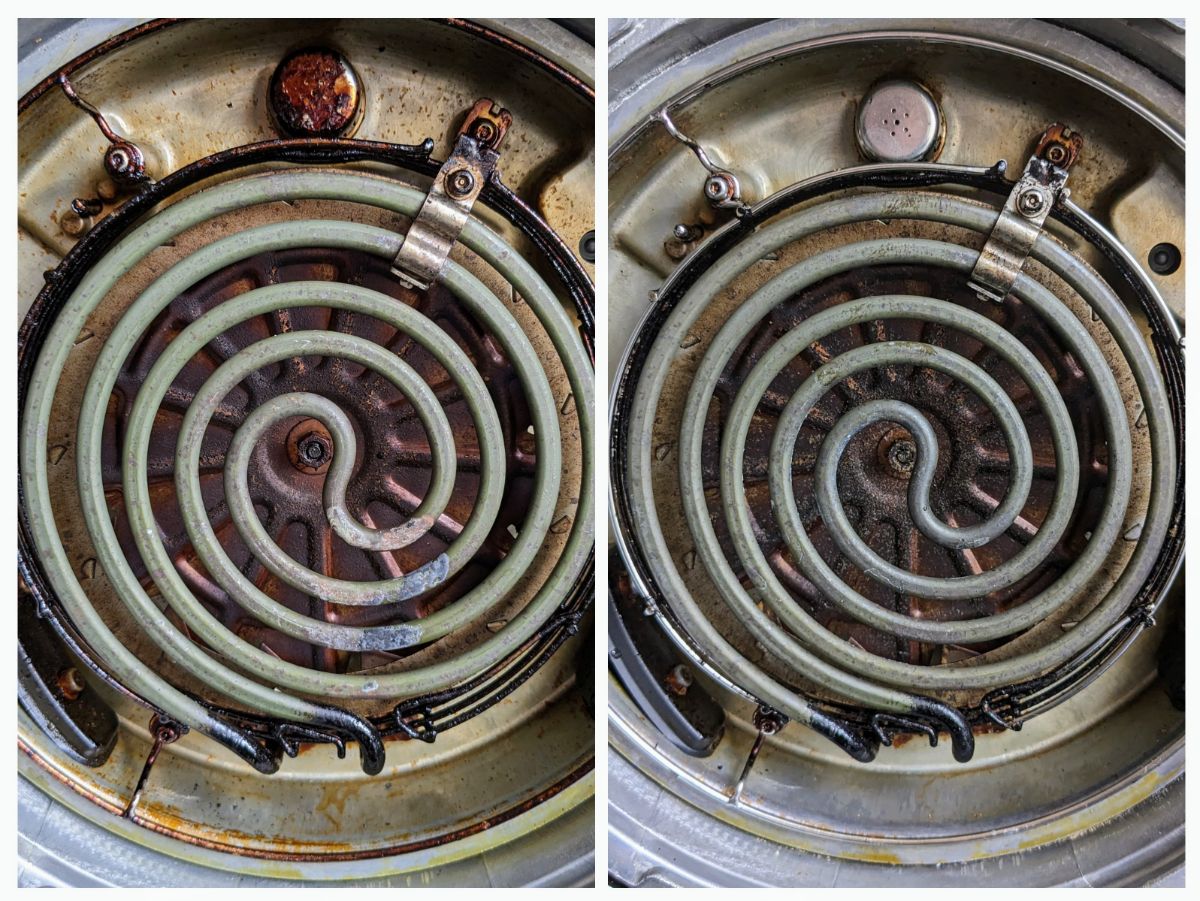
The heating element is the metal coil that creates heat inside the cooking chamber. In many Ninja basket air fryers, it sits above the food basket. A fan moves hot air around the food while the element cycles on and off to hold the set temperature.


You may also see a metal guard, fan cover, or shield near the element. These parts help protect the coil from food and grease. They can collect crumbs even when the heating coil looks fairly clean.
The heating element is not the same as the removable basket, crisper plate, cooking pot, or rack. Those parts may be dishwasher-safe on some models. The electrical body and heating assembly are not.
What you need before <a href="https://wikipedia.org" target="_blank" rel="dofollow" style="color: #6b21a8; text-decoration: underline; font-weight: 600;”>cleaning
Gather these simple items:
- A soft, lint-free cloth
- A soft toothbrush or small nylon brush
- Warm water
- A small amount of mild dish soap
- A dry towel
- A flashlight, if the heating area is hard to see
Avoid steel wool, scouring pads, abrasive powders, oven cleaner, bleach, alcohol-based sprays, and aerosol degreasers. These products may damage the finish, leave residue, or reach electrical parts.
Before you begin, move the air fryer to a clear counter. Keep it away from the sink while the electrical body is open or being cleaned.

How to clean a Ninja air fryer heating element
Follow these steps for routine grease and crumb removal.
1. Unplug the air fryer
Switch the air fryer off and remove the plug from the wall outlet. Do not rely only on the power button.
Let the unit cool completely. The heating element can remain hot after cooking stops. Waiting also reduces the chance of burns from the cooking chamber or metal guard.
2. Remove the cooking parts
Take out the basket, crisper plate, pan, racks, or other removable accessories. Wash these parts according to the instructions for your model.


Do not clean the heating element while food or accessories are still inside. This gives you more room and prevents crumbs from falling into hidden areas.
3. Inspect the heating area
Use a flashlight to look at the coil and the guard around it. Check for:
- Loose crumbs
- Dried food
- Sticky grease
- Heavy black buildup
- Melted plastic
- Damaged or bent metal
- Signs of a wire or coil touching another part
A light film of oil is common. Thick grease, smoke, or a strong burnt smell means the area needs more careful cleaning before the next use.
4. Remove loose crumbs first
If your model allows safe access, turn the empty air fryer upside down over a clean towel. Do this only when the unit is unplugged, cool, and stable.
Gently brush loose crumbs from the heating element and guard with a dry, soft toothbrush. Do not poke the coil, force the brush into vents, or pull on wires.
For a Ninja air fryer oven, keep the unit in the position recommended by its manual. Some oven-style models have more than one heating element and may not be designed to be turned upside down.
5. Wipe the coil and guard
Dampen a soft cloth with warm water and wring it out well. The cloth should be damp, not wet.
Wipe the heating coil and nearby guard with light strokes. If grease is present, put a drop of mild dish soap on the cloth rather than spraying the appliance. Keep moisture away from openings, controls, vents, the fan motor, and electrical connections.
For narrow spaces, use a barely damp soft toothbrush. Work slowly. A heating coil can bend or break if you scrub it with force.
6. Remove soap residue
Use a second cloth dampened with clean water and wrung out well. Wipe the areas again to remove soap.
This step matters because leftover soap can produce an odor when the air fryer heats. Do not pour water into the cooking chamber to rinse it.
7. Dry the inside
Wipe the area with a dry towel. Leave the air fryer unplugged and open until all cleaned surfaces are fully dry.
Do not run the air fryer to “steam dry” it. Heating damp electrical areas can create a safety risk.
8. Clean the removable parts
Wash the basket, crisper plate, pan, and rack as directed in the manual. Dry each part before putting it back.
Grease on these parts can drip or smoke during the next cooking cycle. Cleaning the heating element alone may not solve a smoke problem if the basket or pan still has baked-on oil.


9. Test the air fryer
After everything is dry, reassemble the air fryer. Run it empty for a few minutes at a moderate temperature in a well-ventilated area.
A brief mild smell may come from remaining residue. Turn the unit off and unplug it if you see smoke, smell burning plastic, hear sparking, or notice unusual sounds.

How to remove baked-on grease without damaging the element
Baked-on grease often needs repeated gentle cleaning. Do not scrape the heating coil with a knife, fork, metal spatula, or screwdriver.
Place a warm, damp cloth over the greasy area for several minutes. Keep the cloth only on the surface you are cleaning, and make sure no water drips into the appliance. The warmth and moisture may soften the residue.
Then wipe gently with a soft cloth or nylon brush. Repeat the process instead of using more force. If the grease remains hard and thick, stop and check the model’s manual or contact Ninja support.
Do not use oven cleaner. Air fryer heating elements are not the same as the large, exposed surfaces inside many household ovens. Strong oven products may damage coatings and can leave fumes or residue.

How often should you clean the Ninja heating element?
Clean the heating area whenever you see crumbs, grease, smoke, or food residue. For many households, a quick inspection every few uses and a gentle wipe when needed is enough.
A simple routine works well:
| Cleaning task | Suggested timing |
|---|---|
| Empty crumbs from the basket and chamber | After each use |
| Wash the basket and crisper plate | After each use |
| Inspect the heating element | Every few uses |
| Wipe visible grease from the element and guard | When residue appears |
| Check vents and the outside of the unit | Monthly or when dirty |
The right schedule depends on what you cook. Bacon, sausages, chicken with skin, fatty burgers, and foods coated with oil create more grease than vegetables or dry foods.
Frequent cleaning is better than waiting for a thick layer to harden. A clean heating area also makes it easier to tell whether smoke comes from old grease or from a mechanical problem.

What to do if the Ninja air fryer smokes after cleaning
A small amount of smoke can come from grease left on the heating element, guard, basket, or pan. Turn the unit off and unplug it if smoke is heavy or does not stop quickly.
After the air fryer cools, inspect all cooking parts and the heating area. Look for:


- Grease pooled under the crisper plate
- Food stuck to the heating guard
- Oil spilled into the bottom of the chamber
- Paper, plastic, or packaging left inside
- Excess oil on the food
- A damaged heating coil
- A burning electrical or plastic smell
Wash the removable parts and wipe the inside again with a clean, damp cloth. Allow every surface to dry before testing the unit.
Do not continue using the air fryer if it sparks, trips the circuit breaker, produces a strong electrical smell, has a melted cord, or shows visible damage. Contact Ninja customer support or a qualified appliance technician. Do not open the electrical housing yourself unless the manufacturer specifically directs that repair and you are qualified to perform it.

Common mistakes to avoid
Spraying cleaner into the air fryer
Spray can travel through vents and reach electrical parts. Apply cleaner to a cloth, never directly into the appliance.
Pouring water into the cooking chamber
The cooking chamber is not a sink. Water can collect near wiring, the fan, or the control board.
Scrubbing with a metal tool
A metal tool can bend the element, damage a protective surface, or create loose fragments. Use a soft cloth or nylon brush instead.
Cleaning while the unit is warm
The coil and nearby metal can stay hot after cooking ends. Always unplug the unit and wait until it is fully cool.
Assuming every Ninja model has the same design
Ninja makes several air fryer lines. Some have a basket and one upper element. Others have racks, doors, more than one heating element, or different access limits.
Use the manual for your exact model before removing a shield, turning the unit over, or attempting to reach a hidden heating assembly.
Using the air fryer before it is dry
Moisture and electricity are a bad combination. Dry the chamber and wait until no dampness remains before plugging the unit back in.

Signs the heating element needs service instead of cleaning
Cleaning may not fix a physical or electrical fault. Stop using the air fryer and seek service if you notice:
- A cracked, broken, or visibly loose heating coil
- Sparks or electrical arcing
- A burning plastic smell
- Repeated smoke after all grease is removed
- The unit trips a breaker
- The fan makes a grinding or scraping sound
- The air fryer does not heat
- The unit overheats or shuts off unexpectedly
- A damaged power cord or plug
Do not remove the outer case to reach the element. The appliance may contain live electrical parts even when it is switched off. A qualified technician or the manufacturer’s service team should handle internal repairs.

Quick checklist
Before plugging the air fryer back in, confirm that:
- The unit is unplugged during cleaning.
- The heating area is cool.
- Loose crumbs have been brushed away.
- Grease has been wiped with a barely damp cloth.
- No water has entered vents or electrical openings.
- No metal tool touched the coil.
- The basket and other parts are clean and dry.
- There is no melted plastic or visible damage.
- The appliance is fully dry before use.
If all nine points are clear, the air fryer is usually ready for a cautious test run.

Frequently asked questions
Can I remove the heating element from a Ninja air fryer?
Usually, you should not remove it for routine cleaning. The heating assembly is part of the electrical system, and access varies by model. Follow the manual for your exact Ninja air fryer or contact Ninja support before removing any guard or panel.
Can I use vinegar to clean the heating element?
A small amount of vinegar on a cloth may help with some odors or light residue, but it is not necessary for routine cleaning. Do not pour vinegar into the appliance or mix it with bleach or other cleaners. Mild dish soap and water on a wrung-out cloth are the simpler choice.
Can I use a degreaser on the heating coil?
Avoid household degreasers unless the Ninja manual specifically approves that product. Many degreasers are too strong for appliance coatings and may leave residue near food.
Why does my Ninja air fryer smell after cleaning?
The smell may come from leftover grease, soap residue, damp parts, or food trapped near the heating guard. Unplug the unit, let it cool, wipe the area again with a clean damp cloth, and let it dry fully. A strong electrical or burning-plastic smell requires service rather than another cleaning cycle.
How do I clean the heating element in a Ninja Foodi air fryer oven?
Unplug the oven, let it cool, remove the racks and trays, and inspect each accessible heating element. Wipe visible residue with a soft, barely damp cloth and use a soft brush for dry crumbs. Do not turn the oven upside down unless the manual allows it, and do not remove fixed panels.
Final recommendation
The safest way to clean a Ninja air fryer heating element is to use gentle, low-moisture cleaning: unplug the unit, wait for it to cool, brush away crumbs, wipe grease with a soft damp cloth, and let the appliance dry completely. Never soak the air fryer body, spray cleaner inside, or scrape the coil with metal.
For model-specific access limits, use the owner’s manual supplied with your US Ninja air fryer. If smoke, sparks, electrical odors, or damage continue after cleaning, stop using the appliance and arrange qualified service.
Reference points
- Ninja Kitchen support and product manuals: support.ninjakitchen.com
- Ninja US product support: support.ninjakitchen.com/hc/en-us

Appliance Review Expert
Lucas Ramirez is a trusted voice at HomeFixGrid.com, known for his clear, practical, and creatively written guides that simplify appliance care for everyday homeowners. With a strong focus on hands-on testing and real-world problem-solving, Lucas brings expert insight into appliance reviews and troubleshooting techniques. Her work empowers readers to confidently maintain, repair, and choose the right appliances for their homes.