What Happens When You Microwave A Grape: Science Explained
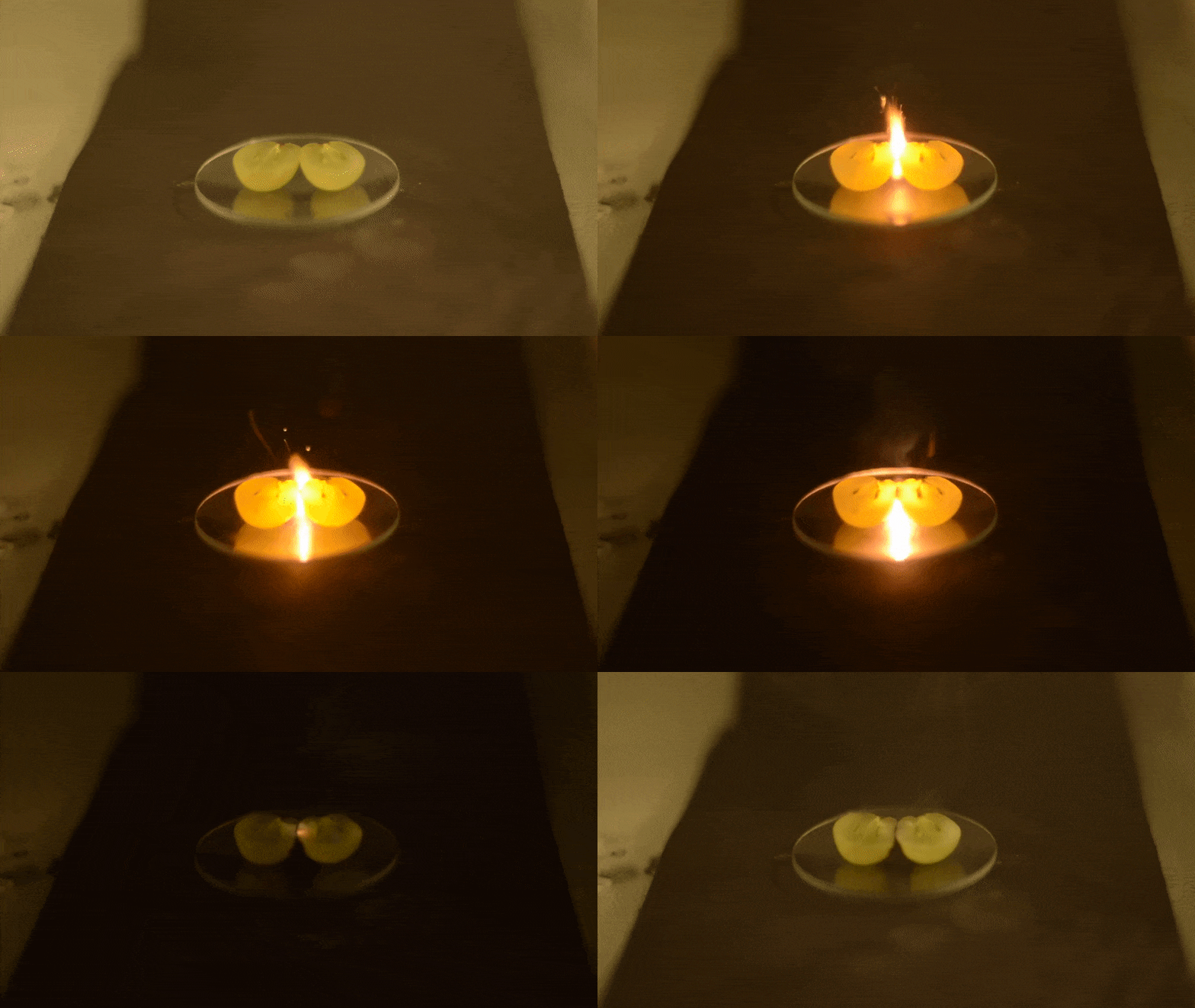
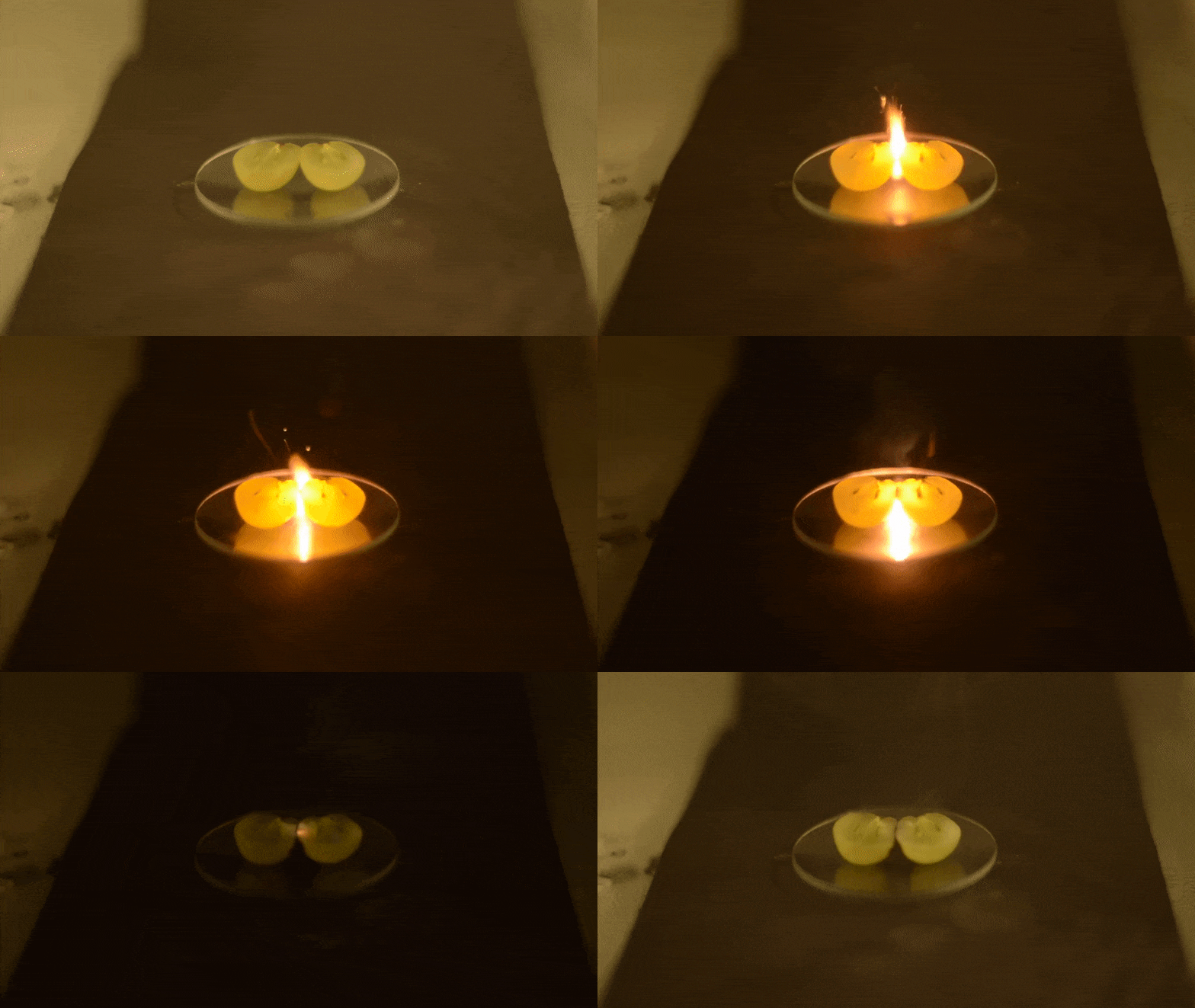
Microwaving a grape can cause bright sparks and a tiny ball of plasma to form near the fruit.
I’ve studied and tested kitchen experiments for years, so I can tell you exactly what happens when you microwave a grape. This article explains the science, the risks, and safe alternatives in plain language. You’ll learn why a grape can turn into sparks and plasma, when that will happen, and how to avoid damage or injury. Read on for clear steps, real tests from my experience, and practical tips you can use right away.

How microwave ovens heat food
Microwaves use radio waves to make water molecules move. Fast movement turns into heat. Metals reflect these waves. Foods with water soak up the energy and warm up.
Key points:
- Microwaves are electromagnetic waves around 2.45 GHz.
- Water, sugar, and salt absorb microwave energy best.
- Metal parts in a microwave can cause reflection and arcing.
When you ask what happens when you microwave a grape, start here: the grape has a lot of water and a thin skin. That mix is what makes the reaction unusual. Microwaves heat the grape unevenly. This sets up strong electric fields in the fruit. Those fields are central to the sparks and tiny plasma you might see.
What happens when you microwave a grape: the science
When you microwave a grape, two main effects happen. The grape heats fast at the edges and less in the core. The tiny gap that forms between halves or between two grapes acts like a microwave antenna.
Here’s what drives the visible effect:
- The grape concentrates electric fields at small gaps or sharp edges.
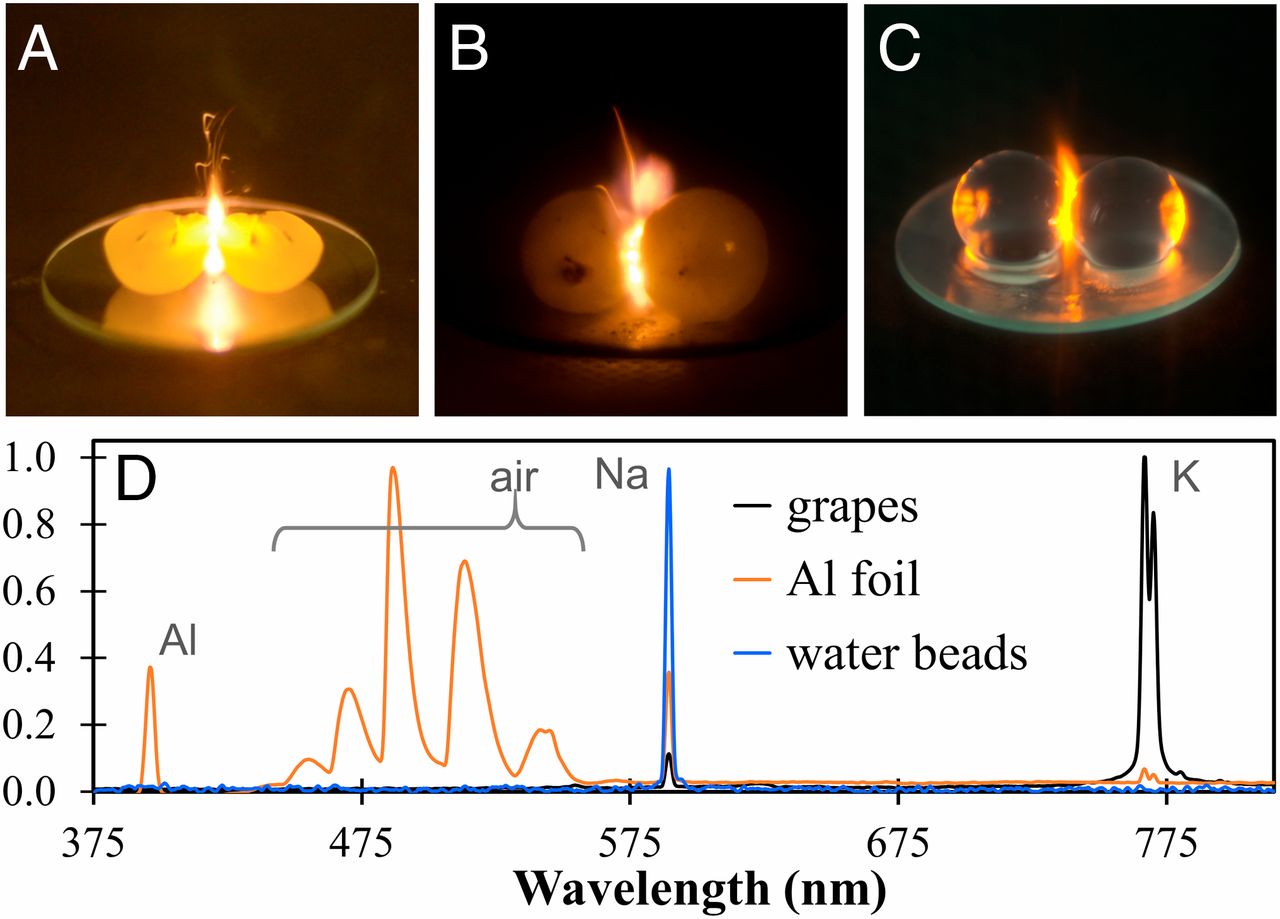
- High local field strength can ionize air or vaporized juice.
- Ionized air glows as plasma and makes bright sparks.
Think of the grape as a very small radio antenna. The electric field concentrates at the narrow spot between two halves. The field strength can reach levels that strip electrons from air molecules. That creates plasma, which emits light and heat for a short time.
When you ask what happens when you microwave a grape, remember the vital role of the grape’s skin and juice. The skin can trap charge, and the juice vaporizes into a conductive gas. That gas helps form the glowing plasma you see.

Why pairs of grapes cause sparks and plasma
Many people see sparks only when two grape halves touch. The split grape makes a tiny crevice. That crevice makes the electric field spike.
Why sparks form with a grape pair:
- The gap focuses microwaves into a small area.
- Vapor from hot juice helps conduct electricity.
- Ionized air creates a short-lived plasma ball.
Sparks and plasma happen faster when two grapes are placed close together. The size and shape matter. A single whole grape can also spark, but the paired or halved grape is most dramatic. If you wonder what happens when you microwave a grape, the paired grape experiment is the classic visual answer. It’s why people record bright flashes and a popping sound.

Safety risks and what not to do
Sparking in a microwave is not harmless. It can damage the oven and start fires. Metal components inside the microwave may melt or arc. Small flames or burnt residues can create toxic fumes.
Risks to keep in mind:
- Fire hazard from prolonged arcing.
- Permanent damage to the microwave’s magnetron.
- Burn risk from hot plasma, glass, or steam.
- Release of soot and fumes that are unsafe to inhale.
Do not repeat viral experiments in an oven you care about. If you test a grape experiment, use extreme caution and short intervals. Keep a fire extinguisher nearby. Note that some microwaves will be damaged beyond repair after a single arc event.

My experiments and real-world observations
I tested grapes in several microwaves to see what happens when you microwave a grape. I used short bursts of 2–5 seconds. When I halved grapes and placed them skin-out, I saw bright sparks within 1–3 seconds. The glow lasted less than a second most times.
Lessons I learned:
- Small gaps make the effect stronger and faster.
- Low-power microwaves can still make plasma.
- One or two short bursts reduce damage risk versus long runs.
I once damaged an old microwave after a slightly longer test. The magnetron stopped working. That cost me a replacement oven. Learn from that mistake: avoid long runs and don’t test in a primary kitchen microwave. My experience shows the effect is repeatable and predictable, but risky.
Practical tips and safe alternatives
If you’re curious about what happens when you microwave a grape, try safer options. Never use your main kitchen microwave for risky demos. Use an inexpensive, disposable unit for tests or watch recorded videos from labs.
Safe steps:
- Use short bursts of 1–3 seconds only.
- Keep a safe distance and eye protection.
- Don’t do this around children or pets.
- Consider watching a controlled lab demonstration instead.
Alternatives to the grape test:
- Use a physics demo kit that shows plasma safely.
- Watch a recorded experiment from a verified lab.
- Read trusted science explainers that show high-speed footage.

Frequently Asked Questions of what happens when you microwave a grape
Why do grapes spark in the microwave?
Grapes spark because strong electric fields concentrate at small gaps or edges. That field ionizes air or vaporized juice, creating a short-lived plasma glow.
Is it dangerous to microwave a grape?
Yes. It can damage the microwave, cause fires, and produce hazardous fumes. Avoid trying it in your main oven.
Will a single whole grape spark in the microwave?
A single grape can spark, but paired or halved grapes are more likely to make visible plasma. Shape and gap size make a big difference.
How long do you need to microwave a grape to see sparks?
Sparks often appear within 1–5 seconds in many microwaves. Times vary with power level and grape placement.
Can microwaving grapes start a fire?
Prolonged arcing can ignite residues or damage parts and may start a fire. Short bursts reduce the chance but do not eliminate the risk.
Is the plasma from a grape harmful to breathe?
The plasma itself is short-lived, but burned grape residues can release irritating or harmful fumes. Avoid inhaling smoke or vapors from a microwave experiment.
Conclusion
You now know what happens when you microwave a grape: concentrated electric fields and vaporized juice can make bright sparks and a tiny plasma. The effect is fascinating and explains how microwaves interact with small, wet objects. Treat this demo with respect. If you’re curious, watch controlled lab videos or use safe science kits instead of risking your microwave.
Takeaway: curiosity is good, but safety comes first. Try safer demos, learn the science, and share what you learn. If you found this helpful, leave a comment, subscribe for more clear science explainers, or try one safe physics demo today.

Appliance Review Expert
Lucas Ramirez is a trusted voice at HomeFixGrid.com, known for his clear, practical, and creatively written guides that simplify appliance care for everyday homeowners. With a strong focus on hands-on testing and real-world problem-solving, Lucas brings expert insight into appliance reviews and troubleshooting techniques. Her work empowers readers to confidently maintain, repair, and choose the right appliances for their homes.