How To Prevent Vegetables Turning Mushy In Slow Cooker: DIY
Cook hearty veg, cut them larger, add them late, and control liquid and heat to keep texture.
I’ve cooked in slow cookers for years and solved the common problem of soft, mushy vegetables. This guide explains how to prevent vegetables turning mushy in slow cooker meals. I’ll share practical steps, the why behind them, and tested routines you can use tonight. Read on for clear, expert-backed tips that work in real kitchens.

Why vegetables go mushy in a slow cooker
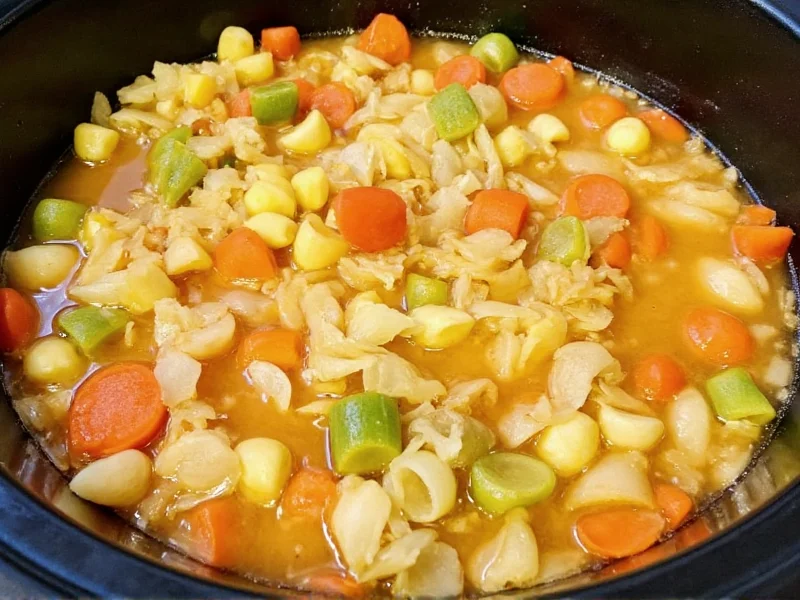
Vegetables go mushy when their cell walls break down. Heat and prolonged moisture dissolve pectin. Slow cookers use low, steady heat. That is great for flavor, but it can over-soften vegetables.
Other reasons include:
- Too long cooking time. Vegetables cooked for many hours will lose structure.
- Too much liquid. Excessive moisture speeds breakdown.
- Small, thin cuts. Smaller pieces soften much faster.
- Placement and agitation. Vegetables at the bottom or stirred often cook faster.
Understanding these causes helps solve how to prevent vegetables turning mushy in slow cooker recipes. Simple adjustments stop overcooking while keeping flavor.

Slow cooker basics that affect vegetable texture
Slow cookers vary. Know these settings and parts. They matter for how to prevent vegetables turning mushy in slow cooker dishes.
Key points:
- Low vs. High settings. Low is gentler but longer. High cooks faster and can reduce time for veg.
- Lid position. Keep the lid closed. Opening lengthens total cook time and can change moisture levels.
- Size of the insert. A crowded crock delays heat but may over-steam contents.
- Heat distribution. Thin-walled models may cook faster near edges. Adjust placement accordingly.
Simple control of time and heat is central to keeping vegetables firm.

Practical strategies to prevent vegetables turning mushy in slow cooker
Use these clear techniques. I use them every week.
Choose the right vegetables
- Pick firm, hearty vegetables. Potatoes, carrots, and turnips hold up well.
- Avoid too many tender items early. Peas, spinach, and broccoli break down quickly.
Cut size and shape deliberately
- Cut root vegetables into larger chunks. Bigger pieces need more time and keep texture.
- Slice delicate veg thin only if you plan to add them near the end.
Par-cook or sear when useful
- Sear root veg or roast briefly in the oven to tighten their exterior before slow cooking.
- Par-boil potatoes for 5–7 minutes when you want to add them earlier.
Layering and placement
- Place sturdier vegetables closest to the heat source or at the bottom.
- Put delicate vegetables on top or add them later in the cook.
Timing is crucial
- Add fast-cooking vegetables in the last 30–60 minutes.
- Start slower veg with the protein or sauce.
Control liquid and steam
- Use just enough liquid to simmer. Too much water steams vegetables and makes them soft.
- Thicken sauces early if needed. Less free liquid keeps texture better.
Use liners and bags smartly
- A foil tent or oven bag can protect delicate veg from direct liquid and over-steaming.
- Remove the tent late in the process to let sauce reduce, if desired.
Finish with a blast of heat
- If texture is too soft near the end, switch to High for 20–30 minutes. This reduces liquid and firms texture a bit.
These steps directly answer how to prevent vegetables turning mushy in slow cooker meals by controlling time, heat, and moisture.

Vegetable-specific tips
Not all vegetables react the same. Use these targeted tips to prevent mushy results.
Potatoes
- Use waxy potatoes for stews; they hold shape better.
- Cut into large chunks or add in the last half of cooking.
Carrots and parsnips
- These are sturdy. Cut large and add at start for full cooking, or mid-cook for more bite.
Sweet potatoes and winter squash
- These soften faster. Add in the last 60–90 minutes for texture.
Broccoli, cauliflower, and cabbage
- Add only in the final 20–30 minutes. They become bitter and mushy if overcooked.
Green beans and peas
- Add in the last 10–20 minutes. Frozen peas can be stirred in at the end.
Tomatoes
- Tomatoes break down quickly. Add fresh tomatoes late or use canned tomatoes earlier for body.
Mushrooms
- Cook mushrooms separately or add late. They release a lot of water.
These small swaps answer practical how to prevent vegetables turning mushy in slow cooker recipes for each type of veg.

Timing and layering guide (quick reference)
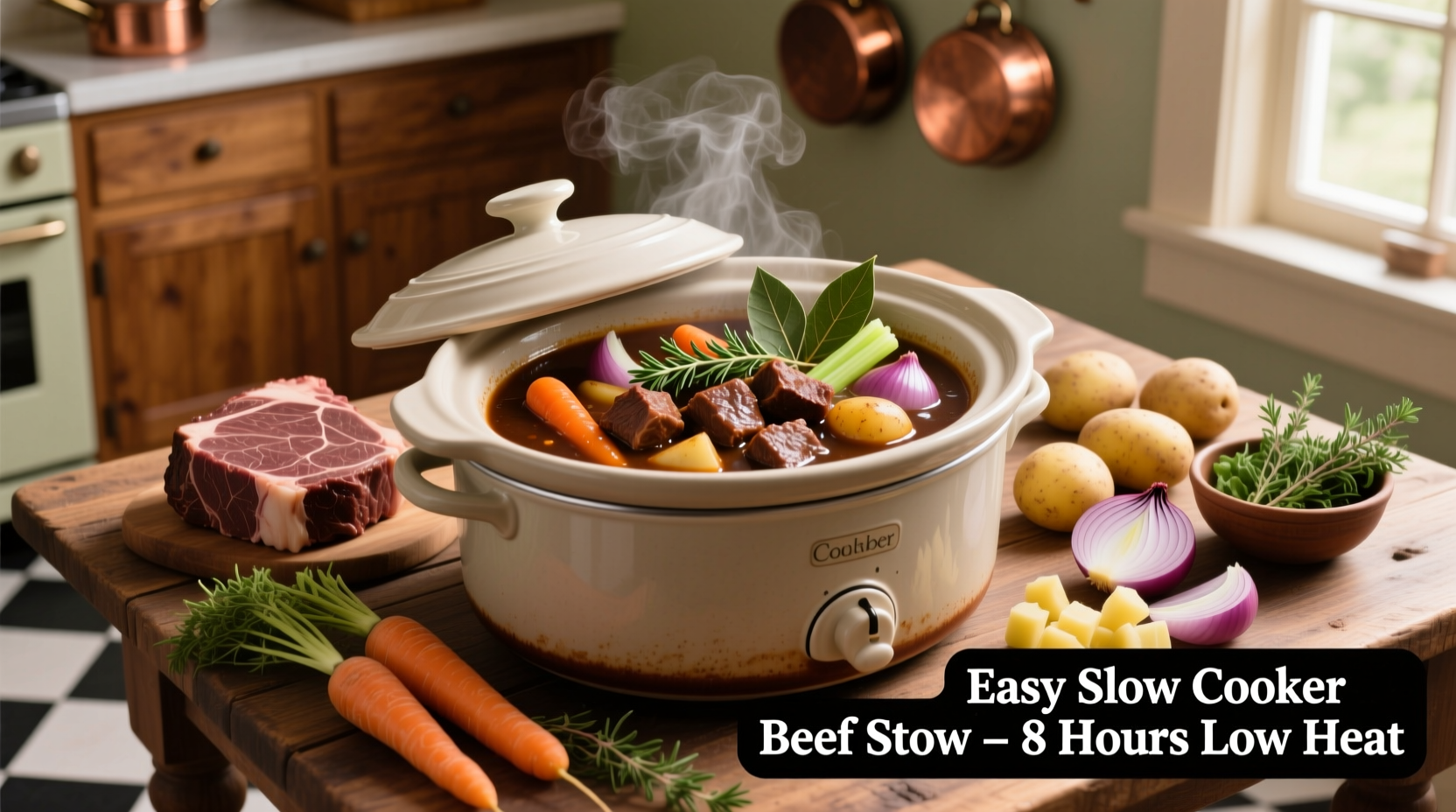
Follow this tested schedule. I use it for 8-hour slow cooker meals.
Step-by-step for an 8-hour Low cook:
- Start: Add meat and root vegetables (large chunks) and enough liquid for simmering.
- Hour 5: Add firmer veg like potatoes or carrots cut medium if you want them firmer.
- Hour 7: Add tender veg like squash.
- Last 30 minutes: Add quick-cook greens, peas, or beans. Check seasoning and texture.
For 4-hour High cooks:
- Start: Add meat and the heartiest vegetables only.
- Last 45–60 minutes: Add medium-sturdy veg.
- Last 15–20 minutes: Add delicate greens and frozen peas.
This layered timing is how to prevent vegetables turning mushy in slow cooker meals without sacrificing flavor.
Liquid, acid, and salt: how they affect texture
Liquid management matters. Acid and salt also change how vegetables hold up.
Liquid
- Less is better for firm texture. Use just enough to cover bottom or create steam.
Acid - Acids like lemon or vinegar can slow pectin breakdown in some vegetables. Add acids late to keep brightness without over-softening.
Salt - Salt draws moisture. Season gradually. Too much early can make vegetables soggy in long cooks.
Understanding these interactions helps with how to prevent vegetables turning mushy in slow cooker dishes while keeping flavor balanced.

Common mistakes and troubleshooting
Avoid these frequent errors I’ve seen and made.
Overcutting vegetables
- Too small pieces cook too fast. Cut larger to keep structure.
Using too much liquid
- More water equals more steam and softer veg. Measure liquids.
Adding everything at once
- Add delicate veg late. Stagger timing by texture.
Ignoring slow cooker style
- Not all slow cookers heat the same. Learn yours by testing short cooks.
Not checking early when experimenting
- Check texture earlier the first time you try a new recipe. Adjust next time.
Fixes if veg are mushy
- Blend into a sauce or mash and use as soup or thickener.
- Serve soft vegetables as a side rather than the star.
These tips help you recover and improve how to prevent vegetables turning mushy in slow cooker meals.

My tested recipe method: hearty stew with firm vegetables
I use this method weekly. It keeps vegetables intact and flavorful.
Steps:
- Brown meat and deglaze the pan. Adds flavor and reduces liquid later.
- Add onions and whole garlic to the slow cooker.
- Add large chunks of carrots and parsnips at the start.
- Add potatoes at hour 4 for an 8-hour Low cook.
- Add green beans and peas in the last 20 minutes.
- Finish with acid and fresh herbs at the end.
This routine shows exactly how to prevent vegetables turning mushy in slow cooker meals while maximizing taste.
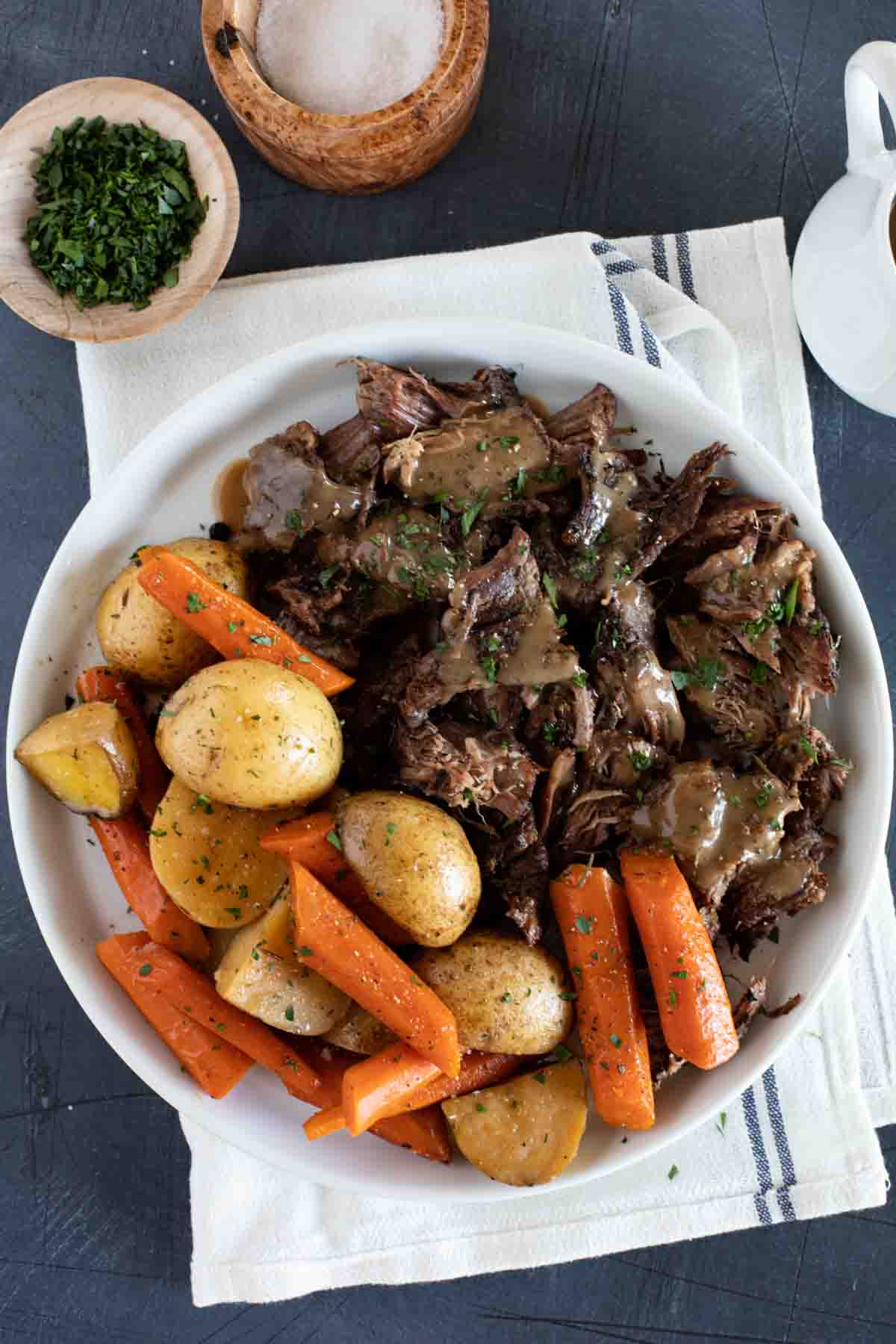
Frequently Asked Questions of how to prevent vegetables turning mushy in slow cooker
How long can I cook vegetables in a slow cooker without them becoming mushy?
Cooking time varies by vegetable, but hearty root veg can handle 6–8 hours on Low. Tender greens and peas should be added in the last 10–30 minutes to avoid mushiness.
Should I peel vegetables before putting them in the slow cooker?
Peeling is optional. Skins can help structure and hold nutrients. For dense root vegetables, leaving skins on can help prevent them from turning mushy.
Does the amount of liquid matter for vegetable texture?
Yes. Excess liquid creates steam and speeds softening. Use enough to cover the bottom and create simmering steam, but avoid drowning the vegetables.
Can I par-cook vegetables before adding them to the slow cooker?
Yes. Par-cooking by roasting or boiling briefly tightens the exterior and reduces the slow cooker time needed, helping prevent mushy results.
Will acids like lemon or vinegar keep vegetables firm?
Acids can slow pectin breakdown in some vegetables, helping them hold shape. Add acids late in the cooking process for best effect.
Conclusion
Preventing mushy vegetables in a slow cooker comes down to three simple levers: time, heat, and moisture. Choose sturdy vegetables, cut them larger, layer and time additions thoughtfully, and manage liquids and acids. Try the timing guide and my tested method this week to see clear improvements. Share your results or questions below, and consider subscribing for more practical slow cooker tips.

Appliance Review Expert
Lucas Ramirez is a trusted voice at HomeFixGrid.com, known for his clear, practical, and creatively written guides that simplify appliance care for everyday homeowners. With a strong focus on hands-on testing and real-world problem-solving, Lucas brings expert insight into appliance reviews and troubleshooting techniques. Her work empowers readers to confidently maintain, repair, and choose the right appliances for their homes.