How To Use Frozen Meat Safely In Slow Cooker: Safety Tips
You can use frozen meat in a slow cooker if you thaw safely and reach safe temperatures.
I have cooked for years and tested many methods to show how to use frozen meat safely in slow cooker. This guide blends food-safety rules, hands-on tips, and clear steps so you can avoid risks and still enjoy slow-cooked meals. Read on to learn proven ways to handle frozen meat, thaw it right, and get safe, tasty results every time.
Why you must be careful with frozen meat in a slow cooker
Slow cookers heat slowly. If frozen meat sits too long in the 40°F–140°F danger zone, bacteria can grow. That is why clear steps matter when you want to know how to use frozen meat safely in slow cooker.
Food safety agencies warn against placing large frozen cuts directly into a slow cooker because the core can stay too cool for too long. Small pieces thaw faster, but risk remains unless you follow safe methods and check temperatures.
Key food-safety basics before you cook
Know the safe internal temps. Whole cuts of beef, pork, lamb should reach 145°F and rest 3 minutes. Ground meats need 160°F. Poultry must hit 165°F. Use a probe thermometer to confirm.
Thawing is the safest route. Plan ahead and thaw in the fridge overnight. Cold-water and microwave thawing work when you’re short on time, but handle the meat right after thawing. These basics are the foundation for how to use frozen meat safely in slow cooker.
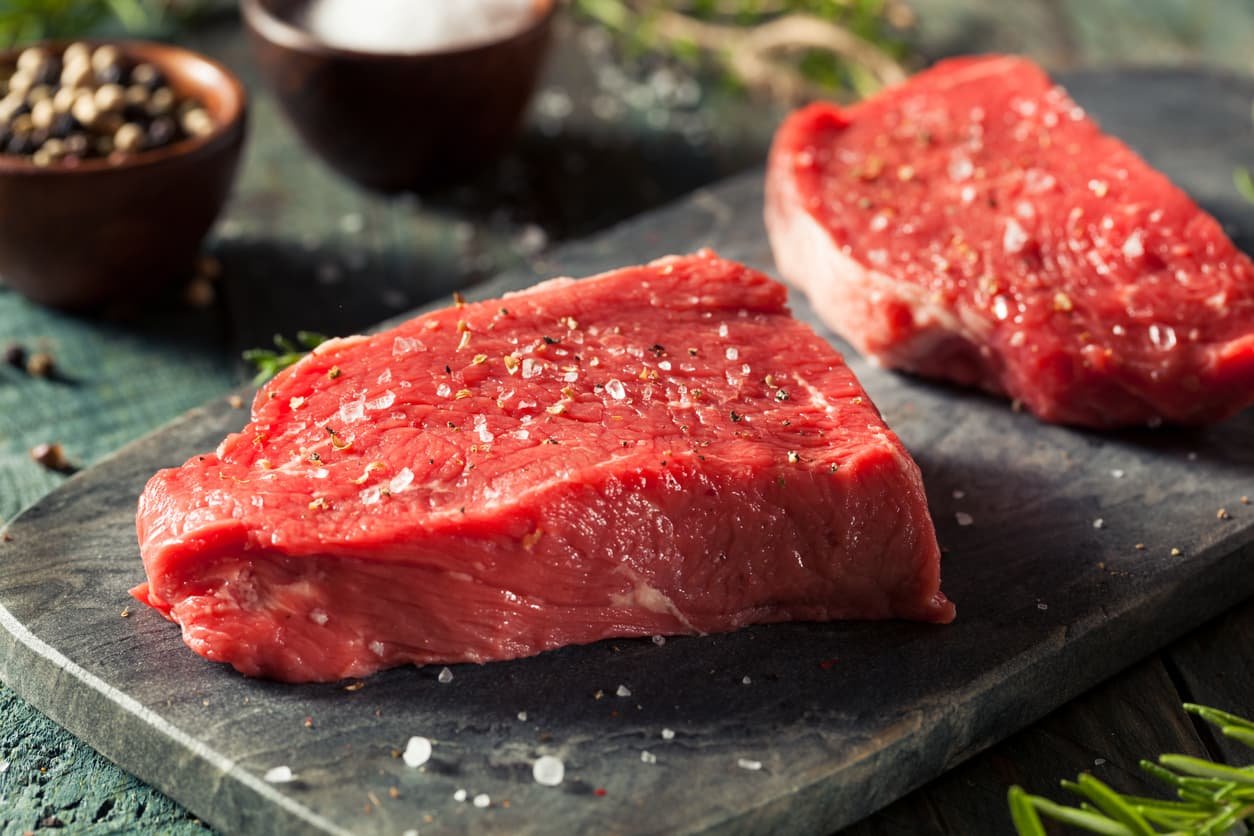
Safe methods to use frozen meat in slow cooker
Best practice is to thaw first in the refrigerator. This keeps the meat at safe temperatures while it thaws. It also helps the slow cooker get food to the safe zone fast.
If you must start from frozen, follow one of these safer options:
- Thaw quickly in cold water. Keep meat in a sealed bag and submerge in cold water. Change water every 30 minutes until thawed.
- Use the microwave’s defrost setting. Cook immediately after microwave thaw to avoid partial cooking and bacterial growth.
- Sear or simmer on the stovetop first. Bring the frozen meat up to at least 140°F on the stove, then transfer to the slow cooker to finish.
- Use a pressure cooker instead. If you need to cook from frozen, a pressure cooker or Instant Pot raises temp quickly and can be safer than a slow cooker.
Avoid placing a large frozen roast or whole bird directly into a slow cooker. That is the most common error when people try to use frozen meat safely in slow cooker.
Step-by-step: thawing and preparing frozen meat for slow cooking
- Thaw in the fridge
- Move meat to a plate on the bottom shelf.
- Allow 24 hours per 4–5 pounds for large cuts.
- Cold-water thaw if short on time
- Keep meat in a leak-proof bag.
- Submerge in cold water and change water every 30 minutes.
- Microwave thaw as last resort
- Use defrost and then start cooking immediately.
- Pat dry and season
- Remove excess moisture before you brown or add to the slow cooker.
- Brown or preheat if desired
- Sear in a hot pan for flavor and faster temp rise. This helps when you use frozen meat in slow cooker to ensure even cooking.
- Use a thermometer
- Check internal temp in the thickest part before serving.
Following these steps will make it much safer to use frozen meat in slow cooker and improve flavor and texture.
:max_bytes(150000):strip_icc()/cooking-frozen-meat-01-realsimple-90a071398b9544d2926896af6899f18a.jpg)
Cooking times, temperatures, and thermometer use
Slow cooker times vary by cut and size. Thawed stew meat often cooks on low for 6–8 hours. A thawed roast can take 8–10 hours on low. If you attempted to use frozen meat safely in slow cooker, know that time alone is not enough; temperature matters.
Always use a digital meat thermometer. Insert it into the thickest part. Confirm:
- Poultry: 165°F
- Ground meats: 160°F
- Beef, pork, lamb (whole cuts): 145°F and rest 3 minutes
If the meat has not reached a safe temp, continue cooking and recheck every 15–30 minutes. This habit is the final check that tells you whether your method of how to use frozen meat safely in slow cooker actually worked.
:max_bytes(150000):strip_icc()/gettyimages-118528161-ed493b5f06954a0b8f559bc63560ae1d.jpg)
Common mistakes and how to avoid them
People often make these errors:
- Putting a large frozen roast straight into the slow cooker. This can keep the center too cold for too long.
- Skipping the thermometer. Visual cues are unreliable.
- Overcrowding the pot. That slows heat circulation and extends the danger-zone time.
- Relying on cook time alone. Ovens and slow cookers vary. Always check temp.
To avoid trouble, plan thawing, use proper thaw methods, and verify temps. These steps help you use frozen meat safely in slow cooker every time.
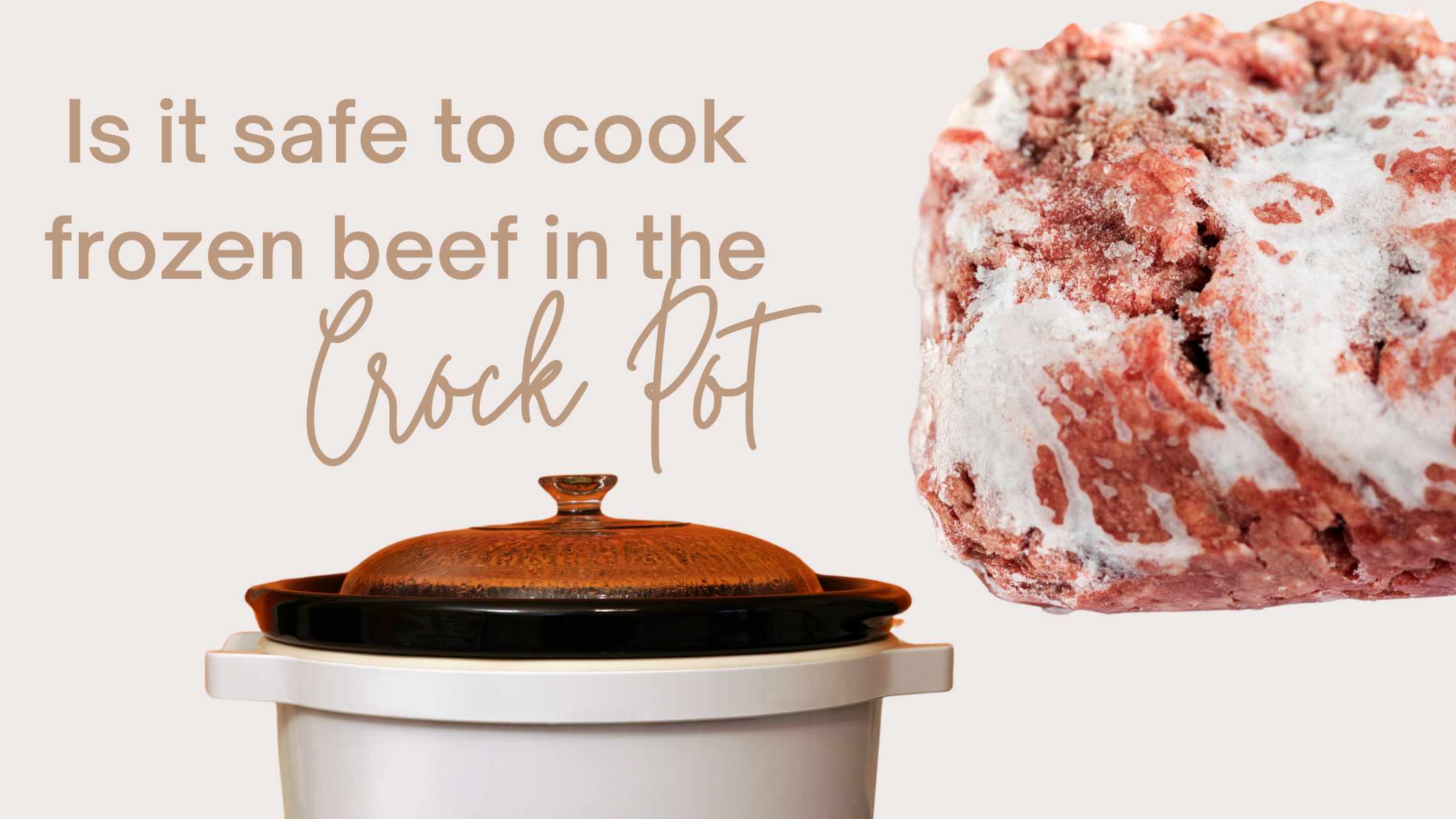
Personal experience and practical tips
I once tried to cook a frozen pork shoulder straight from the freezer. The outer parts looked done after many hours, but the center was undercooked. I learned then to always thaw large cuts first or preheat them on the stove.
Other tips I use often:
- Cut meat into uniform pieces. Smaller pieces thaw and cook faster.
- Layer vegetables below the meat. They heat first and help lift overall pot temperature.
- Use hot liquid when you add meat. This shortens the time the meat spends in the danger zone.
These real-world changes made my slow-cooker meals safer and tastier when I needed to use frozen meat in slow cooker setups.

Meal ideas and recipe notes when using frozen meat
Choose recipes that suit thawed or small cuts:
- Stews and chili with small cubes of beef or pork
- Shredded chicken from thawed breasts or thighs
- Pulled pork when thawed or preheated and then slow cooked
- Curries with thawed meat to ensure even spice absorption
If you must use partially frozen pieces, cut them into small chunks after a brief microwave defrost. Always finish by checking internal temperatures before serving. These recipe choices make it easier to use frozen meat safely in slow cooker without risk.
Frequently Asked Questions of how to use frozen meat safely in slow cooker
Is it safe to put frozen meat directly into a slow cooker?
Putting large frozen meat cuts directly into a slow cooker is not recommended because the center can stay too cool for too long. Small frozen pieces may be safer if you take care to raise the temperature quickly and check internal temps.
How long should I thaw meat in the fridge before using a slow cooker?
Thaw small cuts overnight, and allow about 24 hours per 4–5 pounds for large roasts. Proper fridge thawing keeps the meat at safe temperatures and makes slow-cooking safe.
Can I use the microwave to thaw meat for the slow cooker?
Yes, you can use the microwave to defrost meat, but you must cook it immediately afterward. Microwave thawing can cause partial cooking and create warm pockets that need to be finished quickly.
What should I do if I accidentally put frozen meat in the slow cooker?
If the meat is a large cut, stop and transfer to a safer method like an oven or pressure cooker to raise the internal temp quickly. If it is small pieces, monitor with a thermometer and ensure it reaches the safe internal temperature.
Do I need to sear meat before adding it to the slow cooker?
Searing is optional but helpful. It adds flavor and speeds the rise in surface temperature. Searing especially helps if you try to use frozen meat in slow cooker after a quick thaw.
How often should I check the temperature while cooking?
Check toward the end of the expected cook time and then again as needed until the meat reaches a safe temperature. Recheck every 15–30 minutes if it is still below target.
Conclusion
Follow simple rules and you can avoid risk while making great meals. Thaw in the fridge when you can, use cold-water or microwave thawing when pressed for time, and always verify internal temperatures with a good thermometer. My advice is to plan a bit more time and patience. That small effort keeps your food safe and tastes better. Try these tips this week, leave a comment with your experience, and subscribe for more practical kitchen safety guides.

Appliance Review Expert
Lucas Ramirez is a trusted voice at HomeFixGrid.com, known for his clear, practical, and creatively written guides that simplify appliance care for everyday homeowners. With a strong focus on hands-on testing and real-world problem-solving, Lucas brings expert insight into appliance reviews and troubleshooting techniques. Her work empowers readers to confidently maintain, repair, and choose the right appliances for their homes.