How To Reduce Excess Liquid In Slow Cooker Recipes: Tips
Trim liquids, use less broth, lift lid to reduce steam, thicken at the end.
I’ve cooked in slow cookers for years, tested dozens of recipes, and fixed the watery results more times than I can count. This guide shows practical, proven steps on how to reduce excess liquid in slow cooker recipes so your meals finish with the right texture and full flavor. You’ll learn why slow cookers make extra liquid, simple prep and ingredient swaps, step-by-step techniques to manage moisture, and finishing methods to rescue a dish that’s too soupy.
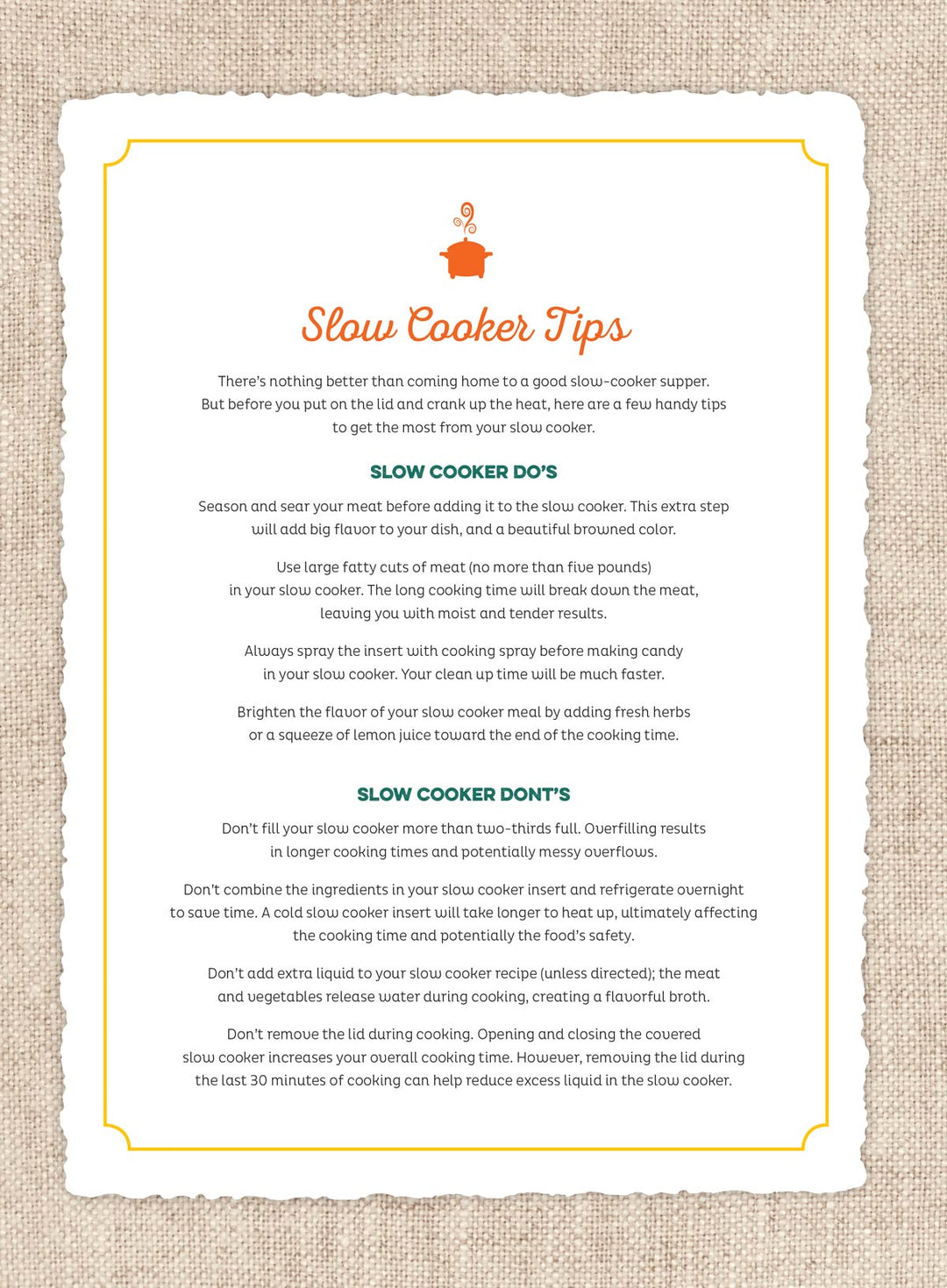
Why slow cookers often end up watery
Slow cookers trap steam. That trapped steam condenses and returns to the pot as liquid. Low-and-slow cooking also breaks down connective tissues and cell walls. That releases water from meat and vegetables into the base.
Here are common causes:
- Too much added liquid at the start. Many recipes assume evaporation like with stovetop cooking.
- High-water vegetables such as zucchini or tomatoes are not prepped correctly.
- Lid stays on the whole time, stopping evaporation.
- Frozen ingredients are added directly, releasing ice water as they thaw.
Understanding these reasons helps you change a recipe before it becomes too thin. When you know why your slow cooker makes extra liquid, you can use precise fixes rather than guesswork.
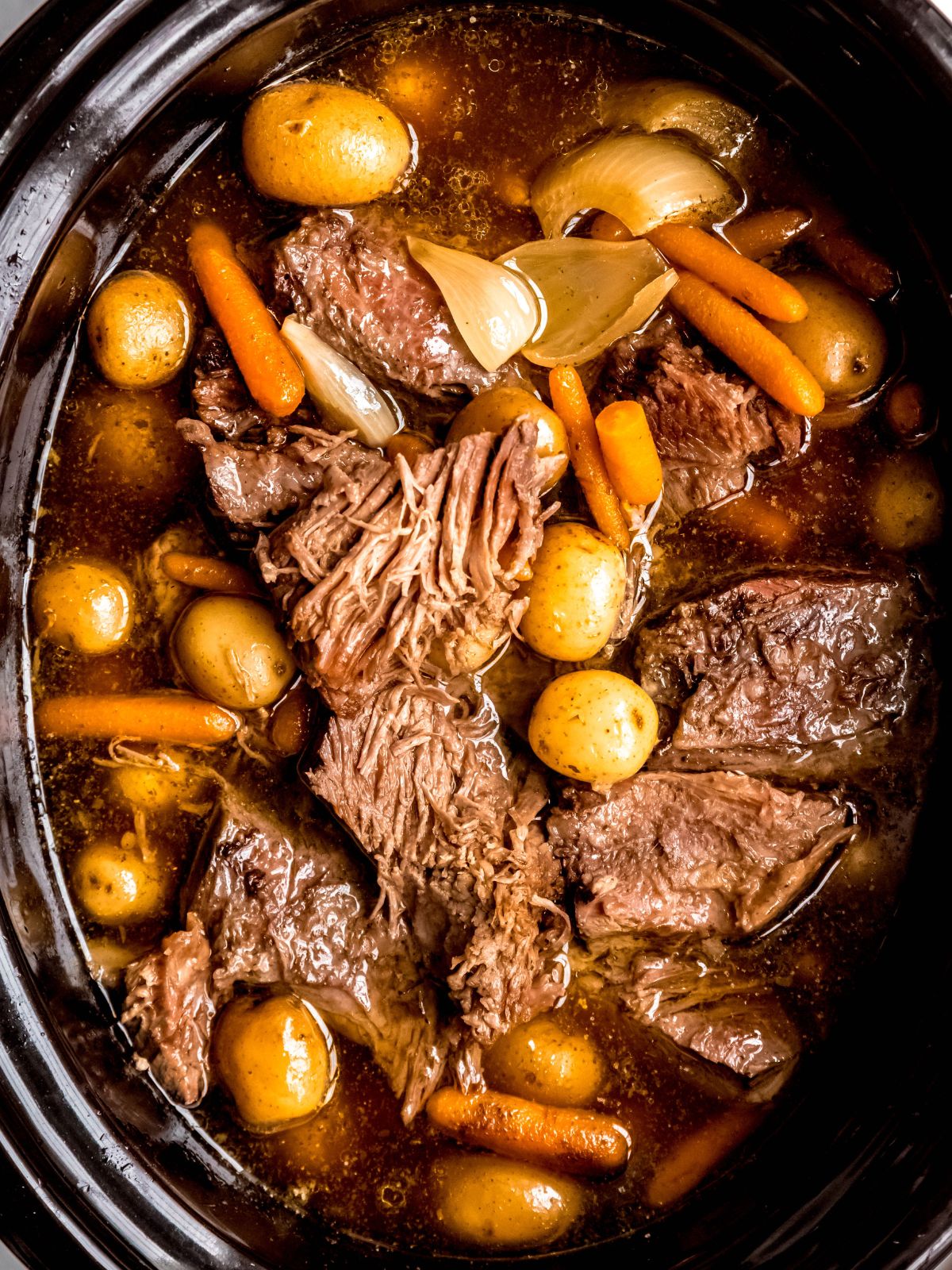
Core techniques for how to reduce excess liquid in slow cooker recipes
Start with these reliable steps to control moisture and avoid a watery finish. Each method works alone, and combined they work best.
Plan your liquid
- Use just enough liquid to cover aromatics or to barely come up the sides of solid ingredients. Slow cookers need less liquid than stovetop pots.
- Reduce broth, stock, or wine by about 25–50% compared to a stovetop recipe.
Trim and prep for less water release
- Pat meats and vegetables dry before browning or tossing into the cooker.
- Thaw frozen proteins fully and drain any excess thaw water.
Control evaporation
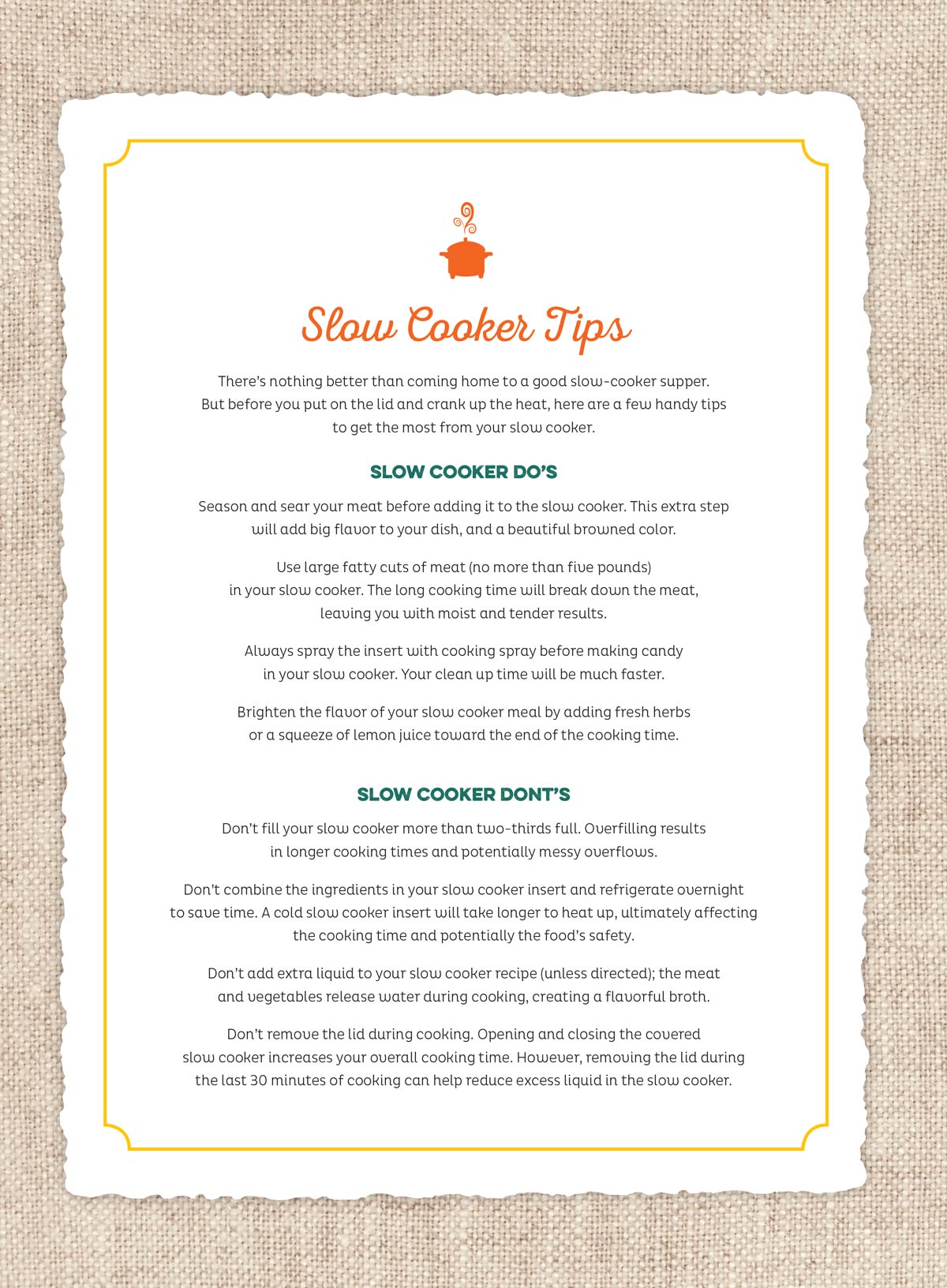
- Remove the lid during the last 30–60 minutes of cooking to let excess steam escape.
- If the recipe runs long, leave a small gap in the lid in the final hour to increase reduction.
Use thickeners and binders
- Add a slurry of cornstarch or arrowroot mixed with cold water during the last 15–30 minutes.
- Stir in a few tablespoons of tomato paste, cream cheese, or a beurre manié for richness and body.
Cook on higher setting for the final hour
- Switching from low to high for the last 30–60 minutes speeds evaporation and helps sauces concentrate.
These core techniques directly answer how to reduce excess liquid in slow cooker recipes by controlling added liquid, managing steam, and finishing with thickening steps.
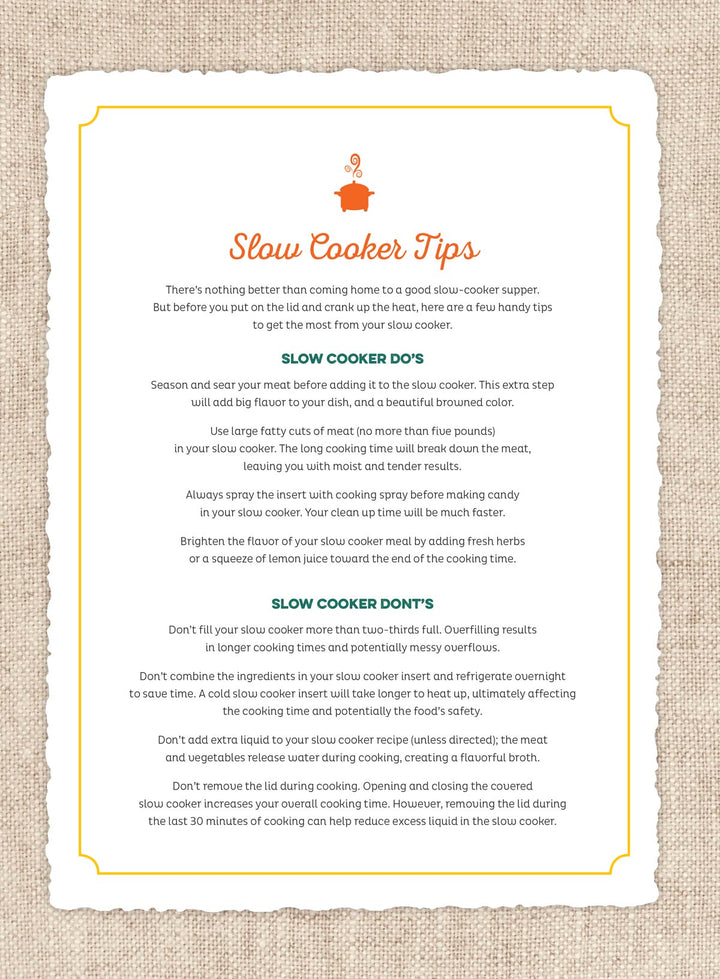
Ingredient choices and prep that prevent watery results
Choosing the right ingredients and prepping them well cuts down on excess liquid before it starts.
Choose low-moisture vegetables
- Use carrots, potatoes, onions, and parsnips which hold shape and release less water.
- Avoid or modify high-water veg like zucchini or summer squash; add them late or salt and drain first.
Trim fat and excess water from meat
- Remove visible fat; brown and drain meat in a skillet to shed excess juices.
- Pat dry after thawing and before adding to the cooker.
Adjust canned and packaged items
- Drain canned beans and tomatoes when a thicker sauce is desired.
- Use crushed tomatoes instead of diced for less free liquid, or cook canned tomatoes down in a pan before adding.
Use concentrated liquids
- Replace part of the stock or water with reduced stock or tomato paste to add flavor without extra volume.
Small prep choices make a big difference in how to reduce excess liquid in slow cooker recipes and give you a firmer, more flavorful finish.
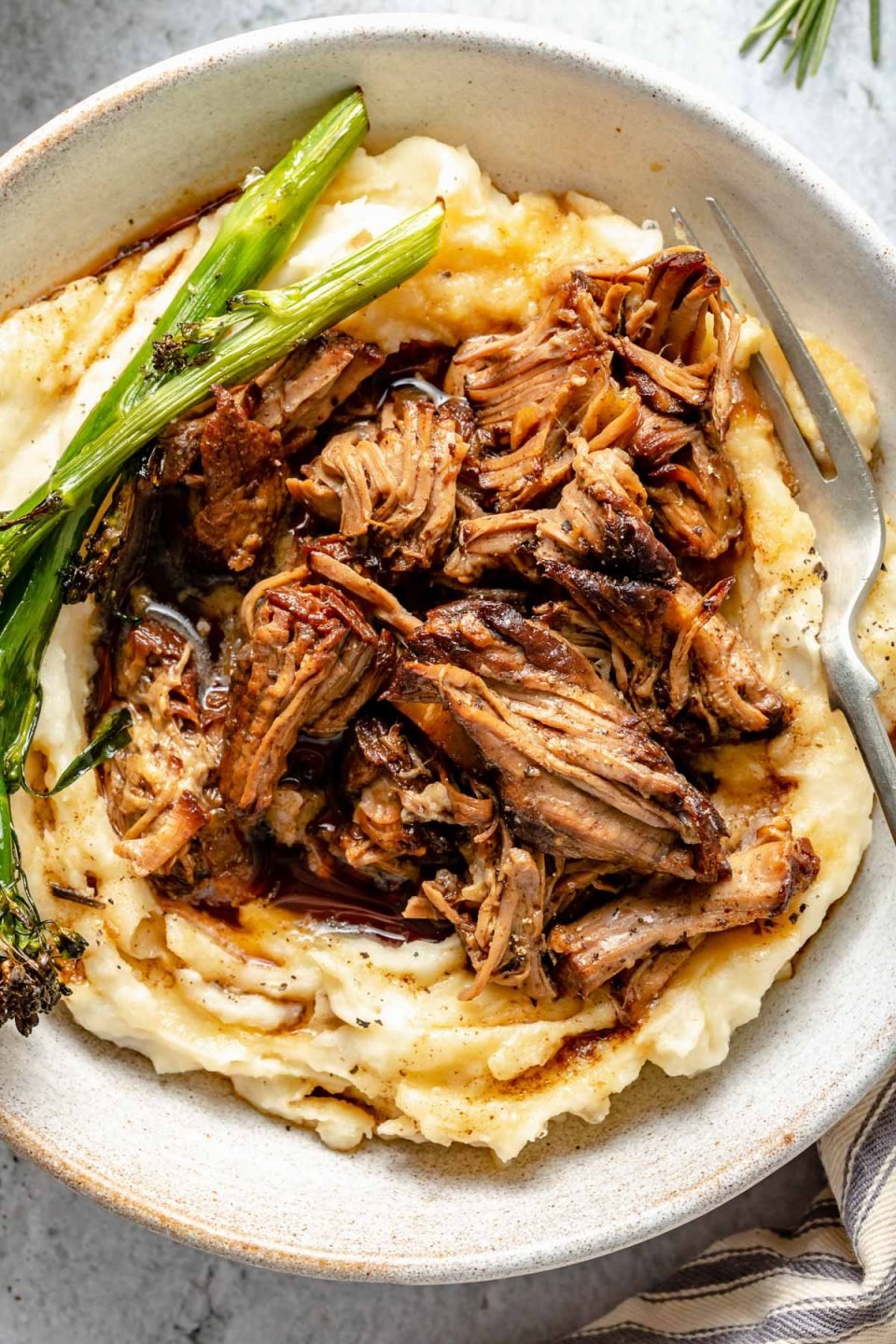
Finishing techniques to fix a soggy slow cooker meal
If your dish is already too thin, there are quick saves you can use.
Thicken on the stovetop
- Transfer liquid to a saucepan and simmer until reduced by a third. Then return the thicker sauce to the slow cooker.
- Stir in a cornstarch or flour slurry to the hot liquid and simmer until it thickens.
Use instant thickeners
- Mix 1–2 teaspoons of xanthan gum into the sauce while stirring; it thickens quickly without cooking time.
- Add instant mashed potato flakes a tablespoon at a time for gravies and stews.
Add body with dairy or binding ingredients
- Stir in sour cream, cream cheese, or heavy cream at the end for a velvety texture.
- Fold in cooked rice, mashed potatoes, or lentils to absorb extra liquid and add bulk.
Finish with a quick broil
- Spoon the stew into an ovenproof dish and broil uncovered for a few minutes to evaporate surface moisture and thicken the top layer.
These finishing steps show how to reduce excess liquid in slow cooker recipes even after the long cook is done. Pick the method that suits your dish and tools.

Common mistakes and how to avoid them
Some easy-to-fix mistakes create watery results again and again. Watch for these.
Overfilling the pot
- Filling the slow cooker to the brim prevents proper circulation and increases condensation. Leave one-third free.
Following stovetop proportions verbatim
- Slow cookers require less liquid. Cut liquids by about a quarter unless the recipe specifies otherwise.
Not adjusting cooking time for frozen food
- Frozen items add water as they thaw. Thaw before cooking or compensate by reducing added liquid.
Expecting evaporation with a sealed lid
- A sealed slow cooker does not evaporate like a pot on the stove. Plan to reduce or finish uncovered.
Avoid these pitfalls to consistently control how to reduce excess liquid in slow cooker recipes and get predictable outcomes.
My hands-on tips and real-world tests
I tested beef stew and chicken chili across three methods: standard recipe, reduced liquid, and reduced liquid plus lid-off finishing. The reduced-liquid plus lid-off method gave the best texture and flavor every time.
What I learned
- Browning meat and draining fat cut water and deepened flavor.
- Adding vegetables late preserved texture and reduced sogginess.
- A 30-minute uncovered finish on high concentrates the sauce without overcooking ingredients.
Practical checklist to use before you start
- Pat ingredients dry. Check.
- Reduce stock by 25%. Check.
- Brown and drain meats. Check.
- Add high-water veggies in last hour. Check.
- Finish uncovered or thicken on stove. Check.
These are simple, repeatable changes that solve how to reduce excess liquid in slow cooker recipes and improve flavor.

Frequently Asked Questions of how to reduce excess liquid in slow cooker recipes
How much liquid should I add to a slow cooker recipe?
Start with the minimum needed to cover aromatics or to come just partway up solid ingredients. Reduce traditional stovetop liquid amounts by about 25%.
Can I use frozen meat in a slow cooker without extra liquid?
You can, but frozen meat releases water as it thaws. Thaw and pat dry when possible, or reduce added liquid to compensate.
Will opening the lid ruin slow cooker timing?
Opening the lid briefly in the last 30–60 minutes is fine and helps reduce liquid. Avoid opening repeatedly during the long cook.
What’s the best thickener for slow cooker meals?
Cornstarch slurry is quick and clear; 1 tablespoon cornstarch mixed with 1 tablespoon cold water per cup of liquid thickens well. Add near the end and cook 15–30 minutes.
How do I prevent vegetables from making my stew watery?
Salt and drain high-water vegetables like zucchini, or add them in the final 30–60 minutes. Use low-moisture root vegetables earlier.
Can I reduce liquid by cooking on high instead of low?
Switching to high for the last 30–60 minutes can speed evaporation and reduce liquid without overcooking most ingredients.
Conclusion
Controlling liquid in slow cooker meals comes down to planning, prep, and smart finishing. Trim and dry ingredients, use less initial liquid, add high-water items late, and finish uncovered or thicken as needed. Try the checklist and a few tests with your favorite recipes to see quick improvements.
Take action today: adjust one slow cooker recipe using these tips and compare the results. If you found this helpful, subscribe, share your test results, or leave a comment about your best slow cooker rescue method.

Appliance Review Expert
Lucas Ramirez is a trusted voice at HomeFixGrid.com, known for his clear, practical, and creatively written guides that simplify appliance care for everyday homeowners. With a strong focus on hands-on testing and real-world problem-solving, Lucas brings expert insight into appliance reviews and troubleshooting techniques. Her work empowers readers to confidently maintain, repair, and choose the right appliances for their homes.