What Is The Magnetron In A Microwave: How It Works
A magnetron is the microwave oven tube that creates microwaves to heat your food.
I’ve spent years repairing and testing kitchen appliances, and I can tell you the magnetron is the single most important part of a microwave oven. This article explains what a magnetron is, how it works, why it matters for safety and performance, and when to repair or replace it. Read on for clear, practical answers and hands-on tips that will help you understand your microwave at a deeper level.
What is a magnetron in a microwave?
A magnetron is an electron tube that produces high-frequency radio waves. In a microwave oven, that radio energy is in the microwave band and is what heats food.
The magnetron converts electrical power into electromagnetic waves at about 2.45 gigahertz. Those waves enter the cooking cavity and cause water molecules in food to vibrate. That vibration becomes heat.
My experience repairing dozens of microwaves taught me that a working magnetron means fast, even heating. A failing magnetron usually shows as weak, uneven heating or no heat at all.
How a magnetron works — the simple science
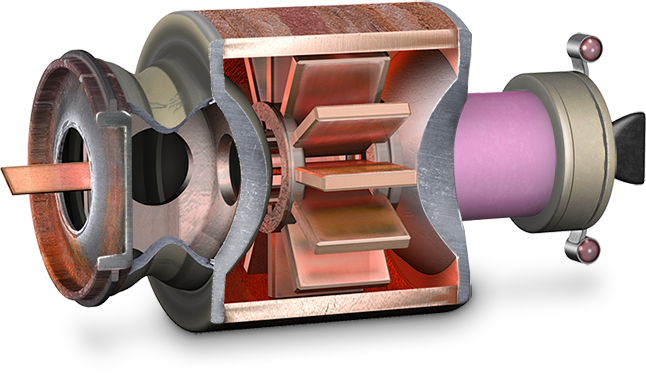
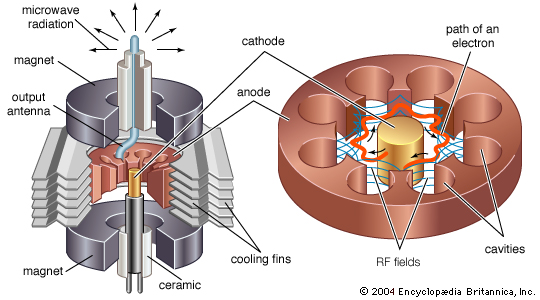
Think of a magnetron as a tiny radio station inside your microwave. It uses electricity, a hot cathode, and strong magnets to make microwaves.
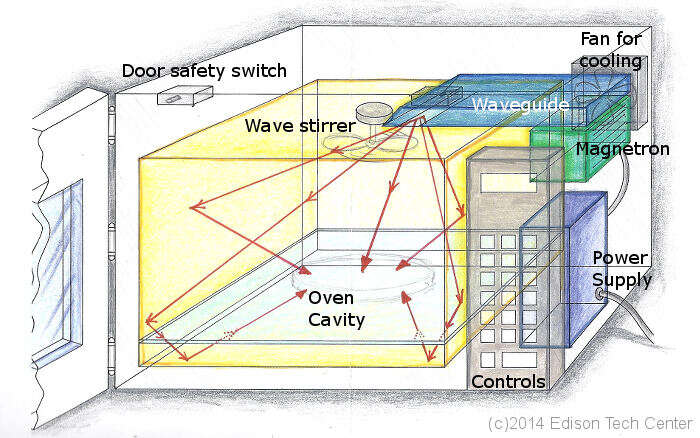
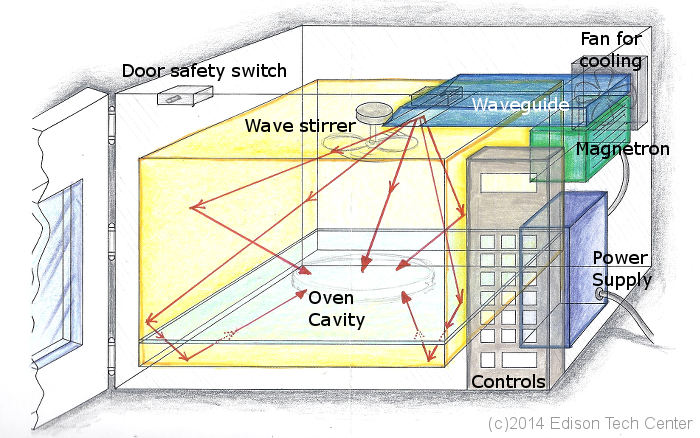
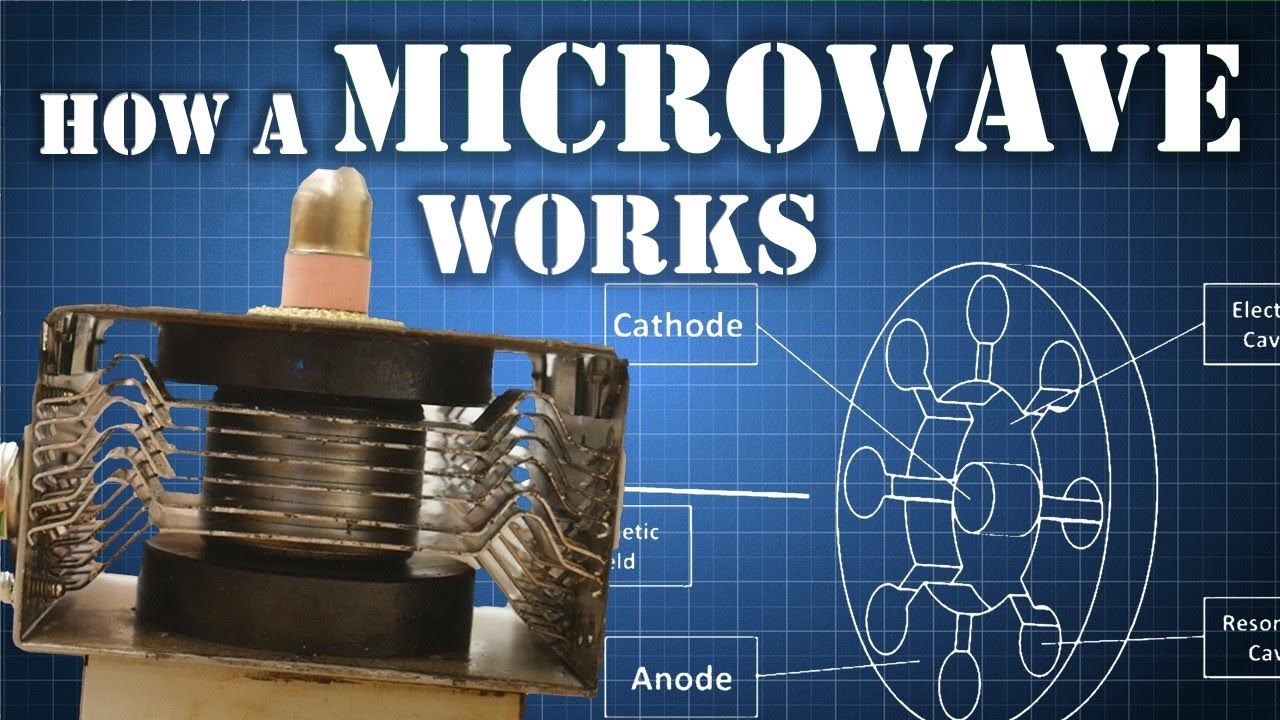
Electrons leave the heated cathode and spiral because of the magnets. Those spiraling electrons pass cavities in the anode block. The cavities amplify the motion into a steady microwave signal. The signal is fed into the oven cavity through a waveguide and then into your food.
People also ask:
- How fast do magnetrons make microwaves? They make continuous microwaves at a fixed frequency while the oven runs.
- Why 2.45 GHz? That frequency is effective at heating water and is allowed for industrial and consumer use.
Key components of a magnetron
A magnetron is compact but contains several critical parts:
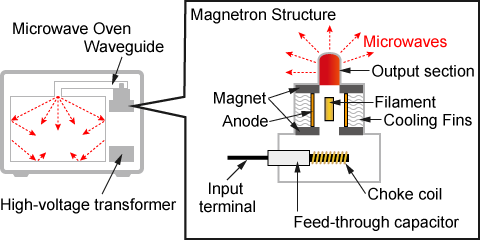
- Cathode: Emits electrons when heated.
- Anode block with resonant cavities: Shapes and amplifies microwaves.
- Magnets: Force electrons into circular paths to sustain oscillation.
- Filament and heater: Warm the cathode to free electrons.
- Antenna or antenna feed: Sends the wave into the waveguide.
- Cooling fins or casing: Help remove heat from the tube.
Each part affects performance and lifespan. In my repairs, clogged vents or weak filament voltage often shortened a magnetron’s useful life.

Performance, lifespan, and common failure signs
A typical magnetron lasts 3–10 years depending on use and care. Heavy daily use, poor ventilation, or power surges shorten life.
Common signs of a failing magnetron:
- Food takes longer to heat.
- Hot and cold spots become worse.
- Microwave runs but does not heat at all.
- Burning or metallic smell if the magnetron arcs internally.
If you see those signs, stop using the microwave. A damaged magnetron can create dangerous voltages or sparks.
Safety and repair considerations
Magnetrons work with high voltage and capacitors that hold a charge after unplugging. That makes DIY repair risky.
Safety rules I follow in the shop:
- Always unplug and discharge the capacitor before touching internals.
- Do not attempt to test a magnetron without proper meters and training.
- Replace the magnetron with the exact spec part for your model.
- If you smell burning or see sparks, stop using the unit and call a pro.
Professional repair is safer and often cost-effective if the rest of the microwave is in good condition. Sometimes replacement of the whole microwave is cheaper.
Uses beyond the kitchen
Magnetrons are not only in home microwaves. They appear in:
- Industrial heaters for drying or curing materials.
- Radar transmitters for older radar systems.
- Certain scientific and medical heating devices.
The magnetron’s strength is raw power and simplicity. Its limits are frequency stability and efficiency compared with newer technologies like solid-state microwave sources.

Practical tips for extending magnetron life
Simple habits extend magnetron life and improve performance:
- Keep vents clear to prevent overheating.
- Avoid running the microwave empty; this can reflect energy back into the magnetron.
- Use microwave-safe containers to prevent arcing.
- Let the cooling fan run after heavy use; don’t block vents.
- Replace the door seal or waveguide cover if damaged.
From my hands-on work, I learned to check vent paths and the turntable motor when troubleshooting weak heating. Often the problem isn’t the magnetron itself.
Frequently Asked Questions of what is the magnetron in a microwave
What exactly does the magnetron do in a microwave?
The magnetron creates the microwave radiation that heats food. It converts electrical energy into electromagnetic waves at a fixed frequency.
Can I replace a magnetron myself?
Technically yes, but I don’t recommend it. The job involves high voltages and proper part matching. A trained technician is safer and more reliable.
How long does a magnetron last?
Typically 3–10 years depending on use and care. Heavy or improper use shortens lifespan significantly.
Why does a microwave run but not heat?
Often the magnetron has failed or a high-voltage component like the diode or capacitor is bad. Other causes include door switches or power supply issues.
Is a magnetron dangerous if broken?
Yes. It works with lethal voltages and can emit harmful microwave leakage if the oven is damaged. Stop using the microwave and seek professional service.
Conclusion
The magnetron is the core of how a microwave heats food. It turns electrical power into microwaves that excite water molecules and warm meals. Understanding how the magnetron works helps you spot problems early and maintain your microwave safely.
Takeaway: keep vents clear, avoid running the oven empty, and call a professional for high-voltage repairs. If this article helped, leave a comment with your microwave issue or subscribe for more appliance repair tips.

Appliance Review Expert
Lucas Ramirez is a trusted voice at HomeFixGrid.com, known for his clear, practical, and creatively written guides that simplify appliance care for everyday homeowners. With a strong focus on hands-on testing and real-world problem-solving, Lucas brings expert insight into appliance reviews and troubleshooting techniques. Her work empowers readers to confidently maintain, repair, and choose the right appliances for their homes.