How To Cook Dumplings In Slow Cooker Without Soggy: Tips
Use less liquid, add a thickener, and place dumplings on top late to keep them crisp.
I’ve cooked dumplings in slow cookers for years, tested doughs, liquids, and tricks to stop that mushy finish. This guide shows exactly how to cook dumplings in slow cooker without soggy texture, with clear steps, real tips from my kitchen, and easy fixes so your dumplings stay tender inside and firm outside.
Why dumplings get soggy in a slow cooker
Dumplings turn soggy when they sit in too much steam or liquid for too long. Slow cookers trap moisture and gently break down starches and gluten, which softens dough until it loses structure. Overcrowding, thin wrappers, or adding dumplings at the start of a long cook can make them soak up broth and fall apart.
Common causes
- Too much liquid in the pot.
- Dumplings added too early or simmered on low for hours.
- Thin wrappers or wet dough that absorbs broth quickly.
- Not thickening the base so liquid level stays high.
How this relates to slow cooker use
- The sealed lid keeps condensation falling back into the pot.
- Low heat breaks down starches slowly, so dumplings absorb liquid over time.
- Understanding these dynamics helps you plan when and how to add dumplings, and how to keep them from going soggy when you learn how to cook dumplings in slow cooker without soggy texture.
Choose the right dumpling and dough
Pick dumplings built to hold up. Some types do much better in moist environments.
Good choices
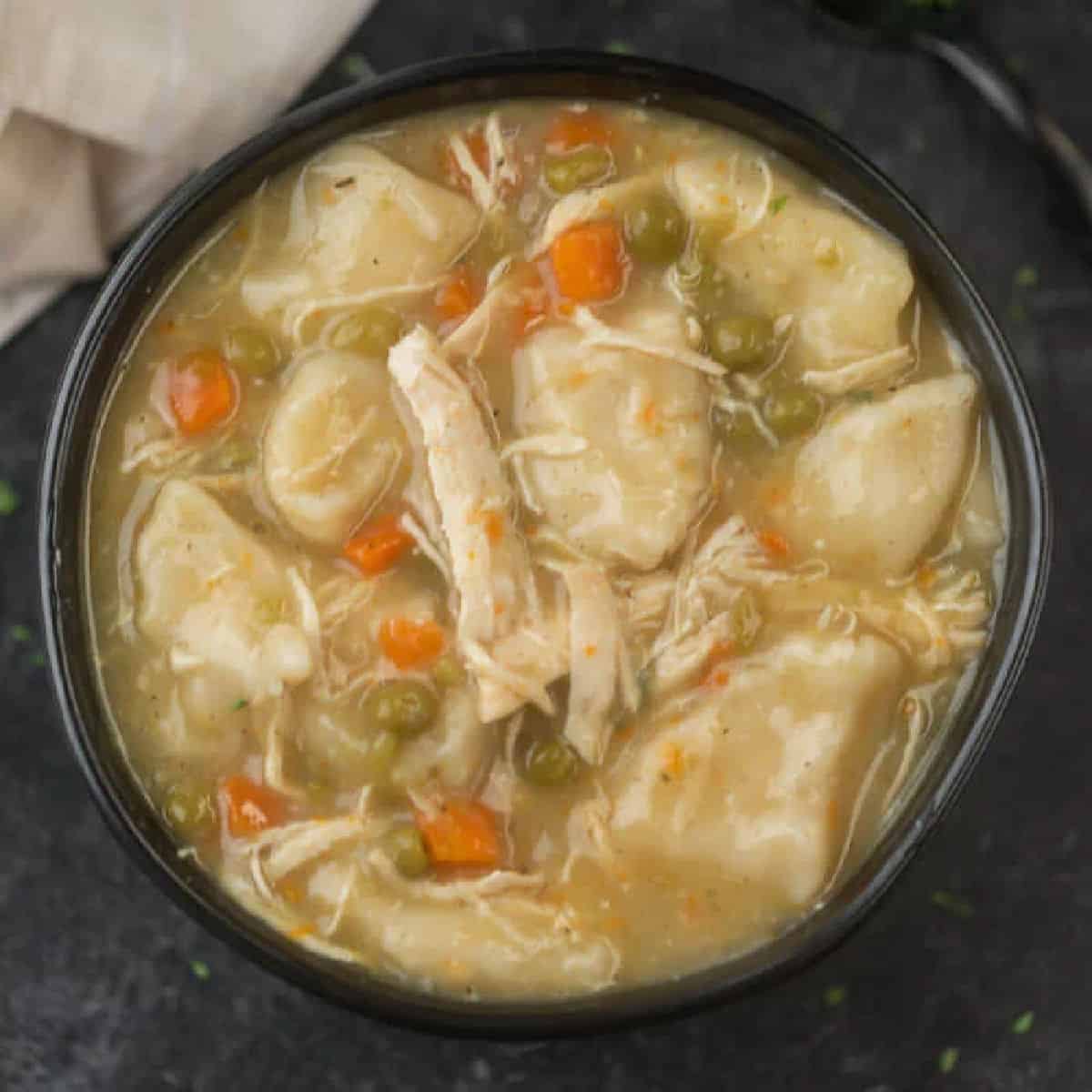
- Drop or biscuit-style dumplings made from a firmer dough.
- Dumplings with a little fat in the dough—shortening or butter helps structure.
- Par-cooked filled dumplings (like pierogi) that only need heating, not long cooking.
Avoid these in the slow cooker
- Thin, fresh wonton wrappers that soak up liquid fast.
- Raw wrappers without protection around them.
- Stuffed dumplings with very wet fillings that can leak.
Tip from my experience
- I once used store-bought thin wrappers and ended up with a stew of broken skins. Switching to a slightly firmer dough and adding dumplings late changed the outcome completely. When you focus on how to cook dumplings in slow cooker without soggy texture, dough choice matters most.
Prep techniques to avoid soggy texture
Small prep steps make a big difference. These are techniques I use every time.
Reduce liquid early
- Cook the stew or broth a bit thicker than usual. Aim for a sauce that will not fully cover dumplings.
- Thicken with a cornstarch slurry or reduce the liquid by simmering on the stovetop before transferring to the slow cooker.
Add dumplings late
- Add dumplings in the last 30–45 minutes on HIGH or 60–90 minutes on LOW, depending on size.
- This limits their exposure to steam and prevents over-absorption.
Elevate dumplings
- Use a rack, small silicone molds, or folded foil under dumplings so they sit slightly above the liquid.
- This reduces direct contact with hot broth and slows sogginess.
Firm up the dough
- Dust dumplings lightly with flour or semolina before adding.
- Chill or briefly freeze shaped dumplings; cold dough absorbs less liquid immediately.
Protect wrappers and fillings
– Brush wontons or wrappers with a thin layer of oil to repel moisture.
- For stuffed dumplings, seal edges well to avoid soggy fillings.
Personal tip
- I freeze shaped dumplings on a tray for 20 minutes before adding them. They hold shape better and take longer to absorb liquid, which helps when learning how to cook dumplings in slow cooker without soggy texture.
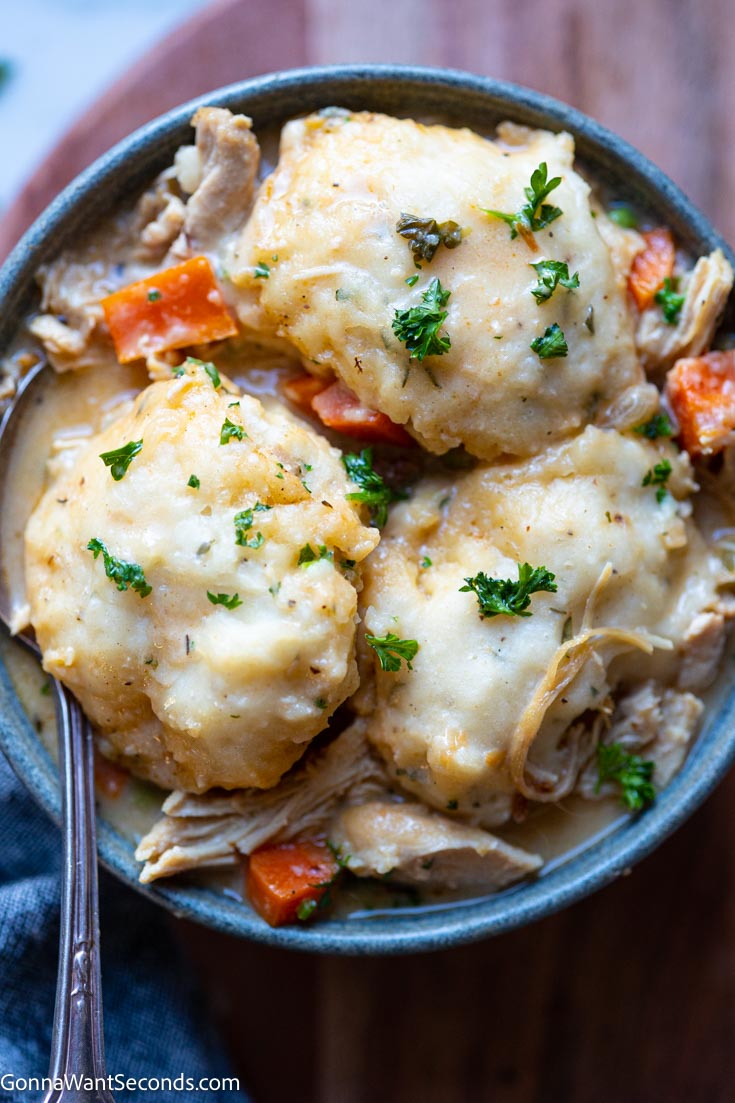
Step-by-step slow cooker method that keeps dumplings firm
This is a reliable method I use for 4–6 servings. It gives firm dumplings with a plush interior.
Ingredients (example)
- 2 pounds stew beef or chicken, cubed, or 3 cups mixed vegetables
- 3 cups broth or sauce, already reduced slightly
- 1 cup carrots and onions, sautéed
- 1 teaspoon salt and seasonings
- Dumplings: 2 cups all-purpose flour, 2 teaspoons baking powder, 1/2 teaspoon salt, 3 tablespoons butter, 3/4 cup milk (mix to form dough)
Method
- Prepare the base: Sauté aromatics, brown meat, add broth, and simmer on stove until slightly reduced. Transfer to slow cooker.
- Thicken the base: Stir in 1–2 tablespoons cornstarch mixed with cold water, simmer until sauce coats a spoon.
- Heat in slow cooker: Set to LOW and cook base for 1–2 hours so flavors meld and liquid reduces a bit more.
- Shape dumplings: Make small drop dumplings or biscuits. Dust lightly.
- Add dumplings late: With 45–60 minutes left, drop dumplings onto the surface. They should sit on top, not sink.
- Finish cooking: Cover and cook on HIGH for 30–45 minutes or LOW for 60–90 minutes until dumplings are set and a toothpick comes out clean.
- Crisp if desired: If dumplings are slightly soft on top, transfer to a hot oven for 5 minutes or broil briefly to firm the top.
Why this works
- Reduced base plus late addition limits liquid absorption.
- Dropping dumplings on top minimizes direct contact with heavy broth.
- Thicker sauce and cornstarch prevent the pot from becoming a thin soup that soaks dough, a key to how to cook dumplings in slow cooker without soggy texture.
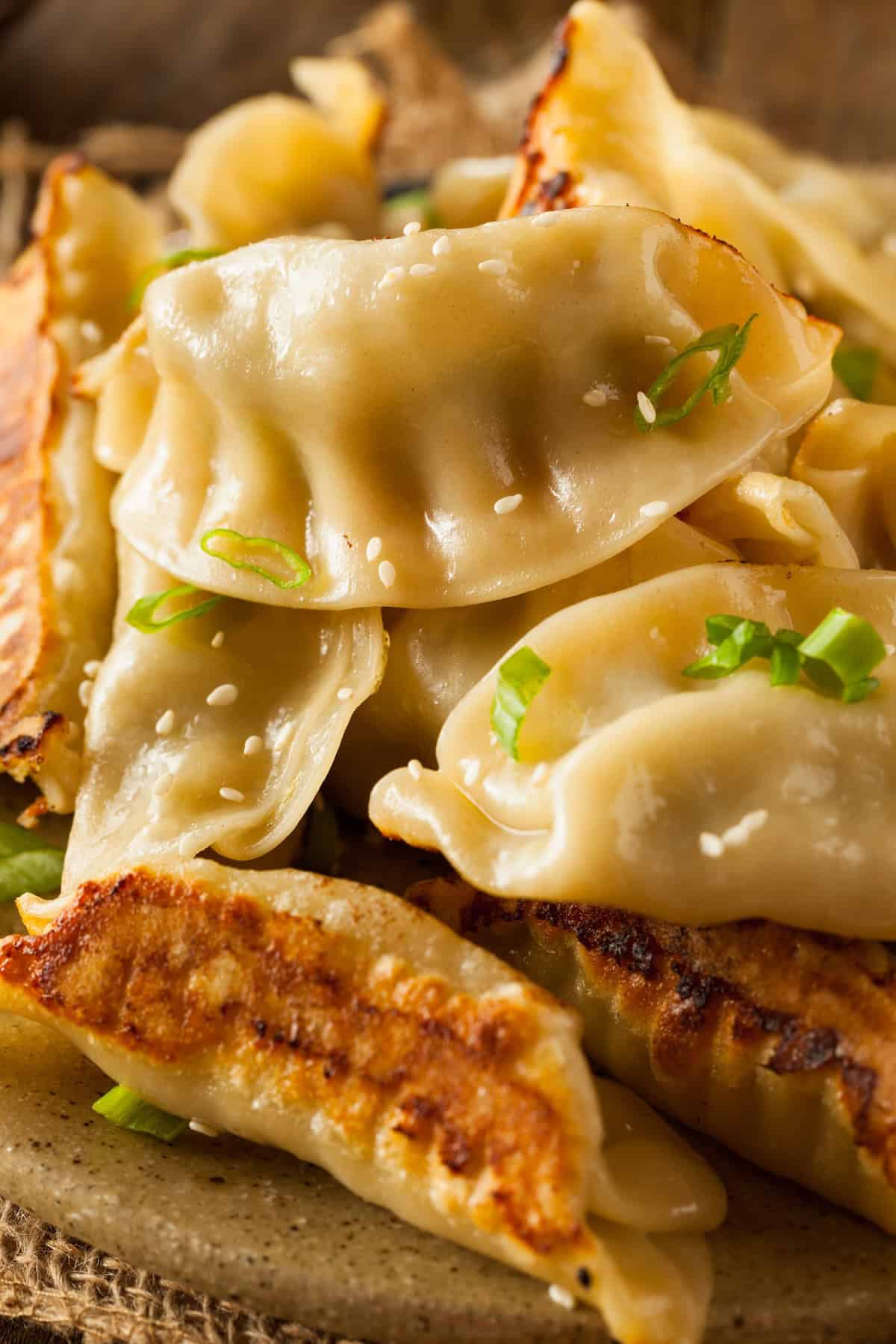
Troubleshooting and quick fixes for soggy dumplings
If things go wrong, you can still rescue them.
Fixes
- Broil: Place dumplings on a baking sheet and broil for 3–5 minutes to dry and brown the top.
- Sear: Transfer dumplings to a hot skillet with a touch of oil and crisp the bottoms for texture.
- Thicken sauce: Remove dumplings and reduce the broth on the stove, then return dumplings briefly to reheat.
- Serve differently: Turn soggy dumplings into a thick dumpling stew, adding fresh herbs and lemon for brightness.
Common problems and solutions
- Dumplings sinking: Let the base settle a few minutes before adding, or use molds to keep them afloat.
- Wrappers tearing: Use sturdier dough or par-cook fillings to reduce moisture leakage.
I learned to broil a soggy batch once, and the crisp top saved the meal. Knowing small fixes makes trying how to cook dumplings in slow cooker without soggy texture less stressful.

Serving, storage, and reheating tips
How you serve and store affects texture and future results.
Serving tips
- Spoon sauce under dumplings, not over them, to keep tops drier.
- Garnish with fresh herbs, crunchy shallots, or toasted seeds for contrast.
Storage and reheating
- Refrigerate leftovers in an airtight container for up to 3 days.
- To reheat without sogginess: reheat in a skillet on medium-high with a little oil to crisp the bottom, or oven at 375°F for 8–10 minutes.
- For freezing, flash-freeze dumplings on a tray, then store in a bag. Reheat from frozen by baking or pan-searing, not by long simmering.
Using these steps helps you preserve the texture when you reheat and teaches you more about how to cook dumplings in slow cooker without soggy texture for future meals.

People also ask: quick answers
Q: Can I make traditional filled dumplings in a slow cooker?
A: Yes, but add them late and use sturdier wrappers or par-cooked fillings. Seal edges tightly and consider elevating them above the liquid.
Q: Do I need to alter recipes for high-altitude cooking?
A: At high altitudes, liquids evaporate faster; reduce cooking time for dumplings and add them later to avoid dryness or collapse.
Q: Is it better to use low or high setting for dumplings?
A: Add dumplings near the end and cook on HIGH for a shorter time so they set faster and absorb less liquid.

Frequently Asked Questions of how to cook dumplings in slow cooker without soggy texture
What is the best time to add dumplings in a slow cooker?
Add dumplings in the last 30–45 minutes on HIGH or 60–90 minutes on LOW. This minimizes liquid absorption and prevents sogginess.
Can I use frozen dumplings in a slow cooker?
Yes, but frozen dumplings take slightly longer and release some moisture. Add them late and consider finishing in the oven or skillet to regain firmness.
How do I thicken the base without making it gloopy?
Use a cornstarch slurry or reduce the liquid on the stove before adding to the slow cooker. Add small amounts until the sauce lightly coats a spoon.
Will elevating dumplings really help?
Yes. Elevating dumplings above the liquid reduces direct soaking and slows down water absorption, keeping the texture firmer.
Are store-bought dumplings a bad choice for slow cookers?
Not always. Choose sturdier varieties or par-freeze store-bought dumplings before adding. Avoid very thin wrappers that soften quickly.
How can I get a crispy top on slow cooker dumplings?
Finish under a broiler or in a hot oven for 3–5 minutes after cooking. A quick sear in a skillet also restores texture.
What mistakes should I avoid when cooking dumplings in a slow cooker?
Avoid adding dumplings too early, using too much liquid, and overcrowding the pot. Also avoid thin wrappers unless they are protected from direct broth contact.
Conclusion
Mastering how to cook dumplings in slow cooker without soggy texture comes down to three habits: control the liquid, choose the right dough, and add dumplings late. Try the step-by-step method, use small tweaks like elevation or brief freezing, and keep a few rescue moves (broil or sear) ready. Put these tips into practice this week, tweak gently, and share your results or questions below — I’d love to hear how your next batch turns out.

Appliance Review Expert
Lucas Ramirez is a trusted voice at HomeFixGrid.com, known for his clear, practical, and creatively written guides that simplify appliance care for everyday homeowners. With a strong focus on hands-on testing and real-world problem-solving, Lucas brings expert insight into appliance reviews and troubleshooting techniques. Her work empowers readers to confidently maintain, repair, and choose the right appliances for their homes.