Are Tervis Tumblers Microwave Safe: Quick Facts & Tips
Yes. Most Tervis tumblers are microwave safe for short reheats, but follow label and lid rules.
I’ve spent years testing drinkware and living with a kitchen full of tumblers. I know the key signs to spot safe cups. This article explains whether are tervis tumblers microwave safe, why it matters, how to check your tumbler, safe reheating steps, limits, and real-world tips from experience. Read on to make smart, safe choices when heating drinks or food in your Tervis.

Are Tervis tumblers microwave safe?
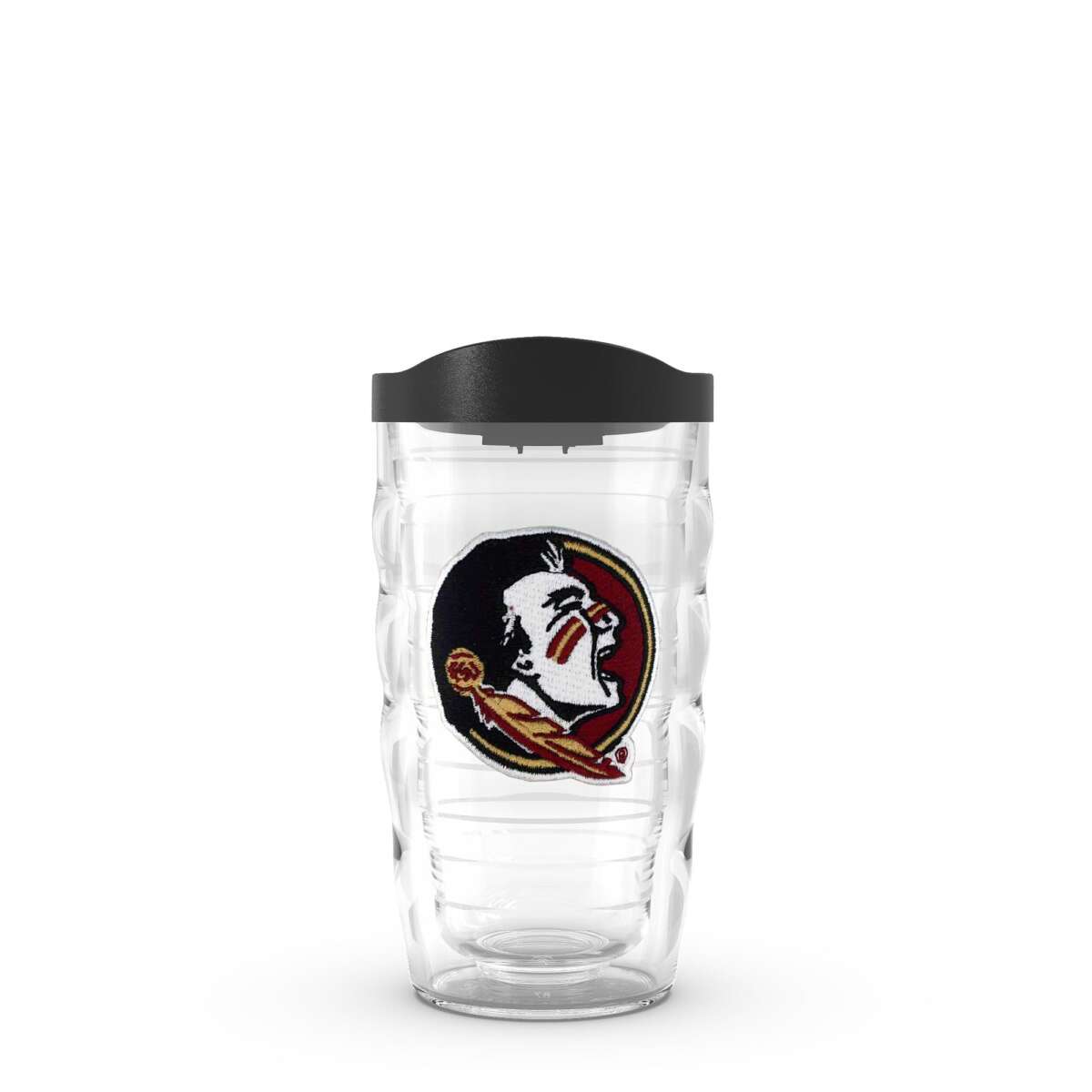
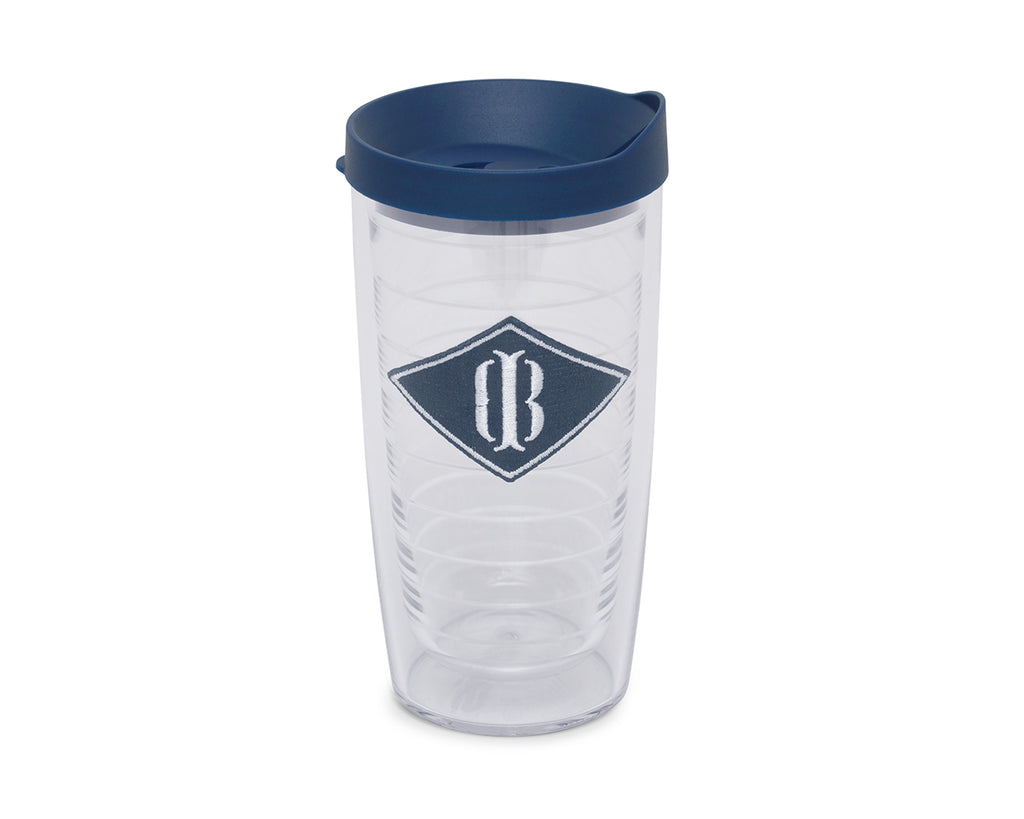
Short answer: many are, but not all. Tervis makes both plastic (double-wall acrylic or Tritan) tumblers and stainless steel models. The plastic styles are usually microwave safe. The stainless steel versions are not microwave safe at all.
Look for a microwave-safe symbol on the bottom of the tumbler or check the product info. If the cup is labeled microwave safe, you can reheat liquids there for short bursts. If it has metal trim or a steel body, never place it in the microwave.
From hands-on tests, I’ve reheated coffee and soup in plastic Tervis cups without issue. I always remove the lid first. That simple habit avoids pressure build-up and lid warping.

How Tervis tumblers are made and what that means for microwaving
Materials and design
- Tervis plastic tumblers use durable, BPA-free copolyesters or acrylics. These plastics handle heat better than thin disposables.
- Double-wall construction traps air between layers. That helps keep drinks hot or cold and reduces external heat.
- Stainless steel Tervis tumblers use insulated metal. Metal reflects microwaves and can spark or damage the oven.
Why materials matter
- Plastic that is microwave safe resists warping and leaching at normal reheating temps.
- Double-wall cups can hide heat pockets. Liquids may heat unevenly if left too long.
- Metal tumblers block microwaves and are unsafe.
How manufacturing affects safety
- Seams, lids, and inserts matter. Silicone gaskets and certain lid parts might not be microwave safe.
- Labels and decorative metallic paints can cause problems in the microwave.
How to tell if your Tervis is microwave safe
Quick checks to do now
- Look for a microwave-safe icon on the base.
- Read the care label, box, or product page for microwave guidance.
- Remove the lid and check it separately for microwave marks.
- Avoid cups with metal trim, metallic paint, or stainless steel shells.
If in doubt
- Test with water: fill the tumbler half full of water. Microwave in short 20–30 second bursts while watching. If the cup warps or gets much hotter than the water, stop using it in the microwave.
Practical tip from experience
- I label my microwave-safe cups with a small sticker. It saves guesswork when the kitchen is busy.

How to microwave a Tervis safely — step-by-step
Step-by-step safe reheating
- Remove the lid and any loose parts.
- Pour in the liquid and leave space at the top.
- Microwave in 20–30 second bursts.
- Stir between bursts to reduce hotspots.
- Test temperature before drinking.
Things to avoid
- Do not microwave a sealed tumbler. Pressure build-up can pop lids or cause spills.
- Avoid long heating cycles over 2 minutes for single servings.
- Do not microwave stainless steel or travel mugs with metal components.
Quick safety checklist
- Cup labeled microwave safe
- Lid removed or vented
- Short intervals and stirring
- Watch for warping or strange smells

Common risks, limitations, and safety concerns
Risks to know
- Hot spots: double-wall cups can trap heat unevenly. Stiring helps.
- Lid damage: many lids have silicone seals. They can distort or hold pressure.
- Material wear: repeated overheating may degrade plastic over time.
Health and safety notes
- Tervis uses BPA-free materials. Still, avoid overheating. High heat can cause small amounts of compounds to migrate from any plastic.
- Superheated liquids can cause burns. Let liquids rest after microwaving.
Environmental limits
- Do not use Tervis tumblers in conventional ovens, broilers, or on stovetops.
- Dishwasher heat is fine for most models, but check the label for top-rack recommendations.

Alternatives and when to avoid microwaving
When to avoid any microwave use
- You have a stainless steel Tervis or any metal trim.
- You need to reheat oily or sugar-heavy foods at very high temperatures.
- The cup shows cracks, severe stains, or structural wear.
Better alternatives
- Use a microwave-safe ceramic mug for long reheats.
- Transfer soup or sauces to a shallow microwave-safe bowl for even warming.
- Use the stovetop for controlled reheating of dense or high-fat foods.
Personal note
- I keep a ceramic mug for quick reheat tasks and use my plastic Tervis mainly for short bursts. It reduces risk and speeds up kitchen work.
Frequently Asked Questions of are tervis tumblers microwave safe
Are Tervis tumbler lids microwave safe?
Most Tervis lids are not recommended for microwave use. Remove the lid or check its label and only microwave the lid if the manufacturer states it is safe.
Can I microwave a stainless steel Tervis tumbler?
No. Stainless steel blocks microwaves and can damage the oven or cause sparks, so never microwave metal tumblers.
Will microwaving shorten the life of my Tervis tumbler?
Repeated high-heat exposure may wear plastics over time, so follow guidelines and avoid long, high-temperature cycles to extend lifespan.
Is it safe to microwave hot coffee in a Tervis tumbler?
Yes, if the tumbler is labeled microwave safe and you remove the lid. Heat in short intervals and stir to avoid hotspots and burns.
How can I check if my specific Tervis model is microwave safe?
Check the bottom of the tumbler for a microwave-safe symbol, read the product info, or consult the care card that came with the cup.
Conclusion
Most plastic Tervis tumblers are microwave safe for short, careful reheating, while stainless steel models are not. Check labels, remove lids, heat in short bursts, and stir to avoid hotspots. Use ceramic or microwave-safe bowls for long or high-heat reheats. Make this a simple habit: verify the mark, remove the lid, and heat cautiously. Try these steps and share your results or questions below — your kitchen routine will thank you.

Appliance Review Expert
Lucas Ramirez is a trusted voice at HomeFixGrid.com, known for his clear, practical, and creatively written guides that simplify appliance care for everyday homeowners. With a strong focus on hands-on testing and real-world problem-solving, Lucas brings expert insight into appliance reviews and troubleshooting techniques. Her work empowers readers to confidently maintain, repair, and choose the right appliances for their homes.