How To Cook Casseroles Evenly In Slow Cooker: Even Results
Use low, steady heat, even layering, pre-cook dense ingredients, and check with a thermometer.
I have cooked hundreds of casseroles in slow cookers for family meals and testing. I know what causes cold centers and soggy edges. This guide explains how to cook casseroles evenly in slow cooker step by step. I mix clear methods, simple science, and small tricks I learned the hard way. Follow these tips and your next slow-cooked casserole will be hot and even from edge to center.
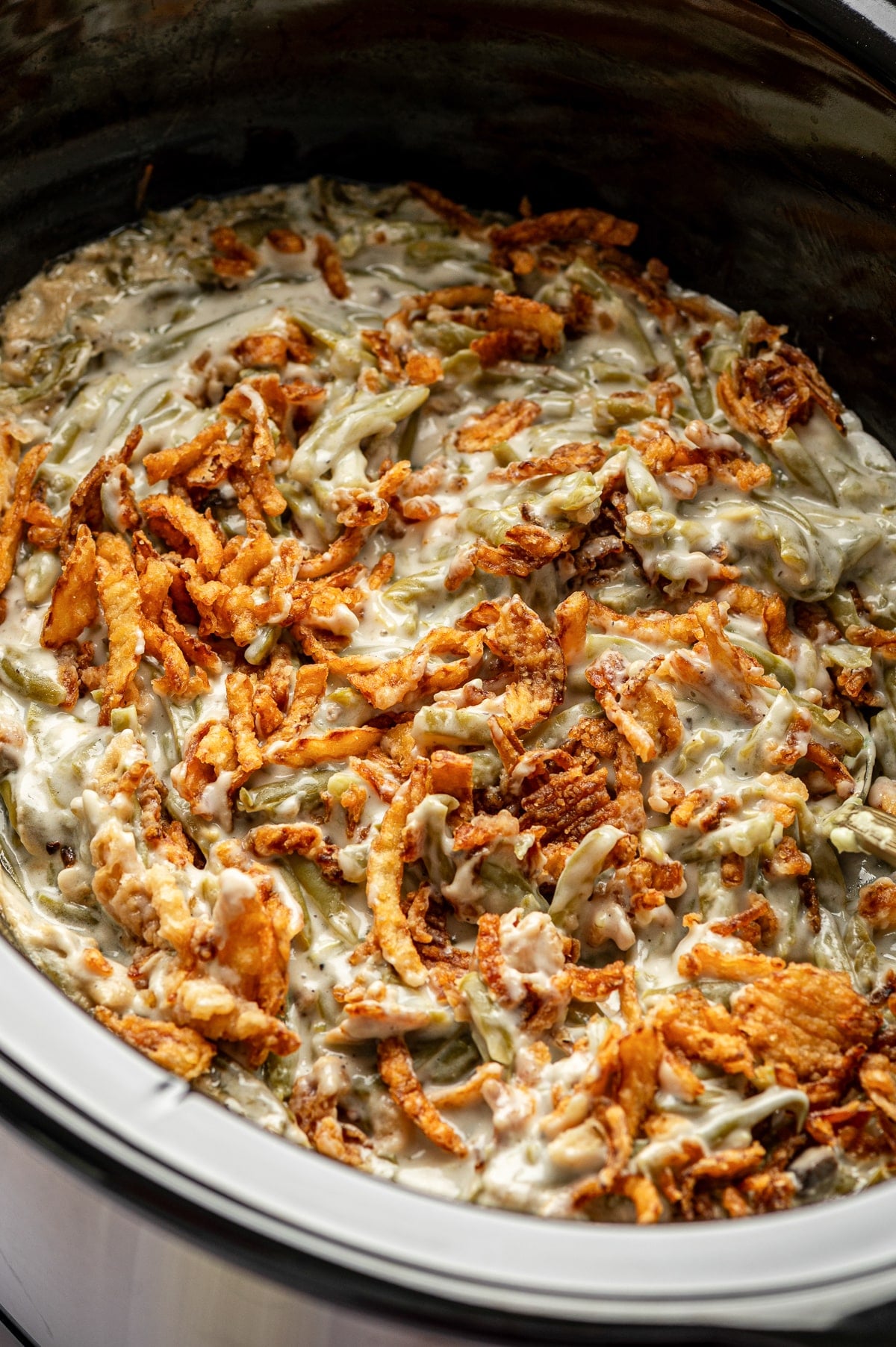
Why casseroles cook unevenly in a slow cooker
Slow cookers cook by radiation and conduction from the pot walls and lid. Heat moves slowly. Dense or wet parts resist heating. Extra-thick layers trap cold inside. Uneven cuts of food also make some parts cook faster. Not pre-cooking starchy or dense items creates undercooked centers. High heat settings can dry edges before the middle warms.
Common causes of uneven cooking:
- Large, uneven chunks of meat or veg
- Layers of differing density or moisture
- Crowded lids that block steam circulation
- Using the wrong size slow cooker for the casserole
- Skipping pre-cook for rice, pasta, or raw chicken
Understanding these causes helps you plan and fix the problem. When you know the why, you can change the how. That leads to even casseroles every time.
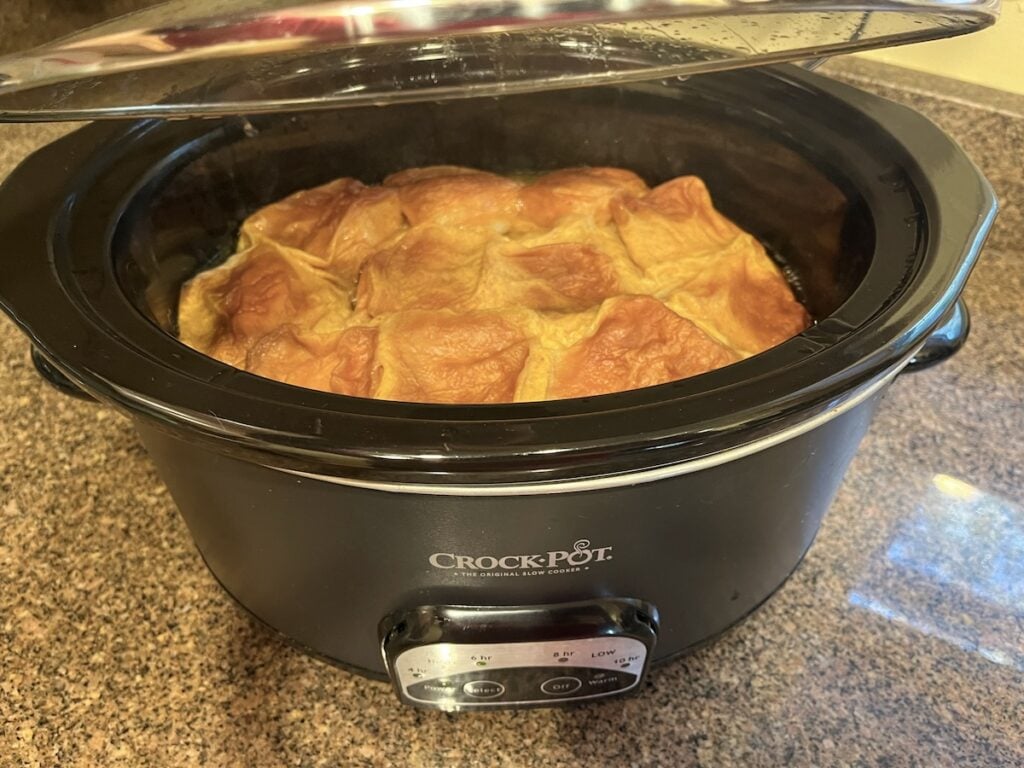
Equipment and setup for even results
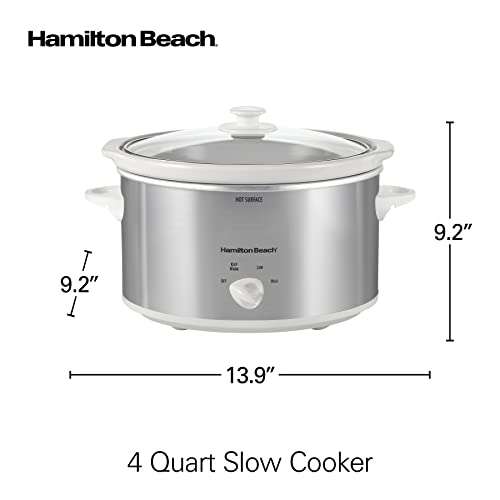
Choose the right slow cooker size. A too-big pot leaves air gaps that slow heat transfer. A too-small pot crowds food and traps steam. Aim to fill the slow cooker two-thirds to three-quarters full for best heat circulation.
Tips for equipment:
- Use a ceramic or stoneware insert for steady, even heat
- Pick a round or oval pot that fits your casserole shape
- Consider an oven-safe dish with a slow cooker rack if you want browning
- Use the low setting for dense casseroles and high for quicker cooks
- Keep the lid closed except to check once near the end
I learned to avoid glass inserts for very long cooks. They can change heat flow and give a cold center. A snug lid and consistent temp matter more than fancy extras.

Ingredients and layering strategies
How you layer and prep ingredients changes heat flow. Dense items like potatoes and raw rice need help. Lighter items like greens or soft cheeses cook fast. Place dense items closer to heat. Put quick-cook items on top.
Layering rules:
- Put raw root veg or thick-cut potatoes at the bottom
- Add proteins in the middle for steady heat around them
- Top with quick-cooking veggies, cheese, or herbs
- Spread liquids evenly to avoid dry pockets
Cut size matters. Cut pieces to similar sizes so they cook at the same rate. Smaller pieces cook faster. For rice or pasta, pre-cook or use extra liquid and low heat to avoid underdone centers.

Step-by-step method: how to cook casseroles evenly in slow cooker
- Preheat the slow cooker for 20 minutes on low. This evens the starting temp.
- Pre-cook dense or starchy items. Brown meat, par-boil potatoes, or simmer rice for 5–10 minutes. This jump-starts internal cooking.
- Cut ingredients to uniform sizes. Aim for 1/2- to 1-inch pieces for veg and meat.
- Layer thoughtfully: dense items bottom, proteins mid, quick items top. Add sauce or broth next. Spread it evenly.
- Fill the cooker two-thirds full. Leave room for steam. Crowding creates cold spots.
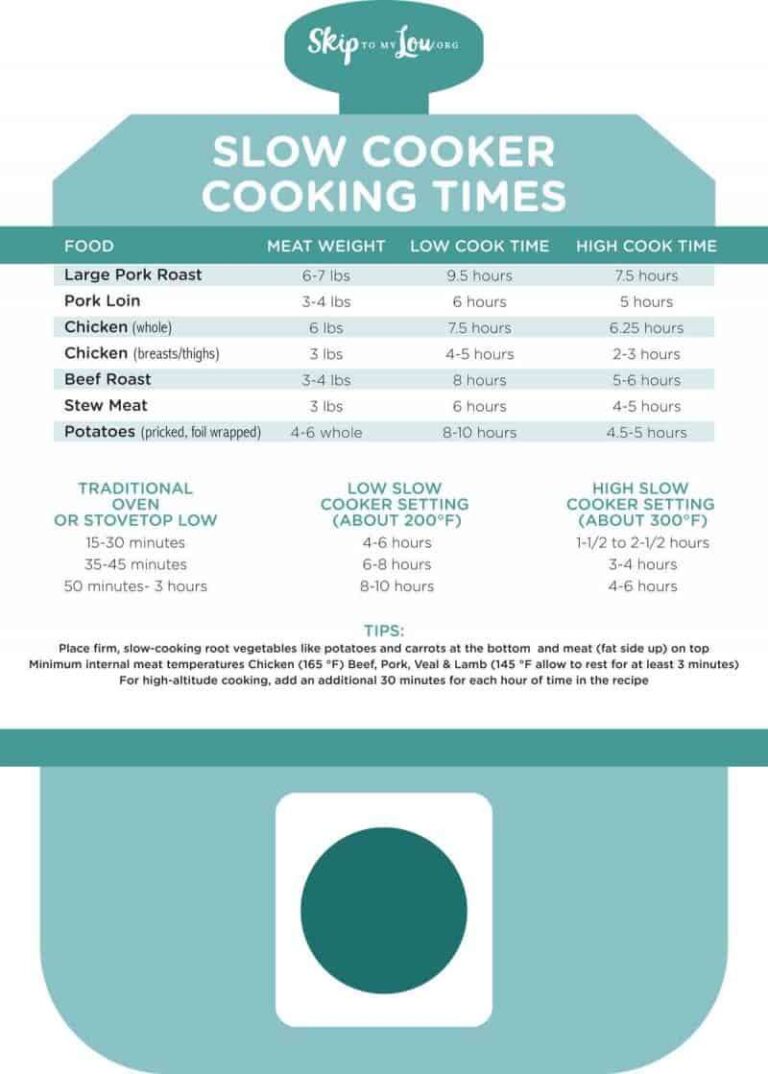
- Cook on low for longer times. Slow, steady heat reduces hot edges and cold centers. High speeds can dry edges.
- Check temperature near the end. Use an instant-read thermometer in the center. Aim for safe temps: 165°F for poultry, 160°F for ground meat, and 145°F for whole cuts.
- Rest 10–15 minutes with lid on after cooking. This evens the heat and firms textures.
I once rushed a large casserole on high and got a cold center. After I began pre-cooking potatoes and using the low setting, that problem disappeared. Small changes make big wins.
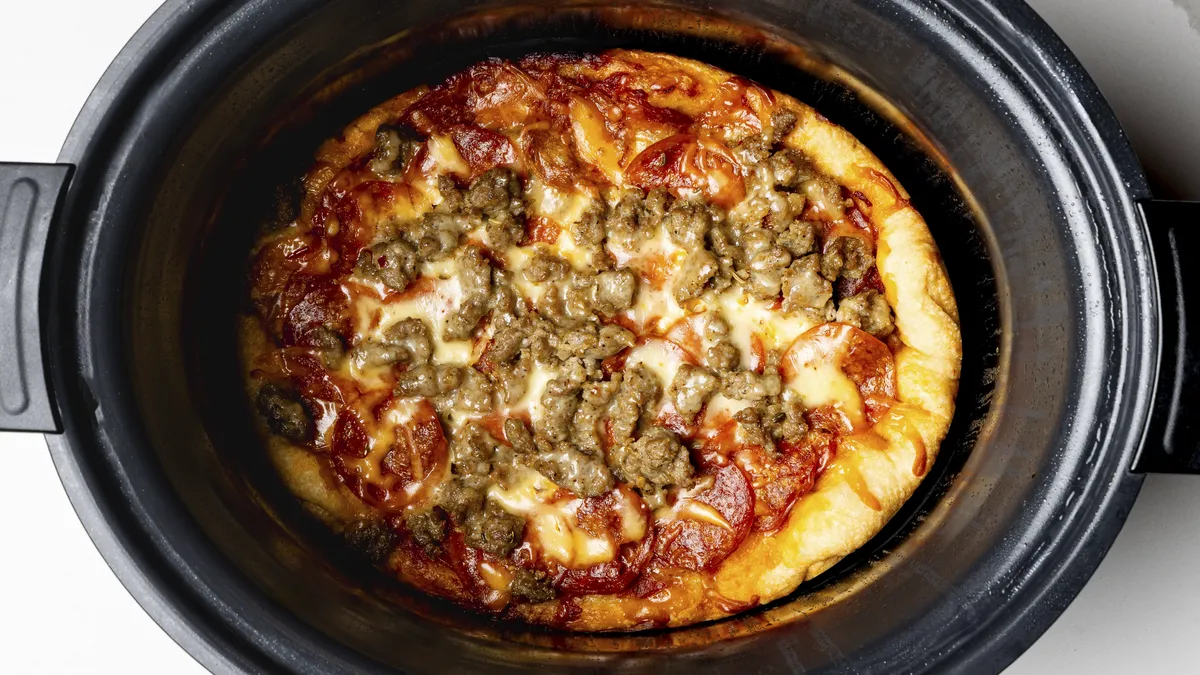
Common problems and fixes
Cold center
- Cause: dense ingredients, large volume, or raw starches.
- Fix: pre-cook dense items, cut smaller, or extend low-heat time.
Soggy bottom
- Cause: too much liquid or cooking at low heat too long.
- Fix: reduce sauce by 10–20%, brown or drain ingredients first, finish uncovered for 15–20 minutes if safe.
Dry edges or burnt rim
- Cause: cooking on high for too long or shallow liquid.
- Fix: use low heat, raise liquid slightly, or place parchment on the sides to slow browning.
Uneven texture
- Cause: mixed particle sizes and wrong layering.
- Fix: uniform cuts and rearrange layers next time.
If a casserole is still uneven, transfer to an oven at 325°F for 10–20 minutes. This can help the center catch up without burning edges.
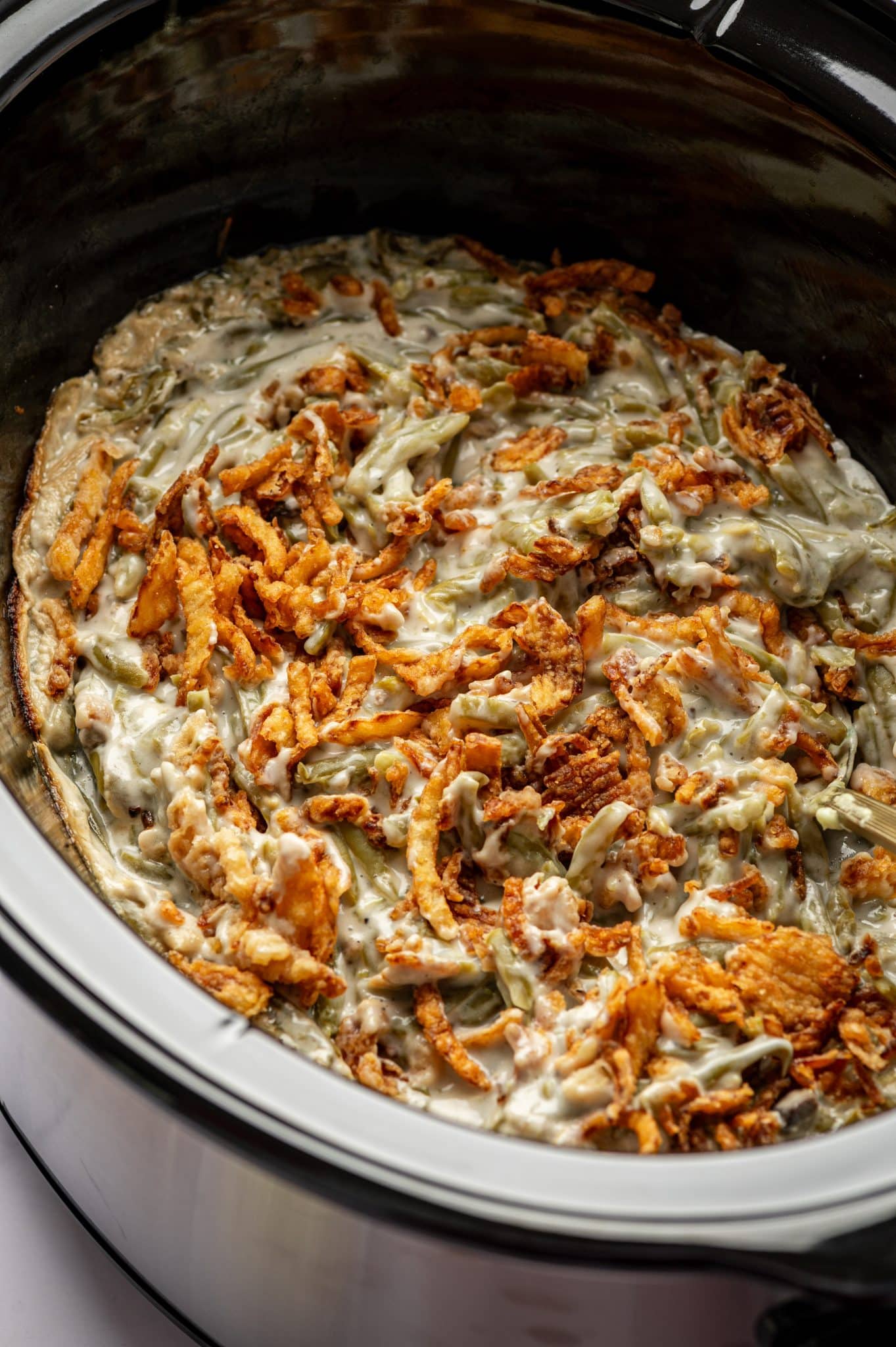
Sample recipe: slow cooker chicken and rice casserole that cooks evenly
Ingredients
- 1 pound boneless chicken thighs, cut into 1-inch pieces
- 1 1/2 cups parboiled long-grain rice
- 2 cups low-sodium chicken broth, warmed
- 1 cup diced carrots and celery, 1/2-inch pieces
- 1 cup frozen peas
- 1/2 cup low-fat cream or milk
- 1 teaspoon salt, 1/2 teaspoon pepper, 1 teaspoon thyme
Method
- Parboil rice for 5 minutes. Drain.
- Brown chicken quickly in a skillet. Season.
- Place carrots and celery at the bottom of the slow cooker. Add parboiled rice. Add chicken. Pour warm broth and milk evenly. Top with frozen peas.
- Cover and cook on low for 2.5–3 hours. Use an instant-read thermometer to check center reaches 165°F. Let rest 10 minutes before serving.
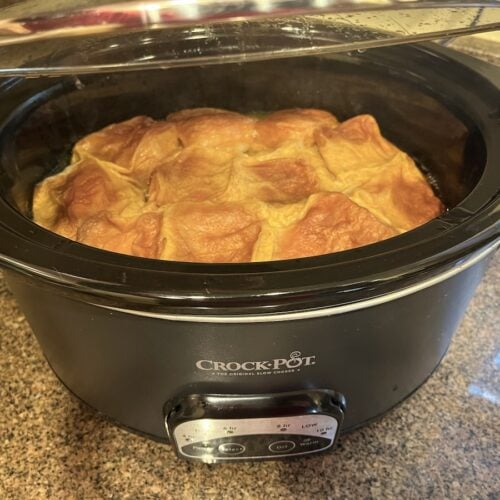
This recipe uses parboiled rice and even layers to avoid undercooking the center. It is simple and forgiving.
Tips to test doneness and serve
Use an instant-read thermometer. It is the most reliable test. Insert it into the center. Check multiple spots in large casseroles. Aim for the safe internal temperatures for each protein.
More tips:
- Rest casseroles for 10–15 minutes to let heat equalize
- Stir gently before serving if the recipe allows
- If the center is still cool, cover and return to low for 10–20 minutes
- For a browned top, finish under a broiler in an oven-safe dish for 3–5 minutes
Practice makes quick judgment calls easier. Over time you learn the signs that mean a casserole is ready.
People also ask
Will a slow cooker cook casserole evenly without stirring?
Slow cookers can cook evenly without stirring if ingredients are sized and layered properly. Dense pieces and raw starches often need pre-cooking or smaller cuts to avoid cold spots.
Can I use frozen ingredients in a slow cooker casserole?
You can use frozen ingredients, but they lengthen cook time and can cause uneven cooking. Thaw or preheat frozen items when possible for best results.
Does the size of the slow cooker matter?
Yes. A pot that is too big or too small can make the casserole cook unevenly. Fill two-thirds to three-quarters full for even heat spread.

Frequently Asked Questions of how to cook casseroles evenly in slow cooker
How long should a slow cooker casserole cook on low?
Most casseroles cook evenly on low for 2.5–6 hours. Time depends on ingredient density and volume. Use a thermometer to confirm doneness.
Do I need to pre-cook ingredients for a slow cooker casserole?
You should pre-cook dense items like raw potatoes, rice, or large cuts of meat. Pre-cooking ensures the center reaches safe temperatures and cooks evenly.
Can I use the high setting to cook faster?
High setting speeds cooking but raises the risk of dry edges and underdone centers. Use high only for smaller casseroles or when ingredients are mostly pre-cooked.
Should I stir the casserole while cooking?
Avoid frequent lid lifts and stirring. Stir once near the end if needed. Every lid lift drops temp and slows even cooking.
How do I avoid a soggy bottom?
Reduce liquid, brown or drain ingredients first, and don't overfill the pot. Let the casserole rest with lid on to firm textures before serving.
Conclusion
You can reliably learn how to cook casseroles evenly in slow cooker by planning, prepping, and testing. Use uniform cuts, pre-cook dense items, choose the right size cooker, and favor low steady heat. Check the center with a thermometer and allow a short rest before serving. Try one clear change at a time and note the result. If you found this useful, try the sample recipe, leave a comment about your results, or subscribe for more tested slow-cooker tips.

Appliance Review Expert
Lucas Ramirez is a trusted voice at HomeFixGrid.com, known for his clear, practical, and creatively written guides that simplify appliance care for everyday homeowners. With a strong focus on hands-on testing and real-world problem-solving, Lucas brings expert insight into appliance reviews and troubleshooting techniques. Her work empowers readers to confidently maintain, repair, and choose the right appliances for their homes.