
How To Prevent Dairy From Separating In Slow Cooker: Tips
Use low heat, full-fat dairy, add a starch or temper it, and stir near the end.
I’ve cooked dozens of slow-cooker soups, chilis, and curries that start silky and end grainy. I know how dairy reacts to long, steady heat. This guide shows practical, tested ways on how to prevent dairy from separating in slow cooker recipes. You’ll get clear reasons why separation happens, hands-on steps to stop it, rescue fixes if it occurs, and easy swaps that keep texture smooth every time.

Why dairy separates in slow cooker
Dairy separates when the protein and fat split from the water. Heat, acid, and long cook times weaken proteins. Proteins clump and squeeze out liquid. Fat can float and look oily.
Common causes
- High and steady heat: cooks proteins too fast.
- Acidic ingredients: tomatoes, citrus, or vinegar speed curdling.
- Low fat dairy: skim or low-fat milk lacks stabilizing fat.
- Long cook time: extended heat increases chances of separation.
Understanding these causes helps you control them. When you know why, you can apply simple fixes for how to prevent dairy from separating in slow cooker dishes.

Know your dairy: which ingredients hold up
Different dairy behaves very differently in a slow cooker. Choose wisely.
Full-fat dairy
- Heavy cream: very stable for slow, gentle heat.
- Whole milk: better than skim but less stable than cream.
- Evaporated milk: more heat-stable than fresh milk.
Cultured and thick dairy
- Crème fraîche: resists curdling due to fat and culture.
- Sour cream and yogurt: can split if heated too long or too hot.
- Cream cheese: stable if softened and blended in.
Non-dairy and plant options
- Canned coconut milk: holds up well in curries and soups.
- Cashew cream: blends smoothly and resists separation.
Pick the right ingredient for your dish. Knowing this is one of the easiest ways to prevent dairy from separating in slow cooker meals.

Practical steps to prevent dairy from separating in slow cooker
Here are trusted steps I use every time to keep texture creamy.
Use higher-fat dairy
- Choose heavy cream or full-fat sources. Fat stabilizes proteins and reduces curdling.
Add dairy at the end
- Add cream, milk, or yogurt in the last 20–30 minutes of cooking. This limits heat exposure.
Temper dairy before adding
- Whisk a cup of hot broth slowly into your dairy to warm it. Then stir the tempered mixture back into the cooker. Tempering reduces shock and curdling.
Use a starch or slurry
- Mix 1–2 tablespoons of cornstarch or flour with cold water. Stir into the finished dish and heat briefly. Starch coats proteins and keeps liquid bound.
Use blending and emulsifiers
- Puree a portion of the soup or sauce. The tiny particles help stabilize the mix.
- A small amount of butter emulsified in at the end can smooth texture.
Control acidity
- Cook acidic items down first. Add dairy only after sauce has mellowed or neutralize a bit of acid with a pinch of baking soda (use sparingly).
Stir gently but not constantly
- Stirring late in the cook helps distribute heat and dairy. Too much stirring during long cooks is not necessary.
Follow these steps for consistent results when learning how to prevent dairy from separating in slow cooker recipes.

Recipes and swaps that work well
Small tweaks keep popular slow-cooker recipes creamy.
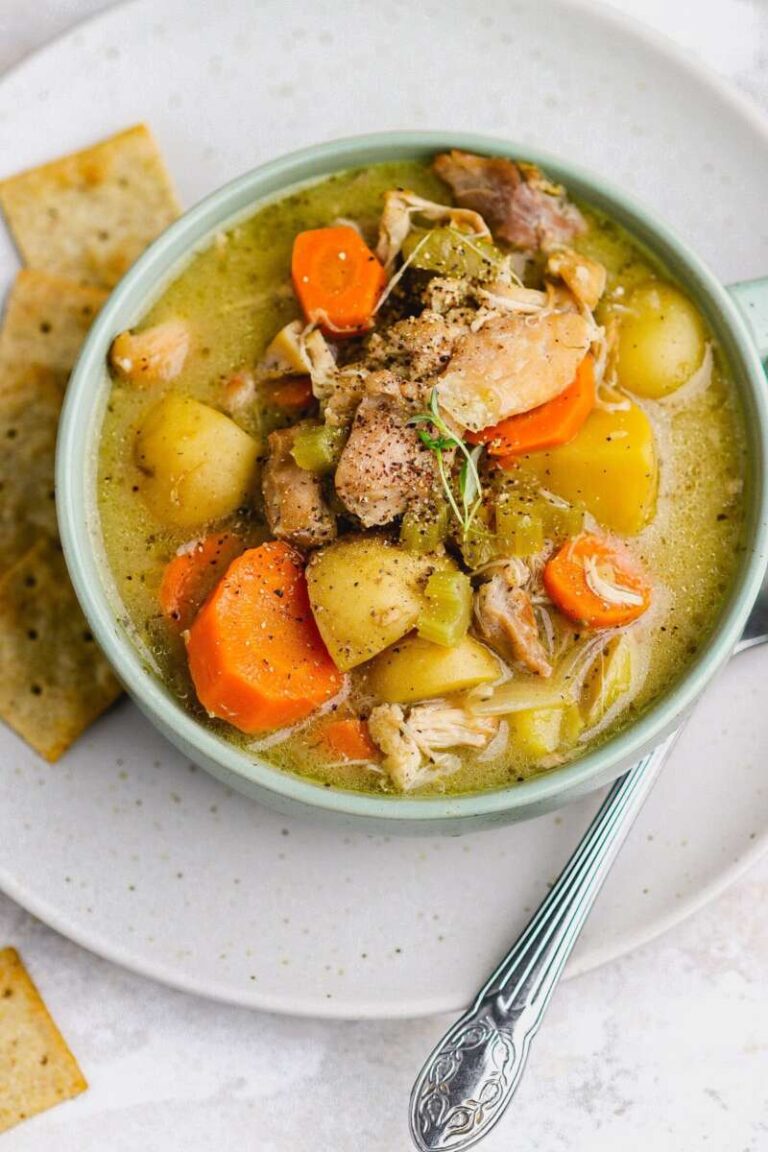
Creamy slow-cooker potato soup
- Cook potatoes, broth, and aromatics low and slow. Remove lid for 20 minutes to cool slightly. Temper 1 cup heavy cream with hot broth, then stir in and heat 15–20 minutes.
Slow-cooker curry
- Use coconut milk or full-fat yogurt (thinned and added at end). Add a cornstarch slurry for body.
Mac and cheese
- Use a roux or cornstarch slurry. Add cream cheese or mascarpone at the end for richness and stability.
Substitution tips
- Replace half the milk with evaporated milk for more stability.
- Swap sour cream for crème fraîche or add it off-heat for a tangy finish.
These swaps help you avoid separation and keep your dishes smooth and rich when you want to prevent dairy from separating in slow cooker meals.

How to rescue separated dairy in the slow cooker
If separation happens, you can often fix it quickly.
Cool slightly and stir
- Turn off heat and let the pot cool 5–10 minutes. Stir briskly or whisk to recombine.
Use an immersion blender
- Blend the mixture briefly. The blender emulsifies fat and liquid.
Make a starch slurry
- Mix 1 tablespoon cornstarch with 2 tablespoons cold water. Stir into the dish and heat gently until the texture smooths.
Strain if needed
- For grainy bits, pass the sauce through a fine mesh sieve or use a blender and then strain.
These rescue methods are handy when you need to salvage a meal and still achieve a good texture. They work well for learning how to prevent dairy from separating in slow cooker dishes next time.
Best slow cooker settings and equipment tips
Small gear and setting choices matter.
Set it low
- Use the low setting for dairy-rich dishes. Low is gentler and less likely to curdle.
Preheat or not
- Preheat the cooker if you’re adding dairy early. For safety and texture, add dairy later instead.
Use the lid strategically
- Keep the lid on most of the time. Remove it near the end if you want to reduce acidity by evaporating some liquid.
Choose the right pot
- Ceramic crocks hold heat well but can run hotter. Stainless steel liners with even heat work nicely.
These simple settings make it easier to prevent dairy from separating in slow cooker recipes by controlling heat and timing.

Quick answers: common small questions
Q: Can I use low-fat milk?
A: Low-fat milk separates more easily. Use full-fat or add a starch to stabilize.
Q: Is it okay to use yogurt?
A: Use whole-milk yogurt and add it at the end. Thin Greek yogurt with a bit of hot broth before stirring in.
Q: Will canned evaporated milk work?
A: Yes. Evaporated milk is more stable and often survives longer cook times better than fresh milk.
These short answers help you apply the steps to real dishes and learn more about how to prevent dairy from separating in slow cooker cooking.

Personal experience: mistakes I made and lessons learned
I once made a slow-cooker tomato soup with skim milk and added the milk at the start. It broke into curds by hour four. I learned to swap skim for heavy cream and to add dairy near the end. I also learned that a simple cornstarch slurry can save texture fast.
Lesson highlights
- Use high-fat dairy when possible.
- Add dairy late and temper it.
- Keep a small jar of cornstarch handy as a safety net.
These are tips I still use every week to avoid the disappointment of a separated pot and to teach others how to prevent dairy from separating in slow cooker dishes.

Frequently Asked Questions of how to prevent dairy from separating in slow cooker
Will heavy cream still separate in a slow cooker?
Heavy cream is the most stable dairy in slow cooking. It resists separation much better than milk or low-fat dairy but should still be added toward the end for best results.
Can I add milk at the beginning of slow cooking?
Adding milk at the start raises the risk of separation. If you must, use evaporated milk and keep the heat low, or add fresh milk in the final 20–30 minutes.
How does acid affect dairy in a slow cooker?
Acid weakens dairy proteins and speeds curdling. Cook acidic ingredients down before adding dairy or add the dairy after flavors have mellowed.
Will cornstarch stop dairy from separating?
Cornstarch can stabilize and thicken mixtures. A small slurry stirred in near the end helps bind liquid and prevent graininess.
Is crème fraîche better than sour cream in slow cooker recipes?
Yes. Crème fraîche has higher fat and a culture that helps it remain smooth when heated. Sour cream is more likely to break if cooked too long.
Conclusion
Preventing dairy from separating in slow cooker recipes is about three simple things: control heat, choose the right dairy, and add it at the right time. Use full-fat dairy, temper or blend when needed, and keep a starch or cornstarch slurry ready. Try one tip at a time and you’ll see better texture fast. Put these steps into practice on your next slow-cooker meal, share your results, and subscribe or leave a comment with your best tip.

Appliance Review Expert
Lucas Ramirez is a trusted voice at HomeFixGrid.com, known for his clear, practical, and creatively written guides that simplify appliance care for everyday homeowners. With a strong focus on hands-on testing and real-world problem-solving, Lucas brings expert insight into appliance reviews and troubleshooting techniques. Her work empowers readers to confidently maintain, repair, and choose the right appliances for their homes.