Can You Microwave Cream Cheese To Soften It: Safe Tips
Yes, you can microwave cream cheese to soften it, but do it gently to avoid melting.
I’ve spent years testing quick kitchen fixes, and I’ll walk you through exactly when and how can you microwave cream cheese to soften it safely. This guide explains techniques, timings, safety tips, and real-world mistakes I’ve made so you get perfect, spreadable cream cheese every time. Read on for clear steps, troubleshooting, alternatives, and quick answers to common questions.

Why soften cream cheese and when to microwave it
Soft cream cheese spreads easier. It mixes better into batters. It blends smoothly into frostings and dips. Cold cream cheese can make dough dense. For many recipes, soft cream cheese is the better choice.
If you wonder whether can you microwave cream cheese to soften it, know this: microwaving is fast and reliable when done right. It is not the only method, but it is often the quickest. Use microwaving for small amounts and when time is limited.
Simple, safe microwave method step-by-step
Follow short steps. Work in small time bursts. Check texture often.
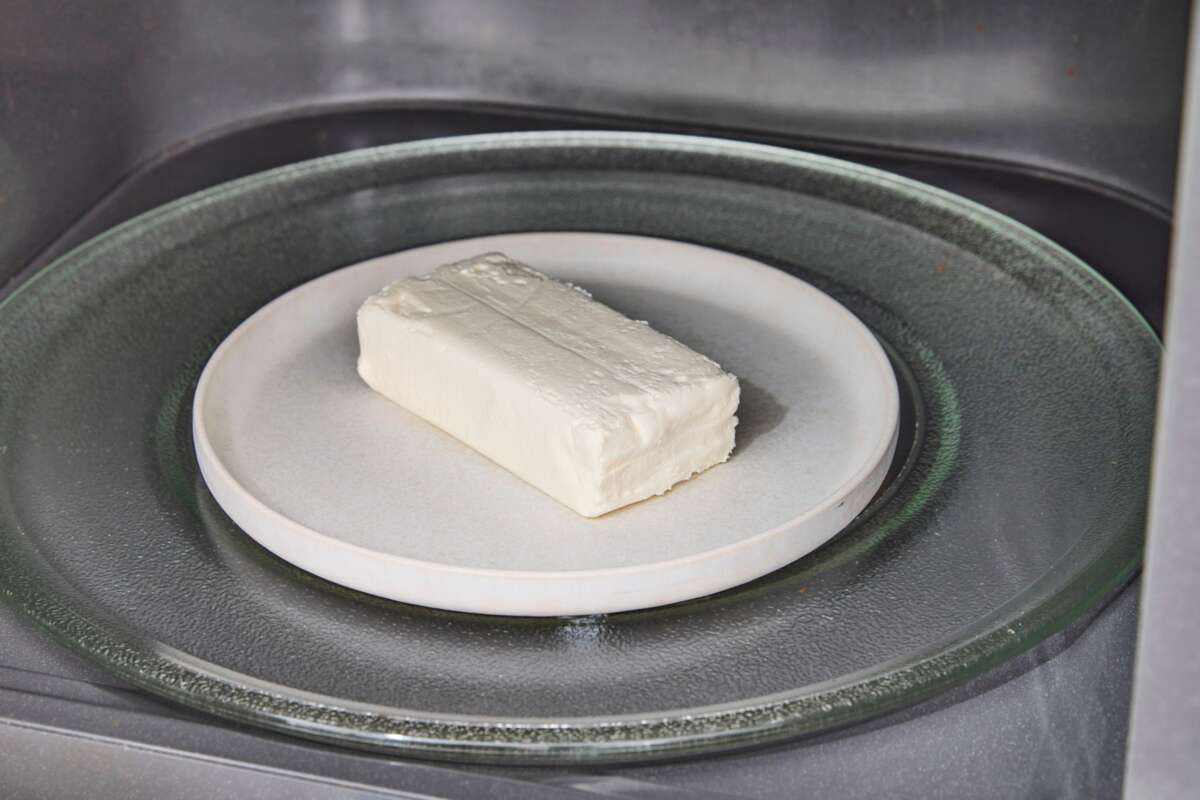
- Place cream cheese in a microwave-safe bowl. Break into chunks if block-shaped.
- Cover loosely with a microwave-safe lid or damp paper towel.
- Heat on low power (30–50% or 'defrost' setting) for 10 to 15 seconds.
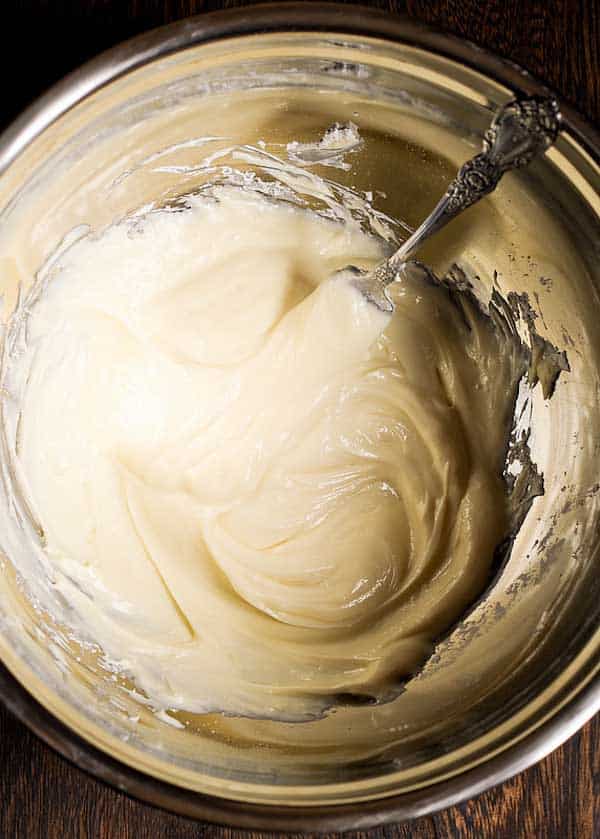
- Stir and press with a spoon. Repeat 10-second bursts until soft but not melted.
- Stop while the center still holds shape. Residual heat will finish softening.
This method shows how can you microwave cream cheese to soften it without separating fats and liquids. Short bursts and stirring are key to avoid overheating.
Timings, power settings, and portion tips
Microwaves vary a lot. That changes the exact time you need.
- 8-ounce (225 g) block: 20–40 seconds total on low power, in 10–15 second bursts.
- 4-ounce (115 g) portion: 10–25 seconds total on low power.
- Spreadable tubs: 8–20 seconds on low power, depending on how chilled it is.
- Room-temperature starting point shortens time significantly.
If you’re asking can you microwave cream cheese to soften it for baking, aim for soft but cool. For frosting, keep it chilled and soft, not runny. Overheating can make the mix watery and ruin texture.

Safety and quality: what can go wrong
Microwaving can split cream cheese if done too fast. Splitting looks like watery whey around a greasy curd. Overheated cream cheese loses structure and won’t whip well.
Food safety matters. Do not leave softened cream cheese at room temperature for more than two hours. Food-safety agencies advise keeping dairy chilled until use and refrigerating leftovers promptly.
Troubleshooting: fix runny, separated, or icy cream cheese
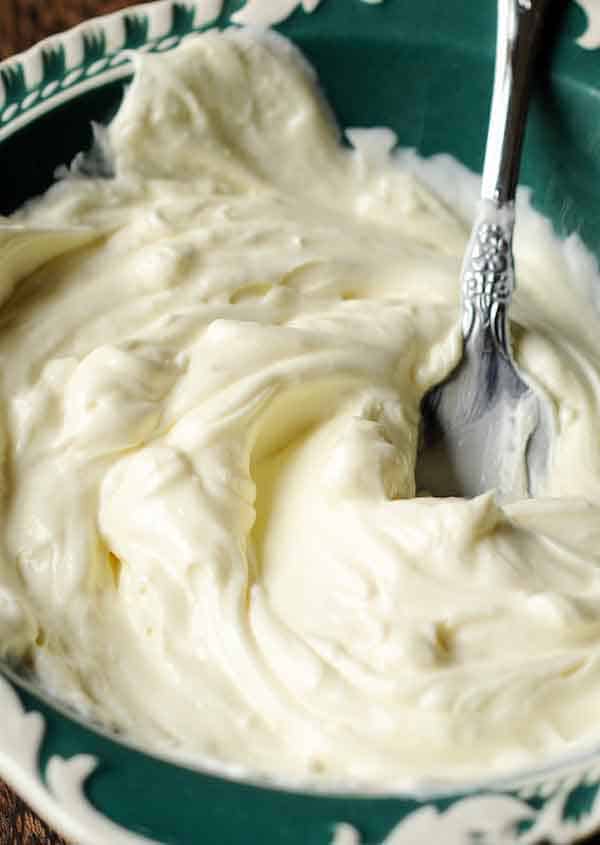
If cream cheese becomes runny after microwaving, chill it briefly to restore firmness. For slightly separated textures, stir gently and chill. If it’s lumpy from being partially frozen, use a spoon to press and mix, or let it sit at room temp for 15 minutes.
Mistakes I made:
- I once microwaved a whole block on high. It looked melted and soupy. Chilling helped, but texture was never the same.
- Now I always use low power and check often. That stopped the splitting.
:strip_icc()/BHG-how-to-soften-cream-cheese-f5b8930279b94268ba14a5df4a347582.jpg)
Alternatives to microwaving
If you prefer not to microwave, try these methods.
- Counter thawing: Leave sealed block at room temperature for 30–60 minutes for small blocks.
- Warm water bath: Place sealed cream cheese in a zip bag and submerge in warm (not hot) water for 10–20 minutes.
- Grating: Grate chilled cream cheese into a mixing bowl to speed softening.
- Stand mixer: Beat chilled chunks on low speed to loosen texture without heat.
These options help when you do not want to use a microwave. Each method reduces risk of splitting.
PAA-style questions
Q: How long does it take if I microwave cream cheese to soften it?
A: On low power, expect 10–40 seconds total depending on size and starting temperature.
Q: Will microwaving change cream cheese flavor?
A: Brief microwaving does not change taste much. Overheating can create a slightly cooked flavor.
Q: Can you microwave cream cheese to soften it for frosting?
A: Yes, but stop while still cool and firm so the frosting stays stable and fluffy.
:strip_icc()/BHG-unwrapped-cream-cheese-on-a-plate-6580d1d1471f4c1d8bd117549806dbeb.jpg)
Frequently Asked Questions of can you microwave cream cheese to soften it
How long should I microwave a block of cream cheese?
Heat on low in 10–15 second bursts. Check and stir between bursts until it softens. Total time is usually 20–40 seconds for a full 8-ounce block.
Will microwaving cream cheese make it spoil faster?
Microwaving doesn’t change shelf life much if you refrigerate it after use. Do not leave softened cream cheese out more than two hours.
Can I microwave cream cheese from frozen?
Yes, but use short, low-power bursts and check often. Frozen centers will take a few extra bursts to soften.
What if my cream cheese becomes runny?
Chill it briefly to firm it up. If it separated, stir gently and refrigerate for best recovery.
Is there a risk of bacteria when microwaving cream cheese?
Microwaving does not sterilize food. Follow basic food-safety rules: keep dairy cold, use clean utensils, and refrigerate leftovers promptly.
Conclusion
Microwaving is a fast, practical way to soften cream cheese when used carefully. Use low power, short bursts, and frequent checks to avoid melting or splitting. Try alternatives like warm water or counter softening when you want no heat involved. Take one tip away: start low and go slow—small steps prevent big mistakes. If this helped, try the method on your next recipe, subscribe for more kitchen tips, or leave a comment with your results.

Appliance Review Expert
Lucas Ramirez is a trusted voice at HomeFixGrid.com, known for his clear, practical, and creatively written guides that simplify appliance care for everyday homeowners. With a strong focus on hands-on testing and real-world problem-solving, Lucas brings expert insight into appliance reviews and troubleshooting techniques. Her work empowers readers to confidently maintain, repair, and choose the right appliances for their homes.