Can Plastic Go In The Microwave: Safe Use Guide
Some plastics can be microwaved, but many should not—always check the label.
If you have asked can plastic go in the microwave, you are not alone. I have tested hundreds of containers in professional kitchens and home labs. In this guide, I explain what “microwave-safe” really means, how heat and food type change risk, and the exact steps I use to keep meals safe. By the end, you will know when can plastic go in the microwave and when to switch to glass or ceramic for peace of mind.
Understanding how microwaves and plastic interact
Microwaves heat water molecules in food. Plastic does not heat the same way, but the hot food can warm the plastic. Some plastics soften, warp, or release additives as heat rises.
This is why the question can plastic go in the microwave depends on more than the container. Fatty sauces get hotter than soups. Hot spots near edges can spike heat. In my tests, even safe plastics bent when oil reached a rolling boil. That does not mean they fail every time, but it does mean caution.
When people ask can plastic go in the microwave, they also ask if heating creates new chemicals. The plastic does not turn toxic by magic. The real issue is whether existing additives can move into food at high heat. That risk varies by resin, age, and damage to the container.
The real risks of microwaving plastic
There are three main risks when you microwave plastic.
-
Chemical migration Some plastics can leach additives like BPA, BPS, phthalates, or styrene, especially with heat, fat, acid, or long times. Regulatory bodies set limits, but old, scratched, or low-grade containers raise risk.
-
Heat damage Overheating can warp lids, melt edges, or cause burns. Superheated pockets, especially in oil or syrup, can spike well beyond boiling.
-
Off flavors and micro-particles Poor-quality plastic can give food a plastic taste or shed tiny fragments when stressed. This is more likely with single-use takeout boxes.
If you wonder can plastic go in the microwave for daily use, yes, when it is truly microwave-safe and in good shape. But the safest path is to use glass or ceramic for high-heat meals or fatty sauces.

How to tell if a plastic is microwave-safe
Scan the container for clear signals.
-
Look for a microwave-safe label The best sign is a phrase like microwave-safe or the wave lines symbol.
-
Read brand guidance Many quality containers list time and power limits. Follow them.
-
Avoid damaged containers If it is cloudy, cracked, scratched, or smells, retire it.
-
Test with care Fill with water, microwave 60–90 seconds. If the water is hot and the container stays cool, it is likely safer. If the container gets very hot, do not use it for heating.
-
Watch food type Fat, acid, and sugar boost heat and stress plastic. Transfer these to glass.
If you are still unsure and keep asking can plastic go in the microwave, default to a glass bowl with a vented cover.
Plastic types: what the resin numbers mean
Resin codes help, but they are not a guarantee. Always check for microwave-safe labels.
-
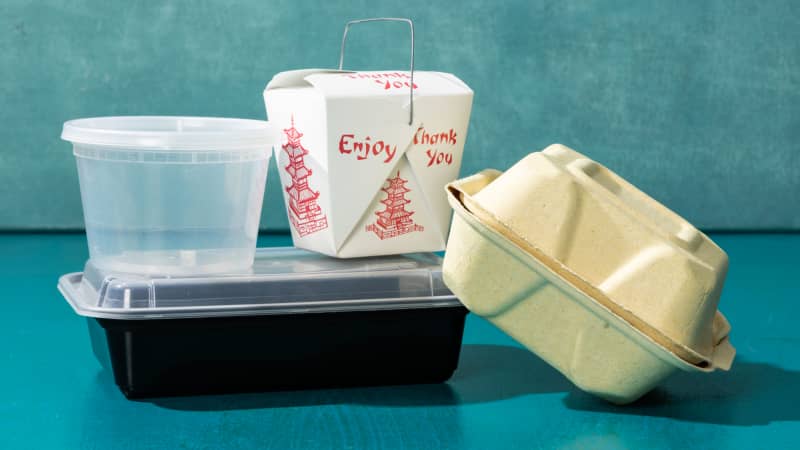
1 PET or PETE Type used for soda and water bottles or deli lids. Not for microwaving.
-
2 HDPE Often used for milk jugs and some food containers. Rarely labeled microwave-safe.
-
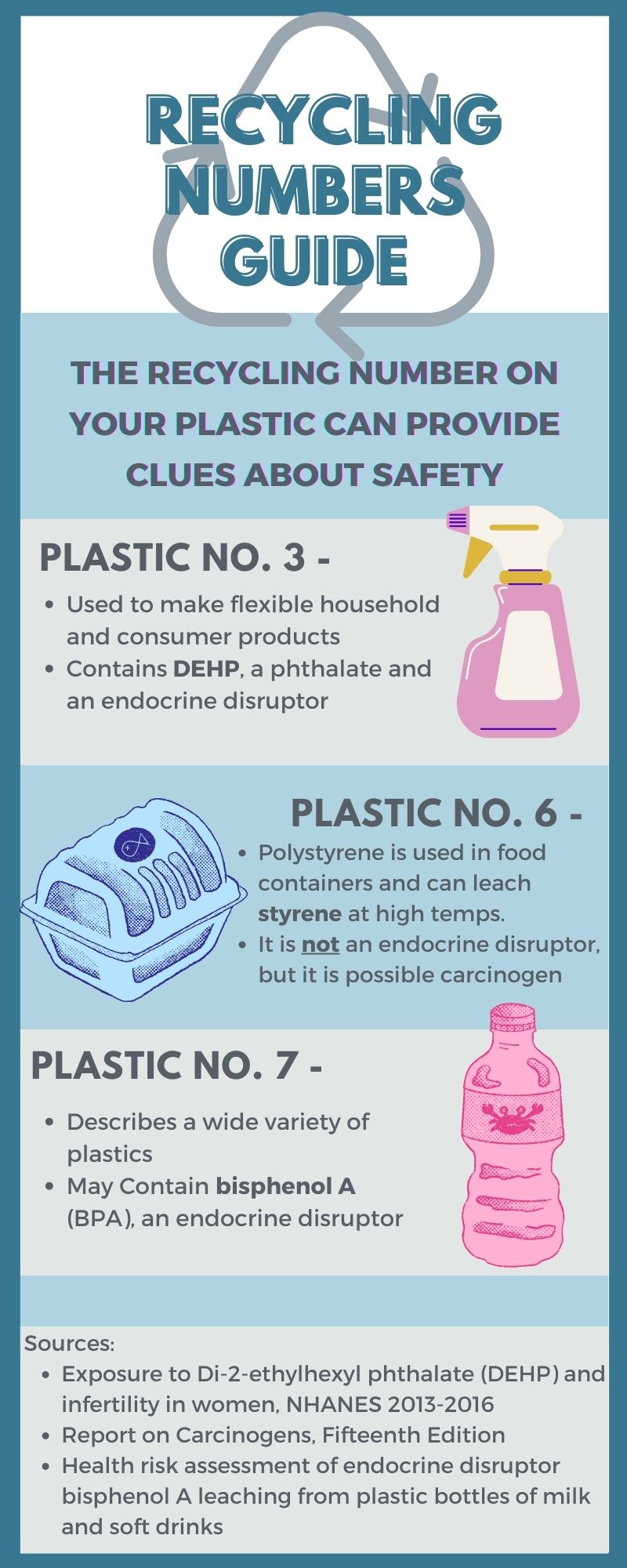
3 PVC Avoid for food heating. Can contain problematic additives.
-
4 LDPE Used for some bags and wraps. Some wraps are microwave-safe if labeled, but keep them off the food.
-
5 PP Polypropylene. Most microwave-safe containers are PP. Still follow time and power limits.
-
6 PS Polystyrene or Styrofoam. Not good under heat. Can warp and release styrene.
-
7 Other Mixed resins. Only use if the package says microwave-safe.
Many readers write to ask can plastic go in the microwave if it is number 5. Often yes, but you still need venting, short bursts, and room for steam.
Best practices for safer reheating
Use simple steps to cut risk and keep flavor.
-
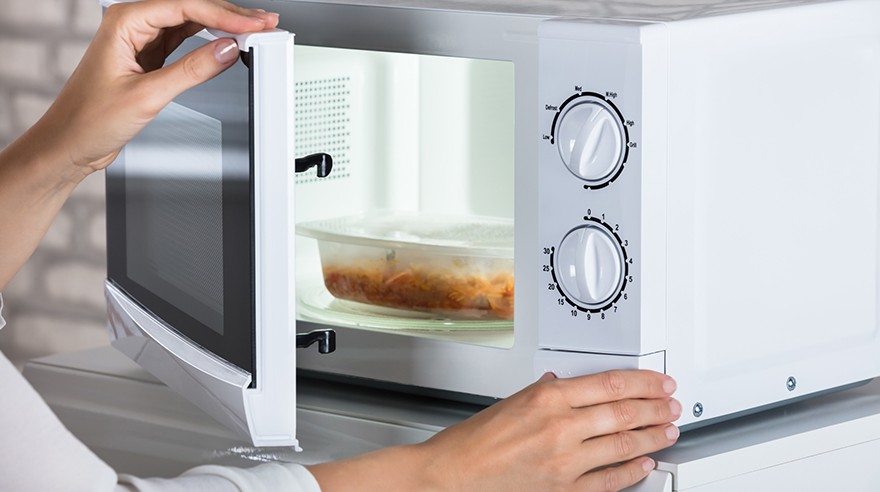
When in doubt, transfer to glass or ceramic These handle heat well and limit chemical migration.
-
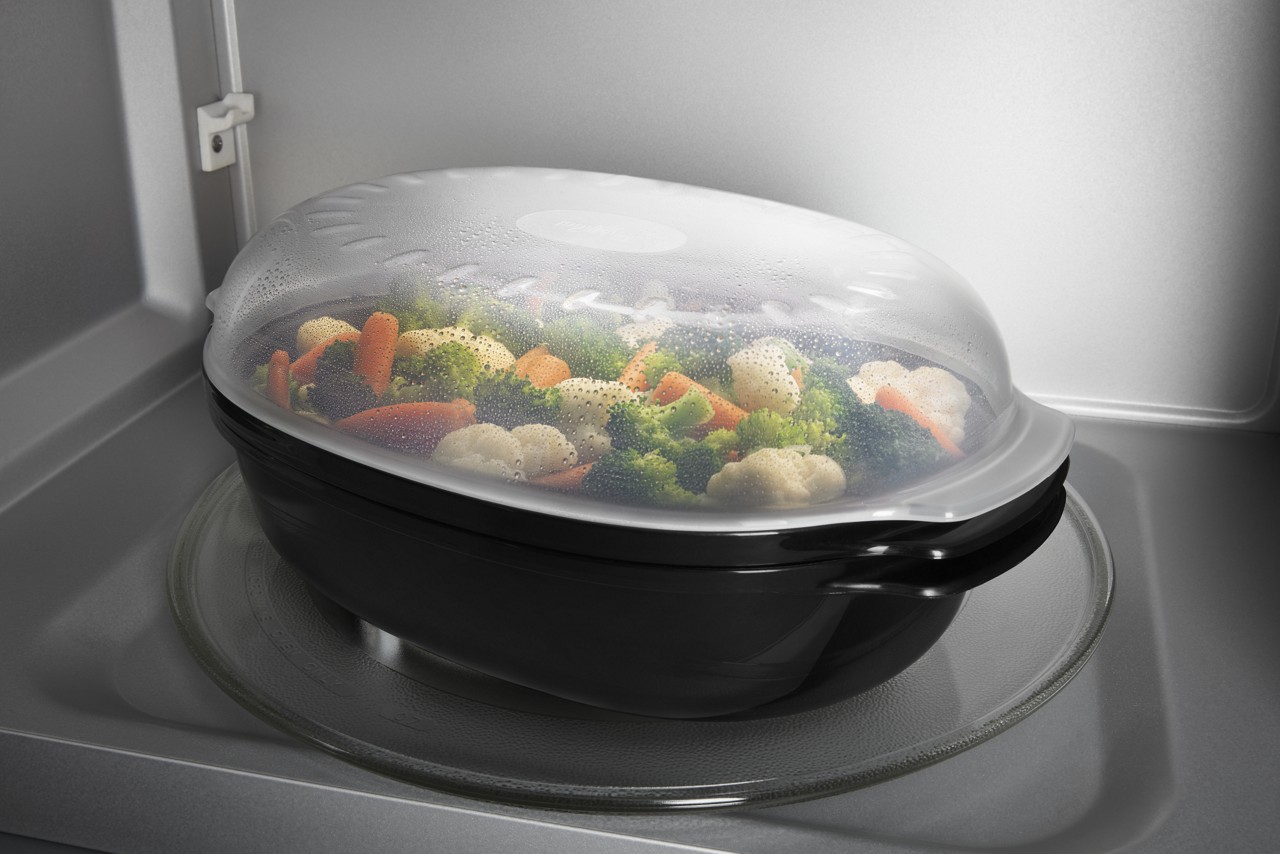
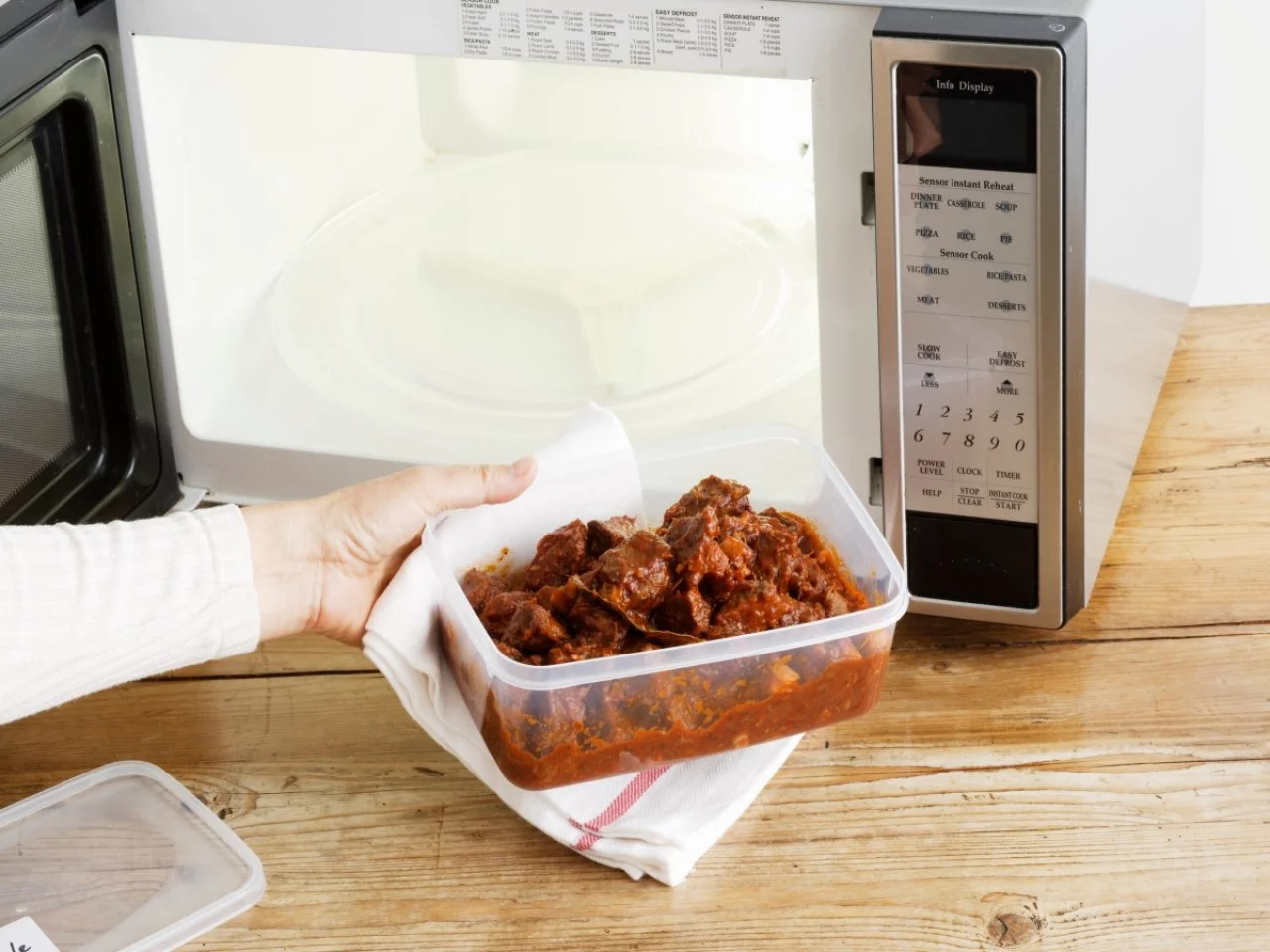
Vent lids and covers Leave a small gap so steam can escape. Use a paper towel or a vented cover to reduce splatter.
-
Use medium power and short bursts Stir between bursts. This evens out heat and protects plastic.
-
Keep oils and sauces in glass Fats heat fast and stress plastic.
-
Leave headspace Do not pack to the lid. Space prevents hot spots.
-
Retire old containers Replace scratched or warped items.
People search can plastic go in the microwave because they want a quick fix. These steps get you there without guesswork.
Common scenarios and what to do
Let us solve the most common kitchen moments.
-
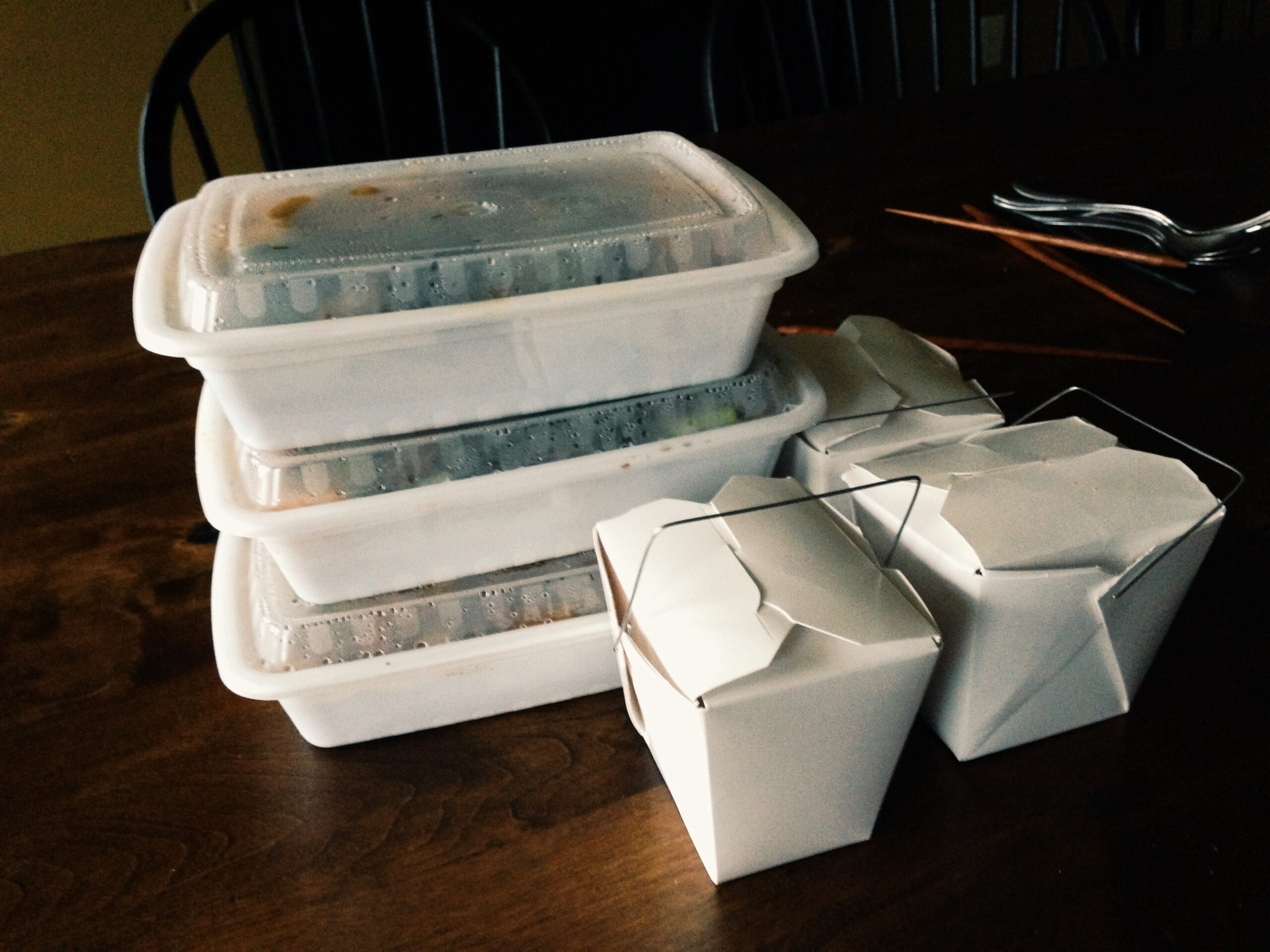
Takeout boxes Black or clear restaurant clamshells are often not microwave-safe. Transfer to a plate or glass bowl.
-
Deli soup containers Some are PP and safe when labeled. Vent the lid and use 50–70 percent power.
-
Frozen meal trays Many are designed for one use in the microwave. Follow the box, and do not reuse.
-
Plastic wrap You can microwave wrap labeled microwave-safe, but keep it from touching food. Tent it above the dish.
-
Zipper bags Some freezer bags are safe for defrosting or low reheating if labeled. Do not use for boiling-hot foods.
-
Baby bottles and pump parts Warm milk in a glass container. Microwaves heat unevenly and can scald. Swirl warmed milk in warm water instead.
If you still ask can plastic go in the microwave for a quick lunch, remember this rule I use in client kitchens: safe label plus short time plus venting equals lower risk.
Myths and facts you should know
-
Myth Microwaves make plastic radioactive.
Fact Microwaves are non-ionizing. They do not make materials radioactive. -
Myth BPA-free means risk-free.
Fact BPA-free plastics can still use other additives. Follow the same safe steps. -
Myth If it did not melt, it is safe.
Fact Chemical migration can occur below melting. Look for labels and use glass for high heat. -
Myth All number 5 items are safe.
Fact PP is often safer, but only when labeled and in good condition. -
Myth Venting is optional.
Fact Venting reduces pressure and hot spots. It also protects the container.
These points help answer can plastic go in the microwave with more confidence and fewer myths.
Eco-friendly and healthier alternatives
If you reheat daily, small swaps pay off fast.
-
Tempered glass bowls Affordable, tough, and easy to clean. Great for sauces and oily meals.
-
Ceramic dishes Even heating and easy to serve from.
-
Silicone lids and mats Good for vented covers. Choose food-grade silicone.
-
Reusable jars with plastic-free lids For soups and broths, reheat in a bowl, then pour back if needed.
I moved most of my lunch prep to glass years ago. Clients who did the same report fewer spills, better taste, and no worry about can plastic go in the microwave every time they heat leftovers.
Frequently Asked Questions of can plastic go in the microwave
Can plastic go in the microwave if it has no label?
If there is no label, do not microwave it. Transfer food to glass or ceramic and use a vented cover.
Can plastic go in the microwave if it is BPA-free?
BPA-free does not guarantee zero risk. Use short times, vent, and avoid high-fat foods, or use glass.
Can plastic go in the microwave if it is number 5 polypropylene?
Often yes, if it is labeled microwave-safe and in good shape. Vent the lid and use medium power.
Can plastic go in the microwave for oily foods like curry or chili?
Avoid it. Oily foods get very hot and can stress plastic. Use glass for these meals.
Can plastic go in the microwave if it is a takeout or deli container?
Usually no unless it is labeled microwave-safe. Many takeout boxes are single-use and can warp or leach.
Can plastic go in the microwave with plastic wrap on top?
Use only wrap labeled microwave-safe and keep it off the food. Tent it and leave a gap for steam.
Can plastic go in the microwave for baby food or milk?
Do not microwave breast milk or formula. Heat unevenly can scald; warm using hot water and swirl.
Conclusion
Some plastics are safe to heat, but not all. Labels, food type, and time matter. When you are unsure, move food to glass or ceramic and vent the cover. That simple habit lowers risk and improves taste.
Adopt one change today. Vent lids, use medium power, and move oily meals to glass. If this helped, subscribe for more kitchen safety tips or drop a question in the comments.

Appliance Review Expert
Lucas Ramirez is a trusted voice at HomeFixGrid.com, known for his clear, practical, and creatively written guides that simplify appliance care for everyday homeowners. With a strong focus on hands-on testing and real-world problem-solving, Lucas brings expert insight into appliance reviews and troubleshooting techniques. Her work empowers readers to confidently maintain, repair, and choose the right appliances for their homes.