How To Control Sweetness In Slow Cooker Desserts: Easy Tips
Balance sugar, use acids and spices, add sweeteners late, and taste often while cooking.
I have spent years testing slow cooker desserts in home and professional kitchens. I will show clear, practical steps on how to control sweetness in slow cooker desserts so your cobblers, puddings, and sauces finish balanced every time. This guide combines science, simple swaps, and real-world tips you can use tonight.

Why controlling sweetness matters for slow cooker desserts
Slow cooker heat is low and steady. That changes how sugars dissolve, concentrate, and behave. Over long cooking, flavors deepen and sugars can intensify. That makes understanding how to control sweetness in slow cooker desserts essential for predictable results.
Long cook times concentrate liquids. Slow evaporation in a crockpot can concentrate sugars. Heat can break down fruit and release natural sugars. These effects can push desserts from nicely sweet to cloying if you don't plan for them.
Benefits of mastering sweetness
- Better texture: balanced sugar helps set custards and prevents syrupy puddings.
- Cleaner flavor: controlled sweetness lets spices, fruit, and acid shine.
- More reliable recipes: fewer surprises when you scale or adapt a recipe.
Common causes of too much sweetness
- Using full sugar amounts intended for oven baking without adjustment.
- Adding sweet sauces or syrups at the start instead of late.
- Not tasting and correcting at the end.

Key principles to control sweetness in slow cooker desserts
Think in layers: base sweetness, natural sugar release, and finishing adjustments. Follow these core principles to control sweetness in slow cooker desserts.
Tasting is essential
- Taste at the end and adjust before serving.
- Slow cooker flavors are muted mid-cook; final tasting matters most.
Add concentrated sweet items late
- Jam, condensed milk, syrups, and honey should be added near the end.
- This prevents early caramelization and over-concentration.
Balance with acid, salt, and bitter notes
- A splash of citrus, a pinch of sea salt, or a dash of espresso can cut perceived sweetness.
- Dark chocolate or unsweetened cocoa adds complexity without extra sugar.
Reduce when scaling
- Reduce added sugar by 10–30% for most slow cooker dessert recipes.
- Use gentler sugar reductions for delicate custards.
Control liquid and evaporation
- Use tight-fitting lids to limit evaporation when you want lower concentration.
- Leave lids slightly askew or remove lid toward the end to reduce volume and intensify sweetness if needed.
:max_bytes(150000):strip_icc()/8089104-e4e6676c76e947db9e78e283d118b931.jpg)
Ingredient swaps and adjustments to manage sugar
Simple ingredient swaps change perceived sweetness and texture. Use these swaps to control sweetness in slow cooker desserts without losing quality.
Direct sugar reductions
- Reduce white or brown sugar by 15–25% for most recipes and taste at the finish.
- For very sweet recipes, start with a 30% reduction and add later if needed.
Use less concentrated sweeteners early
- Replace half the sugar with unsweetened applesauce or mashed banana for moisture and natural sweetness.
- Use pureed dates for richness, but reduce added sugar more aggressively.
Change dairy and chocolate
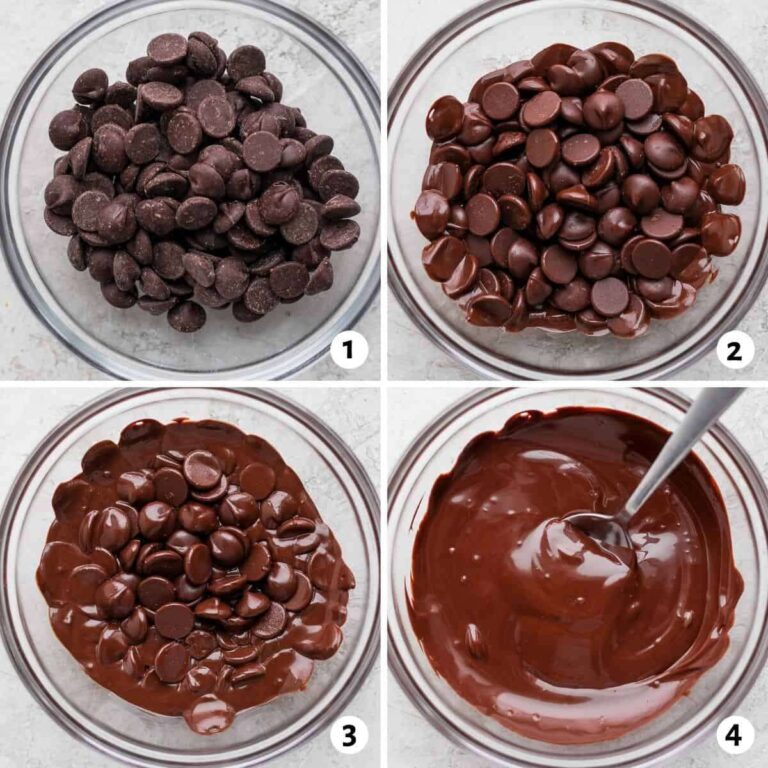
- Use unsweetened cocoa or dark chocolate with 60–85% cacao to lower sugar and add depth.
- Swap sweetened condensed milk for evaporated milk plus a controlled amount of sugar.
Fruit choices matter
- Use tart fruits like cranberries, rhubarb, or tart apples to naturally balance sugar.
- Avoid stacking multiple very sweet fruits in one dish.
Examples
- For a slow cooker apple crisp: reduce brown sugar in the topping by 20% and add a tablespoon of lemon juice to the apple filling.
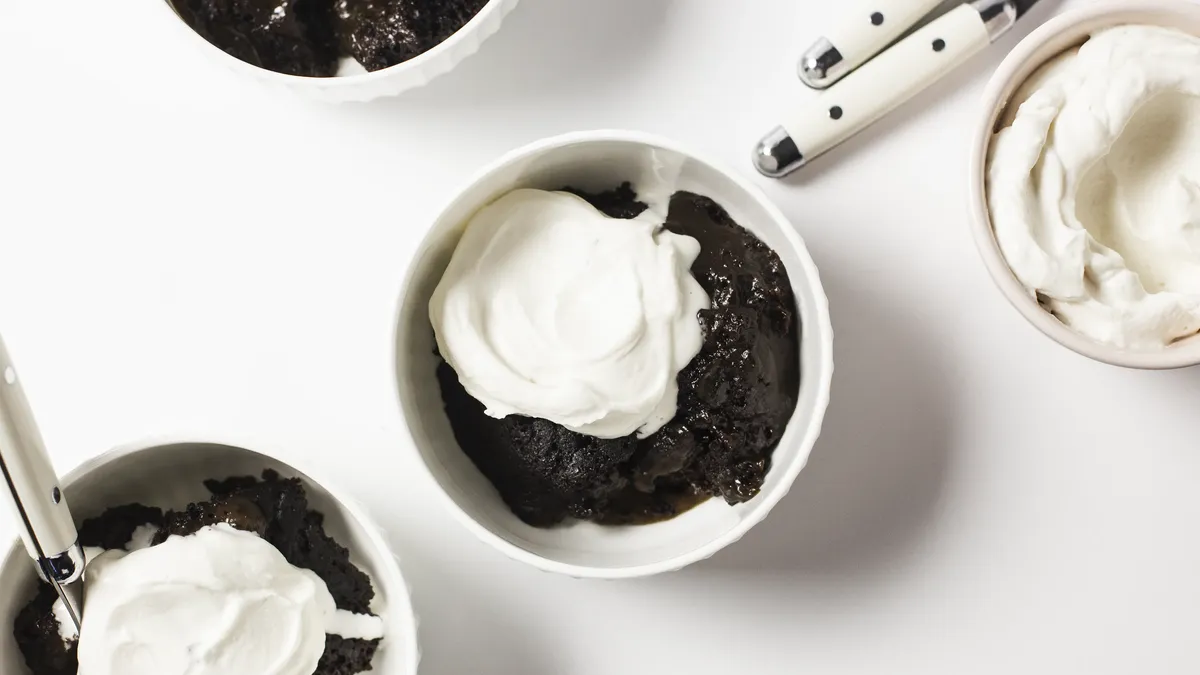
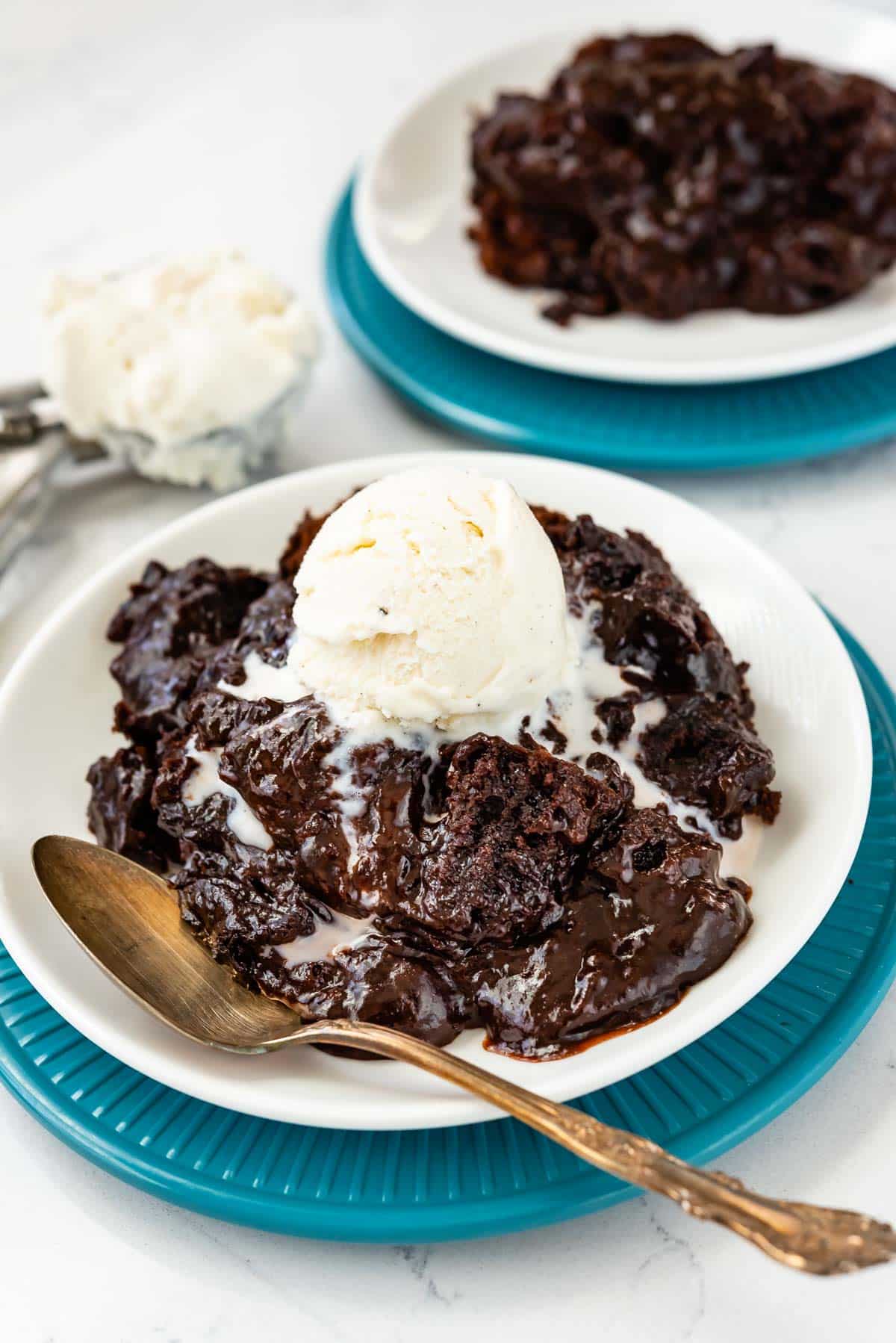
- For chocolate lava cake: use 70% dark chocolate and cut added sugar by 15% while finishing with a salted caramel drizzle if needed.
Sugar alternatives and natural sweeteners: pros and limits
Alternative sweeteners behave differently under low, long heat. Know their strengths and limits when you try to control sweetness in slow cooker desserts.
Common options and notes
- Honey and maple syrup: flavorful, liquid, and potent; add late to avoid over-concentration and adjust recipes for extra liquid.
- Coconut sugar: similar sweetness to brown sugar with a caramel note; use 1:1 but expect different moisture.
- Erythritol and monk fruit blends: low-calorie, heat-stable; may have cooling aftertaste—test in small batches.
- Stevia: extremely potent; use tiny amounts and add at the end to avoid bitter notes.
- Date paste: adds fiber and body; reduce other sugars significantly when used.
Best practices
- Convert liquid sweeteners by reducing other liquids slightly.
- Start small. Sweeteners like stevia or monk fruit can quickly over-sweeten.
- Combine sweeteners to mimic mouthfeel of sugar—e.g., erythritol plus a bit of honey.

Techniques and timing: when to add what
Timing changes result. The same ingredient added at different points can change how sweet a dessert finishes.
Add early when you want melding
- Spices, whole sugars, and sturdy fruit can go in early for a deep, steady sweetness.
Add late when you want control
- Syrups, honey, jams, and sweetened condensed milk should be stirred in during the last 30–60 minutes.
- Taste after adding and heat briefly to meld.
Finish with brighteners
- Citrus zest or juice, a pinch of salt, or a splash of spirit can round sweetness and lift flavors.
- A small amount of acid reduces perceived sweetness without altering texture.
Use texture to balance sweetness
- Add nuts, granola, or a plain crumb topping just before serving.
- A dollop of unsweetened yogurt or crème fraîche provides contrast.

Testing, troubleshooting, and rescue fixes
Even with care, desserts can come out too sweet or not sweet enough. Here are quick rescues you can use to control sweetness in slow cooker desserts after cooking.
If it's too sweet
- Stir in plain yogurt, strained Greek yogurt, or unsweetened cream to dilute and add tang.
- Add a squeeze of lemon or a teaspoon of vinegar for a bright cut.
- Mix in unsweetened mashed potato, cooked grains, or additional fruit to increase volume and lower sugar concentration per serving.
If it's not sweet enough
- Make a light syrup with water and sugar, warm briefly, and fold in a small amount.
- Top with caramel, jam, or a sweet compote added right before serving.
- Add powdered sugar or a dusting of sugar-based toppings sparingly.
If texture is an issue
- Too thin: thicken with a cornstarch slurry, quick reduction with lid off, or add a mashed banana.
- Too thick: swirl in milk, cream, or a neutral liquid and heat to combine.
Measurements, conversions, and scaling rules
Clear conversion rules make it easy to control sweetness in slow cooker desserts when you scale recipes.
Simple reduction guide
- Mild reduction: reduce sugar 10% for subtle change.
- Moderate reduction: reduce sugar 20%–25% for noticeable decrease.
- Aggressive reduction: reduce sugar 30%–40% only if using sweet fruit or alternate sweetener later.
Liquid sweetener swaps
- 1 cup honey ≈ 1 1/4 cups sugar, reduce other liquids by 1/4 cup per cup of honey.
- 1 cup maple syrup ≈ 3/4 to 1 cup sugar, reduce liquids by 3 tablespoons.
Sugar to alternative quick chart
- Coconut sugar: 1:1 swap.
- Date paste: use 2/3 to 3/4 cup date paste for 1 cup sugar and reduce other liquids slightly.
- Erythritol blends: follow manufacturer substitution but start at 75% and adjust.
Scale by weight when possible
- Use grams for sugar and liquids. Weight scales reduce guesswork and give repeatable results.

My experience: mistakes, tests, and favorite tactics
I have cooked dozens of slow cooker desserts and learned what works fast. Here are real tips from my kitchen.
Lessons learned
- Never rely on initial taste after one hour. Flavors change late in the cook.
- Adding preserves at the start made compotes cloying. Now I add them in the last 30 minutes.
- I once reduced sugar by 30% in a bread pudding and forgot to add acid; it tasted flat. A tablespoon of lemon saved it.
Favorite tactics I use
- For berry cobblers: reduce added sugar by 20% and add a teaspoon of lemon zest to balance.
- For chocolate puddings: use 70% dark chocolate and cut sugar by 15%, then finish with a pinch of sea salt.
- For custards: use less sugar and finish with a fruit compote added warm, not cooked with the custard.
Try this simple test at home
- Make your usual slow cooker dessert but reduce sugar by 20% and hold any syrups until the last 30 minutes. Compare both versions to notice differences.
Frequently Asked Questions of how to control sweetness in slow cooker desserts
How much sugar can I safely reduce in slow cooker desserts?
You can often reduce sugar by 15%–25% without harming texture. For delicate custards, reduce more cautiously and taste at the end.
Can I use honey or maple syrup in a slow cooker dessert?
Yes, but add them late for best control and reduce other liquids slightly. Honey and maple add flavor and liquid that change concentration.
How do I fix a dessert that's too sweet after cooking?
Stir in unsweetened dairy, add a little acid like lemon juice or vinegar, or bulk it up with plain fruit or grains to dilute the sweetness.
Are sugar substitutes stable in slow cookers?
Many sugar substitutes hold up to slow heat, but each has a different mouthfeel. Test erythritol or monk fruit blends in small batches first.
Should I taste a slow cooker dessert while it's cooking?
Wait until the end for final adjustments, but check mid-cook to monitor texture and liquid levels. Final tasting is the most accurate.
Is evaporation a major cause of increased sweetness?
Yes. Slow cookers can concentrate sugars over long cooks, especially with lids off. Control lid use to manage concentration.
Can spices reduce perceived sweetness?
Yes. Warm spices like cinnamon, cardamom, or ginger add complexity that lowers the sense of cloying sweetness when used carefully.
Conclusion
Controlling sweetness in slow cooker desserts is about planning, tasting, and knowing when to add ingredients. Use smaller sugar amounts, add concentrated sweeteners late, balance with acid or salt, and rescue with dairy or bulk when needed. Try one change at a time and keep notes. Practice makes your desserts predictable and balanced.
Ready to test a tweak? Reduce sugar by 20% in your next slow cooker dessert and add a brightener like lemon or salt at the end. Share your results, subscribe for more tips, or leave a comment with a recipe you want adjusted.

Appliance Review Expert
Lucas Ramirez is a trusted voice at HomeFixGrid.com, known for his clear, practical, and creatively written guides that simplify appliance care for everyday homeowners. With a strong focus on hands-on testing and real-world problem-solving, Lucas brings expert insight into appliance reviews and troubleshooting techniques. Her work empowers readers to confidently maintain, repair, and choose the right appliances for their homes.