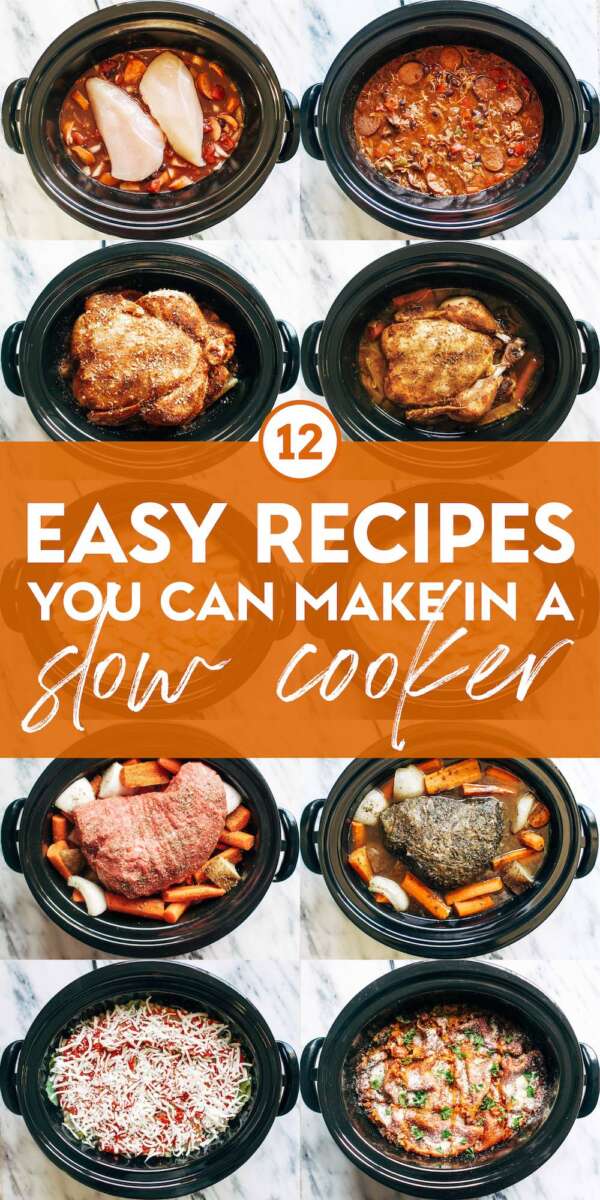
How To Prepare Slow Cooker Meals For Camping Trips: Guide
Prep ingredients at home, use an insulated slow cooker, and follow safe cook-and-hold steps.
I’ve cooked over a hundred dinners on slow cookers at campgrounds, backcountry sites, and weekend cabins. In this guide I’ll show you how to prepare slow cooker meals for camping trips with clear planning, safe food practices, low-tech gear choices, and easy recipes. You’ll learn packing tricks, step-by-step prep, troubleshooting tips, and real lessons I learned the hard way so your meals taste great and stay safe.

Why use a slow cooker on camping trips?
Slow cookers let you make hot, hands-off meals while you relax. They work well for families and groups. They cut cleanup and let flavors build with low effort.
Benefits at a glance:
- Set-and-forget cooking frees time for hiking or camp chores.
- One-pot meals reduce dishes and food waste.
- Gentle heat suits tough cuts and beans.
- Electric models run on batteries, solar, or campground power.
I’ll walk through safety, gear, and recipes so you can see how to prepare slow cooker meals for camping trips with confidence.

Essential gear and safety
Slow cooker choice matters. Pick the right size and power option for your trip.
What to bring:
- Portable slow cooker or 12V model if driving. Choose a 3-6 quart for 2–6 people.
- Insulating cozy or cooler to keep heat longer.
- Power source: campground outlet, deep-cycle battery, or reliable inverter.
- Meat thermometer to check internal temps.
- Airtight containers and waterproof labels.
Food safety basics:
- Pre-chill cooked food before transport for cold storage. Move hot food to an insulated container only when safe to handle.
- Keep raw meats separate from ready-to-eat items.
- Hold hot foods at 140°F or above, and reheat to 165°F before serving.
- Follow recommended cook times for beans and legumes.
Before you pack, practice a trial run at home. This helps you learn how to prepare slow cooker meals for camping trips using your exact cooker and recipes.
Meal planning and prep strategies
Good planning makes slow cooker cooking at camp easy and low stress.
Steps to plan:
- Choose simple, forgiving recipes like stews, chilis, and pulled meats.
- Pre-cook or par-cook dense ingredients at home when helpful (for example, brown meat or soak beans).
- Portion meals into labeled freezer bags or airtight tubs with a full ingredient list and cook time.
- Pack staples: broth, canned tomatoes, spices in small containers, oil, salt, and pepper.
Batch prep tips I use:
- Chop onions, carrots, and celery at home. Store in clear tubs so you can grab and dump.
- Marinate meats the night before in vacuum bags. This adds flavor and saves time.
- Use a master meal sheet with cook time and layer order to reduce mistakes.
Batch prep reveals how to prepare slow cooker meals for camping trips quickly. It also reduces food scraps and packing stress.

Best slow cooker camping recipes
Here are reliable recipes that travel well and please crowds.
Hearty beef stew
- Ingredients: chuck roast, potatoes, carrots, onion, beef broth, tomato paste, herbs.
- Method: Brown roast at home if possible. Layer veggies and meat in cooker with broth. Cook 6–8 hours low.
Chicken tortilla soup
- Ingredients: chicken thighs, black beans, corn, onion, diced tomatoes, chicken broth, taco seasoning.
- Method: Add ingredients to cooker. Cook 4–6 hours. Shred chicken and serve with tortillas and lime.
Pulled pork
- Ingredients: pork shoulder, BBQ rub, apple cider vinegar, broth.
- Method: Rub pork and sear if possible. Slow cook 8–10 hours low. Shred and serve on rolls.
Vegetarian chili
- Ingredients: mixed beans, bell peppers, onions, canned tomatoes, chili spices, squash.
- Method: Combine and cook 6–7 hours. Finish with fresh cilantro and lime.
Overnight oatmeal (breakfast)
- Ingredients: steel-cut oats, milk or water, fruit, cinnamon.
- Method: Pre-mix and cook on low overnight for warm, ready-to-eat breakfasts.
These ideas show practical ways to prepare slow cooker meals for camping trips that use pantry staples and require minimal hands-on time.

Cooking tips and troubleshooting
Small problems are common. Here’s how to avoid them.
Common issues and fixes:
- Food too thin: Thicken with a slurry of cornstarch and water in last 15 minutes, or remove lid and simmer if you have a stove.
- Cooker too hot or cold: Test at home for heat profile. If low, wrap cooker with a sleeping bag or insulation; if high, reduce time.
- Power loss: Keep meals in a high-quality insulated cooler to stay warm several hours after power drops.
- Overcooked veggies: Add quick-cooking vegetables like peas or fresh greens in the last hour.
Timing rules:
- Slow cookers vary. Learn your model’s low/high timing at home by comparing recipes.
- Use a thermometer to confirm safe temps rather than relying on time alone.
These pointers explain how to prepare slow cooker meals for camping trips while avoiding common mistakes and keeping food safe.

Packing and transport
How you pack affects safety and flavor.
Packing checklist:
- Insulated cooler for cold items and a separate insulated carrier for hot crockpots.
- Clear, labeled containers for prepped ingredients.
- Zip-top freezer bags to stack and save space.
- Small cutting board and folding spoon or ladle.
Transport tips:
- Keep raw and cooked items separated.
- Use frozen water bottles as ice packs that can double as emergency water.
- Secure the cooker upright. Place it in a box or tote to avoid spills.
Good packing completes the plan for how to prepare slow cooker meals for camping trips and keeps things tidy at camp.
Frequently Asked Questions of how to prepare slow cooker meals for camping trips
Can I use a regular slow cooker at a campsite?
Yes. If the campsite has electrical hookups, use a regular slow cooker. If not, bring a 12V slow cooker or a battery/inverter setup. Always follow campground rules.
How long can food stay in a slow cooker safely?
Keep hot foods at 140°F or higher. If power cuts, move food to an insulated container and consume within a few hours. Reheat to 165°F before eating.
Should I pre-cook meat before slow cooking at camp?
Pre-cooking or browning meat adds flavor and reduces time needed at camp. It is not required, but it helps with texture and safety when fuel or power is limited.
Can I make vegetarian slow cooker meals while camping?
Absolutely. Beans, lentils, root vegetables, and squash do well in slow cookers. Pre-soak dried beans or use canned beans to shorten cook times.
What if my slow cooker stops working at camp?
Have a backup plan: a small camp stove and pot, or plan meals that can finish on a grill. Pack extra spices and a simple soup base for emergencies.
Conclusion
Slow cookers turn camping into a low-stress, high-flavor experience. Plan meals, prep ingredients at home, choose the right gear, and follow food safety rules. Use insulated carriers, bring a thermometer, and practice recipes before you go. Try one set-and-forget meal on your next trip to build confidence and free more time for adventure. Share your favorite slow cooker campsite recipe below, subscribe for more outdoor cooking tips, or leave a comment about your slow-cooker wins and lessons.

Appliance Review Expert
Lucas Ramirez is a trusted voice at HomeFixGrid.com, known for his clear, practical, and creatively written guides that simplify appliance care for everyday homeowners. With a strong focus on hands-on testing and real-world problem-solving, Lucas brings expert insight into appliance reviews and troubleshooting techniques. Her work empowers readers to confidently maintain, repair, and choose the right appliances for their homes.