Are Glass Measuring Cups Microwave Safe: Safe Use Guide
Introduction
Most glass measuring cups are microwave safe when the manufacturer labels them for microwave use. In U.S. kitchens, common brands such as Pyrex and Anchor Hocking make glass measuring cups for tasks like heating water, melting butter, and warming sauces. Still, glass can break if it faces a sudden temperature change, uneven heating, or a hidden crack.
The safest rule is simple: check the marking or care guide first, then heat the cup in short bursts and handle it with care. A cup that is microwave safe is not automatically safe for a stovetop, broiler, oven, or rapid temperature change.
What “microwave safe” means for a glass measuring cup
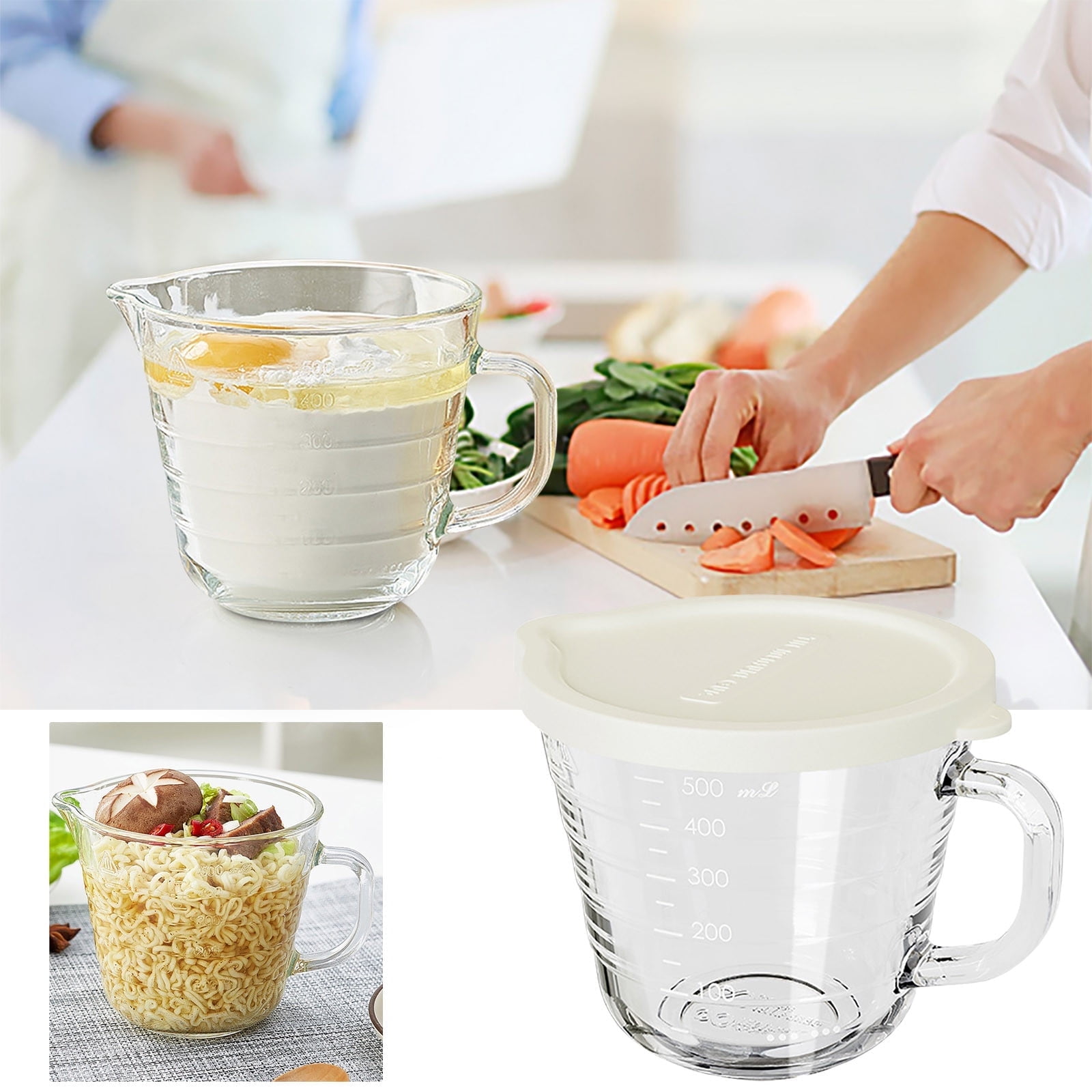
A microwave-safe measuring cup is designed to tolerate normal microwave heating under the maker’s stated use conditions. It should not melt or release unsafe materials during ordinary use. The term does not mean the cup cannot become very hot, crack, or break.


Microwaves heat the food or liquid in the cup. The glass may then heat from contact with that food or liquid. Some areas can become hotter than others, especially when the cup contains a thick sauce, a small amount of liquid, or food that heats unevenly.
A microwave-safe label also does not cover every possible use. It usually does not approve:
- Heating the empty cup
- Using the cup on a gas or electric burner
- Putting the cup under a broiler
- Moving a hot cup into cold water
- Pouring cold liquid into a very hot cup
- Using a cup with a crack, chip, or deep scratch
The label is a use guide, not a promise that the glass is unbreakable.
How to tell if your glass measuring cup is microwave safe
Look for a microwave symbol, printed words, or care instructions on the cup, package, or manufacturer’s website. The symbol often looks like a microwave oven with wavy lines. Some makers print “microwave safe” on the base or near the measurement marks.
Use this check before heating:
- Inspect the cup. Look for chips, cracks, star-shaped marks, and deep scratches.
- Check the base and handle. Some products use different materials for the handle or grip.
- Read the maker’s care guide. Product lines can differ, even under the same brand.
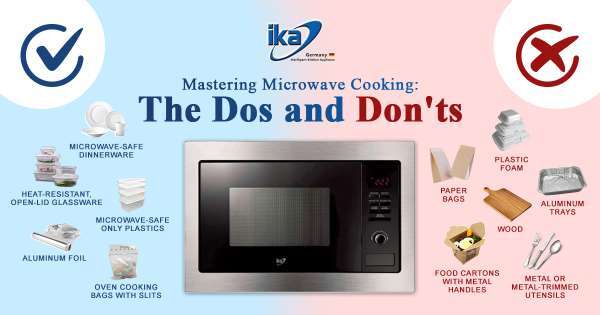
- Check for decoration. Metallic paint, gold rims, silver rims, and metal accents should not go in a microwave.
- When in doubt, do not microwave it. Use a container with clear microwave instructions instead.
A plain glass appearance is not proof of microwave safety. The type of glass, shape, thickness, decorations, and manufacturing process all matter.
What if there is no label?
If a glass measuring cup has no microwave marking or care instructions, treat it as unverified, not automatically safe. You may find the product instructions by searching the exact brand and model name on the manufacturer’s U.S. website.
Avoid relying on a quick “tap test” or a small trial heat. A cup may survive one heating cycle and still fail later due to an existing flaw or repeated thermal stress.
Why glass measuring cups can break in a microwave
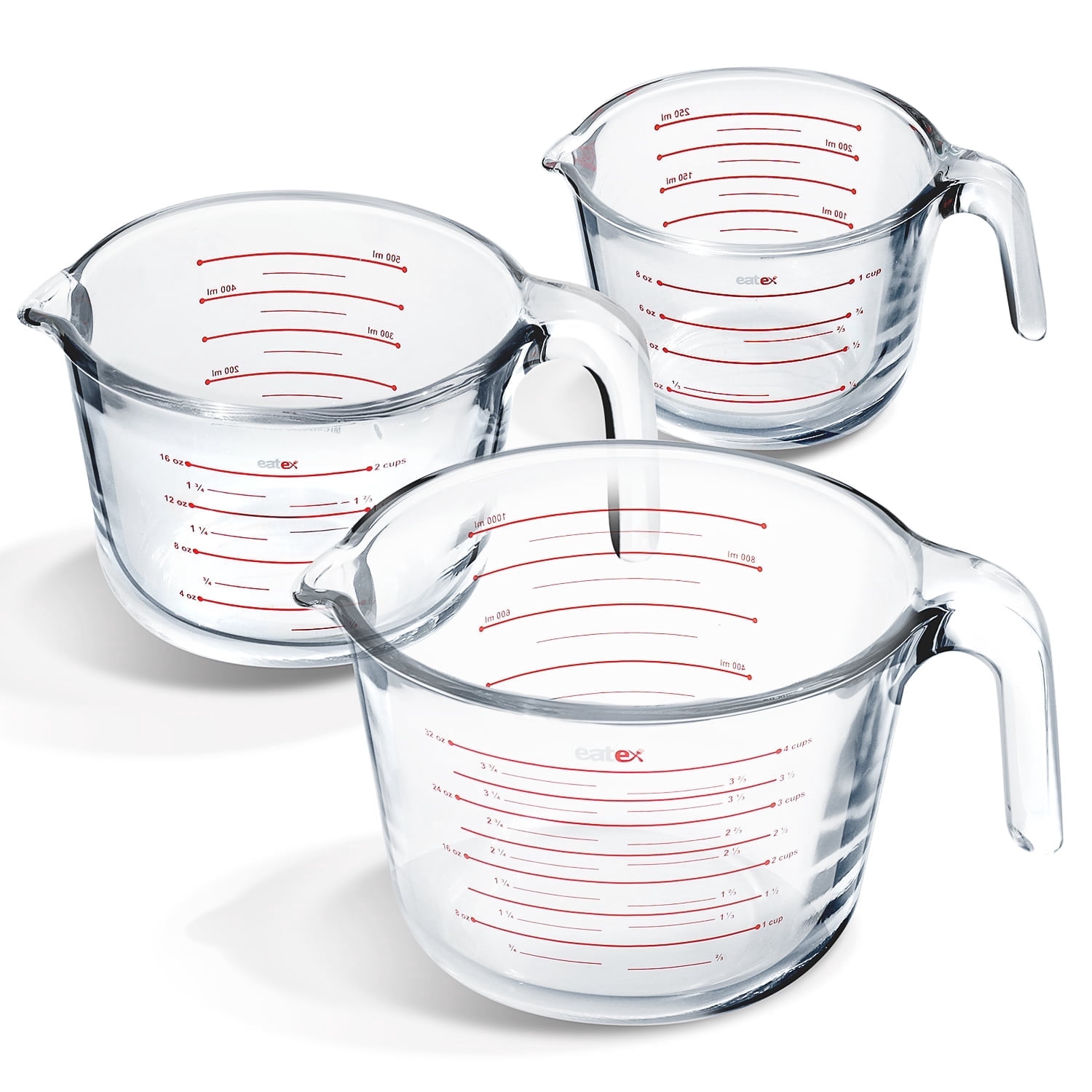
Glass usually breaks because of thermal shock. Thermal shock happens when one part of the glass changes temperature much faster than another part. The uneven expansion creates stress inside the cup.
For example, imagine a cold measuring cup filled with hot liquid. The inner surface warms first, while the outer surface stays cold. The two areas expand at different rates. If the stress becomes greater than the glass can handle, the cup may crack or shatter.


Common causes include:
- Starting with a cup that is very cold
- Heating a small amount of food for too long
- Heating the cup while it is empty
- Pouring cold water into a hot cup
- Setting a hot cup on a wet or cold stone counter
- Using glass with a small crack or chip
- Heating a thick, sticky food that develops hot spots
- Heating with a tight lid or sealed cover
The handle may feel cooler than the cup, but that does not mean the contents are safe to touch. Steam and hot liquid can cause burns even when the glass looks comfortable to hold.
How to microwave a glass measuring cup safely
Follow the product instructions first. If the cup is labeled microwave safe, this method reduces common risks.
1. Check the cup and contents
Make sure the cup is clean and free from damage. Remove metal decorations, twist ties, and foil. If the food has a lid, vent the lid or leave it slightly open unless the instructions say otherwise.
Never microwave a sealed container. Steam pressure can build up and force the lid off or break the container.
2. Avoid extreme temperature changes
Do not move a cup directly from a freezer or refrigerator into a hot microwave if the maker warns against it. Let the cup warm slightly at room temperature when practical.
Also avoid placing a hot cup on a cold, wet, or very hard surface. Use a dry trivet, towel, or heat-safe pad.
3. Use short heating periods
Heat in short intervals, such as 15 to 30 seconds for small amounts. Stir between intervals when the food allows it. Stirring spreads heat and reduces hot spots.
For a large volume of liquid, use longer intervals only when needed. Stop before the liquid reaches a vigorous boil. Superheated water can look calm and then erupt when moved or disturbed.
4. Leave room for expansion
Do not fill the cup to the top. Leave space for bubbling, steam, and movement. This matters most with milk, sauces, oatmeal, soup, and other foods that foam or expand.
A practical limit depends on the food. A thin liquid may need less space than a thick sauce that bubbles suddenly.
5. Let the cup rest before handling
After heating, let the cup sit for a short time. Use a dry oven mitt or potholder when the cup is hot. Hold the handle only if the maker designed it for that use and keep your other hand under the cup when carrying a full measure.
6. Open covers away from your face
Steam can burn skin quickly. Lift a cover from the side farthest from your face. Stir carefully, since hot spots may remain below the surface.
Signs of safe use
The cup should remain intact, with no new crack, chip, clouded area, or sharp sound. The food should heat without unusual smoke, sparks, or burning.
Stop the microwave at once if you see sparks, smell burning, hear cracking, or notice damage. Let the cup cool before inspection.


Glass measuring cup materials and microwave use
The word “glass” covers more than one material. The material can affect how a cup handles heat, but the manufacturer’s instructions remain the final guide.
| Glass or construction type | What it means in practice |
|---|---|
| Tempered soda-lime glass | Common in household measuring cups. It may handle normal heating but can still break from thermal shock. |
| Borosilicate glass | Designed for stronger resistance to temperature change than ordinary glass. It is still not break-proof. |
| Heat-resistant glass | A broad product term. Confirm the exact microwave and temperature instructions. |
| Glass with plastic parts | The glass may be microwave safe while the lid, grip, or seal has separate limits. |
| Glass with metal trim | Do not microwave unless the maker gives clear, specific instructions. |
A common misconception is that every product called “Pyrex” has the same glass composition. In the United States, product construction and instructions can vary by product line and market. Read the care information for the exact item rather than relying on the brand name alone.
Another misconception is that borosilicate glass cannot shatter. It resists some temperature changes better than other glass, but it can still fail when damaged, heated unevenly, or exposed to a severe temperature difference.
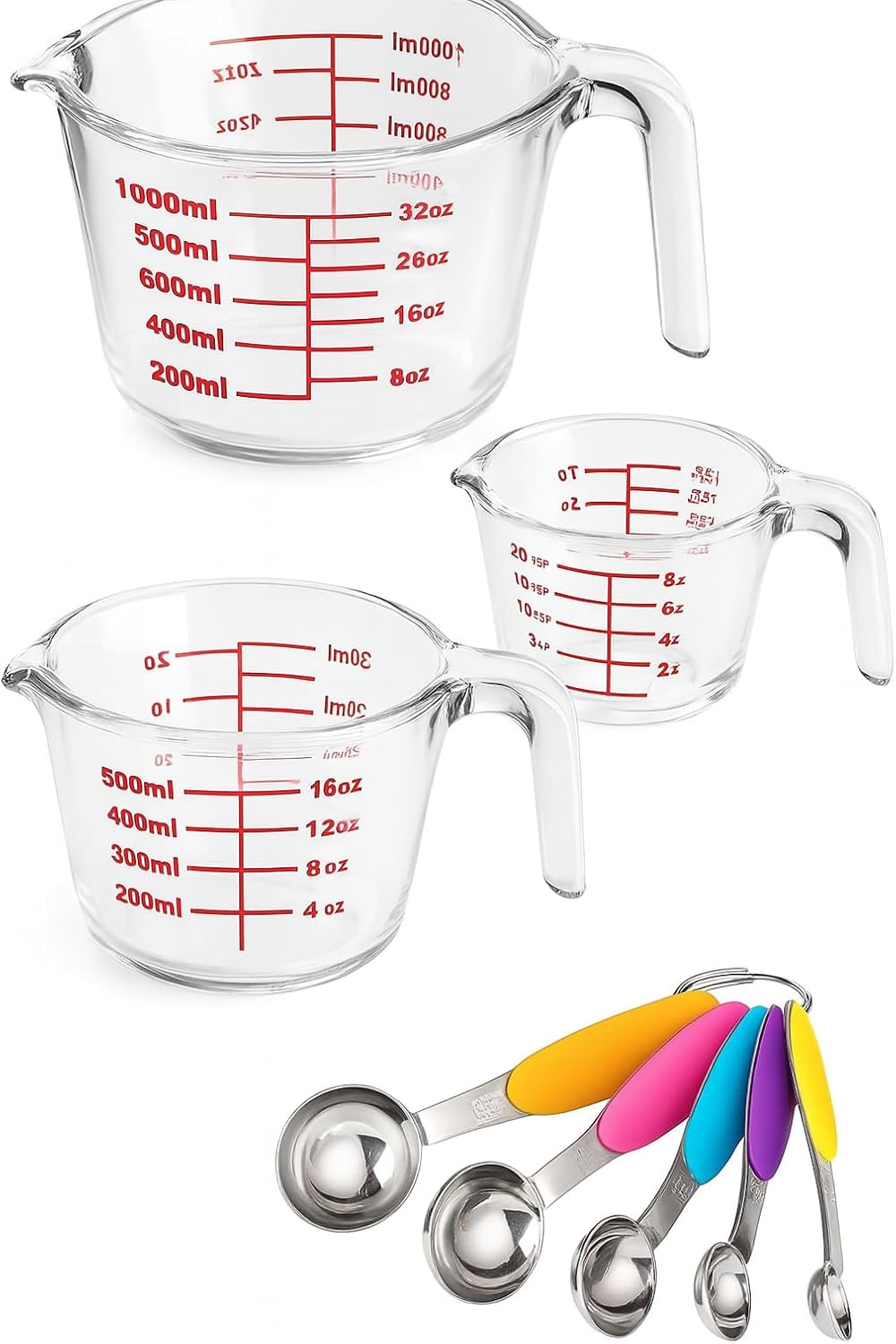
What you can and cannot heat in a glass measuring cup
A microwave-safe measuring cup works well for many small kitchen tasks. The food itself still determines the risk.
Usually suitable when the cup is labeled microwave safe
- Water
- Milk
- Melted butter
- Chocolate, with frequent stirring
- Broth
- Thin sauces
- Small portions of soup
- Ingredients for baking
Heat these foods in short intervals. Chocolate and thick sauces can burn even when the glass remains safe.
Use extra care with these foods
- Oil
- Syrup
- Sugar mixtures
- Oatmeal
- Cheese
- Thick gravies
- Eggs
- Foods with a skin or shell
These foods may heat unevenly, foam, splatter, or become much hotter than they appear. Do not microwave whole eggs in the shell. Pierce foods such as potatoes or sausages so steam can escape, or use a container designed for that task.
Do not use a microwave-safe measuring cup on a stovetop
A microwave-safe label does not mean the cup can sit over direct heat. A burner creates a hot spot at the base. That concentrated heat can damage or break the glass.
The same caution applies to a grill, broiler, toaster oven, or open flame unless the product instructions specifically approve that use.

Glass measuring cups versus plastic measuring cups in the microwave
Glass and microwave-safe plastic each have useful traits. Neither is the right choice for every task.
| Feature | Glass measuring cup | Microwave-safe plastic measuring cup |
|---|---|---|
| Staining | Usually resists stains well | May stain with tomato, curry, or oil |
| Odor retention | Usually low | Some plastics can hold odors |
| Visibility | Clear measurement marks are common | Often clear, but marks may fade over time |
| Heat feel | Can become very hot | May stay cooler to the touch in some areas, but contents remain hot |
| Thermal shock | Can crack or shatter | Can warp or soften if used outside its limits |
| Metal decoration | Unsafe in a microwave | Usually absent, but check the product |
| Long-term wear | Can scratch or chip | Can cloud, scratch, or degrade |
Glass often suits users who heat liquids and want a stable cup that does not absorb food odors. Plastic may be easier to handle for some tasks, but it still needs a microwave-safe label and temperature limits.
Do not assume that a plastic cup is safer simply because it will not shatter. A damaged or overheated plastic container can warp or become unsuitable for food use.


Common mistakes to avoid
Heating an empty glass cup
An empty cup absorbs microwave energy in a different way from a cup filled with food or liquid. Some manufacturers warn against empty heating because it can cause damage or overheating.
Filling the cup to the measurement line
The measurement line shows volume, not safe heating capacity. Leave room for boiling, foaming, and stirring.
Ignoring a small chip
A chip weakens the rim. Heat and handling can turn a small flaw into a larger break. Retire the cup if it has a chip, crack, or sharp edge.
Using a metal spoon or foil
Metal can cause arcing in a microwave. Remove spoons, foil, twist ties, and metal clips before starting the oven.
Moving hot glass to a cold surface
A cold countertop, wet sink, or cold metal pan can create a sharp temperature change. Place hot glass on a dry, heat-safe surface.
Assuming the handle is cool
The handle can feel less hot than the cup while the liquid inside is hot enough to burn. Use a potholder and pour slowly.
Measuring a hot liquid at eye level
Steam and splashes can injure the face and eyes. Keep the cup below face level and use care when pouring.

What to do if a glass measuring cup cracks or breaks
Stop the microwave if you hear a crack or see damage. Do not touch the cup until it has cooled, unless leaving it in place creates another hazard.
After cooling:
- Put on sturdy gloves or use tools suitable for broken glass.
- Keep children and pets away from the area.
- Check the microwave cavity for glass pieces.
- Remove small fragments with a damp disposable towel.
- Inspect the turntable and support ring.
- Do not use the cup again, even if the crack seems small.
If broken glass may have entered food, discard the food. Do not try to pick out visible pieces and save the rest. Small fragments may be hard to see.
If the microwave itself has damage, such as a cracked interior, damaged door, or exposed wiring, stop using it and follow the manufacturer’s service guidance.

A quick decision guide
Use this table when you need a simple answer.
| Situation | Microwave use? | Safer action |
|---|---|---|
| The cup says “microwave safe” and has no damage | Yes, for normal labeled use | Heat in short periods and handle carefully |
| The cup has no label or care guide | Unclear | Find the exact instructions or use a verified container |
| The cup has a chip or crack | No | Replace it |
| The cup has gold, silver, or metal trim | No | Use a plain microwave-safe container |
| The cup is frozen or very cold | Use caution | Avoid sudden heating unless the maker approves it |
| You want to use it on a burner | No, unless specifically approved | Use cookware made for direct heat |
| The cup has a plastic lid | Check separately | Confirm the lid’s microwave instructions |
| You need to heat a sealed liquid | No | Vent the cover and allow steam to escape |
The best choice is not simply “glass” or “plastic.” It is a container with clear instructions, no damage, enough room for expansion, and a use that matches the manufacturer’s limits.
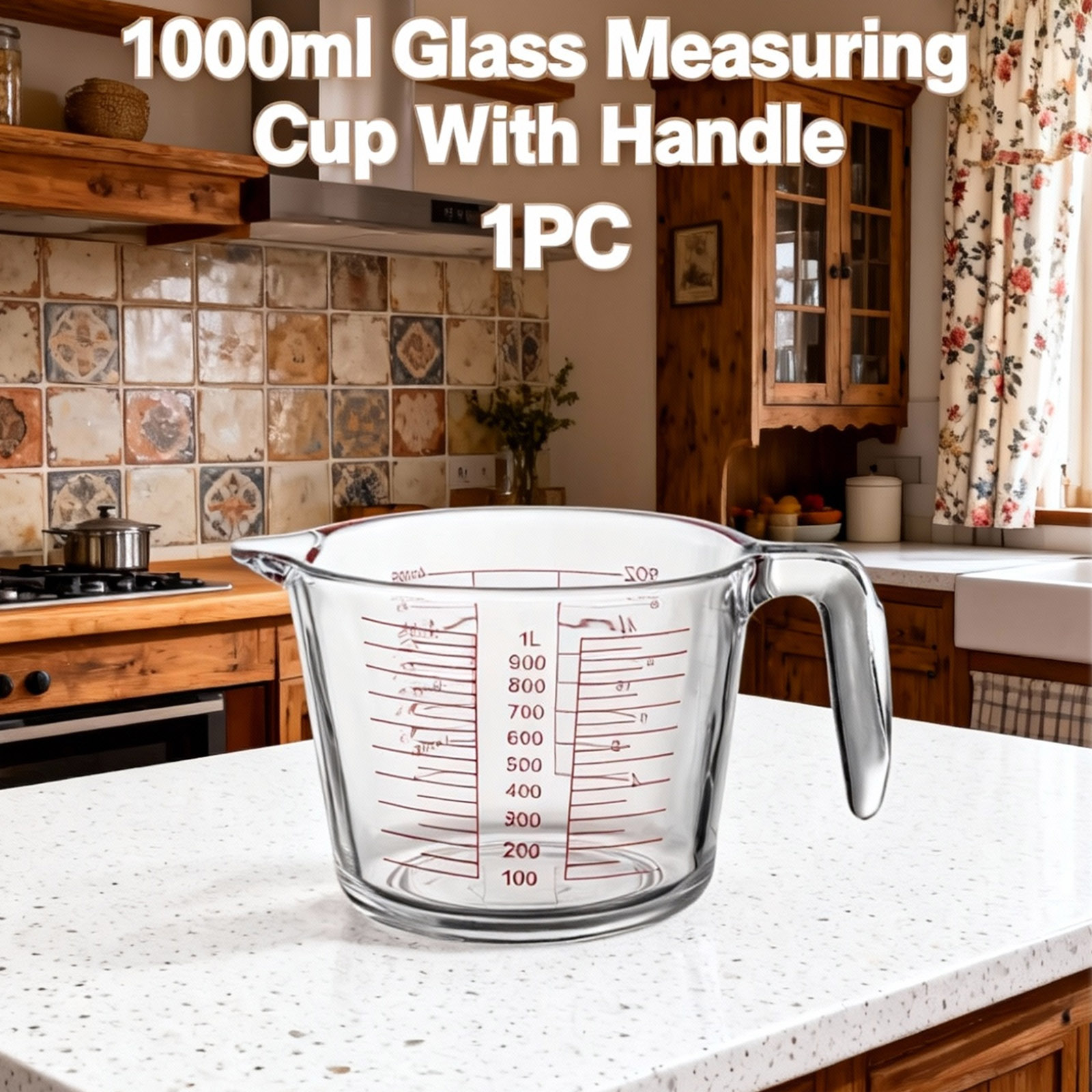
Frequently asked questions
Can I microwave a Pyrex glass measuring cup?
Many U.S. Pyrex glass measuring cups are made for microwave use, but you should check the instructions for the exact product. Do not use one that is cracked, chipped, decorated with metal, or exposed to a sudden temperature change.
Can glass measuring cups go from the refrigerator to the microwave?
Not always. A cold cup may be more vulnerable to thermal shock when heated quickly. Check the product guide and avoid extreme temperature changes unless the maker clearly approves that use.
Is it safe to microwave water in a glass measuring cup?
Usually, if the cup is labeled microwave safe. Heat the water in short periods, leave room in the cup, and handle it carefully. Water can become superheated and erupt when moved, so let it stand briefly before stirring or pouring.
Why did my microwave-safe glass cup break?
Possible causes include a hidden chip, thermal shock, uneven heating, an empty heating cycle, rapid cooling, or use outside the manufacturer’s instructions. A microwave-safe label reduces risk; it does not make glass immune to breakage.
Can I put a glass measuring cup in the oven after microwaving?
Only if the manufacturer approves oven use and the cup is not exposed to a sudden temperature change. Microwave safety and oven safety are separate ratings. Check the exact care guide before transferring the cup.
Conclusion
Yes, a glass measuring cup can be microwave safe—but only when the exact cup is labeled or documented for microwave use. Use it with food or liquid, avoid metal and sealed covers, heat in short bursts, and protect it from sudden temperature changes.
Before the next use, inspect the cup and check its care instructions. If the label is missing or the glass is damaged, choose a container with clear microwave guidance instead.

Appliance Review Expert
Lucas Ramirez is a trusted voice at HomeFixGrid.com, known for his clear, practical, and creatively written guides that simplify appliance care for everyday homeowners. With a strong focus on hands-on testing and real-world problem-solving, Lucas brings expert insight into appliance reviews and troubleshooting techniques. Her work empowers readers to confidently maintain, repair, and choose the right appliances for their homes.