
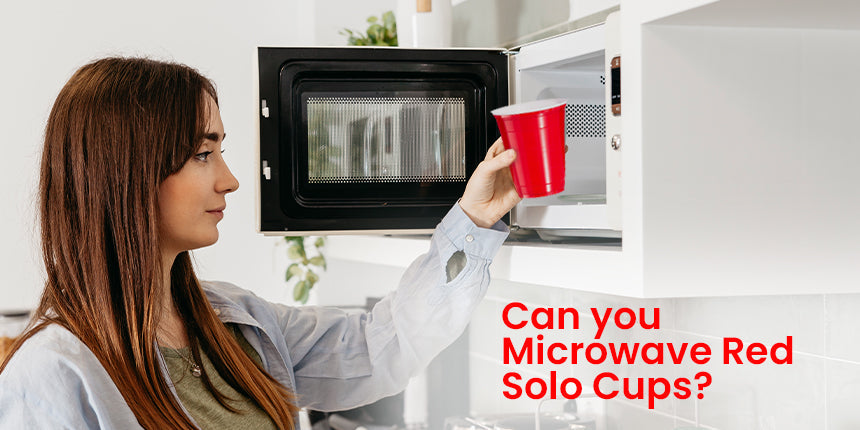
Most Solo Cups are not microwave safe; many are polystyrene and can melt or release chemicals.
I’ve tested and researched single-use cups and plastic types for years. If you’ve wondered, are solo cups microwave safe, this guide will answer that clearly. I’ll explain materials, health risks, testing signals, and safe alternatives so you can make informed choices at parties, work, or home.

Understanding Solo Cups and their materials
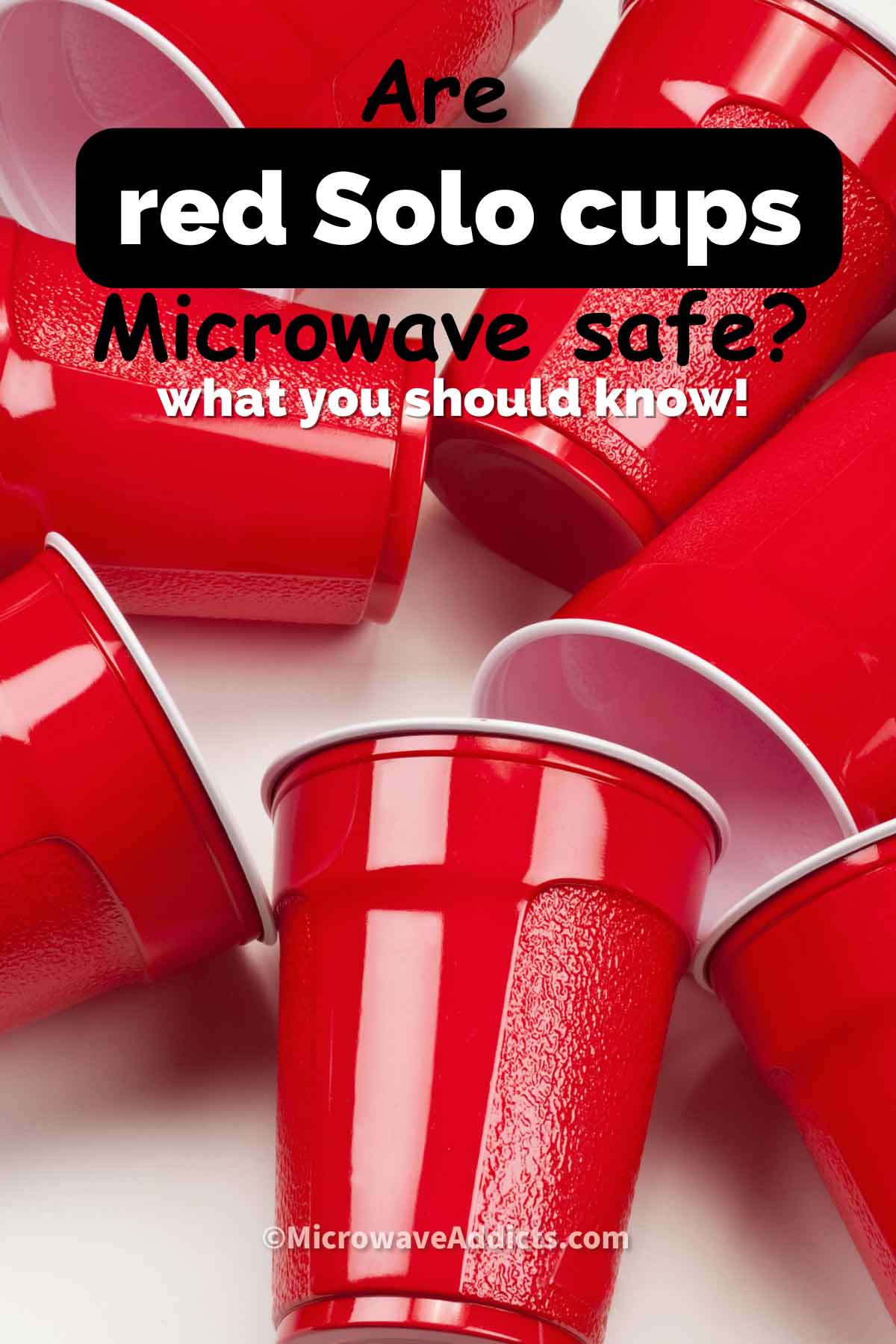
Solo cups come in different plastics. The classic red Solo cup is usually polystyrene. Polystyrene is rigid and cheap. It is labeled with recycling code 6.
Some Solo-style cups are made from polypropylene. Polypropylene is often labeled with recycling code 5. Polypropylene can handle heat better than polystyrene. There are also cups made from PET or compostable fibers. Each material behaves differently in heat.
Knowing the material helps answer are solo cups microwave safe. If the cup is polystyrene, treat it as not microwave safe. If it is polypropylene with a microwave-safe mark, it may be okay for short heating.
What "microwave safe" really means
Microwave safe means a container won't warp, melt, or leach harmful chemicals when heated in a microwave. It also means the container won’t catch fire or damage the microwave.
Manufacturers test microwave-safe items for heat resistance and chemical migration. The label or microwave-safe symbol is your best guide. Recycle codes alone don’t guarantee microwave safety, but they help you identify the plastic type.

Can Solo Cups go in the microwave?
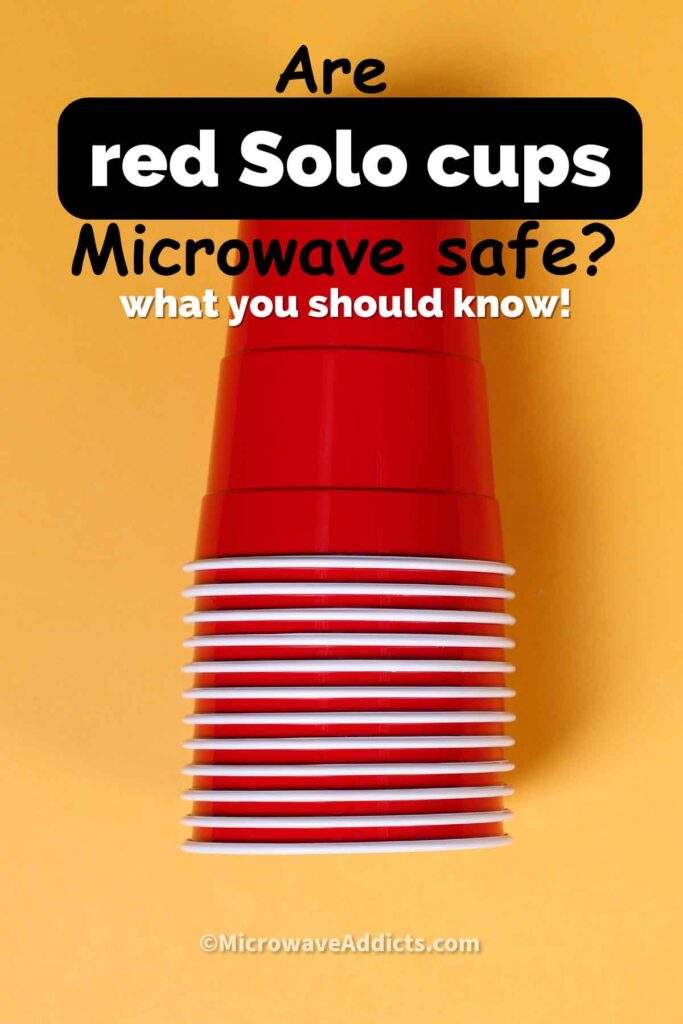
Most classic Solo Cups are not microwave safe. The standard red Solo cup is polystyrene and will soften, warp, or melt under microwave heat. Heating can also release small amounts of styrene, a chemical of concern.
Some Solo-brand disposables made from polypropylene may be labeled microwave safe. Always check the bottom of the cup for a microwave-safe icon or the PP (5) code and manufacturer guidance. When you ask are solo cups microwave safe, remember the answer depends on the specific cup type. If there’s no label, do not microwave the cup.

Health risks and chemical concerns
Heating plastics can increase migration of chemicals into food and drink. Polystyrene can leach styrene, especially with hot, fatty, or acidic beverages. Styrene has been studied for potential health effects and is treated with caution by regulators.
Regulatory bodies allow some use of polystyrene for food contact, but they usually warn against repeated or high-heat exposure. Microwave exposure raises temperature and can increase chemical release. For safety, avoid microwaving polystyrene cups or using them for very hot liquids.
Practical tips if you must heat liquids in a Solo cup
If you must microwave in a disposable cup, follow these steps:
- Check the bottom for a microwave-safe symbol or PP (5) recycling code.
- Heat in short bursts of 10 to 15 seconds and stir between bursts.
- Avoid heating fatty foods or acidic drinks in plastic cups.
- Watch for warping or soft spots; stop heating if you see them.
- Use a microwave-safe plate underneath to catch spills.
These steps lower risk but do not guarantee safety. When in doubt, transfer to glass or ceramic.
How to tell if your Solo cup is microwave safe
Look at the cup base for visual clues:
- Microwave-safe symbol: safe for microwave use.
- Recycle code 5 (PP): often microwave safe for short use.
- Recycle code 6 (PS): usually not microwave safe.
- Manufacturer markings: follow guidance on packaging.
If you can’t find clear markings, assume the answer to are solo cups microwave safe is no. Don’t test by trial and error with hot drinks; err on the side of caution.
Better alternatives to microwaving Solo cups
Choose safer options for heating:
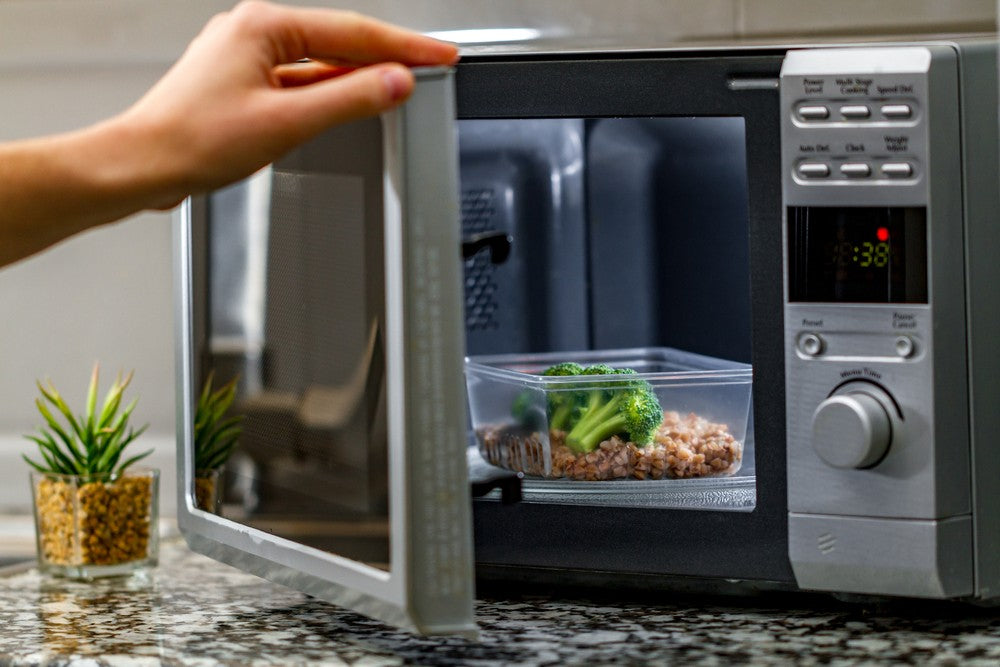
- Glass bowls and cups labeled microwave-safe.
- Ceramic mugs without metallic paint.
- Silicone containers rated for microwave use.
- Polypropylene (PP) reusable containers marked microwave safe.
These alternatives reduce risk of warping and chemical migration. They are affordable and easy to clean.
Personal experience and lessons learned
Once at a tailgate I microwaved coffee in a red disposable cup. The cup warped and a hot splash burned my hand. I learned to always transfer hot drinks to glass. Over time I switched to a microwave-safe travel mug. That small habit change prevented reheating mishaps and worry about chemicals.
From testing different cups, I found that short bursts in PP cups were usually fine, but polystyrene never behaved well. My rule now: if the cup isn’t marked microwave safe, don’t use it.
Frequently Asked Questions of are solo cups microwave safe
Are all Solo cups microwave safe?
No. Most classic Solo cups are polystyrene and not microwave safe. Only some cups made from polypropylene and labeled microwave safe can go in the microwave.
Can microwaving Solo cups release harmful chemicals?
Yes. Microwaving certain plastics, especially polystyrene, can increase the release of chemicals like styrene. Heat and fatty or acidic foods increase that risk.
How can I tell if my Solo cup is microwave safe?
Check the bottom for a microwave-safe symbol or the recycling code 5 (PP). If there are no clear markings, assume it is not microwave safe.
Is it safe to microwave cold liquids in a Solo cup?
Cold liquids that are simply warmed slightly still expose the cup to heat. If the cup is not microwave safe, even small heating can cause warping or chemical migration. Use a microwave-safe container instead.
Can I put a red Solo cup in the microwave for 10 seconds?
It’s not recommended. Red Solo cups are usually polystyrene and can soften or leach chemicals even with short heating. Transfer the drink to a microwave-safe mug.
Are disposable Solo cups safe for hot drinks?
Disposable polystyrene cups can be used for hot drinks briefly, but they may get soft and are not ideal for extended exposure to heat. For very hot liquids, use a cup designed for heat.
Conclusion
Most Solo Cups are not microwave safe, and heating them can warp the cup or raise health concerns. Check for microwave-safe labels, use PP (5) containers when possible, and favor glass, ceramic, or silicone for reheating. Small habits like transferring drinks and using the right container will keep you safer and reduce waste. Try swapping disposable cups for a microwave-safe mug and see how much simpler reheating becomes. If you found this useful, leave a comment or subscribe for more practical safety tips and testing insights.

Appliance Review Expert
Lucas Ramirez is a trusted voice at HomeFixGrid.com, known for his clear, practical, and creatively written guides that simplify appliance care for everyday homeowners. With a strong focus on hands-on testing and real-world problem-solving, Lucas brings expert insight into appliance reviews and troubleshooting techniques. Her work empowers readers to confidently maintain, repair, and choose the right appliances for their homes.
Leave a Reply