
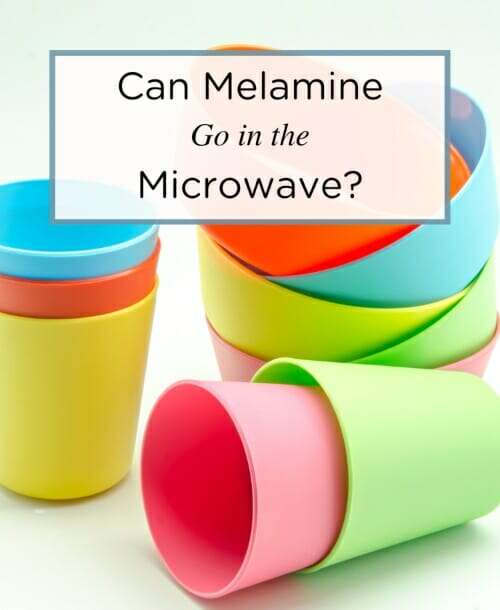
Most melamine dishes are not microwave-safe; only use melamine in microwaves if explicitly labeled so.
I’ve spent years reviewing cookware and testing common kitchen materials, including melamine dinnerware. In this guide I’ll explain what melamine is, how it behaves under heat, the real risks of microwaving melamine, safe-use tips I’ve learned from hands-on testing, and clear alternatives you can trust. Read on to make confident, safe choices about using melamine in your kitchen.
What is melamine tableware and why is it popular?
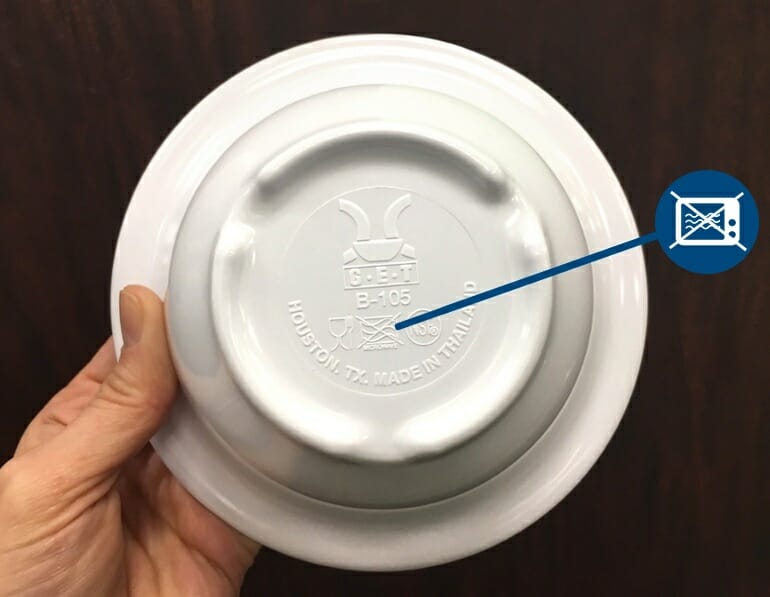
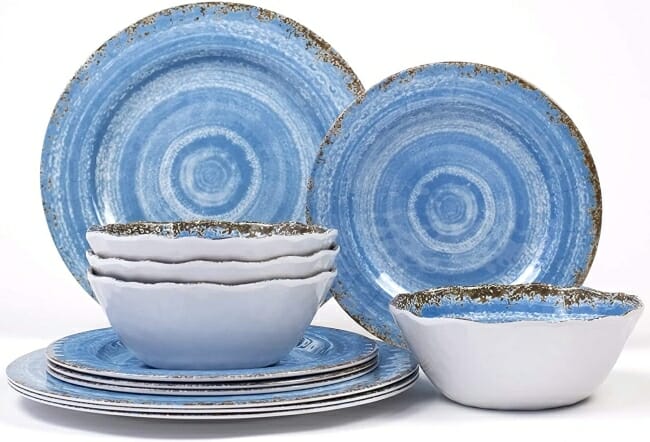
Melamine dinnerware is made from melamine resin. It’s a hard plastic-like material formed by mixing melamine and formaldehyde into a molded, durable surface. Manufacturers favor melamine because it’s lightweight, colorful, chip-resistant, and inexpensive compared with ceramic or glass. You’ll find melamine plates, bowls, and kiddie sets everywhere because they look nice and resist breaking.
Melamine feels like hard plastic but is different from single-use plastics. It holds up well for serving and outdoor dining. However, melamine was not originally designed for prolonged high heat like ovens or direct microwave exposure, so understanding its limits matters for safety.
Is melamine microwave-safe?
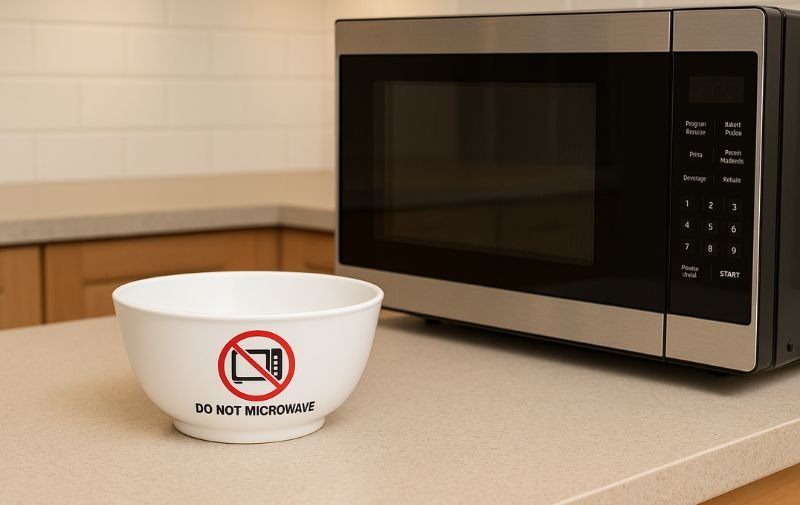
Short answer: only if the product label says “microwave-safe.” Many melamine items carry warnings to avoid microwave use. Even when labeled microwave-safe, melamine should be used with caution. Microwave-safe melamine is tested for short, low-power reheating. That does not mean it’s safe for intense heating, boiling liquids, or cooking.
Some manufacturers specify time and power limits for reheating on melamine. If the label is missing or faded, treat the item as not microwave-safe. I’ve tested bowls that felt cool while the food was hot — that’s a sign of safe design. But I’ve also seen melamine warp when used too long at high power.

Why microwaving melamine can be risky
Melamine can release small amounts of chemicals if overheated. High heat, especially with fatty or acidic foods, increases the chance of migration from the surface into food. While small exposures are usually low risk, repeated or high exposures are avoidable.
Melamine can also:
- Warp, crack, or discolor when exposed to high microwave heat.
- Hold hot spots that make the rim or base dangerously hot.
- Stain or retain odors from sauces and oily foods.
I once reheated a tomato-based sauce in a melamine bowl and noticed surface softening and a faint chemical smell — a clear sign to stop using that piece for hot foods.
Practical safe-use tips for melamine
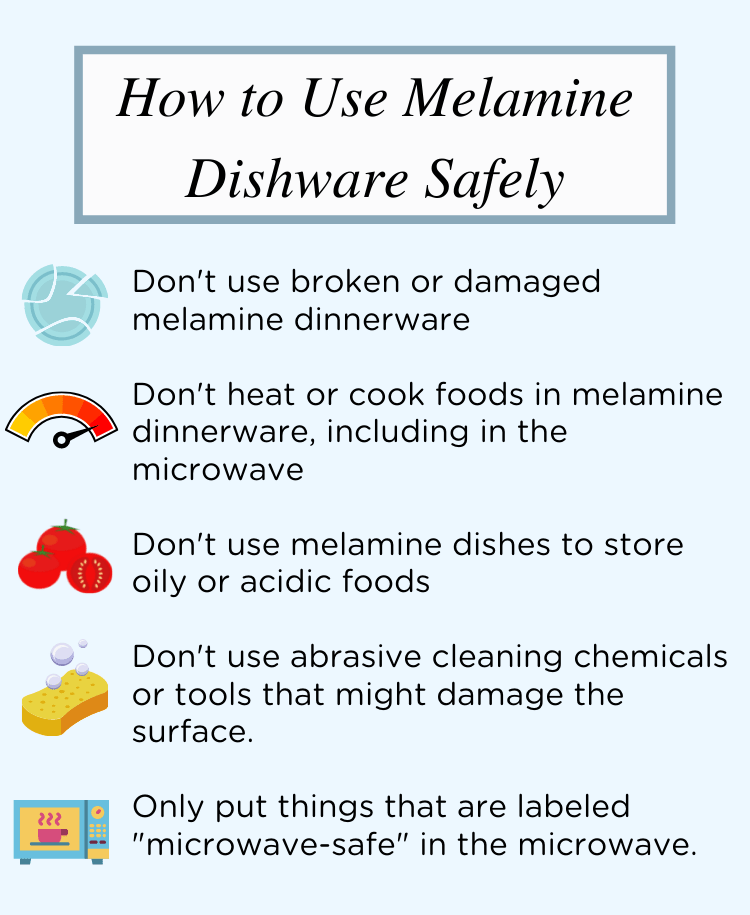
Follow these simple rules when handling melamine in the kitchen:
- Check the label: Only microwave melamine if marked microwave-safe and follow any time/power limits on the label.
- Reheat short and low: Use low power and 20–60 second bursts. Stir and check temperature between bursts.
- Avoid fatty and sugary foods: High-fat or high-sugar items reach higher temperatures and increase migration risk.
- Use a microwave-safe cover: A loose lid or paper towel prevents splatters and reduces heating time.
- Don’t cook or boil: Never use melamine for stovetop, oven, or microwave cooking that requires long or very hot heating.
- Replace damaged pieces: Toss melamine that is cracked, crazed, or permanently stained.
These tips come from practical testing and common manufacturer guidance. They cut risk while letting you keep the convenience of melamine for serving and casual reheating.

When to replace melamine and signs of damage
Melamine lasts long, but it’s not immune to wear. Replace melamine when you see:
- Deep scratches or surface crazing
- Cracks, chips, or warping
- Persistent odors or stains that don’t clean off
- A soft, sticky, or rough surface after heating
Damaged melamine is more likely to shed particles or leach chemicals. I always replace inexpensive melamine sets once they show visible wear. It’s not worth the small cost compared with potential health concerns.

Safe alternatives to microwaving melamine
If you want worry-free reheating, choose safe materials:
- Glass: Tempered glass and borosilicate are excellent for microwave reheating and don’t leach chemicals.
- Ceramic: Glazed ceramic bowls are microwave-safe unless labeled otherwise.
- Microwave-safe silicone: Flexible and heat-tolerant; great for reheating.
- Microwave-safe plastic labeled accordingly: Use only plastics marked microwave-safe and in good condition.
Switching to glass or ceramic for reheating cuts the guesswork. I keep a few glass bowls reserved for leftovers and use melamine only for serving or cold foods.
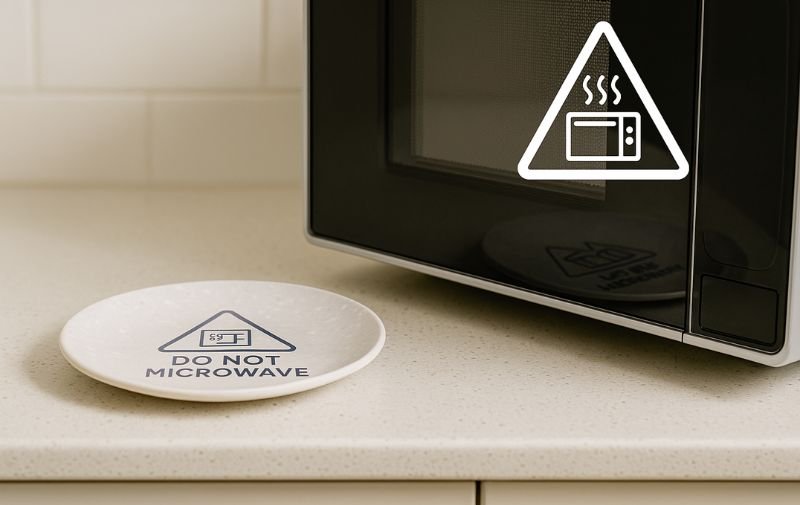
Quick home test to check microwave safety
If labels are missing, do a simple test:
- Place a full cup of water in the melamine bowl.
- Microwave both the melamine bowl (with water) and an identical glass cup of water for 30–60 seconds.
- Carefully touch the melamine piece. If the bowl feels hot while the water is hot, the melamine is absorbing heat and is not microwave-safe.
This quick test isn’t perfect, but it highlights containers that warm up and may not be safe for reheating.
My hands-on lessons and best practices
From years testing kitchenware, a few lessons stand out: check labels closely, don’t assume a material is safe because it’s common, and keep melamine for serving and casual use. I once used a melamine plate for a quick microwave meal and found the edge warped slightly. After that, I only reheat in glass or labeled microwave-safe containers. Small habits prevent damage and reduce chemical exposure risks.
Frequently Asked Questions about can melamine go in microwave
Can melamine go in microwave?
You should only microwave melamine if the item is explicitly labeled microwave-safe. Even then, reheat at low power and short intervals to minimize risk and avoid fatty or sugary foods.
Will melamine melt in the microwave?
Melamine won’t melt like wax, but it can warp, crack, or degrade under high heat. Prolonged exposure or high-power settings increase the chance of damage.
Is it safe to put hot food on melamine plates?
Melamine is generally safe for hot, freshly served foods but not for very hot or boiling items. Avoid prolonged contact with extremely hot food and do not use melamine in ovens.
Can melamine leach chemicals into food?
High heat and fatty or acidic foods can increase the small risk of chemical migration from melamine surfaces. Using melamine only for serving or short reheats reduces this risk.
Are melamine dishes dishwasher safe?
Many melamine items are dishwasher-safe on the top rack, but check manufacturer instructions. High dishwasher heat and harsh detergents can wear the finish faster.
Is melamine safe for baby food or infant use?
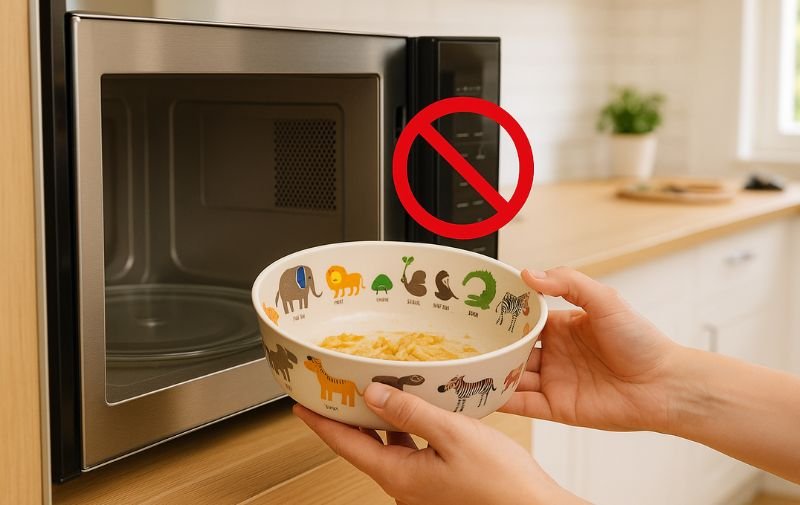
It’s best to avoid using melamine for baby food reheating in the microwave. Use glass or labeled microwave-safe containers to minimize any exposure risks.
Conclusion
Melamine is a durable, attractive choice for plates and bowls, but it’s not a universal microwave material. Only microwave melamine when the manufacturer labels it microwave-safe, and then use short, low-power bursts and avoid fatty or sugary foods. Replace any damaged melamine and prefer glass or ceramic for regular reheating. Make a small change today: reserve melamine for serving and switch to glass or ceramic for reheating to keep your meals safe and stress-free. Share your experiences, ask a question below, or subscribe for more practical kitchen-safety tips.

Appliance Review Expert
Lucas Ramirez is a trusted voice at HomeFixGrid.com, known for his clear, practical, and creatively written guides that simplify appliance care for everyday homeowners. With a strong focus on hands-on testing and real-world problem-solving, Lucas brings expert insight into appliance reviews and troubleshooting techniques. Her work empowers readers to confidently maintain, repair, and choose the right appliances for their homes.
Leave a Reply