

Yes — you can cook salmon in a microwave safely and quickly with the right method.
I have cooked salmon in a microwave many times, at home and during busy workdays, and I’ll walk you through why can you cook salmon in a microwave, when it makes sense, how to do it right, and how to avoid mistakes. This guide blends practical tips, food-safety notes, and my real-life experience so you can get tasty salmon fast without guessing.

Why cook salmon in a microwave?
Microwaves save time and cut clean-up. When you ask "can you cook salmon in a microwave," the main draw is speed. A fillet can be ready in 3 to 5 minutes.
Microwaving is great for single portions, quick lunches, and when you want a moist result without turning on the oven. It is not always the best method for crisp skin or deep searing, but it works well for many meals.
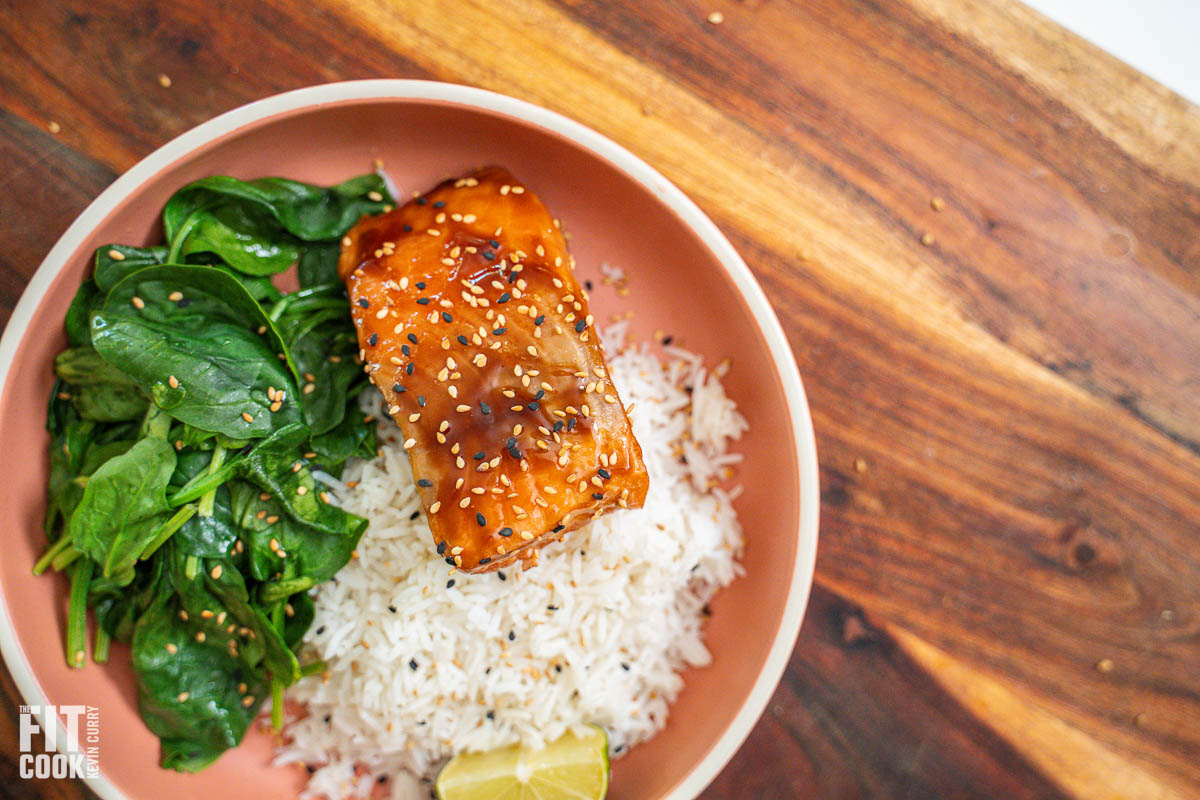
Is it safe to cook salmon in a microwave?
Yes, cooking salmon in a microwave can be safe when you follow basic food-safety rules. The USDA recommends cooking fish to an internal temperature of 145°F for full safety, though many chefs prefer 125–130°F for medium doneness.
Microwave cooking must reach a safe internal temperature and avoid cold spots. Covering the fish and allowing a short resting time helps heat distribute evenly and finishes the cooking process.

How to cook salmon in a microwave: step-by-step
This clear method will help you get a well-cooked fillet without overcooking.
- Prep the fillet
- Pat the salmon dry with a paper towel.
- Season simply with salt, pepper, lemon juice, or a light sauce.
- Use the right dish
- Place salmon in a microwave-safe dish with the thicker side toward the outside edge.
- Add a splash of water, broth, or olive oil to keep it moist.
- Cover the fish
- Cover with a microwave-safe lid, plate, or microwave-safe plastic wrap (leave a small vent).
- Covering creates steam and prevents drying.
- Cook by power and time
- For a 1000-watt microwave, cook on high 3 to 4 minutes for a 6-ounce fillet.
- If your microwave is weaker or the fillet is thicker, add 30-second bursts until done.
- Check doneness
- Use an instant-read thermometer. Aim for 145°F for well-done or 125–130°F for medium.
- The flesh should flake easily but remain moist.
- Rest the salmon
- Let it sit covered for 1 to 2 minutes after microwaving. Resting evens out the heat and finishes cooking.
I often cook a small fillet for lunch this way. My rule: cook in short bursts and test early to avoid a dry result.

Tips for best results when you ask can you cook salmon in a microwave
- Choose even-thickness fillets for consistent cooking.
- Use a microwave-safe cover to trap steam.
- Add liquid under or around the fish to prevent dryness.
- Rotate or reposition the dish if your microwave has hot spots.
- Start with slightly undercooked; carryover heat will finish cooking during the rest.
- Use flavored liquids like broth, soy sauce, or citrus for extra taste.
- For skin-on fillets, remove the skin first if you want a softer result; the skin won’t crisp in a microwave.
These small steps make the difference between a bland, dry fillet and a quick, tasty meal.

Common mistakes to avoid
- Overcooking by relying on a single long burst. Short bursts avoid a dry texture.
- Not covering the fish; uncovered salmon tends to dry out.
- Using uneven fillets that cook unevenly. Trim or fold thick ends to match thinner parts.
- Skipping the thermometer; visual checks can mislead you.
- Expecting crispy skin. Microwaving will not give a crisp sear.
From my experience, the most common error is overcooking on the first attempt. Start conservatively and test.
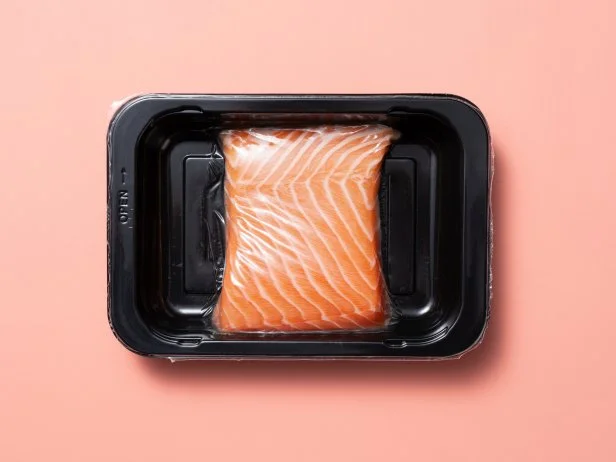
Texture, nutrition, and taste when you microwave salmon
Microwave-cooked salmon stays moist and often retains nutrients well because cooking time is short. The flavor is clean and mild.
You won’t get a crispy skin or the smoky notes of a grill, but you will preserve omega-3 fats and protein. For salads, bowls, or quick dinners, microwave salmon is a solid, healthy option.
When you should not use a microwave for salmon
- When you want crispy skin or charred flavor.
- For large cuts or whole fish; ovens or grills are better.
- When feeding many people at once; ovens are more efficient for volume.
- If you can’t test internal temperature easily; inconsistent microwaves can cause uneven cooking.
If you need texture or presentation that shines, pick another cooking method.
Frequently Asked Questions of can you cook salmon in a microwave
Can you cook salmon in a microwave without drying it out?
Yes. Use a cover, add a bit of liquid, and cook in short bursts. Rest the fish for a minute or two to let the heat even out.
How long does it take to cook salmon in a microwave?
A typical 6-ounce fillet takes about 3 to 4 minutes on high in a 1000-watt microwave. Thicker fillets need extra 30-second intervals.
Is microwaved salmon healthy?
Yes. Microwaving is quick and preserves nutrients well. Avoid heavy sauces to keep the meal light and healthy.
Can you microwave frozen salmon?
You can, but thawing first gives better texture. If cooking from frozen, increase time and check temperature frequently to avoid cold spots.
Will microwaving salmon kill bacteria?
Proper cooking to the recommended temperature will kill harmful bacteria. Use a thermometer to confirm a safe internal temperature.
Conclusion
Cooking salmon in a microwave is a fast, practical option when you want a healthy meal with minimal fuss. With the right prep, covering, timing, and a quick temperature check, microwaved salmon can be moist, flavorful, and safe. Try it for simple lunches or weeknight dinners, and practice short bursts to perfect the timing for your microwave. Share your experience or questions below, subscribe for more easy cooking tips, or try one of the methods here tonight.

Appliance Review Expert
Lucas Ramirez is a trusted voice at HomeFixGrid.com, known for his clear, practical, and creatively written guides that simplify appliance care for everyday homeowners. With a strong focus on hands-on testing and real-world problem-solving, Lucas brings expert insight into appliance reviews and troubleshooting techniques. Her work empowers readers to confidently maintain, repair, and choose the right appliances for their homes.
Leave a Reply