Can You Microwave An Avocado To Ripen It: Safe Tips
You can microwave an avocado to ripen it only in texture, not in true flavor or quality.
If you need soft avocado for toast, guacamole, or a sauce, microwaving may seem like a fast fix. However, heat does not copy the natural ripening process. This guide explains what happens when you microwave an avocado, how to soften one safely, and which methods work better.
Can you microwave an avocado to ripen it?
The short answer is no. You can microwave an avocado to make it feel softer, but you cannot microwave an avocado to ripen it in the true sense.
Ripening is a natural process. After harvest, an avocado releases ethylene gas, a plant hormone that changes its firm flesh into soft, creamy flesh. During this process, the fruit develops better flavor, aroma, and texture.
A microwave adds heat in seconds. It may break down some cell structure and make the avocado seem ready to eat. Yet the inside may still taste bland, bitter, or grassy. Think of it as warming a hard peach. It may feel softer, but it is not the same as a naturally ripe peach.

What happens when you microwave an avocado?
Microwaves heat water molecules inside food. Since avocados contain water and fat, they can warm quickly. The heat may soften the flesh, but it does not create the full chemical changes linked to natural ripening.
A heated avocado may show these changes:
• The flesh feels softer when pressed.
• The color may become slightly dull or brown.
• The texture may turn uneven or mushy.
• The flavor may remain mild, bitter, or unripe.
• The fruit may become warm and harder to use in fresh dishes.
This explains why you can microwave an avocado to ripen it only as a last-minute texture solution. The microwave does not give the fruit time to develop its best taste.
In kitchen tests and home cooking, the biggest problem is uneven heating. The outer flesh may become hot while the center stays firm. A few extra seconds can then make the edges rubbery or watery.

Why microwaving does not truly ripen an avocado
Natural ripening involves more than softening. Several changes happen at the same time:
• Cell walls break down, which makes the fruit tender.
• Complex carbohydrates change into simpler sugars.
• The flavor becomes richer and more balanced.
• The flesh develops its familiar buttery texture.
• Natural oils and aroma compounds become easier to taste.
Microwave heat mainly affects texture. It does not provide the slow time needed for these flavor changes. This is why a microwaved avocado can look ready but still taste like an unripe avocado.
Research on climacteric fruits shows that ethylene plays a key role in ripening. Avocados are climacteric fruits, which means they can continue ripening after harvest. Heat alone cannot replace that biological process.
So, can you microwave an avocado to ripen it? You can soften it, but you cannot turn a truly unripe avocado into a fully ripe one.

How to microwave an avocado when you need it soft
Sometimes dinner is already on the table, and the avocado is still firm. If you only need a softer texture, use gentle heat and realistic expectations.
Do not microwave a whole avocado with the pit still inside. Whole foods can heat unevenly, and trapped steam may create pressure. Cutting the avocado first gives heat a safer path and lets you check the texture.
A safer microwave method
-
Cut the avocado in half lengthwise.
-
Remove the pit with care.
-
Scoop the flesh from the skin.
-
Place the pieces in a microwave-safe dish.
-
Cover the dish with a microwave-safe lid or a damp paper towel.
-
Heat at medium power for 15 seconds.
-
Check the texture and repeat in 10-second intervals if needed.
-
Let the avocado cool before tasting or mixing it into a recipe.
Do not use aluminum foil, metal containers, or non-microwave-safe plastic. Avoid sealing the avocado in an airtight container because steam needs room to escape.
This method may help with mashed avocado, a blended dressing, or a cooked dish. It is not a good choice for avocado slices that you want to serve fresh.

Better ways to ripen an avocado
If you have time, natural ripening gives much better results. Keep the avocado at room temperature, away from direct sunlight.
A firm avocado often needs two to five days, though timing varies by type, harvest stage, and storage conditions. Check it once each day by gently pressing near the stem end. Do not squeeze the middle, since repeated pressure can cause bruises.
Use a paper bag
Place the avocado in a plain paper bag and fold the top closed. The bag traps some natural ethylene gas while still allowing airflow.
For faster results, add a ripe banana or apple. These fruits also release ethylene, which may help the avocado soften sooner. This method does not force instant ripening, but it can shorten the wait.
Keep it on the counter
Countertop storage is best for a hard avocado. Refrigeration slows ripening, so do not chill it before it becomes soft enough to eat.
Once ripe, place the avocado in the refrigerator. Cold storage can help preserve its quality for a few extra days.
Avoid plastic bags
A sealed plastic bag can trap moisture. That may encourage condensation, mold, or unpleasant odors. A paper bag is a better choice because it balances gas retention with airflow.
How to tell when an avocado is ripe
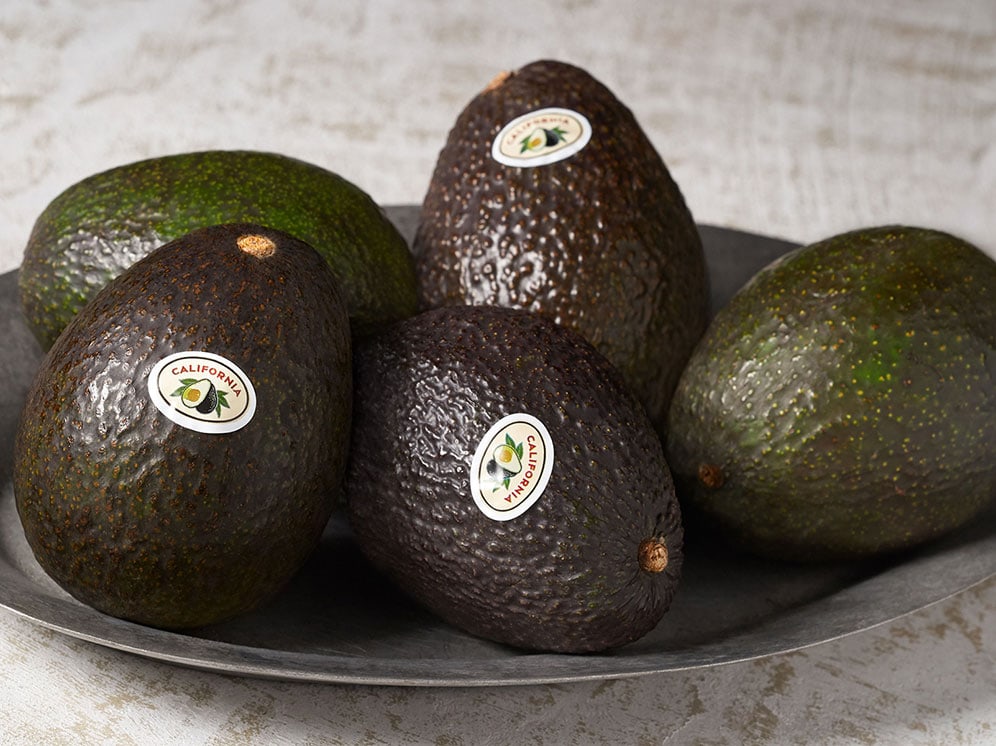
Color can offer a clue, but it is not a perfect test. Some varieties remain green even when ripe, while others turn dark purple or nearly black.
Use several signs together:
• The avocado should feel slightly soft under gentle pressure.
• The skin should look full and free from deep sunken spots.
• The stem cap may come away with light pressure.
• The area under the stem may look green or yellow-green.
• The fruit should smell fresh, mild, and slightly nutty.
If the flesh under the stem looks brown, the avocado may be overripe in that area. Cut it open to inspect the rest before discarding it.
A ripe avocado should have smooth, creamy flesh. Small brown spots may be harmless bruises, but widespread dark flesh, a sour smell, or visible mold means the fruit should be thrown away.

Can you microwave an avocado without cutting it?
It is best not to microwave a whole avocado. The fruit may heat unevenly, and steam can build inside areas that do not release heat well.
If you must use the microwave, cut the avocado in half, remove the pit, and place the flesh in a microwave-safe dish. Short heating periods are safer than one long cycle.
Do not microwave an avocado in its skin for a long time. The skin can become hot before the flesh softens, and the final texture may be poor.
Can microwaving change avocado nutrition?
Microwaving can change the texture and may reduce some heat-sensitive nutrients. Still, a short microwave cycle does not make avocado unsafe or nutritionally worthless.
Avocados provide monounsaturated fat, fiber, potassium, folate, and vitamin E. The amount lost during brief heating is likely smaller than the difference between eating the avocado and throwing it away.
The larger concern is quality. High heat can make the fruit watery, rubbery, or bitter. If nutrition and taste matter, natural ripening remains the better option.
The U.S. Department of Agriculture and food safety experts generally recommend using safe containers, even heating, and proper temperature control when microwaving food. These principles also apply to avocado.

Best recipes for a microwaved avocado
A microwaved avocado is most useful when it will be mashed, blended, or cooked. The texture matters less in these recipes.
Try softened avocado in:
• Guacamole with lime, onion, cilantro, and salt.
• A creamy avocado dressing.
• A smoothie with banana and yogurt.
• A warm grain bowl.
• A blended pasta sauce.
• A spread mixed with hummus.
• A soup garnish added just before serving.
Avoid using microwaved avocado for elegant slices, salads, or avocado toast. Heat can dull the color and remove the fresh quality that makes these dishes appealing.
One practical lesson is to match the fruit to the recipe. A slightly firm avocado may work well in diced salsa, while a softened one may work better in a sauce. The microwave should be viewed as a rescue tool, not a ripening tool.

Common mistakes to avoid
Several simple mistakes can make the result worse.
• Microwaving the whole avocado can create uneven heat and possible pressure.
• Heating it too long can make the flesh rubbery or watery.
• Using high power can scorch the edges before the center softens.
• Sealing the fruit in plastic can trap steam.
• Expecting microwave heat to improve flavor can lead to disappointment.
• Leaving cut avocado at room temperature for too long can increase food safety risks.
If you use only a small amount, microwave it in short bursts and stir or turn the pieces between intervals. Let the fruit cool before adding salt, lime, or other ingredients.
How to store a ripe avocado
Store a whole ripe avocado in the refrigerator. The cool temperature slows further softening and can help preserve the fruit.
For cut avocado, brush the exposed flesh with lemon or lime juice. Press plastic wrap directly against the surface or use an airtight food container. Refrigerate it and use it as soon as possible.
The brown color that develops after cutting is mainly caused by oxidation. It does not always mean the avocado has spoiled. However, a sour odor, slimy surface, mold, or unusual taste indicates that it should not be eaten.
Do not rely on the microwave to save an avocado that has already spoiled. Heat may warm it, but it will not remove toxins or make unsafe food safe.
Frequently Asked Questions
Can you microwave an avocado to ripen it in one minute?
You can microwave an avocado to soften its texture in short bursts, but one minute will not naturally ripen it. Longer heating may make the flesh hot, rubbery, or unevenly soft.
Is it safe to microwave a whole avocado?
Microwaving a whole avocado is not recommended because it can heat unevenly and may trap steam. Cut it open, remove the pit, and use a microwave-safe dish if softening is necessary.
Does microwaving an avocado make it taste ripe?
No. Microwaving can make firm flesh feel softer, but it does not create the rich flavor and creamy texture of a naturally ripe avocado.
How long does an avocado take to ripen naturally?
A firm avocado commonly takes two to five days at room temperature. Placing it in a paper bag with a ripe banana or apple may help it soften sooner.
Can you eat an avocado that was microwaved?
Yes, if it was fresh and heated safely in a microwave-safe dish. Let it cool, inspect the texture, and use it in mashed or blended recipes for the best result.
Should you refrigerate an unripe avocado?
No. Refrigeration slows the ripening process. Keep an unripe avocado on the counter, then refrigerate it after it becomes ripe.
Conclusion
You can microwave an avocado to soften it, but you cannot microwave an avocado to ripen it fully. Natural ripening creates the best flavor, aroma, and creamy texture, while microwave heat only changes the feel of the flesh.
For the best results, use a paper bag and room-temperature storage when you can wait. If you need a quick fix, cut the avocado, heat it gently in short bursts, and use it in guacamole, sauces, smoothies, or cooked dishes.
Choose the method that fits your recipe, and share your favorite avocado-ripening tip or recipe in the comments.

Appliance Review Expert
Lucas Ramirez is a trusted voice at HomeFixGrid.com, known for his clear, practical, and creatively written guides that simplify appliance care for everyday homeowners. With a strong focus on hands-on testing and real-world problem-solving, Lucas brings expert insight into appliance reviews and troubleshooting techniques. Her work empowers readers to confidently maintain, repair, and choose the right appliances for their homes.