Does A Spring Mattress Need A Box Spring: Complete Guide
Most spring mattresses do not need a box spring, but they do need a firm, compatible support base.
The answer depends on the mattress design, bed frame, and warranty rules. After comparing traditional innerspring beds, modern hybrids, box springs, foundations, and slatted frames, I have found that support matters more than the name “box spring.” This guide explains when a spring mattress needs one, what to use instead, and how to avoid sagging, noise, and damage.

What Is a Spring Mattress?
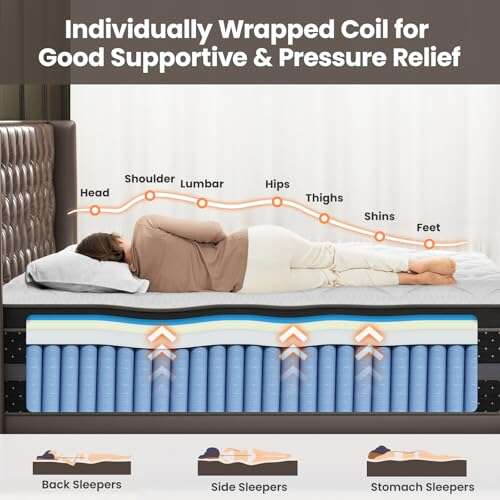
A spring mattress uses metal coils to support your body. These coils may connect as one unit, or they may work as separate pocketed coils. Many beds also include foam, fiber, or a pillow top above the springs.
There are two main types:
• Traditional innerspring mattresses use connected coils, often with a thin comfort layer.
• Hybrid mattresses use pocketed coils with thicker foam or latex layers.
A traditional spring mattress may work with a box spring. A hybrid mattress often needs a solid foundation or platform bed instead. Always check the mattress label and care guide first.
The phrase “spring mattress” does not describe one single build. That is why the answer to “does a spring mattress need a box spring” is not the same for every bed.

Does a Spring Mattress Need a Box Spring?
Usually, no. A spring mattress does not always need a box spring, but it does need even support across its full surface.
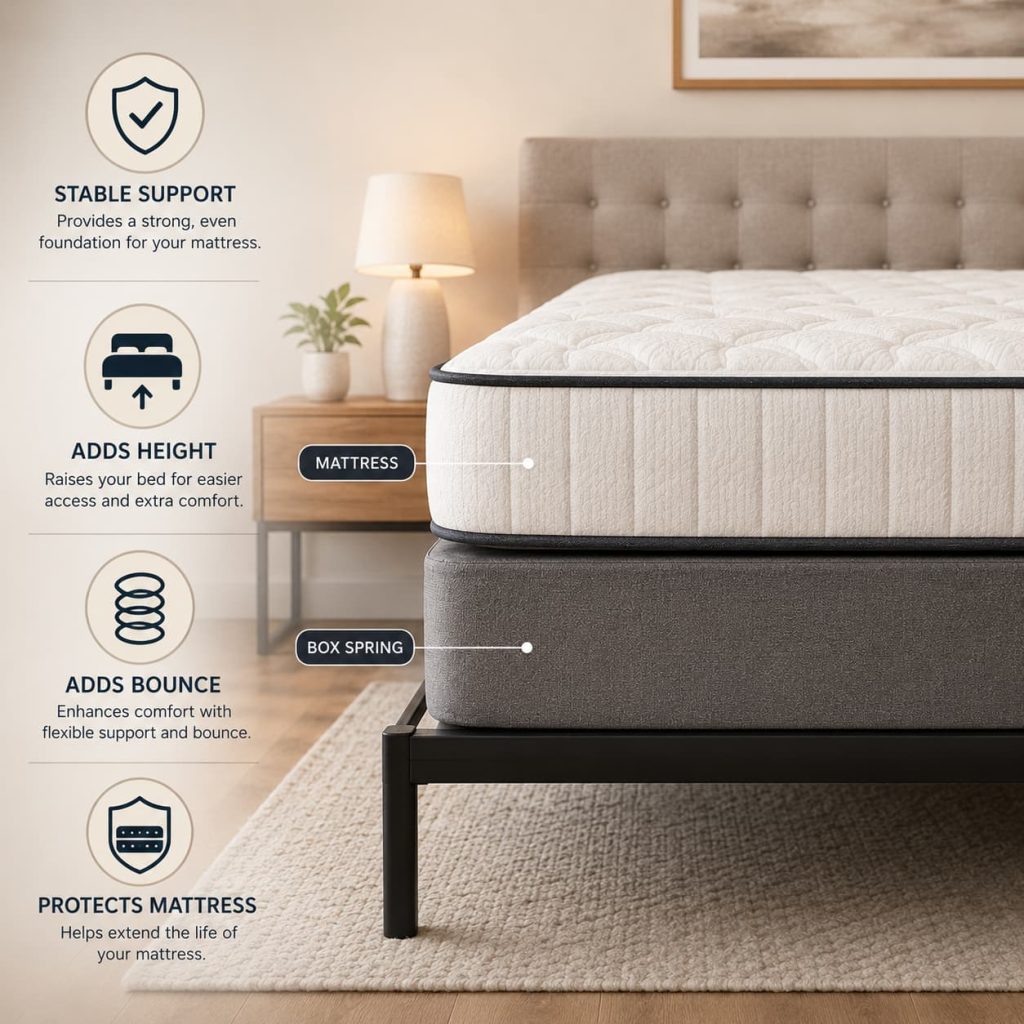
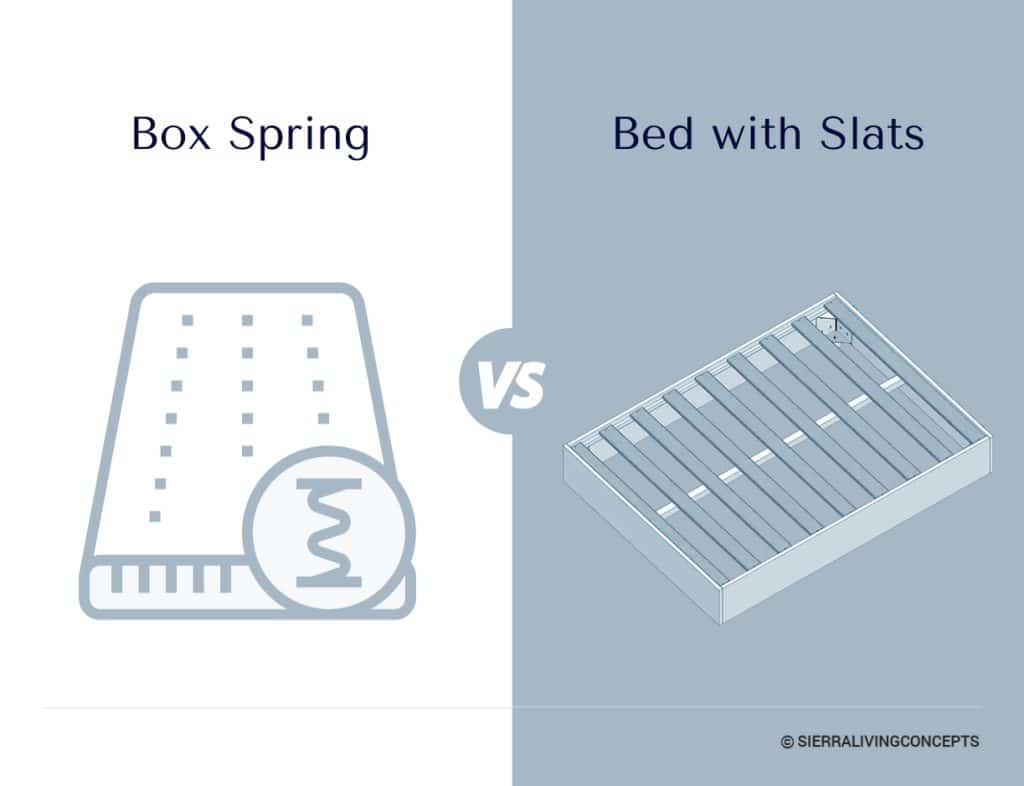
A box spring is one type of support base. Modern box springs often contain a wooden or metal frame with springs inside, while some products sold under that name are really rigid foundations. These bases can raise the mattress and add support, but they are not required for every spring mattress.
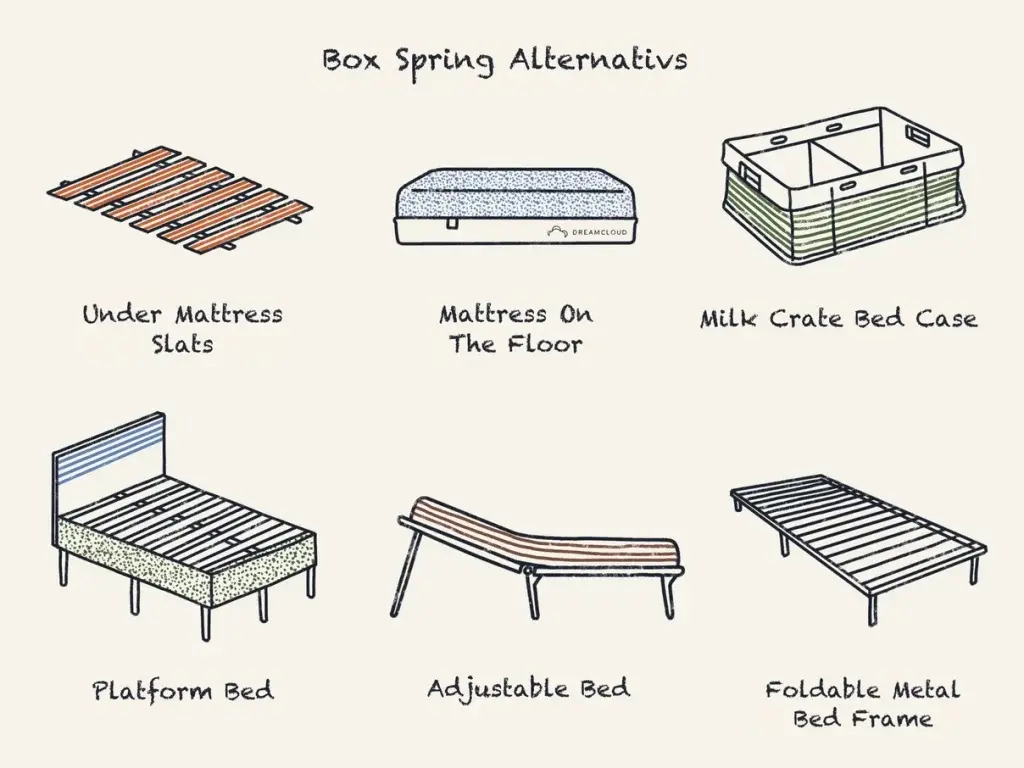
A spring mattress can often sit on:
• A platform bed
• A slatted bed frame
• A solid foundation
• An adjustable base, if the mattress allows it
• A traditional box spring, when the design is compatible
The key factors are the space between slats, the strength of the frame, and the mattress maker’s instructions. If the surface bends, shifts, or leaves gaps, the mattress may wear unevenly.
So, does a spring mattress need a box spring? It needs proper support, but a box spring is only one possible option.

When a Box Spring Makes Sense
A box spring can be a useful choice in several situations. It is especially helpful with older innerspring mattresses designed to work with flexible support.
A box spring may suit your bed if:
• Your mattress instructions recommend one.
• Your metal bed frame is built for a box spring.
• You want more height for easier entry and exit.
• You prefer a little flex under a traditional innerspring mattress.
• Your existing box spring is clean, level, and structurally sound.
Height is often the biggest benefit. A low mattress can make getting out of bed hard, especially for older adults or people with knee or hip pain. Adding a box spring can create a more comfortable sitting height.
However, flexibility is not always helpful. Many modern hybrids have thick foam layers that need a firm base. Too much movement below them can reduce comfort and may affect the mattress warranty.
When You Should Not Use a Box Spring
A box spring may be the wrong choice for a modern mattress. This is common with memory foam hybrids, latex hybrids, and many mattresses with pocketed coils.
Avoid a traditional flexible box spring when:
• The mattress maker requires a solid foundation.
• The mattress contains thick memory foam or latex.
• The box spring has broken or weak springs.
• The surface sags in the center.
• The support gaps are wider than the warranty allows.
• The mattress feels unstable or moves too much.
A worn box spring can look fine from the outside but fail inside. In one common setup, the mattress feels soft in the middle even though the comfort layers are still in good shape. Replacing the mattress alone may not fix the problem.
This is one reason the question “does a spring mattress need a box spring” should include the condition of the box spring. A damaged support base can shorten mattress life.

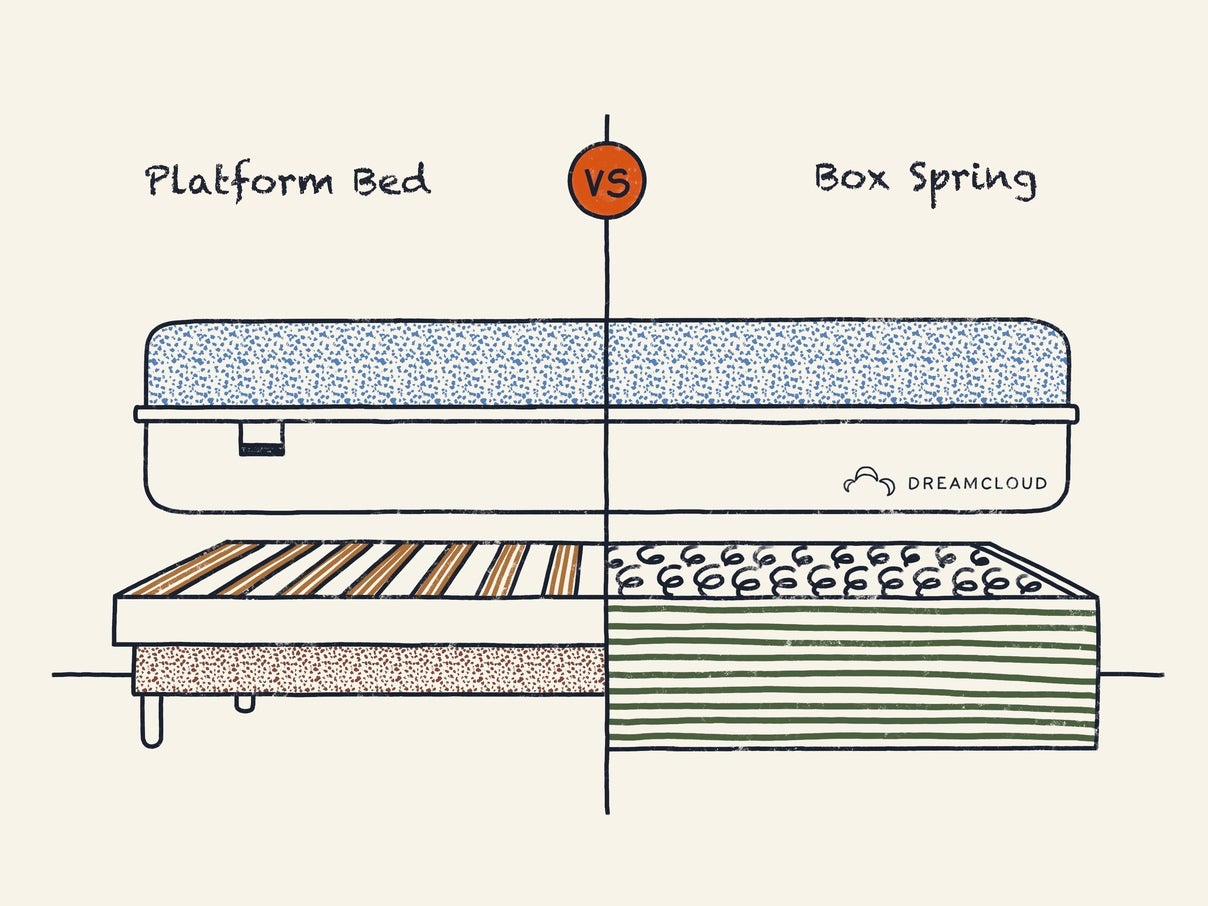
Box Spring vs. Foundation vs. Platform Bed
These terms are often used as if they mean the same thing. They do not.
Box spring
A box spring usually has a frame and spring units inside. It may provide some bounce and absorbs part of the movement from the sleeper. Older mattresses often pair well with this type of support.
Foundation
A foundation is usually more rigid. It may contain closely spaced wooden slats, a solid deck, or a strong metal frame. Many current mattresses require this style because it limits bending.
Platform bed
A platform bed has a built-in support surface. It may use wood slats, metal slats, or a solid panel. Some platform beds support a mattress directly, so no separate box spring is needed.
Bunkie board
A bunkie board is a thin, firm panel placed between a mattress and a bed frame. It can reduce gaps between slats, but it must be strong enough for the mattress and sleepers.
When comparing a box spring and foundation, focus on firmness, spacing, weight capacity, and height. The label matters less than how the base supports the mattress.

How to Check if Your Bed Frame Supports a Spring Mattress
You can inspect your current setup in a few minutes. Remove the bedding and lift the mattress carefully.
Check these points:
-
Look for broken, bowed, or loose slats.
-
Measure the gap between each slat.
-
Confirm that the center support reaches the floor.
-
Check the frame’s weight rating.
-
Look for a level surface from head to foot.
-
Inspect the box spring for crushed edges or sagging areas.
Slat spacing varies by mattress. Some manufacturers allow gaps of up to 4 inches, while others require closer spacing. Foam-heavy mattresses often need tighter spacing than basic innerspring models.
A queen or king frame needs strong center support. Without it, the middle of the mattress can sink. That issue can cause discomfort and may also void a warranty.
If you are unsure, place a straight edge across the frame. Large dips or raised areas show that the support needs repair before you use the mattress.
Can You Put a Spring Mattress on Slats?
Yes, most spring mattresses can rest on slats if the slats are strong and close enough together. The slats must not bend sharply under normal weight.
Wood slats should have solid attachment points. Metal slats should not roll, slide, or spread apart. The frame should also have center rails and legs, especially in queen, king, and California king sizes.
Use a bunkie board or firm foundation if the gaps are too wide. Do not place cardboard or thin plywood over a weak frame and assume the problem is solved. A temporary panel may bend, trap moisture, or crack under pressure.
Does a spring mattress need a box spring when it sits on slats? Not always. A well-built slatted frame can provide all the support it needs.
How Support Affects Comfort and Mattress Life
A mattress does more than hold your body. It also responds to the surface below it. A strong base helps the comfort layers compress in a more even way.
Poor support may lead to:
• A dip in the middle
• Uneven pressure on the hips and shoulders
• More motion transfer
• Squeaking or shifting
• Edge collapse
• Premature wear
A supportive base cannot make a worn mattress new again. It can, however, help a good mattress perform as designed.
In practical testing, the same mattress can feel firmer on a solid foundation and softer on a flexible box spring. Neither feel is automatically better. The right choice depends on the mattress design and your comfort needs.
Support also affects airflow. A raised frame with open space below can help air move around the mattress. A solid base may still work well, but you should follow the maker’s ventilation instructions.
How to Choose the Right Base
Start with the mattress instructions. This is the most reliable step because each brand sets its own support rules.
Then compare these features:
• Compatibility: The base should match the mattress type.
• Slat spacing: Smaller gaps usually provide better support.
• Weight capacity: Include the mattress, sleepers, pets, and bedding.
• Stability: The frame should not rock or slide.
• Height: Choose a height that feels easy to use.
• Warranty requirements: Follow every support condition.
• Ventilation: Allow air to circulate when required.
If you are buying a new mattress, consider buying the recommended foundation at the same time. This reduces uncertainty and makes warranty claims easier.
If you already own a box spring, inspect it before reuse. Press across the surface and check for weak spots. Listen for unusual creaks and look for bent parts. A box spring that has lasted for many years may not offer the same support today.
Common Mistakes to Avoid
Many support problems come from small setup mistakes. These errors are easy to prevent.
• Using wide slats under a foam-heavy hybrid
• Removing the center legs from a queen or king frame
• Placing a mattress on a damaged box spring
• Assuming every box spring has the same design
• Ignoring the mattress warranty
• Using an old frame that is too small
• Stacking multiple unstable bases
• Blocking ventilation with an unsuitable cover or panel
One mistake I often see is buying a new mattress while keeping an old foundation without checking it. The sleeper then blames the mattress for a sag that comes from the base. A quick inspection can prevent that costly cycle.
Another mistake is choosing a box spring only because it adds height. Height matters, but stability and compatibility come first.
Safety, Warranty, and Fire Standards
A properly supported mattress is more than a comfort issue. A weak base can shift during sleep or cause the mattress to slide from the frame.
In the United States, mattresses must meet federal flammability requirements. Those rules apply to the mattress, not necessarily to every bed frame or homemade support solution. Use materials that are strong, stable, and suitable for indoor use.
The warranty deserves close attention. Many warranties require:
• A suitable frame
• Center support for larger sizes
• Specific slat spacing
• A level base
• No visible sag beyond a stated limit
Keep photos of your frame and support setup. Save the care guide and purchase receipt as well. These records can help if a defect appears later.
Warranty terms differ by brand. No general article can replace the instructions for your exact mattress.
A Simple Setup Guide
Follow these steps before placing your spring mattress on a new base:
-
Read the mattress support requirements.
-
Measure the mattress and frame size.
-
Check the frame for damage or movement.
-
Add center rails and legs when required.
-
Confirm the slat spacing.
-
Place the base on a level floor.
-
Set the mattress down without folding it unless the maker allows folding.
-
Check for sliding, bowing, or unusual noise.
-
Sleep on the setup for several nights.
-
Recheck the frame after the first week.
Mattresses often need time to settle, but a deep dip or sharp bend is not normal. Stop using a damaged support base until you repair or replace it.
This process answers “does a spring mattress need a box spring” in a practical way. You are testing the full sleep system, not just the mattress.
Frequently Asked Questions About Does a Spring Mattress Need a Box Spring
Does a spring mattress need a box spring on a metal bed frame?
Not always. Some metal frames are designed to hold a box spring, while others have closely spaced rails that support the mattress directly. Check the frame design, center support, and mattress instructions before choosing a base.
Can a spring mattress go directly on the floor?
It can, but this is usually not the best long-term setup. The floor offers a firm surface, yet it can reduce airflow, collect moisture, and make the mattress harder to enter and exit.
Do pocket spring mattresses need a box spring?
Most pocket spring mattresses do not require a box spring. They usually work well on a firm foundation, platform bed, or approved slatted frame with proper spacing.
Can an old box spring damage a mattress?
Yes. Broken springs, weak slats, and sagging sections can create uneven pressure under the mattress. Inspect the box spring carefully and replace it if it no longer stays level.
Does a box spring make a mattress firmer?
It can change the feel, but the result depends on the base and mattress. A rigid foundation may feel firmer, while a flexible box spring may add some bounce and allow more movement.
How far apart can bed slats be for a spring mattress?
The allowed distance varies by brand and model. Many mattresses use a limit near 4 inches, but you should follow the exact requirement in the warranty or care guide.
Conclusion
A spring mattress does not automatically need a box spring. It needs a stable, level base that matches its design, supports its weight, and meets the manufacturer’s spacing rules.
Traditional innerspring mattresses may work well with a box spring. Modern hybrids and pocket spring mattresses often perform better on a firm foundation or strong platform bed. Before you buy anything, inspect your frame, measure the slats, confirm center support, and read the warranty.
Choose support based on construction, not habit. If this guide helped, compare your mattress instructions with your current frame and share your setup or questions in the comments.

Appliance Review Expert
Lucas Ramirez is a trusted voice at HomeFixGrid.com, known for his clear, practical, and creatively written guides that simplify appliance care for everyday homeowners. With a strong focus on hands-on testing and real-world problem-solving, Lucas brings expert insight into appliance reviews and troubleshooting techniques. Her work empowers readers to confidently maintain, repair, and choose the right appliances for their homes.