Most microwaves use 700–1,200 cooking watts and draw 1,000–1,800 electrical watts.
If you want faster meals, lower bills, and better results, understanding how many watts does a microwave use is key. I test appliances for a living, and wattage is the number that predicts speed, texture, and cost. In this guide, I break down cooking watts vs electrical draw, show you how to find your exact number, and share real-world tips that make dinner easier and cheaper.
What microwave wattage really means
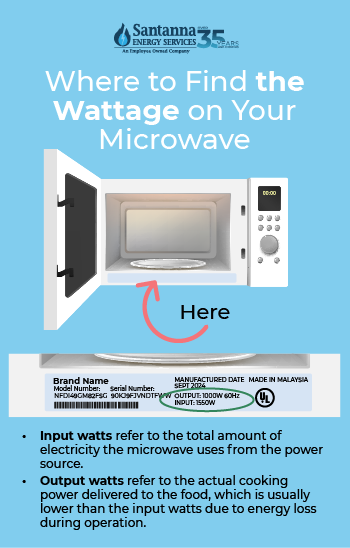
Microwave wattage has two parts. Cooking watts tell you heating power. Electrical watts tell you how much power the unit pulls from the wall.
Most labels show cooking watts. A 1,000-watt microwave cooks food with about 1,000 watts of microwave energy. To do that, it often draws more electrical power, usually 1,400 to 1,800 watts. Some of that energy becomes heat in the parts and fan.
Inverter models hold a steady output at lower power settings. Traditional models cycle on and off. Both can be 700 to 1,200 cooking watts, but they heat differently. Knowing how many watts does a microwave use helps you set cook times that match your model.

Typical wattage ranges by size and type
Here are common ranges you will see in stores and on labels:
- Compact countertop: 600 to 800 cooking watts. Lighter and slower. Good for small snacks.
- Mid-size countertop: 900 to 1,100 cooking watts. The best balance for most homes.
- Full-size and over-the-range: 1,100 to 1,350 cooking watts. Fast and even heating.
- Commercial units: 1,000 to 1,800 cooking watts. Built for speed and heavy use.
Electrical draw is higher than cooking watts. Expect about 1.4 to 1.6 times more from the wall for many models. A 1,000 cooking-watt oven may draw 1,400 to 1,600 electrical watts at full power.
Amps matter too. On a 120-volt circuit, a 1,600-watt draw is about 13.3 amps. That is why kitchens use 15 to 20 amp circuits. If you ask how many watts does a microwave use in an RV or dorm, check the circuit limit first.

How to find how many watts your microwave uses
You can answer how many watts does a microwave use in three simple ways:
- Check the rating label. Open the door or look at the back or inside the cavity. You may see “Output: 1,000W” and “Input: 1,500W.” Output is cooking power. Input is wall draw.
- Read the manual or spec sheet. Search your model number online if you lost the booklet.
- Run a quick water test. Heat 1 cup of cold water. If it reaches a rolling boil in about 1.5 to 2 minutes, your unit is likely near 1,200 cooking watts. About 2.5 to 3 minutes points to 900 to 1,000 watts. Three to 4 minutes suggests 700 to 800 watts.
For exact wall power, use a plug-in power meter. Run the microwave at full power for one minute and read watts. This tells you how many watts does a microwave use from your outlet, which is what you pay for.
How many watts does a microwave use per minute and what does it cost
Let’s do simple math so you can plan costs.
- Example unit: 1,200 cooking watts, 1,700 electrical watts draw.
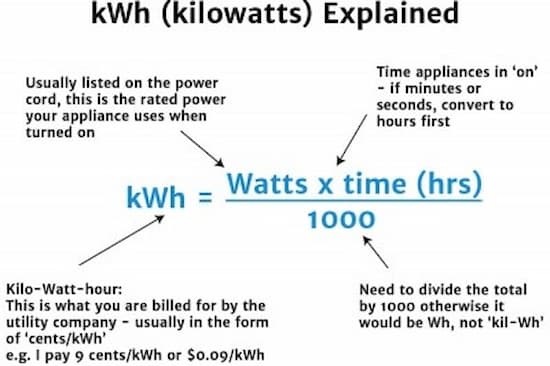
- One minute of use: 1,700 watts × 1 minute = 1,700 watt-minutes.
- Convert to kWh: 1,700 ÷ 60 = 28.3 watt-hours = 0.0283 kWh.
- At $0.15 per kWh, cost per minute is about $0.004. That is under half a cent.
A typical 3-minute reheat uses about 0.085 kWh and costs about 1.3 cents. Even if your rate is higher, microwaves are cheap to run. Standby use matters too. Many models sip 1 to 4 watts for the clock. Over a year, that can add up to 9 to 35 kWh. Knowing how many watts does a microwave use when idle helps you decide if you should unplug it.

How wattage affects cooking time and results
Higher wattage cooks faster and more evenly. Lower wattage needs more time and can dry edges if you overcompensate. If a recipe assumes 1,000 watts, use this simple rule:
- New time = Old time × (1,000 ÷ Your wattage)
Examples:
- You have 700 watts. A 4-minute recipe becomes about 5.7 minutes.
- You have 1,200 watts. A 4-minute recipe becomes about 3.3 minutes.
Inverter microwaves hold steady power at 50 percent. Traditional units pulse between 0 and 100 percent. If you defrost often, inverter models do better. When people ask how many watts does a microwave use for defrost, the answer is less than full power, but the delivery style matters more than the number.
)
Efficiency tips to get more from your microwave’s watts
You can make every watt count with small tweaks:
- Use a microwave-safe lid. Trapped steam speeds cooking and keeps food moist.
- Arrange food in a ring. Leave the center open for even heating.
- Stir and rest halfway. Heat moves inward while it sits.
- Match the container. Glass heats food evenly. Thin plastic can warp and waste heat.
- Use lower power for dense foods. High power can overcook edges.
- Keep it clean. Spatter on the walls absorbs energy and slows heating.
These habits matter more than many upgrades. They also answer how many watts does a microwave use to get the job done well. Often, the right technique beats more power.
Electrical and safety basics you should know
Microwaves are high-draw devices at startup. Keep a few rules in mind:
- Use a dedicated 15 or 20 amp kitchen circuit when possible.
- Avoid thin extension cords. If you must use one, pick a short, heavy-gauge cord rated for the load.
- Do not share the outlet with toasters or space heaters.
- Keep vents clear. Heat buildup reduces efficiency and lifespan.
- If a breaker trips, move the microwave to another circuit. Do not upsize the breaker.
If you wonder how many watts does a microwave use on a shared strip, the safe answer is none. Plug it into the wall. It reduces fire risk.

Real-life tests and lessons learned
I ran side-by-side tests with a 700-watt dorm unit and a 1,200-watt kitchen unit using a power meter. The 700-watt model needed 3 minutes to boil a cup of water and drew about 1,050 watts from the wall. The 1,200-watt model boiled the same water in 1 minute 40 seconds and drew about 1,700 watts.
The bigger unit used more watts each second but less energy overall because it finished sooner. That surprised a friend who asked me how many watts does a microwave use to save energy. The lesson is simple. Finish fast with good technique and you often spend less.

Microwaves vs other appliances: energy and time
Microwaves shine for small portions and quick heating:
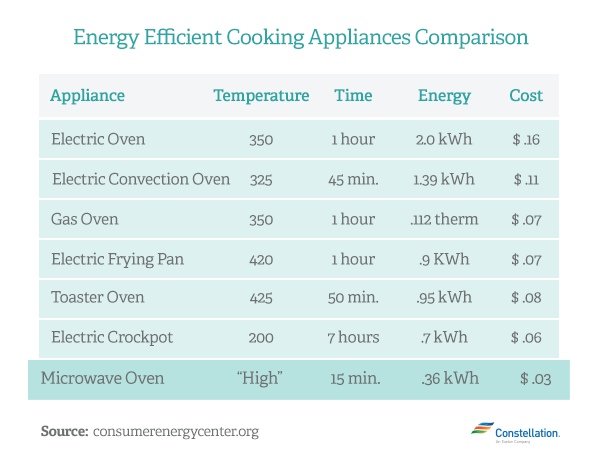
- Electric oven preheat: 2,000 to 5,000 watts for 10 to 15 minutes before cooking.
- Toaster oven: 1,200 to 1,800 watts, good for crisping small items.
- Electric kettle: 1,500 watts, faster than a microwave for water only.
- Induction cooktop: 1,400 to 2,400 watts, great control for pans.
When the question is how many watts does a microwave use to reheat leftovers, the answer is often less than using an oven. It is fast, focused, and avoids preheat losses.
Frequently Asked Questions of how many watts does a microwave use
How many watts does a microwave use on average?
Most home microwaves have 700 to 1,200 cooking watts and draw 1,000 to 1,800 electrical watts. The exact numbers are on your model label.
Is 700 watts enough for daily use?
Yes, 700 watts works for small meals and drinks. Expect longer times and stir more often for even results.
How many watts does a microwave use when idle?
Standby use is usually 1 to 4 watts for the clock and sensors. Over a year, that can add several dollars to your bill.
Do higher watts always mean better cooking?
Higher watts mean faster cooking, but technique still matters. Lids, stirring, and proper containers improve results more than a small wattage bump.
How many watts does a microwave use in an RV or dorm?
It depends on the circuit. Many spaces limit you to 15 amps, so aim for models drawing under 1,200 to 1,400 watts from the wall.
Can I convert recipes between wattages?
Yes. Multiply time by 1,000 divided by your wattage. Always check early, stir, and add 15 to 30 seconds as needed.
How many watts does a microwave use for defrost?
Defrost uses less than full power, often 30 to 50 percent. Inverter models do it more evenly because they hold steady output.
Conclusion
You now know how many watts does a microwave use, what that means at the wall, and how it affects your food. Check your label, test with water, and match times to your wattage. Use smart habits like lids and resting to get better results with less energy.
Put these tips to work this week. Try the time conversion rule and a quick power check with a cup of water. If this guide helped, subscribe for more practical home energy tips or share your questions in the comments.

Appliance Review Expert
Lucas Ramirez is a trusted voice at HomeFixGrid.com, known for his clear, practical, and creatively written guides that simplify appliance care for everyday homeowners. With a strong focus on hands-on testing and real-world problem-solving, Lucas brings expert insight into appliance reviews and troubleshooting techniques. Her work empowers readers to confidently maintain, repair, and choose the right appliances for their homes.
Leave a Reply