
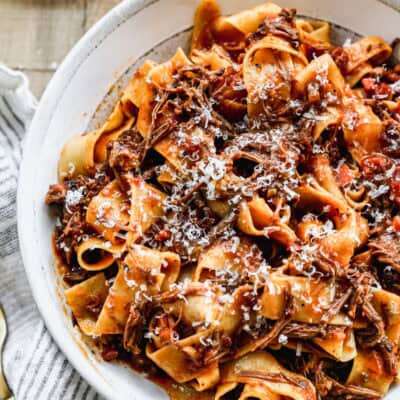
Layer smart, sear, season boldly, finish with acid and fresh herbs for restaurant-quality slow cooker meals.
I’ve cooked thousands of slow cooker meals and taught home cooks how to turn simple crockpot dishes into plates you’d happily pay for at a restaurant. This guide explains how to make slow cooker meals taste restaurant quality with clear, tested techniques, ingredient choices, and finishing moves. You’ll learn the tricks I used in my own kitchen to boost flavor, texture, and presentation so your slow cooker meals rival takeout or dining-out favorites.
Why slow cooker meals sometimes lack restaurant quality
Many home cooks expect rich depth from slow cooker dishes but get flat flavors instead. The slow, moist heat breaks down proteins and starches well, but it can dilute bright notes and erase texture.
Knowing how to make slow cooker meals taste restaurant quality starts with three ideas: build layers of flavor, manage moisture, and add contrast at the end. If you focus on those, your slow cooker will produce deeply flavored, textured dishes that look and taste like they came from a pro kitchen.
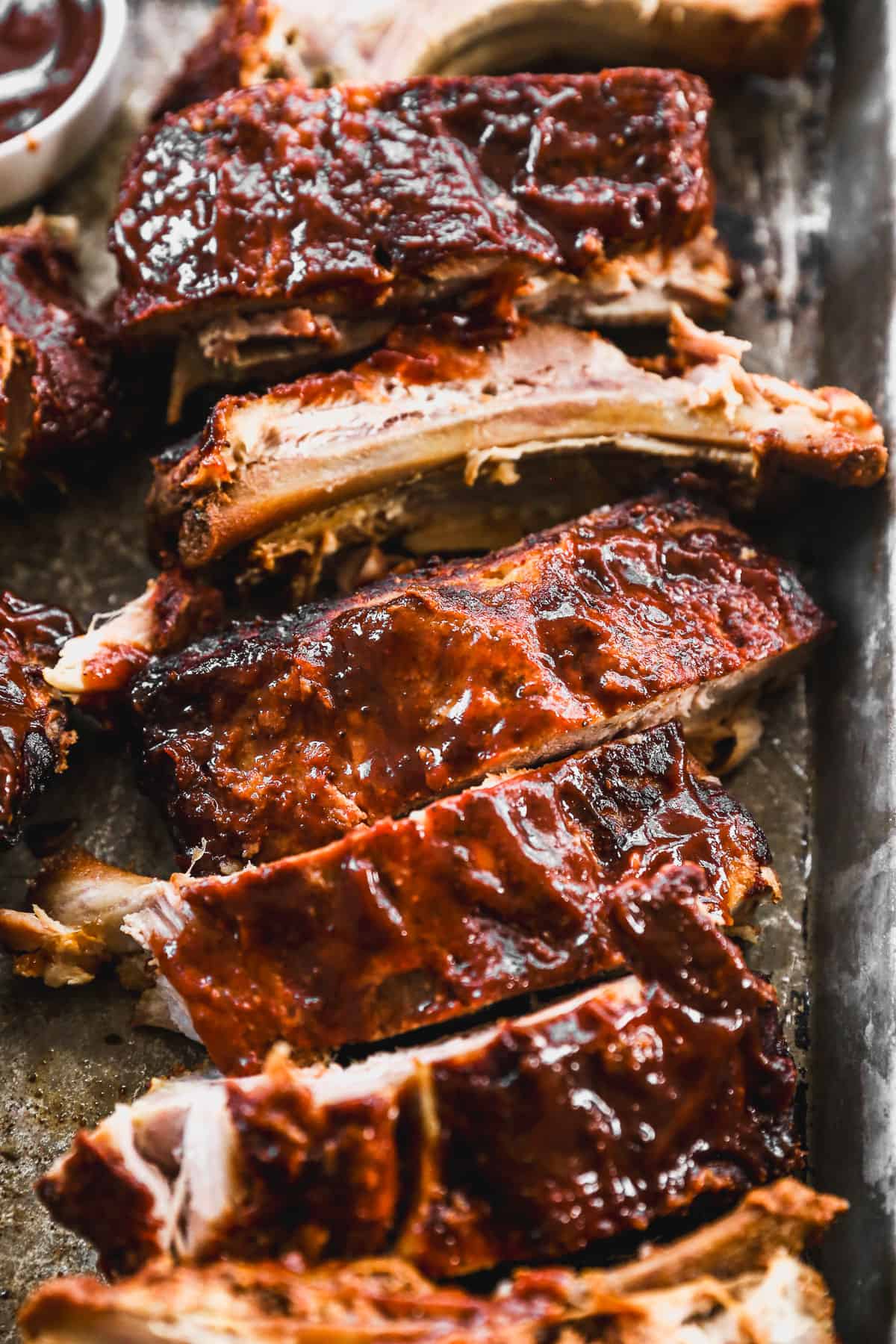
Core techniques to make slow cooker meals taste restaurant quality
Use these techniques every time to change the game.
- Sear proteins first
Searing caramelizes the surface and creates Maillard flavor. Brown meat in a hot skillet for 2–4 minutes per side before adding to the cooker. - Deglaze the pan
Pour a splash of wine, stock, or vinegar into the hot pan and scrape up browned bits. That liquid carries concentrated flavor into the slow cooker. - Season in layers
Add some salt and pepper early, then taste and adjust near the end. Also add herbs at different times: hearty herbs early, delicate herbs at finish. - Control liquid
Use less liquid than recipes call for. Slow cooking does not need full submersion; aim for 50–75% coverage for better concentration. - Finish with acid and fat
Bright acids and finishing fats awaken flavors. Add citrus, vinegars, cream, or a knob of butter just before serving.
These steps are central to how to make slow cooker meals taste restaurant quality. Follow them and you’ll notice immediate improvement.

Ingredient choices that elevate slow cooker meals
Quality ingredients matter even more when textures soften over hours.
- Use high-quality cuts for richness
Tough cuts like chuck or brisket make great results when braised. Pick cuts with good marbling for depth. - Fresh aromatics
Onions, garlic, and celery give a base note. Use fresh versions where possible for clearer flavor. - Concentrated liquids
Use low-sodium stock, tomato paste, and a splash of wine to add umami and body. - Umami boosters
Add soy sauce, fish sauce, or anchovy paste sparingly to deepen flavor without tasting like them. - Finish herbs and garnishes
Fresh herbs, citrus zest, toasted nuts, and crisp greens give contrast and lift.
Smart ingredients are essential to how to make slow cooker meals taste restaurant quality. Small upgrades yield big returns.
Timing, temperature, and layering for best results
Slow cookers are forgiving, but timing and order matter.
- Start high and drop to low for certain dishes
Browning and a 30–60 minute high phase before low heat concentrates flavors. - Layer by cook time
Put dense root vegetables and tougher cuts at the bottom near the heat source. Add soft vegetables and delicate items later. - Avoid overcooking tenderness
Fish and shellfish cook quickly. Add them in the last 30 minutes or use a sealed bag set into the cooker. - Thicken strategically
Use a slurry, reduction, or finish in a hot pan. Thickening in the slow cooker can mute flavors; reduce externally when possible.
These timing and layering rules guide how to make slow cooker meals taste restaurant quality without overworking the cooker.
Finishing touches that lift slow cooker meals to restaurant quality
Finishes are where slow cooker food becomes memorable.
- Bright acids
Add vinegar, lemon, or lime at the end to brighten deep flavors. - Fresh herbs and aromatics
Stir in parsley, cilantro, mint, or scallions right before serving. - Textural contrasts
Add toasted nuts, breadcrumbs, or crisped pancetta for crunch. - Compound butter or flavored oil
Melt a herbed butter or drizzle a chili oil over bowls for gloss and richness. - Quick pan reduction
Strain cooking liquid and reduce on the stove to a concentrated sauce. Spoon over the dish.
Finishing touches are the key final step in how to make slow cooker meals taste restaurant quality. They create a flavor lift and help with presentation.
Presentation and plating to mimic restaurant service
A well-plated dish tastes better. Presentation matters.
- Choose a clean plate or shallow bowl
White or neutral plates help colors pop and look professional. - Layer elements
Place starch first, protein next, then spoon sauce and garnish on top. - Add micro-contrasts
Sprinkle a small pinch of flaky salt, a few herbs, and a citrus wedge. - Wipe the rim and finish with a shine
A quick brush of sauce and a glossy butter finish make the plate look composed.
Plating is part of how to make slow cooker meals taste restaurant quality because our eyes judge before our taste buds.

Three restaurant-quality slow cooker recipes (tested)
Below are three examples that use the above methods. Each is short and practical.
-
Braised Beef Short Ribs with Red Wine Reduction
Brown ribs first. Deglaze pan with red wine and add ribs plus aromatics. Cook low 8 hours. Remove ribs, reduce strained liquid on the stove to a syrupy sauce, then spoon over ribs and garnish with parsley. -
Coconut Thai Chicken with Lime and Herbs
Sear chicken thighs briefly. Add coconut milk, red curry paste, fish sauce, and lime zest, then cook 3–4 hours on low. Finish with lime juice, cilantro, and toasted coconut. -
Mushroom Barley Ragout for Vegetarians
Sauté mushrooms and onions to brown. Add barley, stock, tomato paste, and thyme, then cook until barley is tender. Reduce some broth in a pan, stir back in, finish with truffle oil or parsley.
Each recipe shows practical ways to make slow cooker meals taste restaurant quality through searing, deglazing, and finishing.

Troubleshooting common problems
If your slow cooker meals fall short, try these fixes.
- Problem: Bland flavor
Fix: Add a splash of acid and a pinch of salt at the end, and consider a reduced sauce. - Problem: Watery dish
Fix: Remove lid for the last hour or reduce strained liquid on the stove. - Problem: Mushy vegetables
Fix: Add soft vegetables later in the cook cycle or use heartier varieties. - Problem: Flat-looking presentation
Fix: Use fresh herbs, toasted garnishes, and a drizzle of finishing oil.
These fixes help you refine how to make slow cooker meals taste restaurant quality each time.
Frequently Asked Questions of how to make slow cooker meals taste restaurant quality
How important is searing to make slow cooker meals taste restaurant quality?
Searing is very important. It creates brown bits and deep flavor that the slow cooker alone cannot replicate.
Can I reduce liquid in slow cooker recipes without drying things out?
Yes. Use 50–75% of the liquid recipes call for and check halfway. Remove lid near the end to reduce excess moisture.
When should I add herbs to ensure a restaurant-quality flavor?
Add hardy herbs like rosemary early and delicate herbs like parsley or basil at the end. This preserves bright, fresh flavors.
How do I thicken sauces without losing flavor?
Strain the cooking liquid and reduce it on the stove. This concentrates flavor without diluting the dish.
Can vegetarian slow cooker meals taste restaurant quality?
Absolutely. Focus on umami boosters, searing vegetables, and finishing with acids and oils to add depth and contrast.
Is finishing with acid always necessary?
Not always, but acid often brightens and balances slow-cooked flavors. Try a small splash and taste to decide.
Conclusion
Learning how to make slow cooker meals taste restaurant quality comes down to smart technique, ingredient choices, and confident finishing moves. Sear, deglaze, layer flavors, control liquids, and finish with acid, fresh herbs, and textural contrasts. Start applying one new technique each week and you’ll notice real improvement fast. Try a recipe from this guide, leave a comment with your results, and subscribe for more tested tips to professionalize your slow cooker cooking.

Appliance Review Expert
Lucas Ramirez is a trusted voice at HomeFixGrid.com, known for his clear, practical, and creatively written guides that simplify appliance care for everyday homeowners. With a strong focus on hands-on testing and real-world problem-solving, Lucas brings expert insight into appliance reviews and troubleshooting techniques. Her work empowers readers to confidently maintain, repair, and choose the right appliances for their homes.
Leave a Reply