
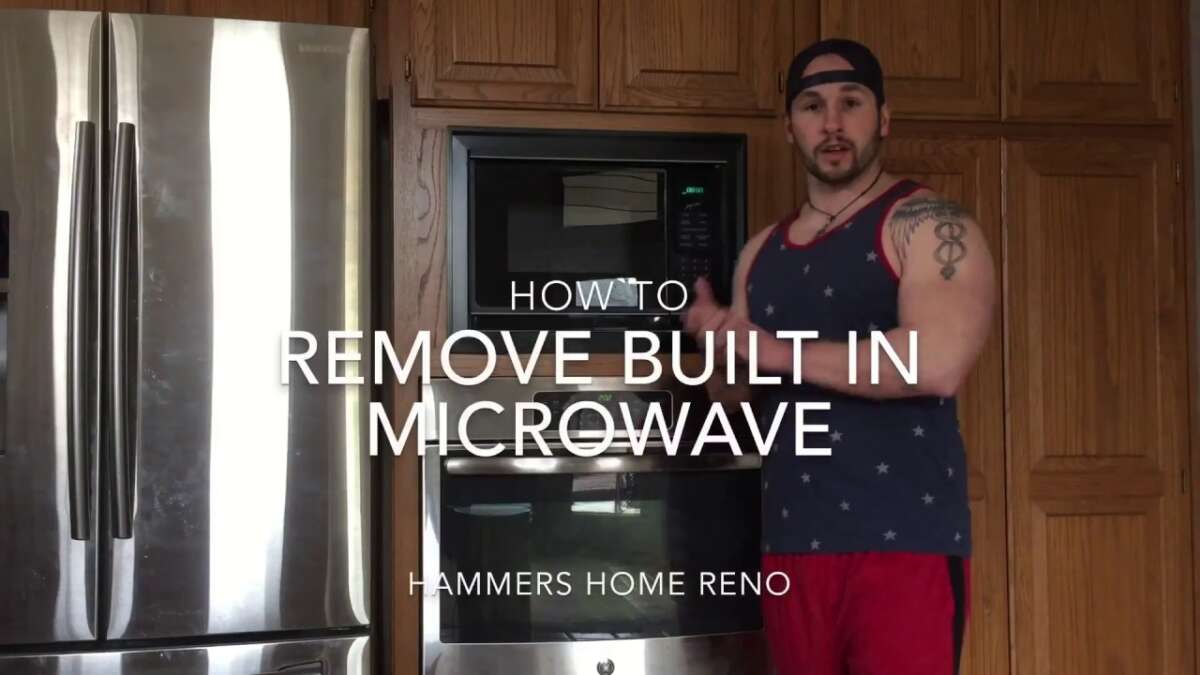
Removing a microwave oven is straightforward with the right tools, safety checks, and step‑by‑step care.
I’ve removed many microwaves in kitchens I’ve remodeled and in homes I’ve helped friends update. This guide shows exactly how to remove a microwave oven safely, whether it’s a countertop unit, an over‑the‑range model, or a built‑in cabinet microwave. I explain tools, safety steps, clear instructions, common pitfalls, and disposal options. Read on to get confident and efficient at removing a microwave oven without stress.
Why remove a microwave oven?
Removing a microwave oven can be simple. The reason matters. You might replace an old unit. You might remodel a kitchen. You might need to move a freestanding unit.
I focus on clear steps. I also share real tips I learned the hard way. You will learn how to remove a microwave oven from countertops, over the stove, and from cabinets. The goal is safety, speed, and no damage.

Tools and materials you’ll need
Removing a microwave oven is easier with the right kit. Gather these items before you start.
- Power drill or screwdriver set (Phillips and flat bits)
- Adjustable wrench and socket set
- Putty knife or pry tool
- Stud finder (for over‑the‑range models)
- Helper or two (microwaves are heavy)
- Gloves and safety glasses
- Tape (masking or painter’s)
- Towels or moving blankets
- Trash bag or box for screws and brackets
Having these tools saves time. I once tried removing an over‑the‑range microwave without a socket set. It cost me an hour. Don’t skip the right tools.

Safety precautions before you start
Safety is key when you remove a microwave oven. Follow these checks every time.
- Turn off power at the breaker for hardwired or built‑in units.
- Unplug countertop microwaves from the wall outlet.
- Wear gloves and safety glasses.
- Clear the area and remove flammable items from the stove and counter.
- Use a helper for any microwave over 25 pounds.
- Keep screws and small parts in a labeled container.
I always take a photo of the wiring and mounting before I start. It helps when reattaching or donating the unit.

Step‑by‑step: Removing a countertop microwave
Countertop microwaves are the easiest to remove. They are usually just plugged in and rest on the counter.
- Unplug the microwave from the outlet.
- Empty the microwave. Remove the turntable and any accessories.
- Slide towels under the front and back to protect the countertop.
- Tilt the microwave slightly and pull it off the counter.
- If it’s stuck to a nonstick mat or adhesive, use a putty knife to loosen the base.
- Carry the microwave with two hands and set it on a towel or blanket.
Countertop models rarely need tools. If yours has a security screw or mounting clamp, remove the screws first. I once slipped while lifting a countertop microwave. A helper keeps you safe and saves kitchen tiles.
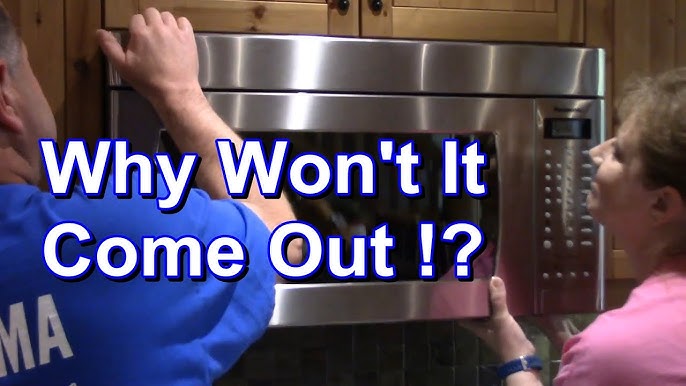
Step‑by‑step: Removing an over‑the‑range microwave
Over‑the‑range microwaves are heavier and usually fastened to the cabinet and wall. This makes removing them more complex.
- Turn off power at the breaker for the microwave circuit.
- Open the microwave door and remove the light cover and bulb to lighten the load.
- Remove the interior turntable and racks.
- Locate and remove the screws that secure the microwave to the upper cabinet. These are usually inside the cabinet above the microwave.
- Support the microwave from below with a helper or a sturdy stand.
- Remove the bottom mounting bolts or screws near the stove hood area.
- Detach any ductwork or vent adapters if present. Loosen the duct clamp or screws.
- Slide the microwave off the wall bracket. Lower it slowly with a helper.
Mark where screws and brackets go. This helps if you reinstall another unit. During one removal, I forgot to secure the bottom screws properly when reinstalling. The result was a noisy, unstable fit. Take your time.

Step‑by‑step: Removing a built‑in or cabinet microwave
Built‑in microwaves are framed into cabinets. Removing them needs patience and careful work to avoid damage.
- Turn off power at the breaker and verify the unit has no power.
- Remove cabinet doors or shelves that block access to mounting screws.
- Open the microwave door and remove interior parts.
- Find the mounting screws at the top and inside the cabinet frame.
- Use a drill or screwdriver to remove all visible screws.
- If the microwave is sealed with caulk, use a putty knife to cut the seal.
- With a helper, pull the microwave straight out. Support the weight evenly.
- Patch or paint any cabinet edges if you plan to keep the space.
Built‑in units often hide fasteners. I once found screws behind a decorative trim piece. Keep patience and a flashlight handy.

Disposal, recycling, and donating the microwave
After you remove a microwave oven, decide what to do with it. Options include recycling, donating, selling, or trashing.
- Check local recycling rules for appliances with electronic components.
- Many retailers offer haul‑away or recycling for old appliances when you buy a new unit.
- Donate working microwaves to shelters or community centers.
- For broken units, find a certified e‑waste recycler to handle the metal and electronics.
- If you must trash it, remove the cord and follow local bulk waste rules.
I once donated a working microwave to a local shelter. It was easy and felt good. Recycling helps reduce hazardous waste.

Troubleshooting and tips
Removing a microwave oven can hit snags. Here are quick fixes and tips.
- Stuck unit: Cut any caulk line and remove hidden screws. Use a pry tool gently.
- Heavy unit: Always have two helpers. Use a dolly for large freestanding units.
- Hardwired microwaves: If unsure, call a licensed electrician to disconnect wiring.
- Damaged cabinet: Use wood filler and touch‑up paint to hide minor dings.
- Reinstalling a new unit: Use the old mounting template if available.
A tip from my experience: label every screw and part. A small jar with a sticky note saved a lot of rework during a kitchen update.

Frequently Asked Questions of how to remove a microwave oven
How do I remove a countertop microwave oven safely?
Unplug the microwave, empty it, and lift it off the counter with two hands. Use a helper if it weighs over 25 pounds.
Do I need to shut off power to remove an over‑the‑range microwave?
Yes. Turn off the circuit breaker before you remove a hardwired or over‑the‑range microwave to avoid electric shock.
Can I remove an over‑the‑range microwave alone?
No. Over‑the‑range microwaves are heavy and often attached to the cabinet and wall. Use at least one helper.
How do I disconnect the duct when I remove a microwave oven?
Loosen the duct clamp or screws at the vent connector, then slide the duct off the adapter. Wear gloves to avoid sharp edges.
What do I do with a microwave oven that won’t come off the wall bracket?
Check for hidden screws inside the cabinet or under the unit and cut any caulk lines. If it’s still stuck, call a professional.
Is it safe to remove a hardwired microwave oven myself?
If you are not comfortable with wiring, hire a licensed electrician to disconnect the power. Safety matters more than saving money.
Conclusion
Removing a microwave oven is a clear task when you follow safety checks, use the right tools, and work with a helper. You can remove countertop, over‑the‑range, or built‑in units without damage if you plan and take it slow. Try the steps here, label parts, and prioritize power shutoff and secure support. If you feel unsure about electrical or heavy lifting, call a professional. Share your removal story, ask questions, or subscribe for more simple home project guides.

Appliance Review Expert
Lucas Ramirez is a trusted voice at HomeFixGrid.com, known for his clear, practical, and creatively written guides that simplify appliance care for everyday homeowners. With a strong focus on hands-on testing and real-world problem-solving, Lucas brings expert insight into appliance reviews and troubleshooting techniques. Her work empowers readers to confidently maintain, repair, and choose the right appliances for their homes.
Leave a Reply