
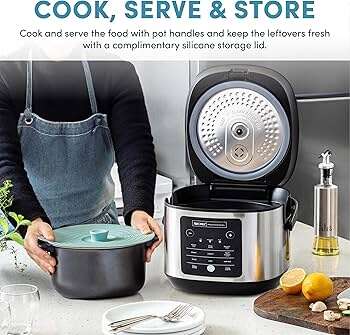
Cool quickly, portion into shallow airtight containers, refrigerate within two hours, or freeze for longer storage.
I've been cooking with slow cookers for years and I know how easy it is to end up with a pot full of leftovers. This guide on how to store leftovers after slow cooker cooking pulls together food-safety rules, real-world tips, and simple routines that save time and keep food tasty. I’ll share what works, what to avoid, and how I learned the hard way so you can keep your meals safe and delicious.
Why proper storage matters for slow cooker leftovers
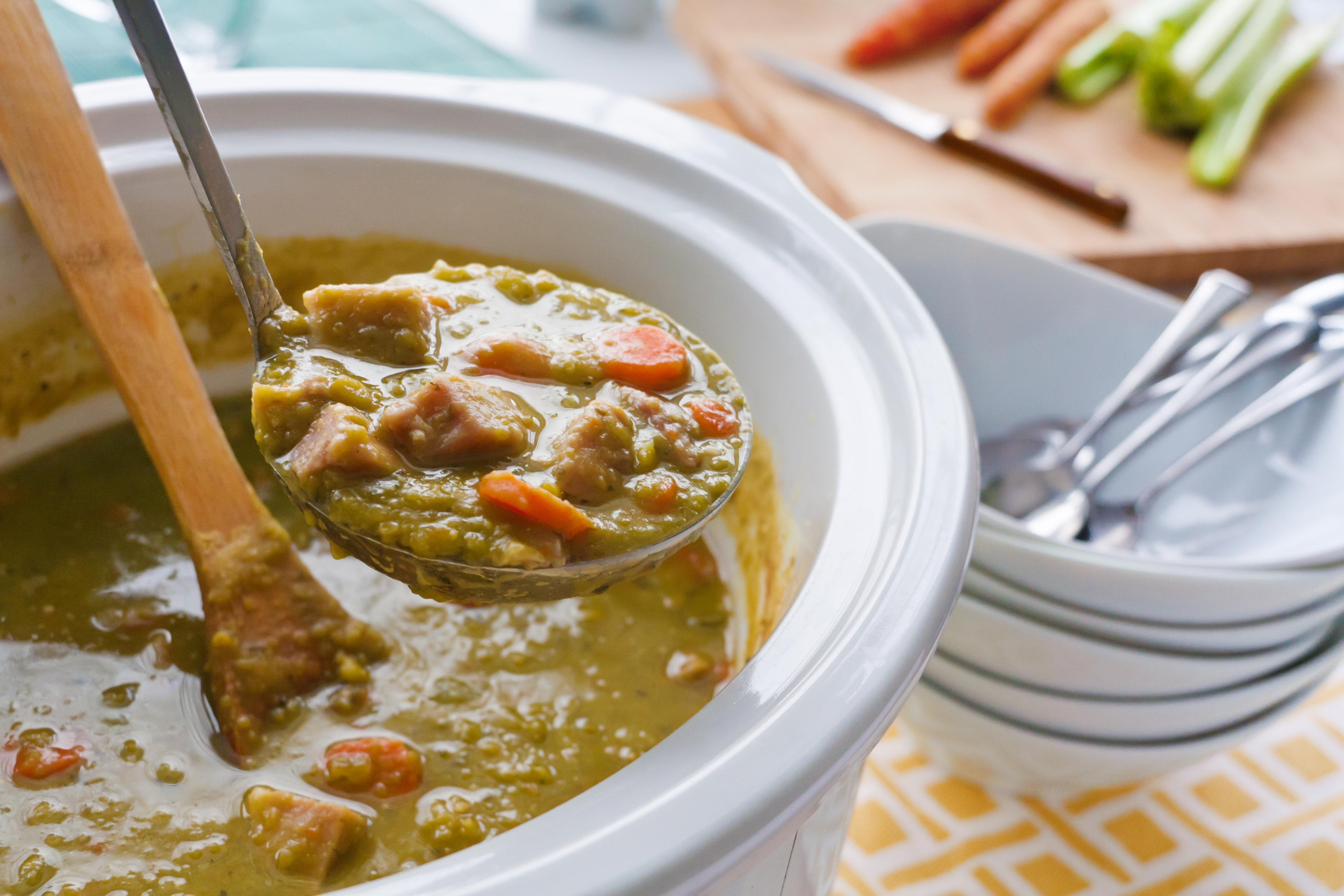
Slow cooker meals hold moisture and flavor, but that same moisture can speed up spoilage if you store them wrong. Knowing how to store leftovers after slow cooker cooking stops waste and lowers food-safety risk. I have seen dishes ruined by slow cooling and learned to act fast to lock in taste and safety.
- Prevent bacterial growth by cooling food quickly. Bacteria multiply between 40°F and 140°F, so speed matters.
- Keep flavors and texture by using the right container and portion size.
- Save money and time by storing smart and planning meals from leftovers.

How to cool slow cooker leftovers safely
Cooling is the first and most crucial step in how to store leftovers after slow cooker cooking. You want to move food out of the hot pot and into shallow, cool containers as soon as it’s safe to handle. In my kitchen, I aim to get food into the fridge within two hours of finishing.
- Remove large bones or ladle meat into shallow containers to speed cooling.
- Divide big batches into portions no deeper than 2 inches so heat escapes fast.
- Use an ice bath for dense stews: set the pot in a sink of iced water and stir to lower temperature quickly.
Best containers for storing slow cooker leftovers
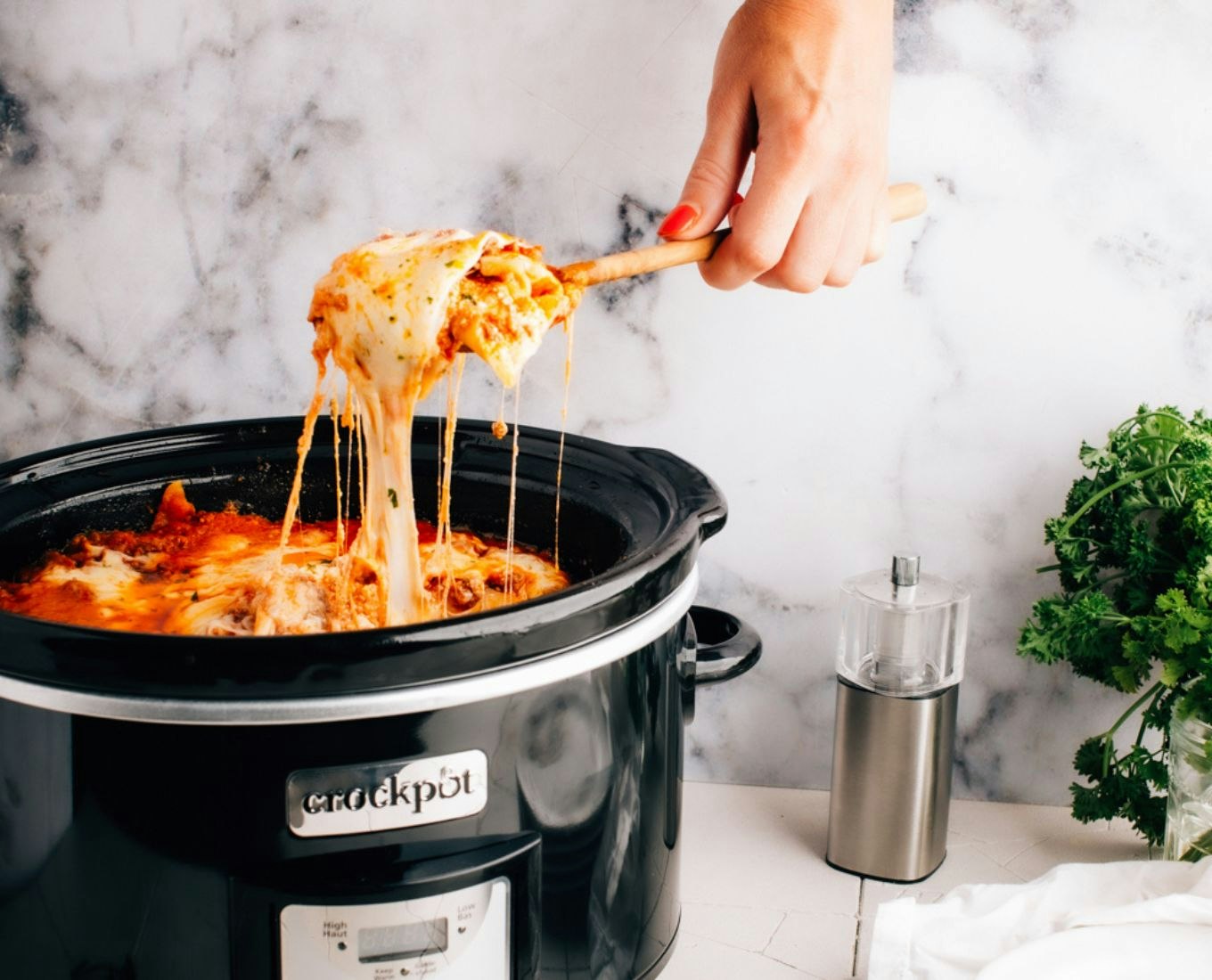
Choosing the right container is a key part of how to store leftovers after slow cooker cooking. The right container keeps air out and preserves texture for reheating. I prefer glass for the fridge and freezer because it won’t warp and it can go straight into an oven-safe reheat.
- Airtight glass containers with snap lids keep air and odors out.
- BPA-free plastic containers are lighter and fine for short-term fridge storage.
- Freezer-safe bags work well for liquids; remove excess air and lay flat to freeze space-efficiently.

Refrigeration and freezing guidelines
Follow simple timing rules when you learn how to store leftovers after slow cooker cooking. Most cooked dishes last 3-4 days in the fridge and 2-6 months in the freezer depending on the food. Label containers with the date so you always know what needs eating first.
- Refrigerate within two hours of cooking; within one hour if room is warm.
- Store at 40°F or below; keep your fridge at or below this temperature.
- Freeze soups and shredded meats flat in sealed bags for faster thawing and even reheating.
Reheating leftovers safely and well
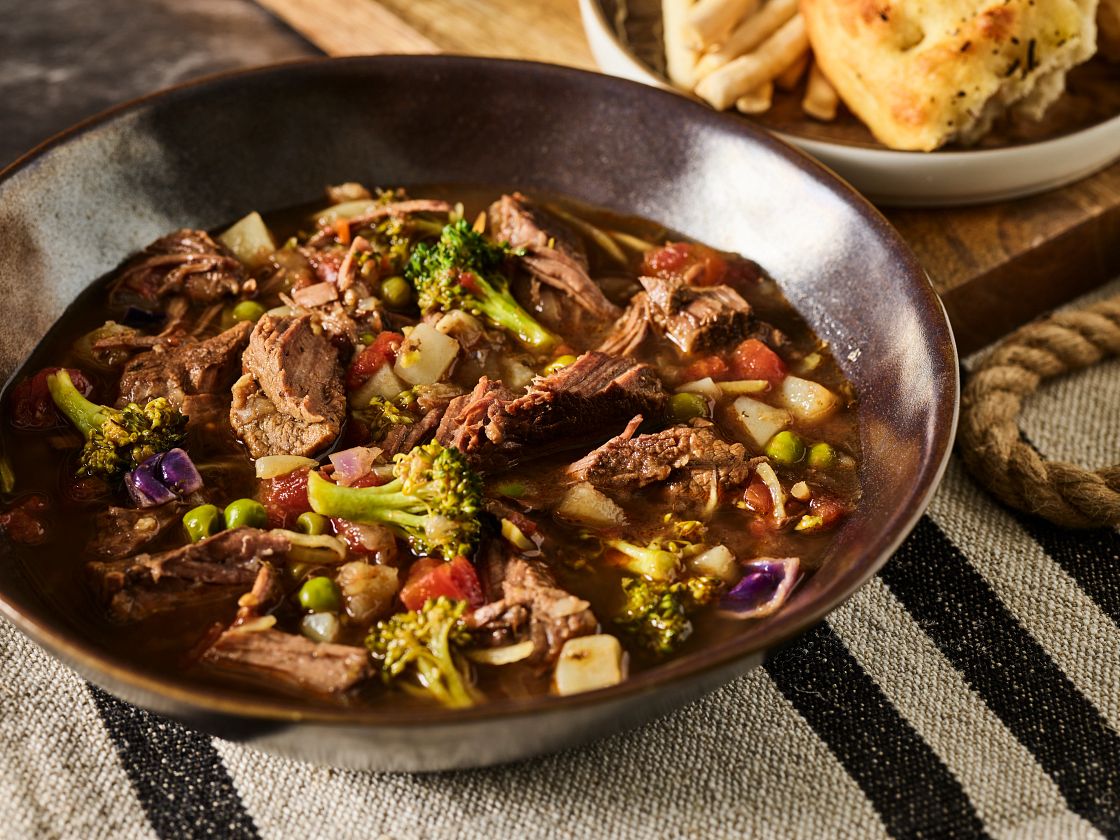
How you reheat determines if your stored slow cooker food is safe and tasty. Reheat to 165°F throughout, stirring soups and sauces to remove cold spots. I use the stove or oven for even heat and the microwave only for quick single servings.
- Reheat on the stove over medium heat for soups and stews, stirring often.
- Use an oven set at 350°F for casseroles; cover to retain moisture.
- For microwave reheating, cover and stir halfway to ensure even heating and safety.

Meal planning and creative uses for stored slow cooker food
Knowing how to store leftovers after slow cooker cooking lets you plan meals and cut kitchen time. Leftover pulled pork, chili, or roast beef becomes tacos, bowls, or soups. I often turn a Sunday slow cooker dinner into three weeknight meals.
- Transform shredded meats into tacos, sandwiches, or pizza toppings.
- Use stews and chilis as hearty bases for baked potatoes or grain bowls.
- Freeze single-serve portions for easy lunches or emergency dinners.
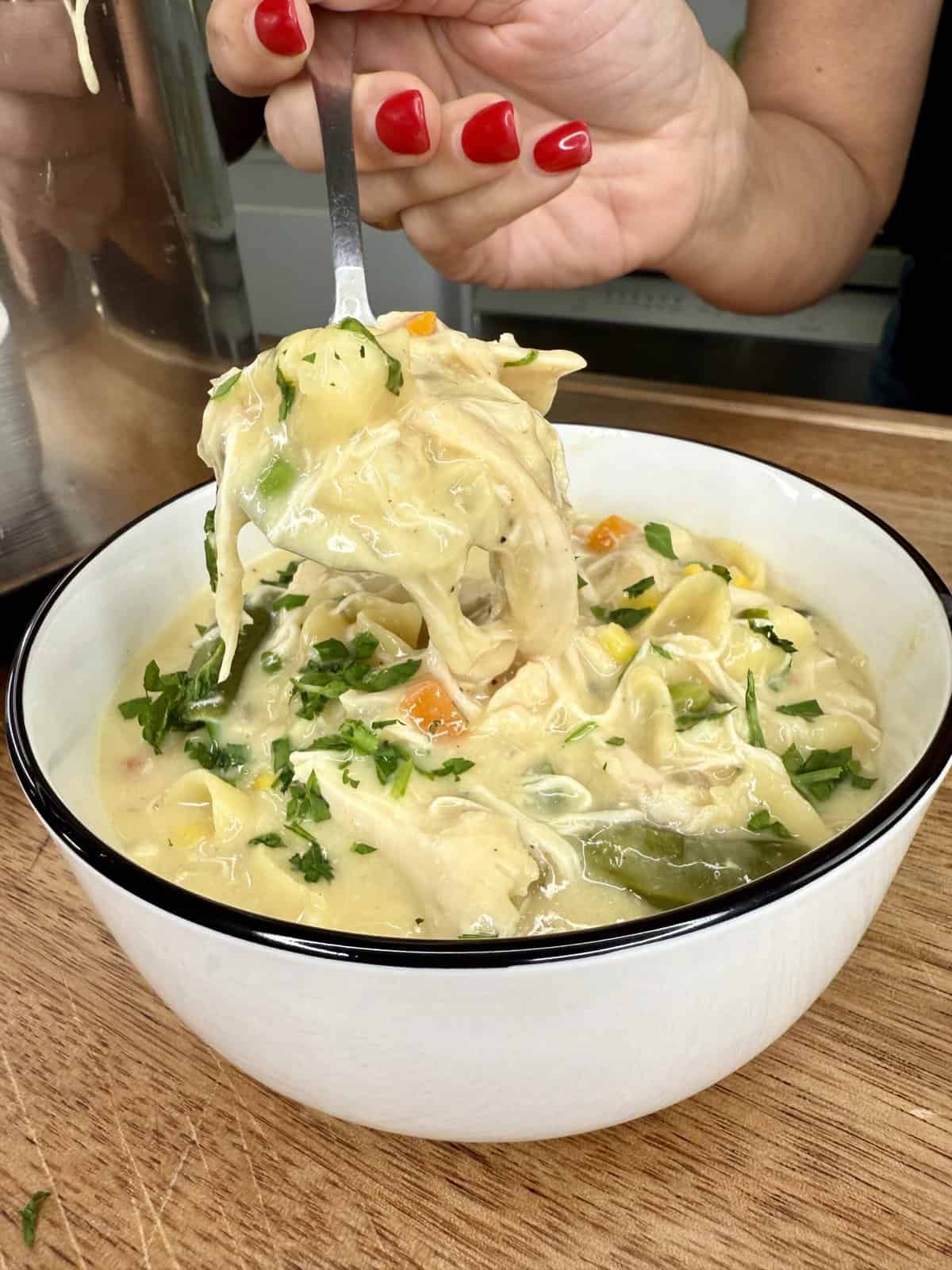
Common mistakes to avoid when storing slow cooker leftovers
Avoiding simple errors will keep your food safe and tasty when you learn how to store leftovers after slow cooker cooking. I used to leave the lid on and let things cool in the pot — that cut the fridge life and hurt flavor. Learn from my mistakes and use these quick rules.
- Don’t leave the pot out more than two hours; transfer food to shallow containers.
- Don’t overfill containers; give food room to cool quickly.
- Don’t refreeze thawed food unless you cooked it again first.
Frequently Asked Questions of how to store leftovers after slow cooker cooking
How long can I keep slow cooker leftovers in the fridge?
Most slow cooker leftovers stay safe in the fridge for 3 to 4 days. If you need more time, freeze portions within two hours of cooking.
Can I cool the slow cooker pot in the fridge to speed up cooling?
It’s better to transfer food to shallow containers rather than chilling the whole pot. A deep pot cools slowly and raises the fridge temperature.
Is it ok to freeze soups and stews from a slow cooker?
Yes. Freeze soups and stews in freezer-safe containers or bags, leaving room for expansion. They usually stay good 2 to 6 months, depending on the ingredients.
How should I reheat leftover meat from a slow cooker?
Reheat meat to 165°F, using a stove, oven, or microwave. Stir and check the center so no cold spots remain.
Can I store slow cooker leftovers in the same container I cooked in?
You can if the pot is shallow and cools fast, but transferring to shallow, airtight containers is safer and helps food cool quickly.
Conclusion
Storing leftover slow cooker meals well saves money, cuts waste, and keeps your food safe. Cool food quickly, portion into shallow airtight containers, label with dates, and follow safe reheating rules to get the best results. Try these tips this week: portion a batch, freeze half, and plan two quick meals from leftovers — then share how it went or sign up for more kitchen guides.

Appliance Review Expert
Lucas Ramirez is a trusted voice at HomeFixGrid.com, known for his clear, practical, and creatively written guides that simplify appliance care for everyday homeowners. With a strong focus on hands-on testing and real-world problem-solving, Lucas brings expert insight into appliance reviews and troubleshooting techniques. Her work empowers readers to confidently maintain, repair, and choose the right appliances for their homes.
Leave a Reply